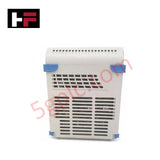
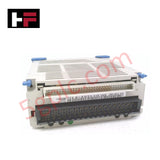
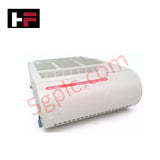
Product Details
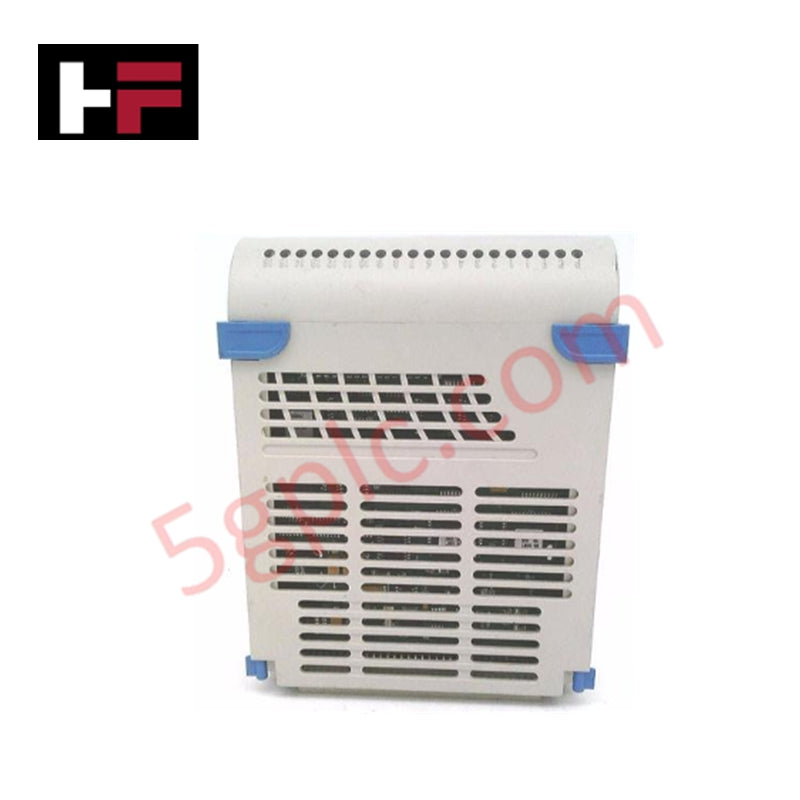
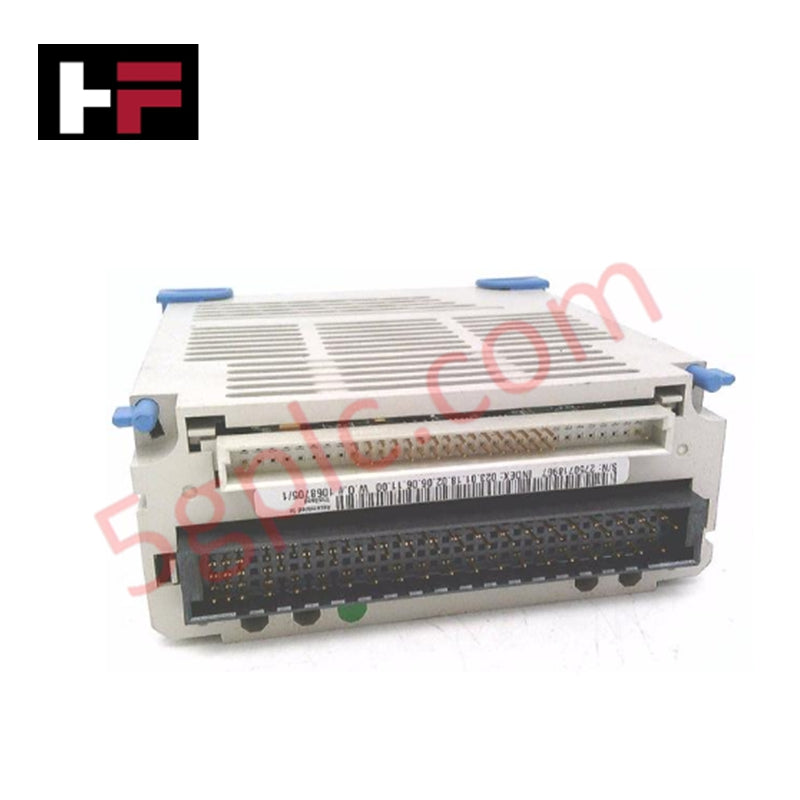
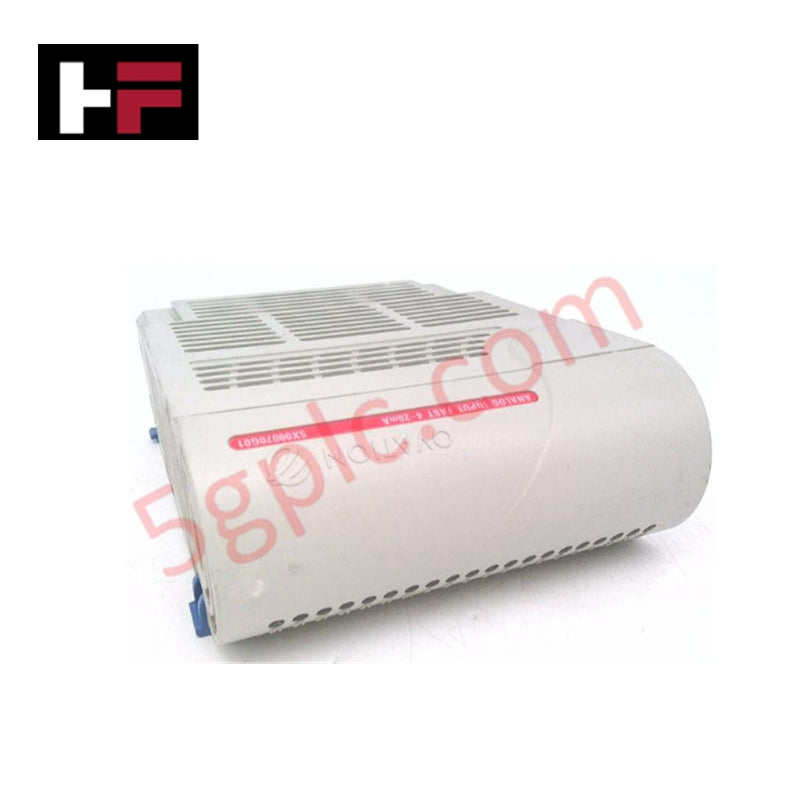
Configured for high-density signal acquisition in Ovation distributed control systems, the Emerson 5X00502G01 (5X00502G01 Analog Input Module) provides direct physical signal processing of analog field inputs. The module facilitates the conversion of field-level current, voltage, and RTD signals into digital format for controller logic execution.
Hardware Specifications
| Parameter | Specification |
|---|---|
| Model | 5X00502G01 |
| Brand | Emerson |
| Origin | USA |
| Weight | 0.45 kg |
| Dimensions | 250 mm x 150 mm x 30 mm |
| Operating Temp | -40 to 70 deg C |
| Power Consumption | 10 W |
| Number of Channels | 8 |
| Input Types | 4-20 mA, 0-10 V, RTD |
| Accuracy | +/- 0.1% of span |
| Resolution | 0.001% of span |
| Input Impedance | 250 kOhm |
| Signal Processing Time | < 10 ms |
Loop Connectivity and Isolation
The 5X00502G01 module incorporates advanced signal conditioning to support 4-20 mA HART loop protocol architectures. Each of the eight input channels provides channel-to-channel isolation to prevent ground loops and electrical interference common in large-scale industrial installations. The architecture supports configurable signal scaling and filtering, allowing the control system to normalize various input ranges effectively while maintaining a high common mode rejection ratio of 60 dB.
Frequently Asked Questions (FAQ)
Q: Does the 5X00502G01 module support hot-swapping during active system operation?
A: Yes, the module is designed for hot-swapping within the Ovation backplane, allowing for replacement without de-energizing the entire I/O rack.
Q: How should the shield wires be terminated for optimal noise suppression?
A: Shield wires must be terminated at the designated chassis ground point provided on the I/O terminal block to minimize EMI/RFI interference on the analog loops.
Field Installation Guidelines
- Verify backplane power is stable before inserting the module into the designated slot.
- Align the module with the card guides and ensure the backplane connector is fully seated.
- Secure the module using the top and bottom captive screws to ensure a proper ground path between the module housing and the rack.
- Terminate field wiring according to the specific loop requirements (current, voltage, or RTD). Ensure all terminal connections are torqued to manufacturer specifications.
- Perform a cold junction compensation (CJC) calibration check if RTD inputs are utilized to ensure temperature measurement accuracy.
Additional Information
- 100% Genuine Parts: All products are original and authentic, ensuring reliable industrial performance.
- 30-Day Refund Guarantee: Return any in-stock item within 30 days in original, unopened packaging for a full refund (excluding shipping and fees).
- 12-Month Warranty: Covers defects in materials or workmanship; excludes misuse, normal wear, or unauthorized modifications.
- Worldwide Shipping: We ship via USPS, UPS, FedEx, and DHL. Delivery times vary by country and may be subject to customs or import fees.
- Support & Contact: Technical and warranty assistance is available anytime. Contact us here: Contact.
- Purchase Guidance: Check product specifications and compatibility carefully before ordering to ensure proper application.




Tech & Buying Guide

Voice-Activated Industrial Automation: Integrating Speech Control into PLC and DCS Architectures
Industrial automation integrates speech recognition, IIoT protocols, and NLP with PLCs and DCS to streamline operations. By leveraging advanced edge computing, engineers enable real-time, hands-free control—allowing personnel to manage smart factory processes safely away from hazardous equipment.
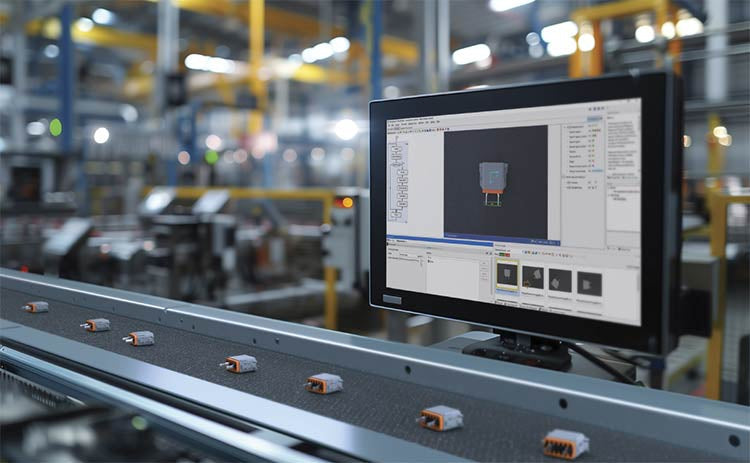
Modern Industrial Automation: Transforming Safety and Efficiency in Mining Operations
Industrial automation has evolved from a simple manufacturing tool into the operational backbone of high-risk sectors. Modern mining operations increasingly rely on advanced control systems, programmable logic controllers (PLCs), distributed control systems (DCS), and artificial intelligence to address deep-underground hazards. By replacing manual labor in high-risk zones, factory automation technologies protect personnel while significantly boosting operational throughput.