










Product Details
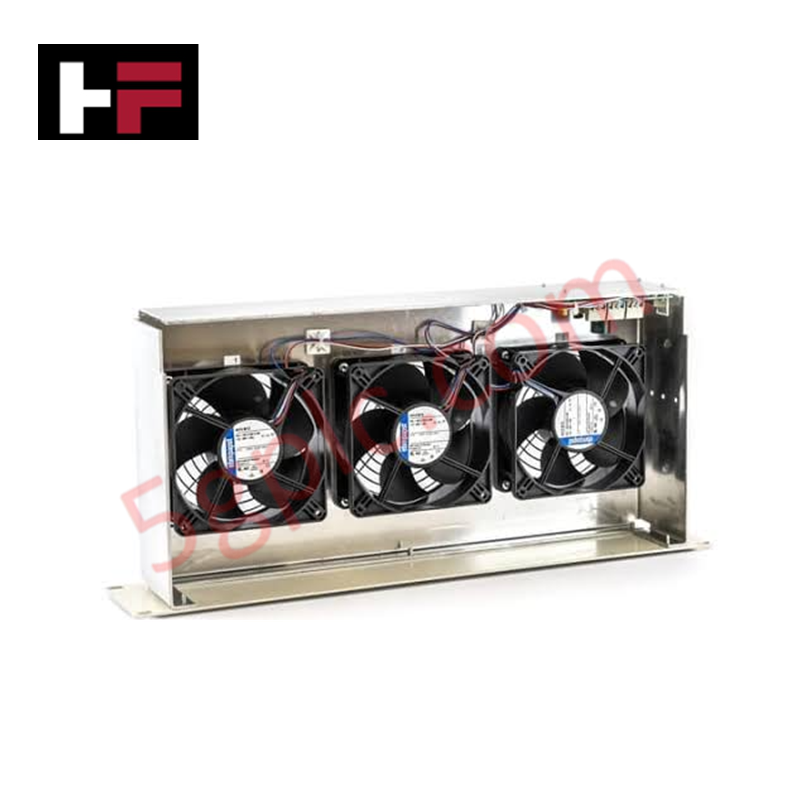
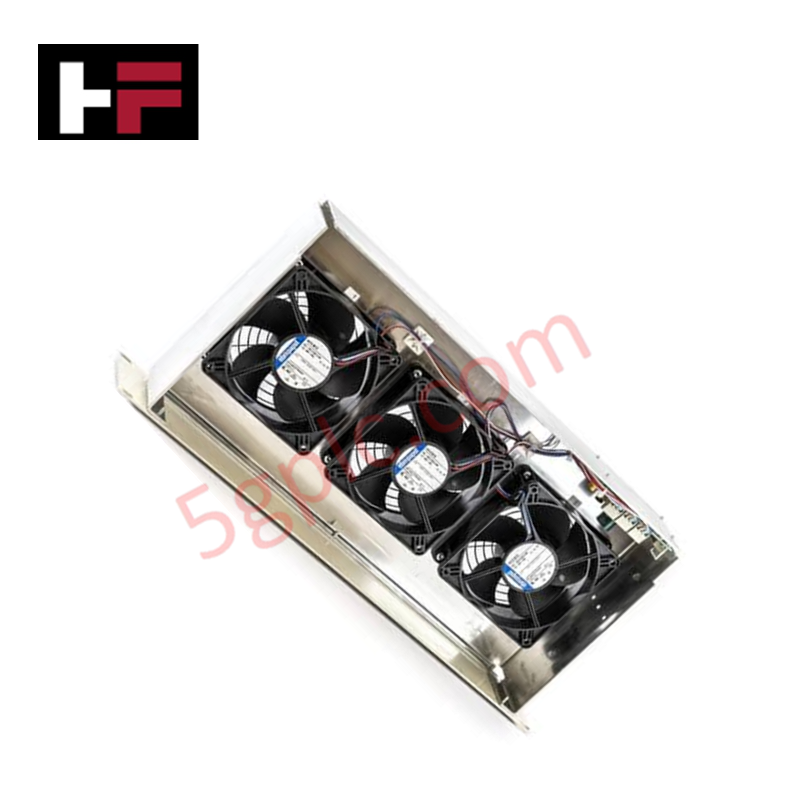
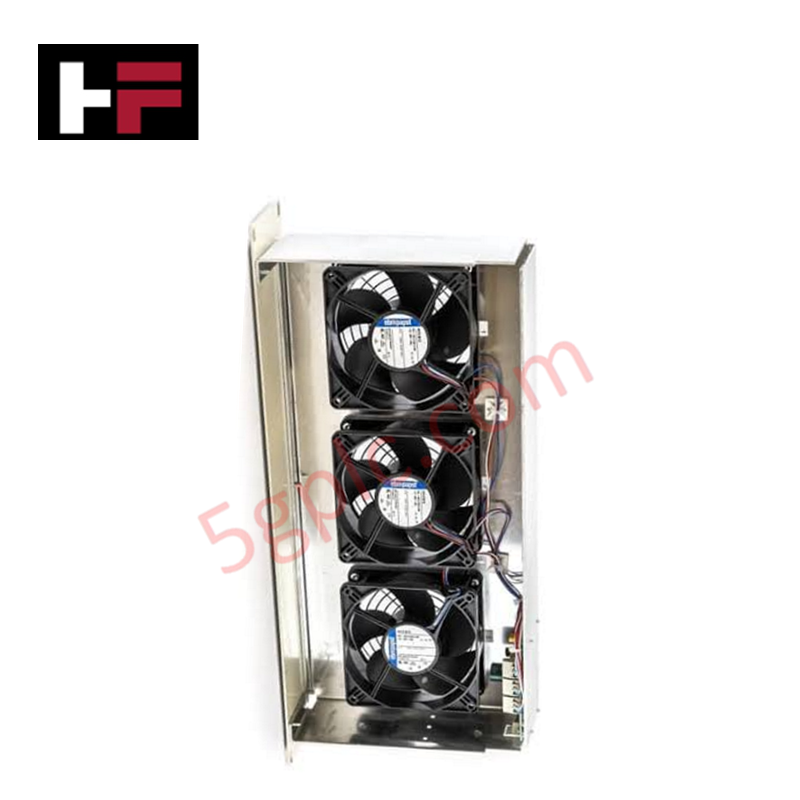
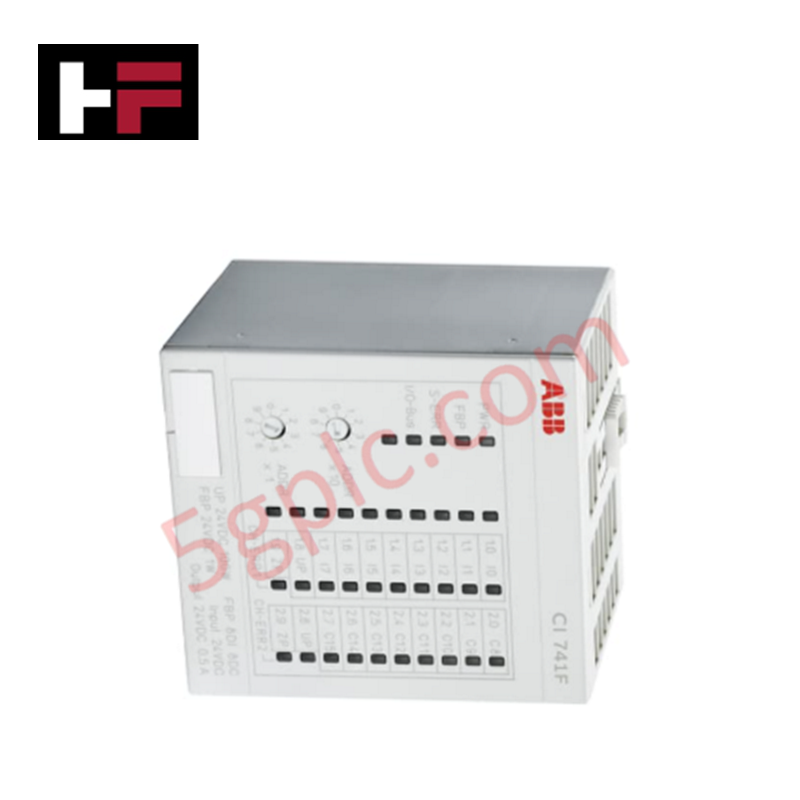
The ABB DSRC112 52820083-GD, also cataloged as the DSRC112 Communication Interface Module, operates as a dedicated hardware component for digital data routing within Advant OCS Master SW systems. The module establishes serial and proprietary communication interfaces between centralized processors and external networks over physical transmission lines.
Hardware Specifications
| Parameter | Specification |
|---|---|
| Model | DSRC112 |
| Brand | ABB |
| Origin | Sweden |
| Weight | 0.8 kg |
| Dimensions | 110 mm x 148 mm x 98 mm (W x H x D) |
| Operating Temp | -25 to +70 deg C |
| Power Consumption | Powered via 24 VDC typical supply rail |
| Communication Interfaces | RS-232, RS-485, ABB proprietary bus systems |
| Maximum Data Rate | Up to 500 kbps (configuration dependent) |
| Relative Humidity | 5% to 95% non-condensing |
Deterministic Networks & Firmware Compatibility
The module executes real-time serialization of data packets over Profinet / EtherNet/IP deterministic networks and legacy proprietary ABB field buses. Communication layer protocols are governed by backplane bus communication velocity licenses that compute localized transmission intervals. Hardware component mapping requires explicit firmware flash compatibility matching with MasterPiece 200 and 200/1 base system subracks to prevent variable register offsets during peak multi-channel I/O density scaling events.
Frequently Asked Questions
Q: Does the DSRC112 support hot-swapping under active communication loads?
A: No. Electrical extraction or insertion of the module while the 24 VDC supply rail or backplane bus is energized can result in data corruption, bus lock-ups, or physical degradation of the interface transceivers.
Q: How is the termination resistance managed for the integrated RS-485 interface?
A: Physical termination must be established externally on the terminal block junctions or via internal jumpers when configuring the module as an end-node device within the network topology.
Q: What action should be taken if a firmware flash compatibility fault is encountered?
A: The system loader must be cross-checked with the primary processor revision software block. Hardware variations between the system firmware and the interface module will prevent initialization of the serial communication registers.
Field Installation Guidelines
- Mount the enclosure unit securely within the subrack assembly, verifying that the backplane connector contacts are aligned prior to applying structural pressure.
- Lay all RS-232, RS-485, and proprietary communication cables in dedicated wire ways that maintain a minimum boundary space of 100 mm from power lines.
- Implement twisted-pair shielded cabling on all long-distance serial links with the copper shield braid terminated cleanly at a single-point reference ground.
- Maintain adequate physical clearance around the unit casing to allow convective thermal dissipation within the defined ambient operating limit of -25 to +70 deg C.
Additional Information
- 100% Genuine Parts: All products are original and authentic, ensuring reliable industrial performance.
- 30-Day Refund Guarantee: Return any in-stock item within 30 days in original, unopened packaging for a full refund (excluding shipping and fees).
- 12-Month Warranty: Covers defects in materials or workmanship; excludes misuse, normal wear, or unauthorized modifications.
- Worldwide Shipping: We ship via USPS, UPS, FedEx, and DHL. Delivery times vary by country and may be subject to customs or import fees.
- Support & Contact: Technical and warranty assistance is available anytime. Contact us here: Contact.
- Purchase Guidance: Check product specifications and compatibility carefully before ordering to ensure proper application.






Tech & Buying Guide

Mastering the Siemens PLC Scan Cycle: How the CPU Executes Automation Programs
Industrial automation relies heavily on programmable logic controllers (PLCs) to manage complex manufacturing processes. Many engineers dive straight into programming without mastering the underlying architecture. However, understanding how a PLC CPU executes a program ensures reliable system design. Therefore, mastering the scan cycle optimizes both performance and troubleshooting in modern control systems.

How to Connect to Siemens S7 PLCs: 5 Essential Communication Methods
Establishing a reliable hardware link between a programming terminal and a Siemens SIMATIC controller is essential for engineering workflows. Field engineers rely on distinct physical layers, ranging from legacy serial connections to high-speed Industrial Ethernet protocols. Modern factory automation environments prioritize fast data transfer and seamless driver integration. Selecting the correct connection method simplifies program downloads, online monitoring, and system troubleshooting in complex control systems.

Will PLCs Become Obsolete? The Future of Control Systems in Industry 4.0
Modern manufacturing is undergoing a rapid technological transformation driven by Industry 4.0 innovations. Technologies like Artificial Intelligence (AI), Machine Learning (ML), and the Industrial Internet of Things (IIoT) are dominating discussions across the factory automation sector. Consequently, many engineers wonder if these advanced digital tools will eventually replace traditional Programmable Logic Controllers (PLCs). However, evaluating the core physics of industrial operations reveals a very different reality for control systems.