










Product Details
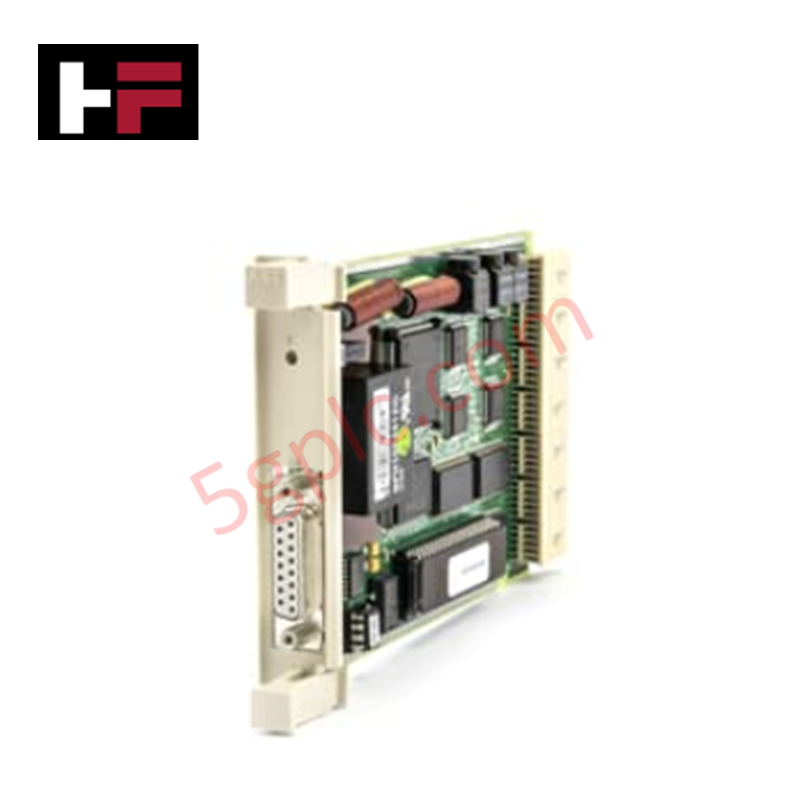
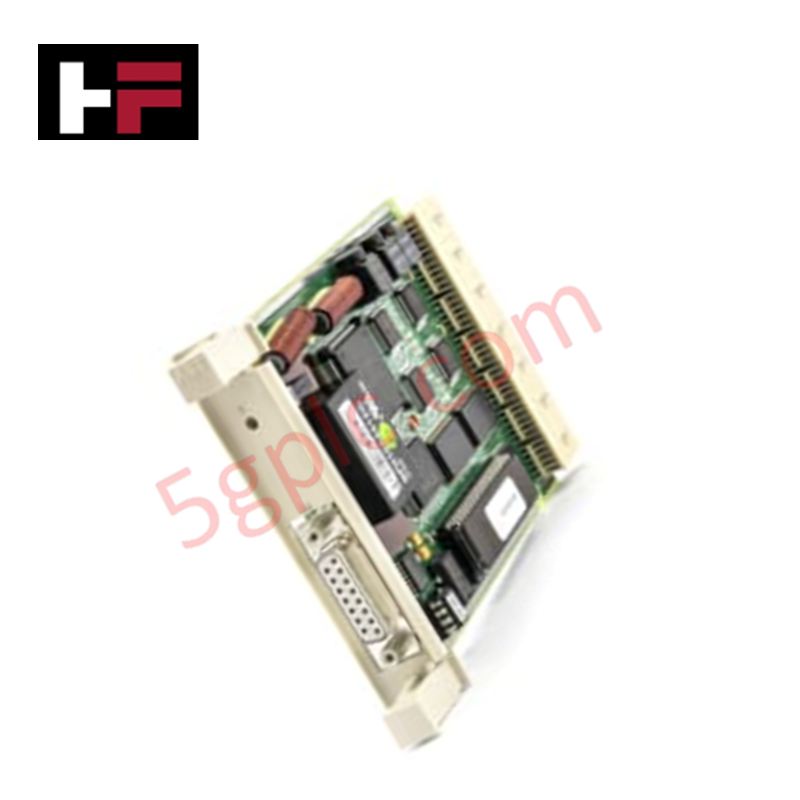
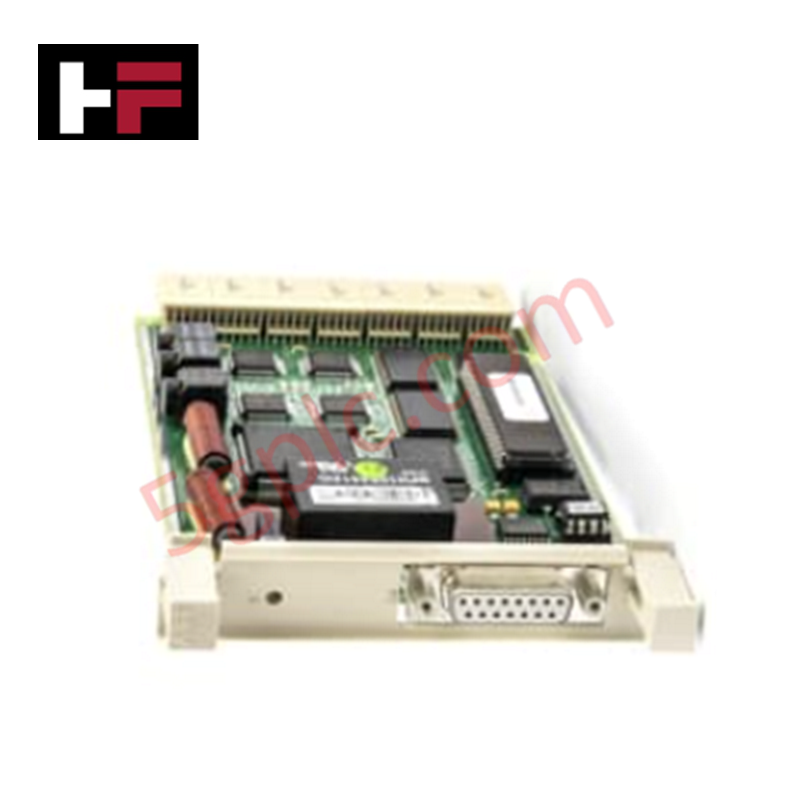
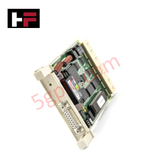
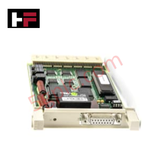
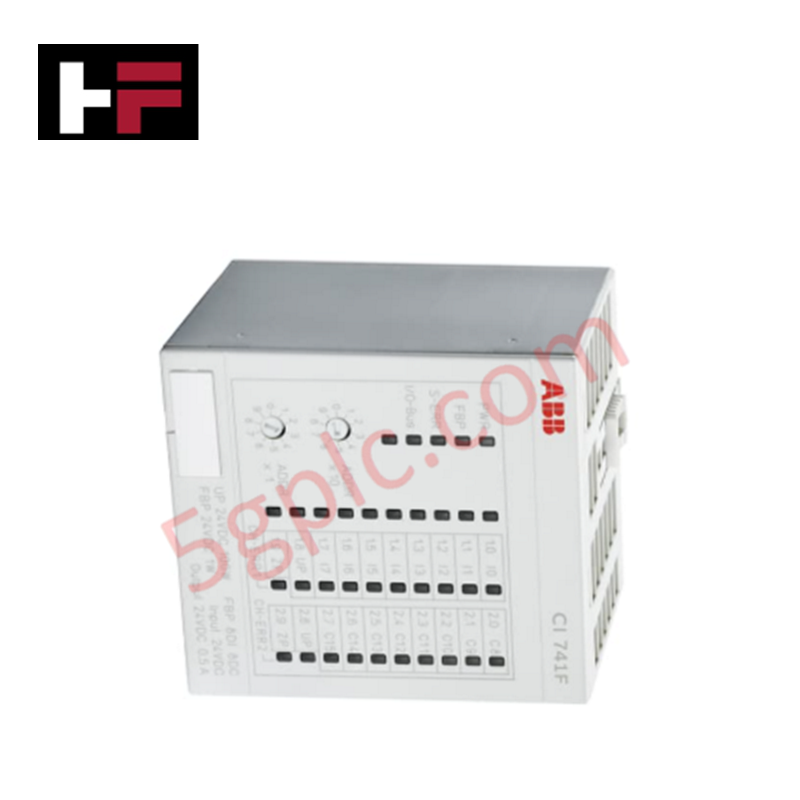
Configured for distributed control network interfacing in industrial automation structures, the ABB CS512 3BUR980009R1 (CS512 Communication Module) provides direct physical/electrical execution.
Hardware Specifications
| Parameter | Specification |
|---|---|
| Model | CS512 3BUR980009R1 |
| Brand | ABB |
| Origin | Sweden / Europe standard sourcing |
| Weight | 0.19 kg |
| Dimensions | 260 mm x 25 mm x 115 mm |
| Operating Temp | 0 to 60 deg C standard industrial operating spectrum |
| Power Consumption | Bus-powered via backplane matrix |
| Product Type | Communication Modules |
| Interface Protocol | Distributed Control Network (DCN) Protocol |
| Battery Count | 0 |
| RoHS Status | Not RoHS Compliant |
Profinet / EtherNet/IP Deterministic Networks
The ABB CS512 3BUR980009R1 links legacy data buses with modern industrial network backbones, managing protocol conversion matrices to map local registers into Profinet / EtherNet/IP deterministic networks. By synchronizing transmission frames directly with master clocks, the hardware eliminates propagation jitter during cyclic data updates. It ensures proper I/O density scaling routines remain unrestricted across extensive network drops while securing uniform firmware flash compatibility markers across concurrent processing slots to avoid timing dropouts under high bus loads.
Frequently Asked Questions
Q: How does the lack of onboard batteries affect volatile parameter storage during power cycle events?
A: The circuit operates with a battery count of zero, utilizing non-volatile solid-state logic cells to store operational parameters. Firmware configurations remain intact through extended unpowered states without requiring constant maintenance checks.
Q: What are the restrictions regarding hot-swapping this interface module while backplane bus traffic is active?
A: This communication card must be powered down before extraction or insertion. Pulling the module from a live backplane slot can induce electrical transients, interrupting backplane bus communication velocity and creating diagnostic errors for adjacent nodes.
Field Installation Guidelines
- Insert the module edge connectors directly into the designated sub-rack housing slot, using the top and bottom card guides to ensure physical alignment.
- Push firmly until the rear connector assembly latches with the active bus termination block on the system backplane.
- Tighten all front-panel retention fasteners to secure the unit within the 25 mm track boundaries and maintain ground continuity.
- Route all network data lines using shielded twisted-pair cables, bonding the overall shield to the industrial enclosure ground rail to prevent electromagnetic interference from skewing signal packets.
Additional Information
- 100% Genuine Parts: All products are original and authentic, ensuring reliable industrial performance.
- 30-Day Refund Guarantee: Return any in-stock item within 30 days in original, unopened packaging for a full refund (excluding shipping and fees).
- 12-Month Warranty: Covers defects in materials or workmanship; excludes misuse, normal wear, or unauthorized modifications.
- Worldwide Shipping: We ship via USPS, UPS, FedEx, and DHL. Delivery times vary by country and may be subject to customs or import fees.
- Support & Contact: Technical and warranty assistance is available anytime. Contact us here: Contact.
- Purchase Guidance: Check product specifications and compatibility carefully before ordering to ensure proper application.






Tech & Buying Guide

Demystifying CPU Communication Ports in Siemens PLC Architectures
Industrial automation relies heavily on robust data exchange between devices. Without seamless connectivity, field instruments, network switches, human-machine interfaces, and programmable logic controllers cannot coordinate effectively. Therefore, understanding the various CPU communication ports available in Siemens hardware ensures efficient factory automation design and seamless system integration.

Mastering the Siemens PLC Scan Cycle: How the CPU Executes Automation Programs
Industrial automation relies heavily on programmable logic controllers (PLCs) to manage complex manufacturing processes. Many engineers dive straight into programming without mastering the underlying architecture. However, understanding how a PLC CPU executes a program ensures reliable system design. Therefore, mastering the scan cycle optimizes both performance and troubleshooting in modern control systems.

How to Connect to Siemens S7 PLCs: 5 Essential Communication Methods
Establishing a reliable hardware link between a programming terminal and a Siemens SIMATIC controller is essential for engineering workflows. Field engineers rely on distinct physical layers, ranging from legacy serial connections to high-speed Industrial Ethernet protocols. Modern factory automation environments prioritize fast data transfer and seamless driver integration. Selecting the correct connection method simplifies program downloads, online monitoring, and system troubleshooting in complex control systems.