










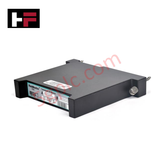
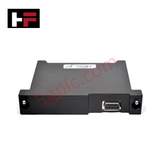
Product Details
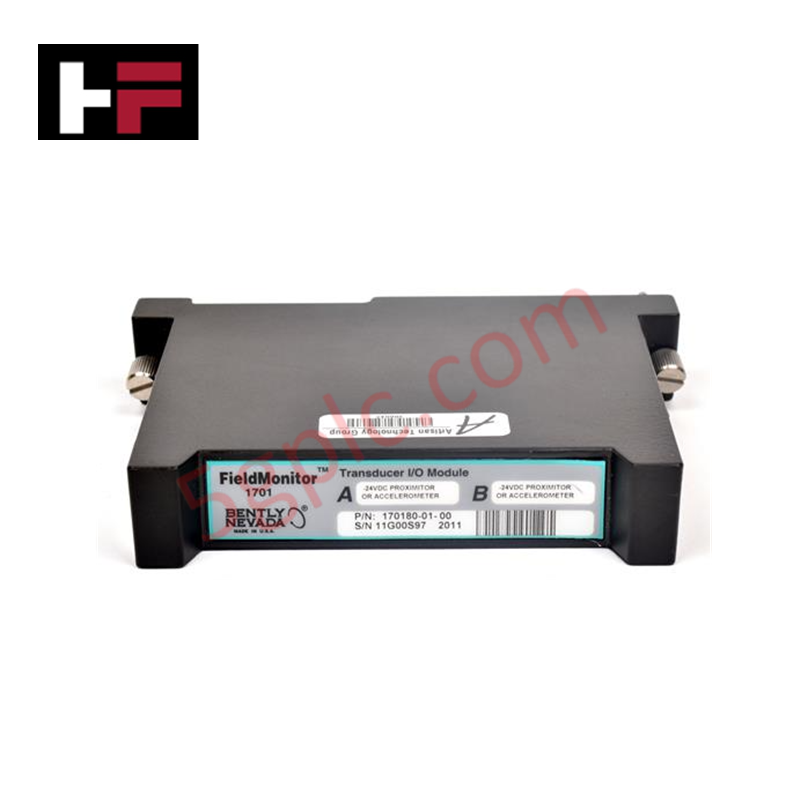
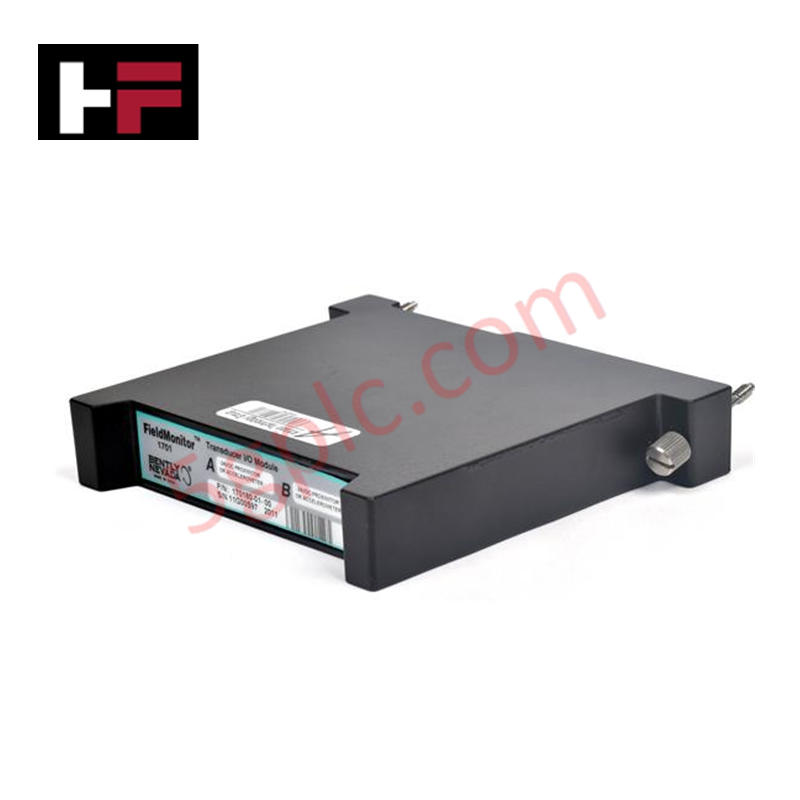
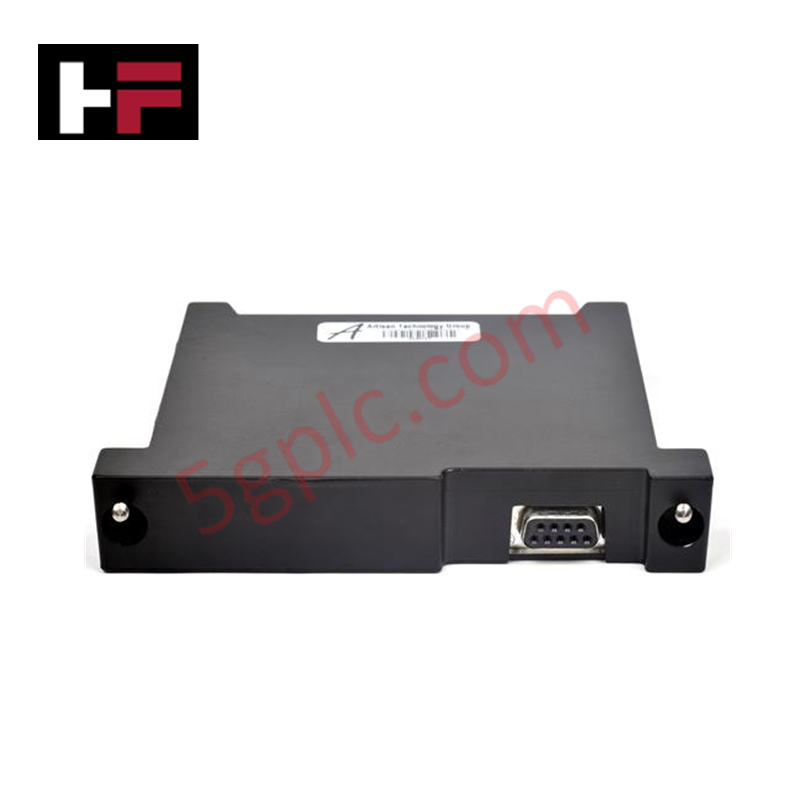
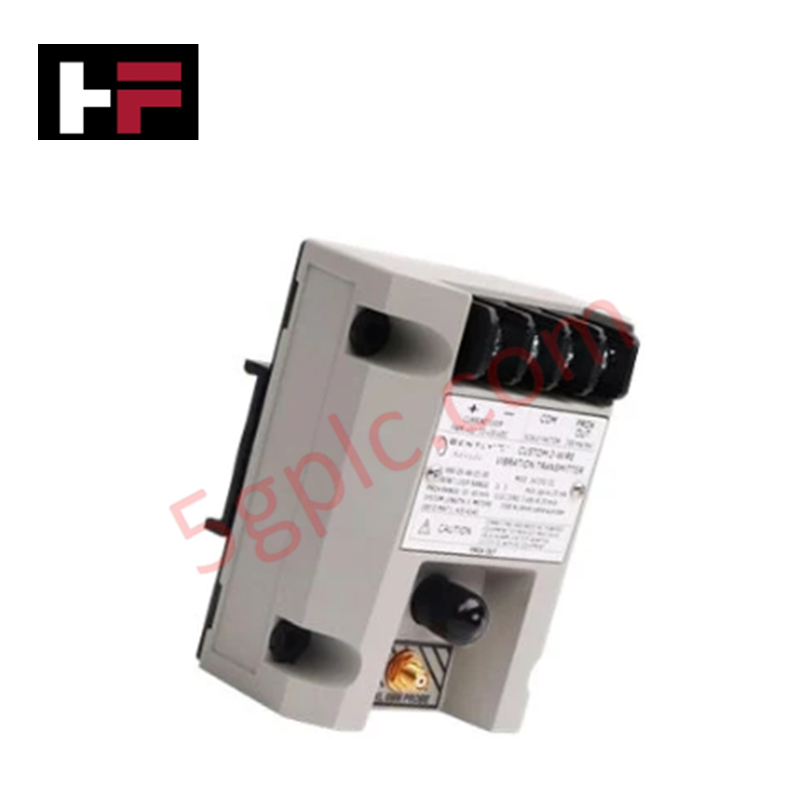
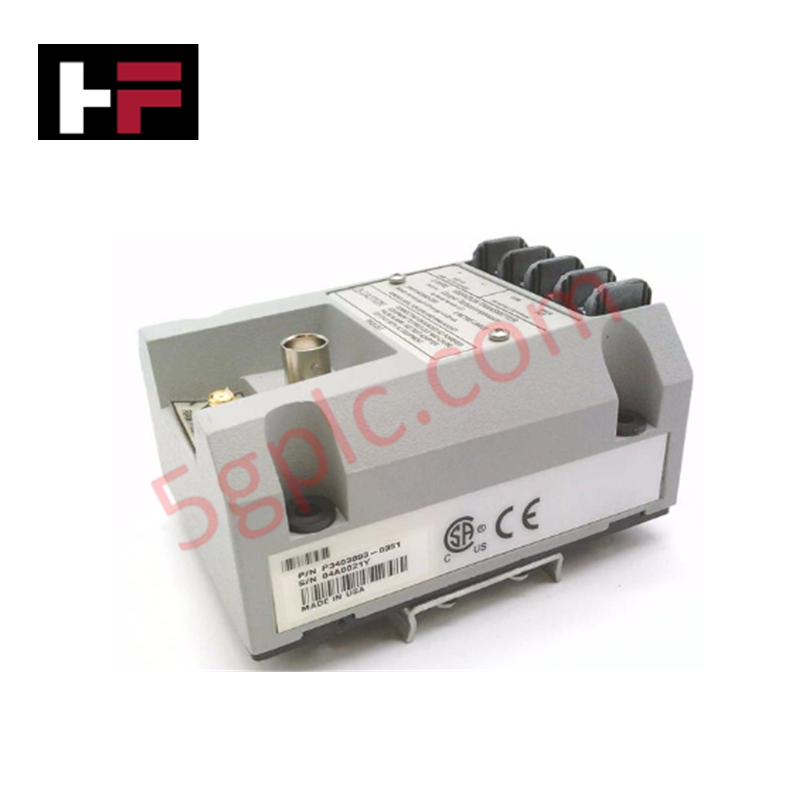
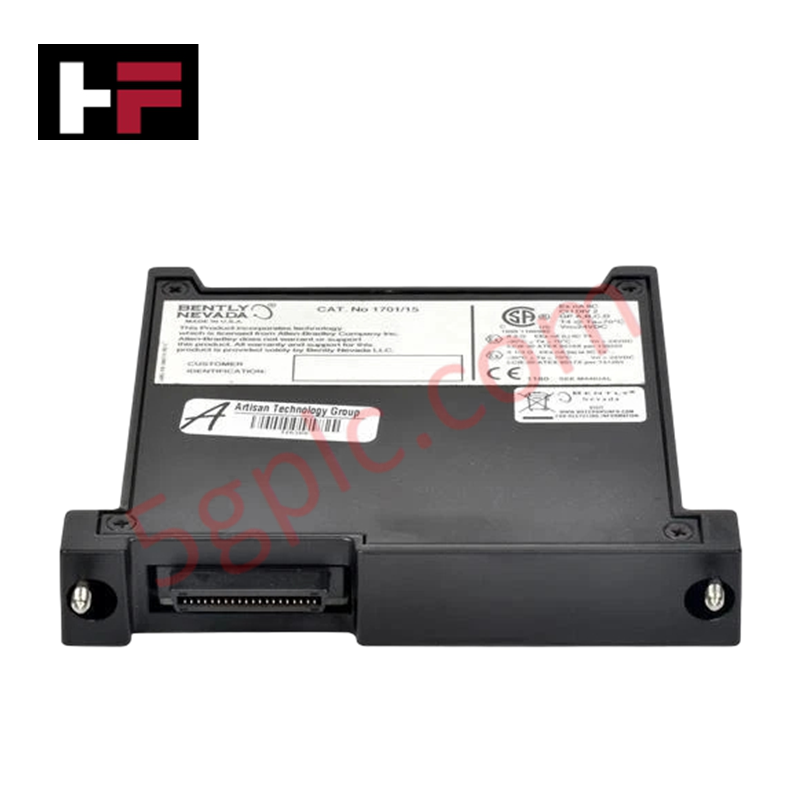
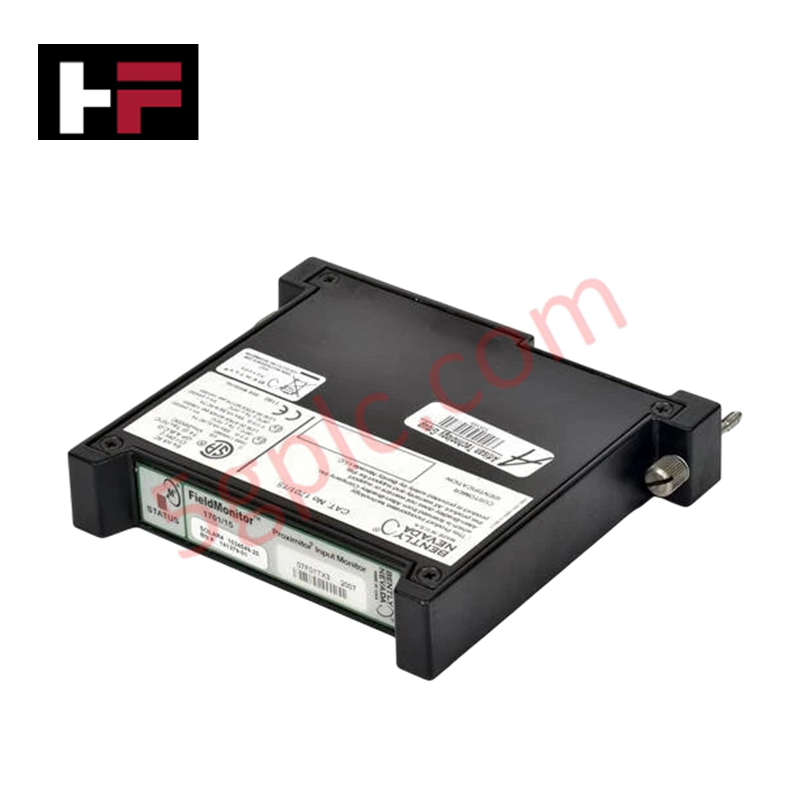
Configured for signal interfacing and transducer power distribution in FieldMonitor instrumentation platforms, the Bently Nevada 170180-01-00 (170180 External Transducer I/O Module) provides direct physical/electrical execution.
Suffix Breakdown & Model Matrix
| Option Field | Code | Configuration Detail |
|---|---|---|
| Core Assembly | 170180 | FieldMonitor External Transducer I/O Module base unit |
| Channel & Hardware Version | 01 | Standard 2-channel dynamic transducer interface configuration |
| Agency / Option Code | 00 | Standard uncertified configuration / baseline options |
Hardware Specifications
| Parameter | Specification |
|---|---|
| Model | 170180-01-00 |
| Brand | Bently Nevada |
| Origin | USA |
| Weight | 277 g (0.61 lbs) |
| Dimensions | Standard FieldMonitor external I/O footprint |
| Operating Temp | -34 deg C to +85 deg C (-30 deg F to +185 deg F) |
| Power Consumption | Current draw: 2.0 mA maximum (without transducer load) |
| Number of Channels | 2 independent channels |
| Input Signals | Channel A & B: -24 VDC Proximitor Sensor or Accelerometer |
| Frequency Response | -5% at greater than 25 kHz |
| Current Limit Setpoint | 33.6 mA minimum to 37.6 mA maximum at +25 deg C (+77 deg F) |
Eddy-Current Probe Scaling and Gap Voltage Validation
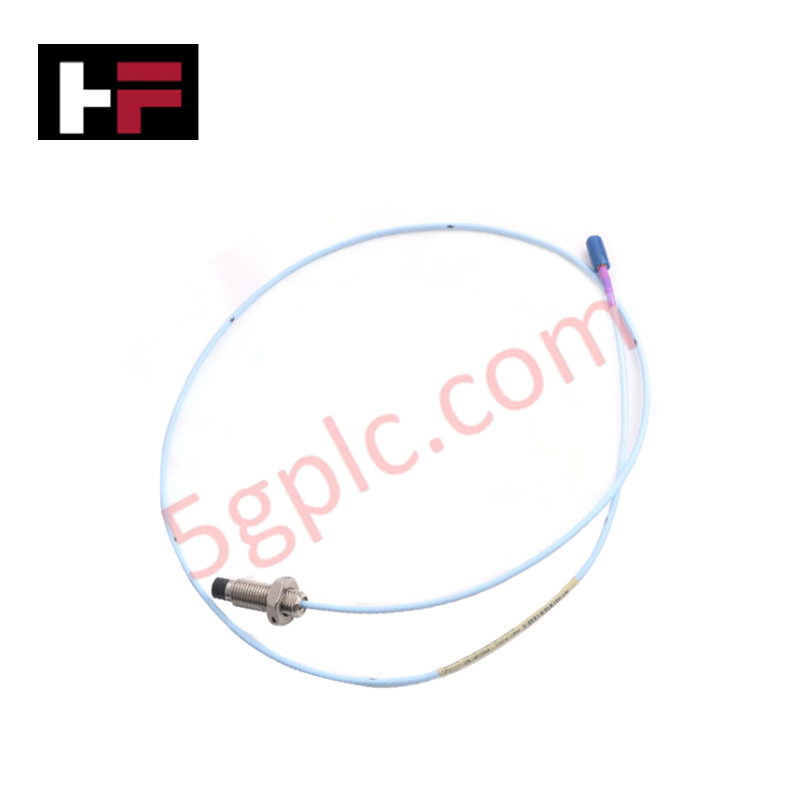
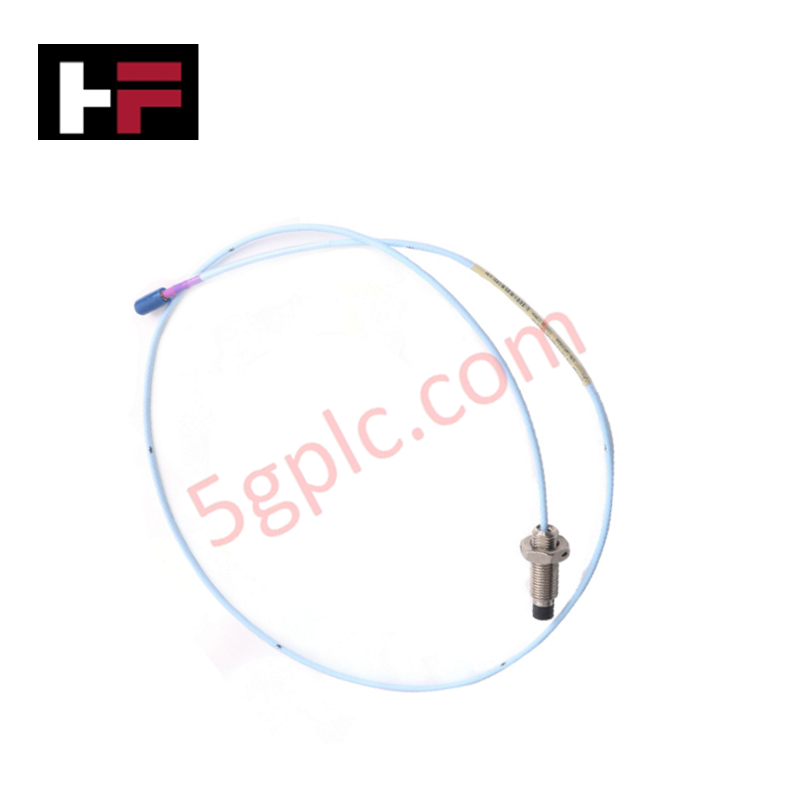
The 170180-01-00 conditions analog dynamic signals from eddy-current proximity probes and accelerometers across two distinct channels. Integrated signal path architecture provides precise eddy-current probe scaling for accurate shaft position and dynamic vibration feedback. During startup and routine diagnostics, DC gap voltage validation verifies proper transducer position within its linear range, ensuring that baseline bias voltage is maintained while executing high-frequency response up to 25 kHz with minimal harmonic distortion.
Frequently Asked Questions
Q: What input signals are supported by Channel A and Channel B on the 170180-01-00?
A: Both channels support -24 VDC Proximitor Sensor inputs or piezoelectric accelerometers configured for dynamic vibration and position measurements.
Q: How does the current limit setpoint protect the module from field wiring faults?
A: The internal current limiting circuitry bounds transducer loop supply current between 33.6 mA and 37.6 mA at +25 deg C (+77 deg F) to suppress damage caused by shorted signal leads or cable faults.
Field Installation Guidelines
- Ensure power to the target FieldMonitor system is turned off prior to mounting or wiring the I/O module.
- Secure the 170180-01-00 chassis to the designated mounting plate using appropriate hardware.
- Wire Channel A and Channel B -24 VDC Proximitor or accelerometer leads to the assigned screw terminal connections.
- Terminate signal cable drain wires at the local system ground bar using a single-point connection strategy to avoid ground loop noise coupling.
- Verify that operating temperatures remain within -34 deg C to +85 deg C during field service.
Additional Information
- 100% Genuine Parts: All products are original and authentic, ensuring reliable industrial performance.
- 30-Day Refund Guarantee: Return any in-stock item within 30 days in original, unopened packaging for a full refund (excluding shipping and fees).
- 12-Month Warranty: Covers defects in materials or workmanship; excludes misuse, normal wear, or unauthorized modifications.
- Worldwide Shipping: We ship via USPS, UPS, FedEx, and DHL. Delivery times vary by country and may be subject to customs or import fees.
- Support & Contact: Technical and warranty assistance is available anytime. Contact us here: Contact.
- Purchase Guidance: Check product specifications and compatibility carefully before ordering to ensure proper application.


Tech & Buying Guide

Step-by-Step System Cabinet Health Check Guide for PLC and DCS Infrastructure

Top 5 Operational Advantages of HMIs in Modern Factory Automation
