










Product Details
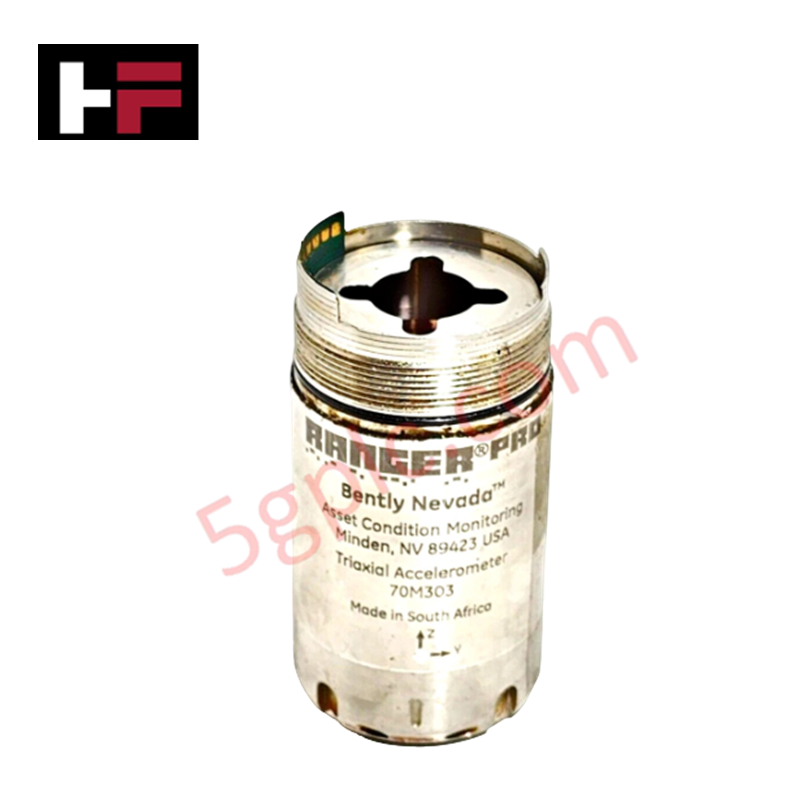
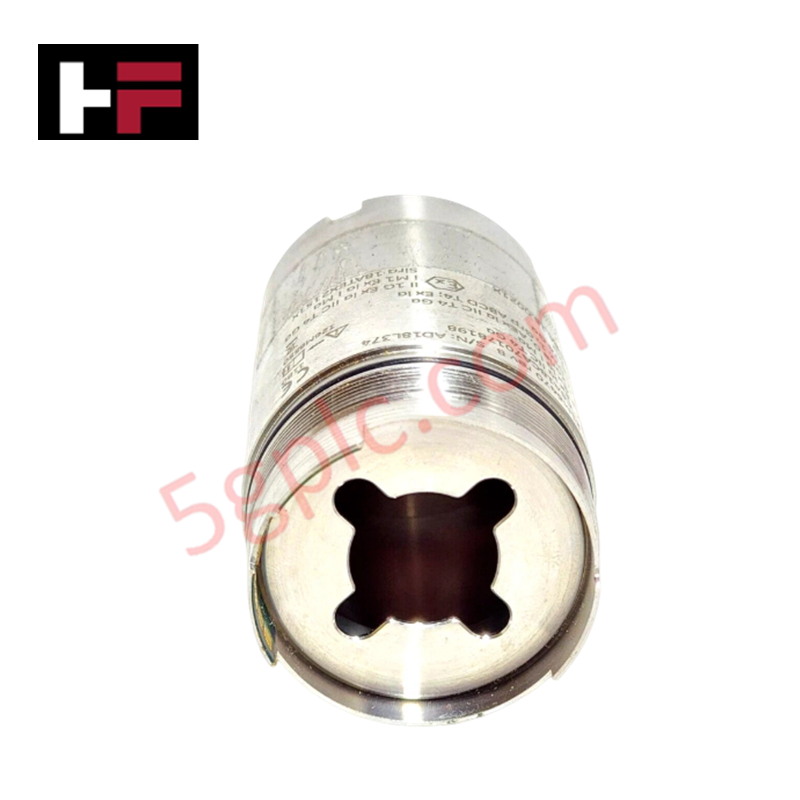
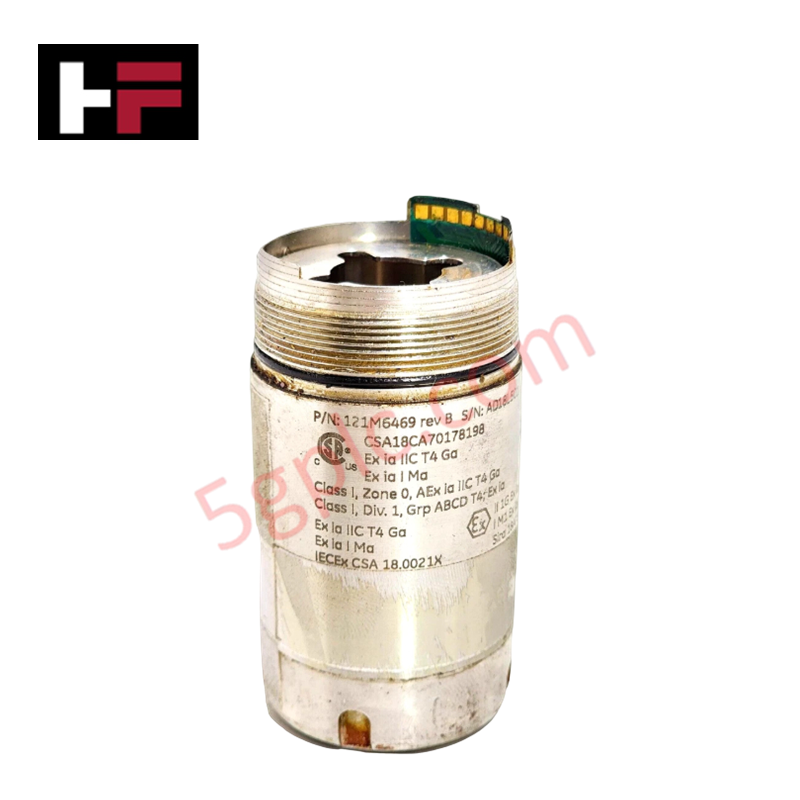
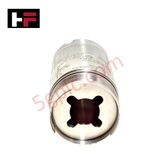
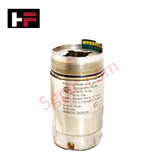
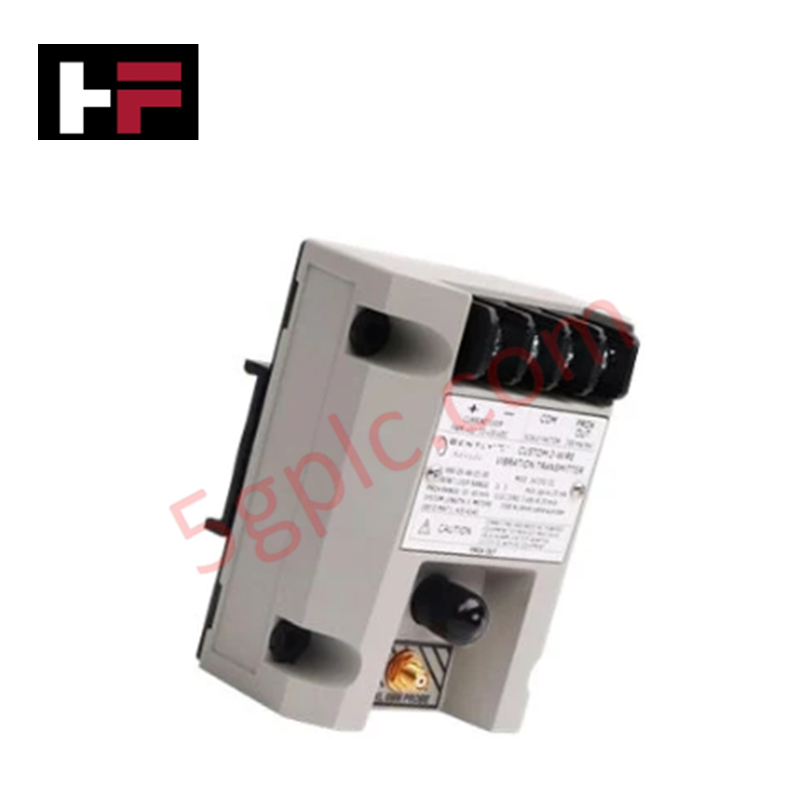
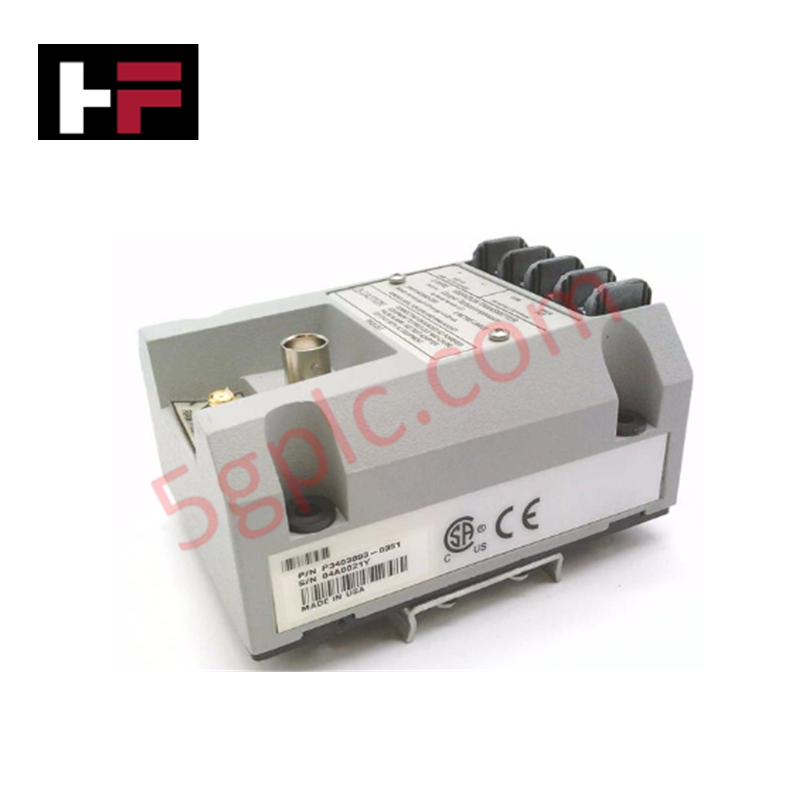
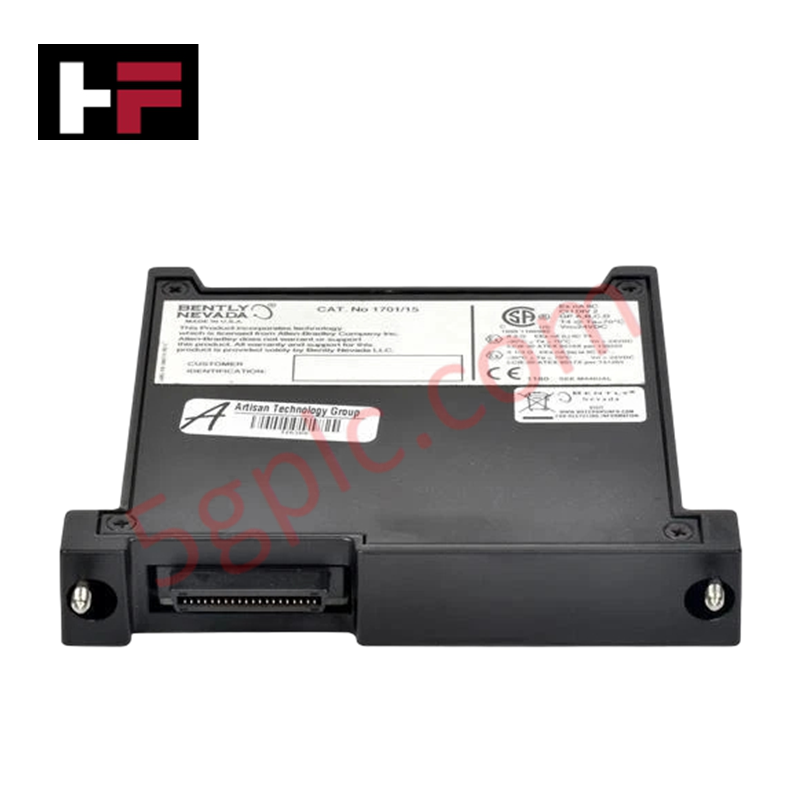
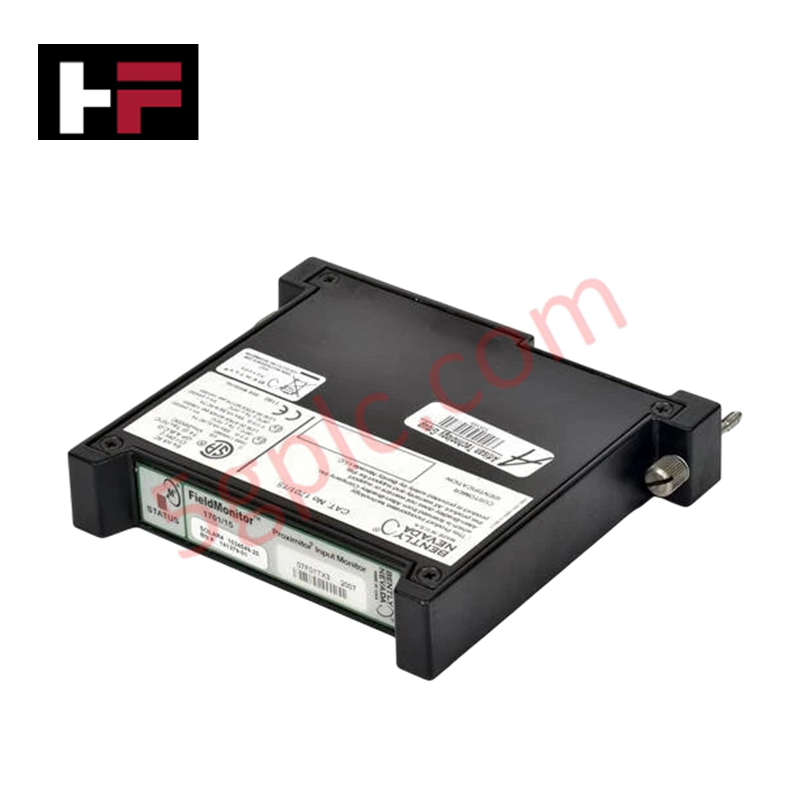
Configured for triaxial vibration and surface temperature acquisition within Ranger Pro wireless condition monitoring networks, the Bently Nevada 70M303 (70M303 Triaxial Accelerometer) provides direct physical/electrical execution. It acquires 3-axis acceleration and integral thermal metrics, processing dynamic high-frequency signals for wireless transmission to plant host infrastructure.
Hardware Specifications
| Parameter | Specification |
|---|---|
| Model | 70M303 (Part Number: 121M6469) |
| Brand | Bently Nevada |
| Origin | USA |
| Weight | 230 g (without battery); 300 g (with battery) |
| Dimensions | Height: 88 mm; Diameter: 40 mm |
| Operating Temp | -40 deg C to +125 deg C |
| Power Consumption | 30 uA to 30 mA (mode dependent) |
| Acceleration Range | +-1g to +-20g |
| Frequency Range | 0.1 Hz to 20 kHz |
| Wireless Range | Up to 150 m (line of sight) |
| Data Transfer Rate | Up to 100 kbps |
| Housing Material | 316 stainless steel body with glass-reinforced PPS top |
| Mounting Thread | M6 x 1 mm internal thread (5 mm depth) |
Eddy-Current Probe Scaling and Rotor Dynamics Integration
While proximity transducers depend on eddy-current probe scaling and strict gap voltage validation (-10 VDC targets) for relative shaft position, the Bently Nevada 70M303 captures absolute casing vibration across three orthogonal axes. These acceleration vectors are processed through internal digitizers to complement proximity readings during rotor dynamics analysis. Integrating high-frequency triaxial surface data (up to 20 kHz) with low-frequency proximity telemetry ensures high cross-talk suppression and full fault isolation across both housing structures and rotating shafts.
Frequently Asked Questions
Q: How is the physical interface attached during field deployment of the 70M303 transducer?
A: The base features an integral M6 x 1 mm internal thread (5 mm depth) designed for direct mounting onto rigid, tapped stud locations on bearing housings.
Q: What impact does operating mode have on the current draw of the 70M303 module?
A: Current consumption varies dynamically between 30 uA in low-power sleep states and 30 mA during active measurement acquisition and wireless data transmission cycles.
Q: Can the 70M303 survive high impact or harsh vibration environments during operation?
A: The sensor features a shock resistance rating capable of surviving a 0.5-meter drop onto concrete, a continuous vibration limit of 20g peak, and a 316 stainless steel enclosure rating for hazardous area use.
Field Installation Guidelines
- Prepare a flat, smooth mounting surface on the bearing housing and secure the sensor via its internal M6 x 1 mm thread, torquing to proper mechanical specification.
- Ensure direct metal-to-metal base contact without excess thread compound to maintain frequency response accuracy up to 20 kHz.
- Verify unobstructed line-of-sight orientation toward the wireless gateway to optimize the transmission range up to 150 meters.
- Inspect the glass-reinforced PPS top cover and stainless steel housing seals prior to installation in hazardous or outdoor environments up to 3,000 meters altitude.
Additional Information
- 100% Genuine Parts: All products are original and authentic, ensuring reliable industrial performance.
- 30-Day Refund Guarantee: Return any in-stock item within 30 days in original, unopened packaging for a full refund (excluding shipping and fees).
- 12-Month Warranty: Covers defects in materials or workmanship; excludes misuse, normal wear, or unauthorized modifications.
- Worldwide Shipping: We ship via USPS, UPS, FedEx, and DHL. Delivery times vary by country and may be subject to customs or import fees.
- Support & Contact: Technical and warranty assistance is available anytime. Contact us here: Contact.
- Purchase Guidance: Check product specifications and compatibility carefully before ordering to ensure proper application.


Tech & Buying Guide

Understanding Modern SCADA Systems: Architecture, Communication Topologies, and Industrial Applications
Supervisory Control and Data Acquisition (SCADA) systems form the digital backbone of modern industrial automation. They collect critical field data, transmit signals across vast distances, and empower plant operators with real-time process visibility. Across modern infrastructures, SCADA solutions streamline centralized control and maintain continuous operational uptime.

Understanding OPC Servers in Modern Industrial Automation: Principles, Architecture, and Applications
In industrial automation, connecting physical hardware with high-level software remains a primary operational challenge. Factories utilize programmable logic controllers (PLCs), distributed control systems (DCS), human-machine interfaces (HMIs), and smart sensors from diverse vendors. These devices often speak different proprietary protocols. Open Platform Communications (OPC) servers solve this interoperability challenge by standardizing how data flows across factory networks.

Industrial Fiber Optic Cables: Principles, Connectors, and Fusion Splicing Techniques
Modern factory automation relies heavily on fiber optic cables for high-speed industrial data transmission. Fiber optic cables transmit light pulses instead of electrical signals, eliminating electromagnetic interference (EMI) risks completely. Each optical strand consists of a high-purity glass core surrounded by a protective cladding layer. The difference in refractive index between core and cladding enables total internal reflection. Protective resin buffers, Kevlar strength members, and rugged outer jackets safeguard delicate glass cores in harsh environments. Consequently, automation engineers prefer fiber backbones for reliable noise-free communication in industrial control systems.