











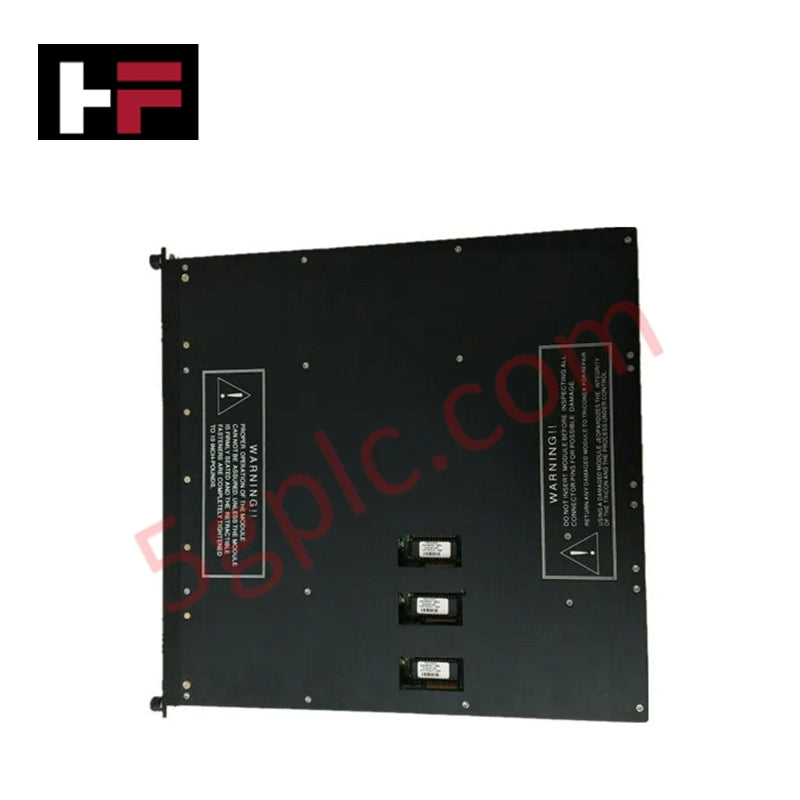
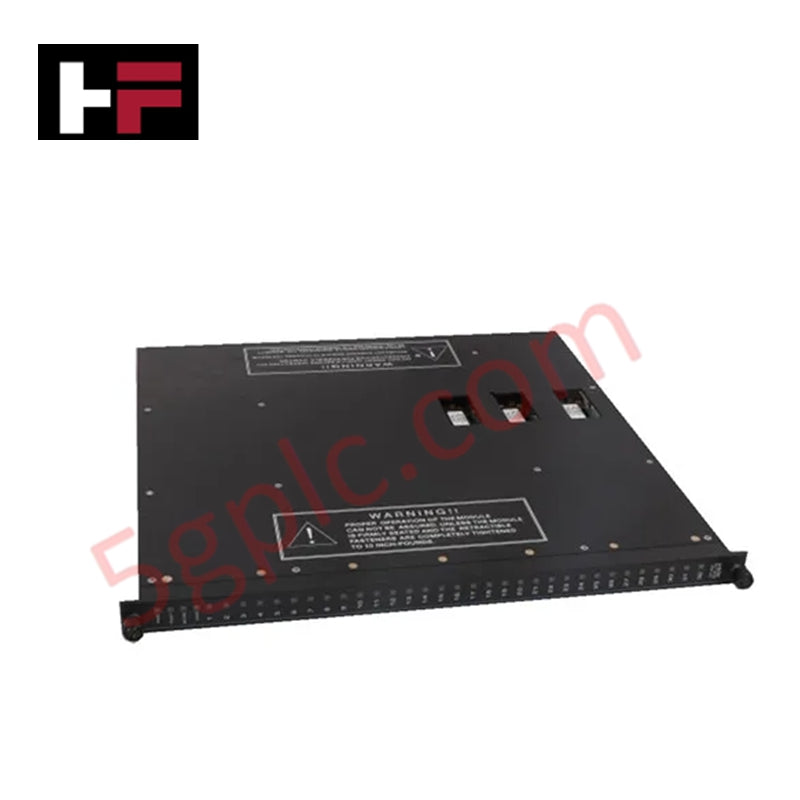
Product Details
Product Overview
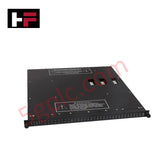
The Triconex AP3101 serves as the primary computational engine for the Tricon Triple Modular Redundancy (TMR) safety system. This high-performance Main Processor module executes the user’s control applications, manages complex I/O signal processing, and maintains system synchronization across triplicated channels. By utilizing dual 32-bit Motorola PowerPC architecture, it provides the deterministic execution required for SIL-3 safety loops in oil, gas, and power generation facilities. We supply this module as 100% Brand New and Original factory-sealed equipment.
Technical Specifications
| Component / Feature | Specification Details |
| Application Processor (SX) | Motorola MPC860, 32-bit, 50 MHz |
| I/O Processor (IOx) | Motorola MPC860, 32-bit, 50 MHz |
| Flash PROM | 6 MB (CRC-protected storage) |
| DRAM (SX & IOx) | 16 MB each (with byte parity) |
| NVRAM | 8 KB (CRC-protected variables) |
| Shared Memory | 128 KB (Byte parity enabled) |
| Diagnostic Bus | 2 Mbps HDLC |
| Nominal Input Voltage | 24 VDC |
| Operational Range | 19.2 VDC to 30.0 VDC |
| Power Consumption | 8 Watts (Maximum) |
| Weight | 1.5 kg |
Engineering Advantages
-
Dual-Processor Dedicated Architecture: The AP3101 separates application logic from I/O management by utilizing independent SX and IOx Motorola MPC860 processors. This division of labor prevents I/O communication overhead from delaying critical safety logic execution, ensuring consistent 50 MHz processing speeds even during high-density I/O traffic.
-
Triple-Layer Data Protection: The module employs Cyclic Redundancy Checks (CRC) for Flash and NVRAM, combined with byte parity for DRAM. This multi-layered approach identifies memory corruption immediately, preventing the execution of faulty logic that could lead to catastrophic process failure.
-
Deterministic Diagnostic Bus: A dedicated 2 Mbps HDLC diagnostic bus transfers I/O module health information between Main Processor channels. This isolated pathway allows the TMR system to synchronize fault data across all three MPs without consuming primary application bandwidth.
-
Robust Power Regulation: The logic circuitry operates across a wide 24 VDC range (-15% to +20%) and tolerates up to 5% AC ripple. This electrical resilience allows the AP3101 to maintain stability during industrial power fluctuations or when operating near heavy electrical machinery.
FAQs
-
How does the AP3101 maintain safety if one processor fails?
The AP3101 functions within the Tricon TMR framework. If the internal diagnostics detect a failure in one channel's processor, the remaining two Main Processors continue to execute the logic and out-vote the faulty unit. This 2-out-of-3 (2oo3) voting mechanism ensures uninterrupted safety control.
-
What is the significance of the 6 MB Flash PROM?
The Flash PROM stores the SX, IOx, and control application logic. Its CRC protection ensures that the software remains uncorrupted during long-term storage or under high-interference conditions, guaranteeing that the processor always boots to a valid safety state.
-
Does this module support hot-swapping?
Yes. You can replace an AP3101 module while the Tricon system remains energized and the other two Main Processors are controlling the process. The new module automatically synchronizes its memory and logic state with the active processors upon insertion.
Additional Information
- 100% Genuine Parts: All products are original and authentic, ensuring reliable industrial performance.
- 30-Day Refund Guarantee: Return any in-stock item within 30 days in original, unopened packaging for a full refund (excluding shipping and fees).
- 12-Month Warranty: Covers defects in materials or workmanship; excludes misuse, normal wear, or unauthorized modifications.
- Worldwide Shipping: We ship via USPS, UPS, FedEx, and DHL. Delivery times vary by country and may be subject to customs or import fees.
- Support & Contact: Technical and warranty assistance is available anytime. Contact us here: Contact.
- Purchase Guidance: Check product specifications and compatibility carefully before ordering to ensure proper application.


Tech & Buying Guide

Essential Best Practices for PLC Wiring and Installation in Industrial Automation
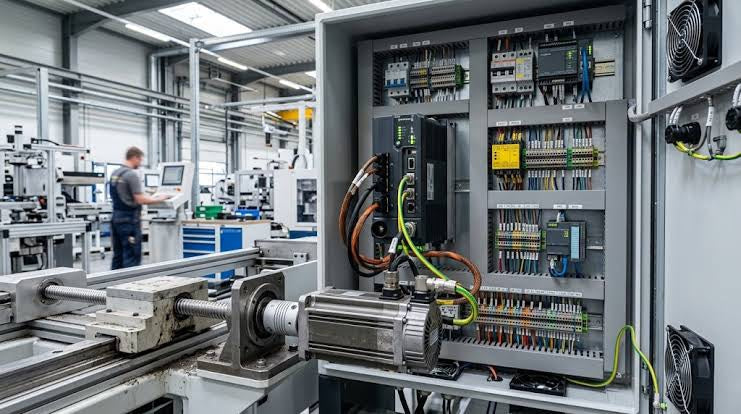
Successful control system deployment begins with thoroughly reviewing manufacturer technical documentation. Controllers from major brands like Allen-Bradley, Siemens, and Schneider Electric feature unique terminal layouts. Engineers must verify voltage requirements before connecting power cables to prevent catastrophic equipment damage. Standard line connections require strict adherence to regional electrical codes and proper wire color coding. Furthermore, panel builders should always establish a robust low-impedance ground connection using at least 16-AWG copper conductor tied directly to the main plant grounding grid.
Demystifying Programmable Logic Controllers: Comprehensive Guide to PLC Classification and Selection in Industrial Automation
Modern industrial automation heavily relies on Programmable Logic Controllers (PLCs) to drive factory floor efficiency. Over my 15 years as an industrial automation expert working with DCS, TSI, and control systems, I have seen PLCs evolve into the central nervous system of modern manufacturing. Selecting the right controller requires a deep understanding of PLC types based on physical size, hardware architecture, and power supply configurations.

Comprehensive Guide to PLC Types in Modern Industrial Automation
Modern industrial automation relies on programmable logic controllers to govern critical factory operations. System integrators classify PLCs based on scale, hardware architecture, and power supply design. Understanding these core categories enables automation engineers to select the right control system architecture. Consequently, proper hardware selection optimizes performance while minimizing long-term operational costs.