










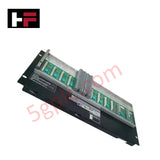
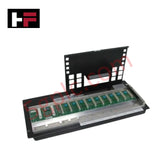
Product Details
Product Overview
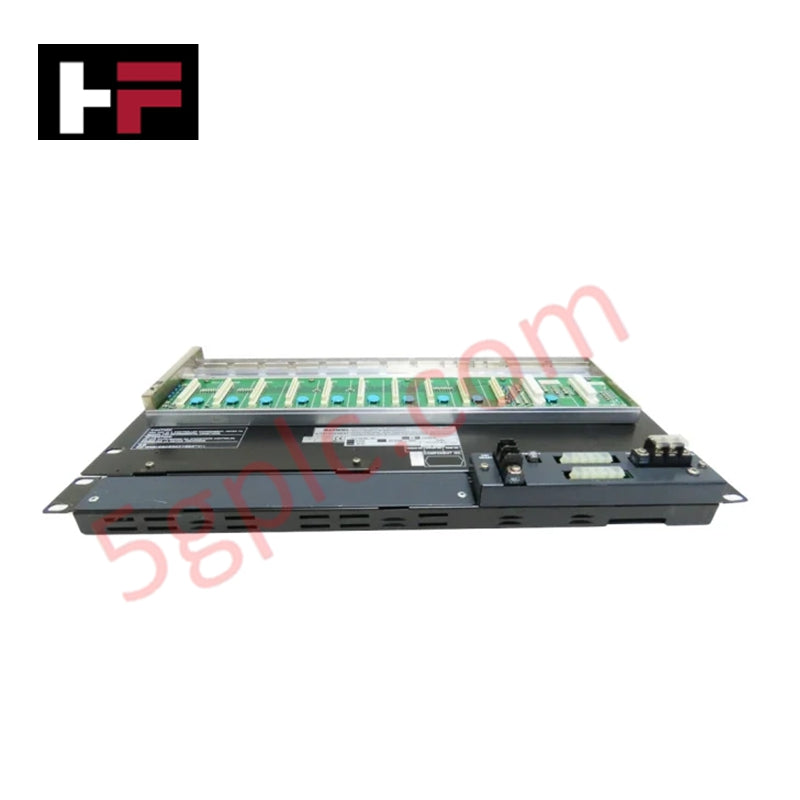
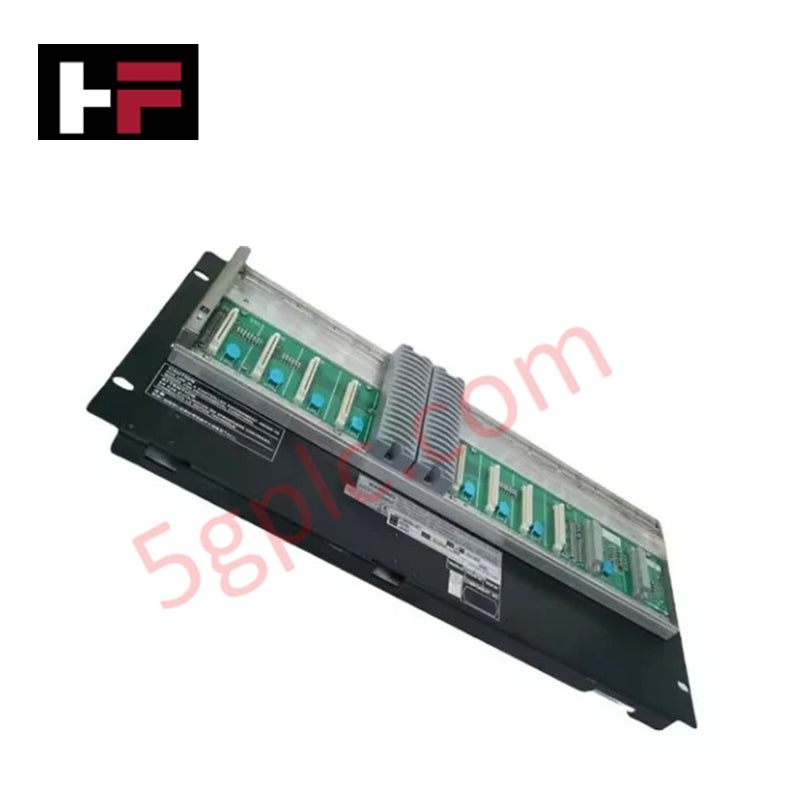
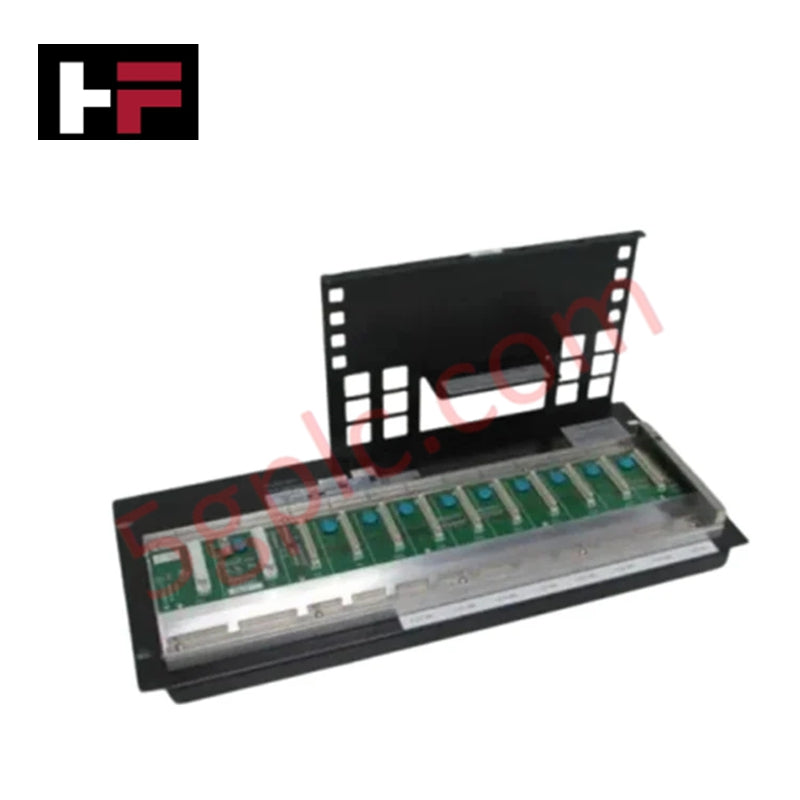
The Yokogawa ANB10D-421 functions as a high-availability Node Interface Unit (NIU) designed for the CENTUM VP Distributed Control System. This module bridges field I/O signals with the Field Control Unit (FCU) through a Dual-redundant ESB bus architecture. It provides the physical infrastructure to house and power up to 8 FIO modules, ensuring continuous data synchronization between the process floor and the control room.
Condition: 100% Brand New and Original Factory Sealed.
Part Number Breakdown: ANB10D-421
Yokogawa utilizes a structured suffix system to define the electrical and mounting specifications for the ANB10D series:
-
ANB10D: Duplicated Node Interface Unit (for FIO).
-
-4: Dual-redundant 100-120 V AC Power Supply.
-
2: 19-inch Rack-mount type with insulation bushing.
-
1: Standard hardware revision for optimized signal processing.
-
CU2N/NDEL: Specialized variant codes for specific communication connector types and regional labeling standards.
Technical Specifications
The ANB10D-421 provides the following technical parameters for system integration:
-
Bus Type: Dual-redundant ESB bus
-
I/O Capacity: Supports up to 8 FIO modules (Analog/Digital mix)
-
Power Supply: 100-120 V AC @ 50/60 Hz (Redundant)
-
Power Consumption: 200 VA / 120 W (at 100-120 V AC)
-
Dimensions: 90 x 120 x 60 mm
-
Weight: 0.7 kg
-
Operating Temperature: -20°C to +60°C
-
Storage Temperature: -40°C to +70°C
-
Mounting: 19-inch rack (M5 x 4 screws with insulation bush)
-
Country of Origin: Japan
Engineering Advantages
-
Zero-Downtime Redundancy: The unit utilizes a dual-redundant ESB bus path. If one communication cable fails, the secondary bus maintains full data flow instantly, preventing process upsets.
-
Noise Immunity: The inclusion of insulation bushings for the M5 mounting screws electrically isolates the unit from the rack frame. This prevents ground loops and electromagnetic interference from corrupting sensitive 4-20 mA or 0-10 V analog signals.
-
Harsh Environment Resilience: Unlike standard commercial hardware, the ANB10D-421 operates reliably down to -20°C. This allows for installation in remote instrument enclosures or unconditioned field cabinets.
-
Compact Footprint: The 90 x 120 x 60 mm dimensions maximize rack density. Engineers can pack more I/O points into a standard 19-inch cabinet, reducing the overall footprint of the DCS control room.
FAQs
-
Can the ANB10D-421 operate on 220V AC power?
The suffix "-4" indicates a 100-120 V AC rating. While Yokogawa offers 220-240 V AC versions within the same series, you must verify your specific site voltage before applying power to a "-4" designated unit.
-
What is the purpose of the insulation bush during installation?
The insulation bush prevents direct electrical contact between the unit's chassis and the rack frame. This isolation is critical for maintaining E-E-A-T compliant signal accuracy and protecting the module from cabinet-level electrical faults.
-
Is the unit compatible with older CENTUM CS 3000 systems?
Yes, the ANB10D series maintains backward compatibility with legacy FIO architectures, allowing for seamless modernizations and node expansions.
Additional Information
- 100% Genuine Parts: All products are original and authentic, ensuring reliable industrial performance.
- 30-Day Refund Guarantee: Return any in-stock item within 30 days in original, unopened packaging for a full refund (excluding shipping and fees).
- 12-Month Warranty: Covers defects in materials or workmanship; excludes misuse, normal wear, or unauthorized modifications.
- Worldwide Shipping: We ship via USPS, UPS, FedEx, and DHL. Delivery times vary by country and may be subject to customs or import fees.
- Support & Contact: Technical and warranty assistance is available anytime. Contact us here: Contact.
- Purchase Guidance: Check product specifications and compatibility carefully before ordering to ensure proper application.


Tech & Buying Guide
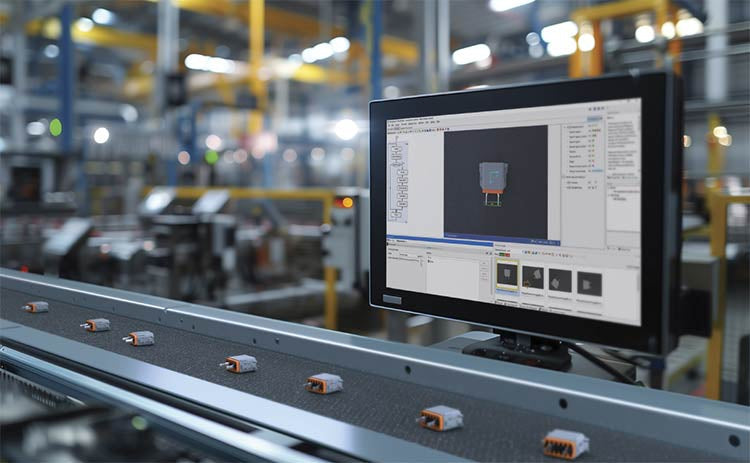
Modern Industrial Automation: Transforming Safety and Efficiency in Mining Operations
Industrial automation has evolved from a simple manufacturing tool into the operational backbone of high-risk sectors. Modern mining operations increasingly rely on advanced control systems, programmable logic controllers (PLCs), distributed control systems (DCS), and artificial intelligence to address deep-underground hazards. By replacing manual labor in high-risk zones, factory automation technologies protect personnel while significantly boosting operational throughput.

Step-by-Step System Cabinet Health Check Guide for PLC and DCS Infrastructure
