










Product Details
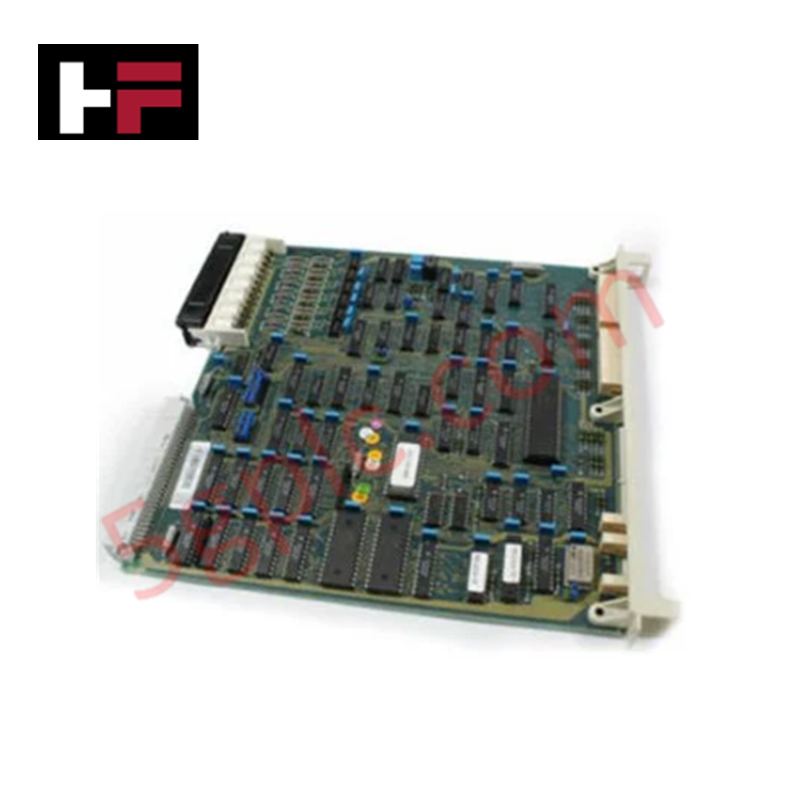
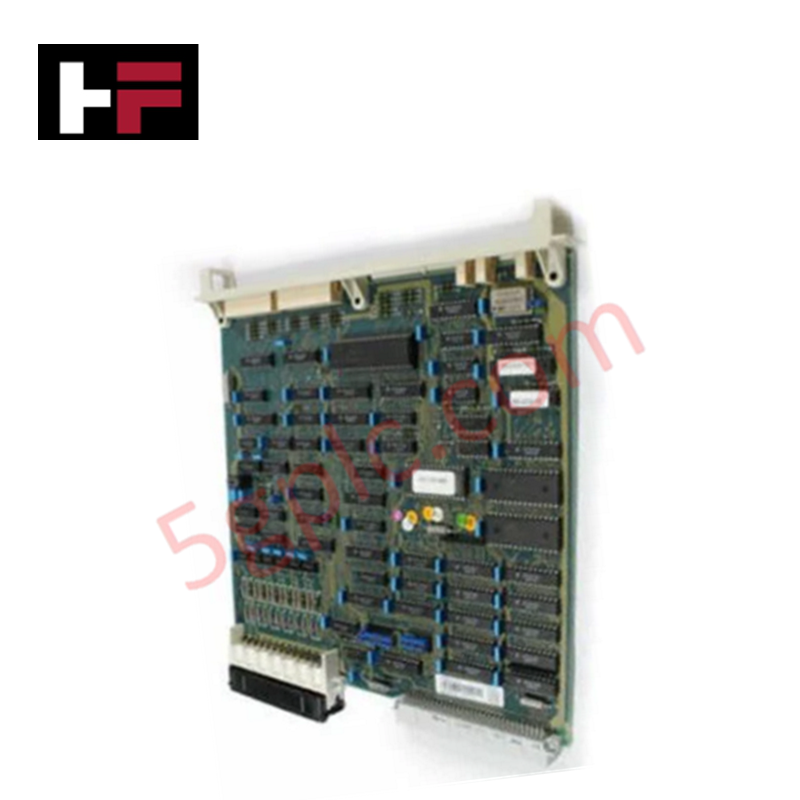
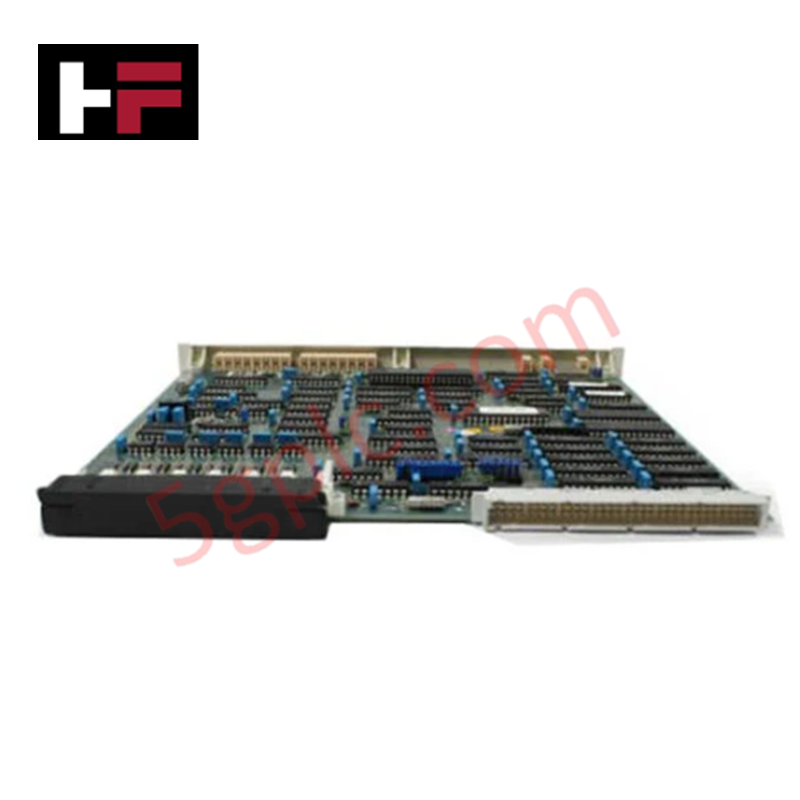
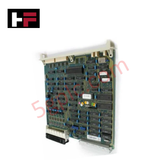
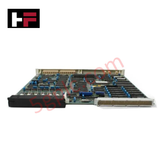
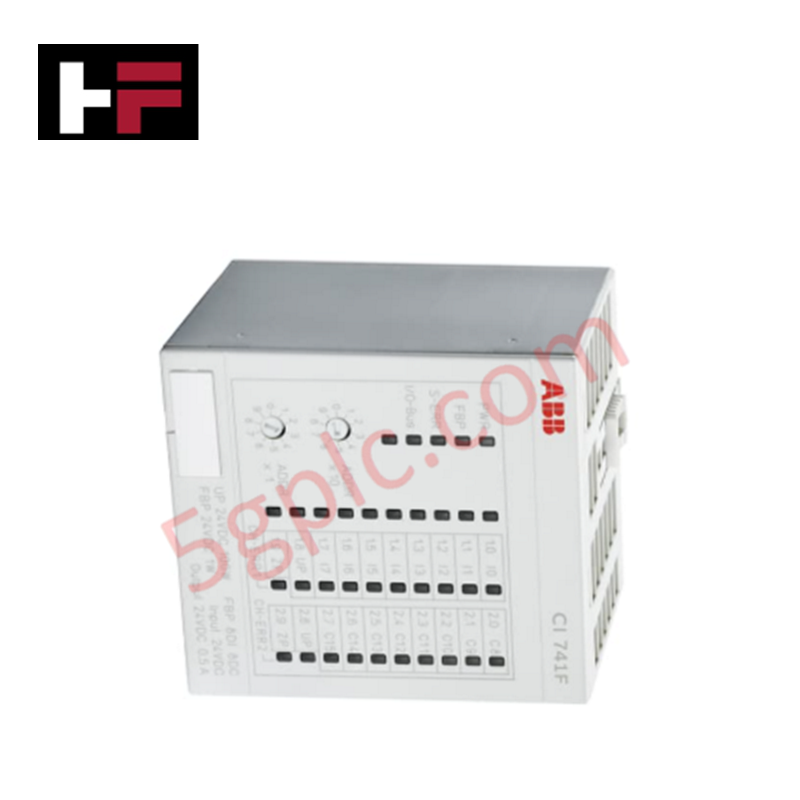
The ABB TTPSG4AI 1KHL015623R0001, also cataloged as the TPSG4AI Analog Input Module, serves as the primary TPSG4AI Analog Input Module utilized to execute analog data acquisition across industrial network platforms. The module performs multi-channel electrical parameter scanning, converting external sensor current or voltage signals into digitized register values. Operating with a hardware processing architecture backed by 128 KB of system RAM and 32 KB of non-volatile flash memory, this assembly manages concurrent real-time sampling sequences and passes process variables directly via its embedded Ethernet port.
Hardware Specifications
| Parameter | Specification |
|---|---|
| Model | TPSG4AI 1KHL015623R0001 |
| Brand | ABB |
| Origin | Germany (Standard manufacturing location apply) |
| Weight | 0.50 kg (Standard chassis estimate) |
| Dimensions | Standard ABB rack module profile |
| Operating Temp | 0 to +60 deg C |
| Power Consumption | Logic loop dependent |
| Input Channels | 16 input channels for analog sensors |
| Output Channels | 16 output channels for control and actuation |
| System RAM | 128 KB |
| Non-volatile Flash Memory | 32 KB |
| Network Interface | Ethernet interface for network integration |
I/O Density Scaling and Backplane Throughput
The ABB TPSG4AI module executes prioritized signal scanning profiles to manage high I/O density scaling across expanded rack setups. The internal microcontroller continuously maps all 16 input and 16 output data streams directly to local memory banks, matching predefined network execution window targets without causing bus propagation delays. This processing layout prevents frame collision and timing jitter across the backplane bus, allowing synchronized real-time control logic updates during peak automation cycles.
Frequently Asked Questions
Q: How is memory allocation preserved on the TPSG4AI module if a total backplane power drop occurs?
A: Active program instructions and critical calibration configurations are hard-written directly to the 32 KB non-volatile flash sector. This eliminates structural data degradation during unpowered states without needing external battery arrays.
Q: Is hot-swapping allowed for this specific multi-channel analog hardware?
A: No. Removing or re-inserting the physical assembly while the system base is energized will induce electrical voltage transients, risking damage to the localized analog multiplexer chips and disrupting active Ethernet communication frames.
Q: Can the 16 output channels be configured to run independent electrical signal types simultaneously?
A: Yes, each physical terminal path can be individually mapped inside the software environment to execute independent current or voltage signal configurations based on the specified hardware parameters.
Field Installation Guidelines
The analog input module must be slotted vertically into its designated terminal unit or chassis rail assembly. Ensure that the integrated mechanical attachment pins are completely locked down to guarantee firm backplane contact. All external sensor lines must run using separate shielded twisted-pair cables, and the bare copper shield layer must terminate into the master enclosure ground bar to suppress external electromagnetic fields. To preserve proper convective cooling profiles, maintain a minimum 50 mm clearance perimeter above and below the module faceplate.
Additional Information
- 100% Genuine Parts: All products are original and authentic, ensuring reliable industrial performance.
- 30-Day Refund Guarantee: Return any in-stock item within 30 days in original, unopened packaging for a full refund (excluding shipping and fees).
- 12-Month Warranty: Covers defects in materials or workmanship; excludes misuse, normal wear, or unauthorized modifications.
- Worldwide Shipping: We ship via USPS, UPS, FedEx, and DHL. Delivery times vary by country and may be subject to customs or import fees.
- Support & Contact: Technical and warranty assistance is available anytime. Contact us here: Contact.
- Purchase Guidance: Check product specifications and compatibility carefully before ordering to ensure proper application.






Tech & Buying Guide

Will PLCs Become Obsolete? The Future of Control Systems in Industry 4.0
Modern manufacturing is undergoing a rapid technological transformation driven by Industry 4.0 innovations. Technologies like Artificial Intelligence (AI), Machine Learning (ML), and the Industrial Internet of Things (IIoT) are dominating discussions across the factory automation sector. Consequently, many engineers wonder if these advanced digital tools will eventually replace traditional Programmable Logic Controllers (PLCs). However, evaluating the core physics of industrial operations reveals a very different reality for control systems.

Demystifying Open Platform Communication (OPC): The Backbone of Industrial Interoperability
Interoperability remains a cornerstone requirement for modern smart factories and process automation. Open Platform Communication (OPC) bridges the gap between disparate hardware platforms, control systems, and visualization software. By establishing a universal communication standard, OPC allows field controllers, SCADA platforms, and enterprise software from different vendors to exchange real-time data seamlessly.

Understanding Siemens PLC Memory Cards: MMC, SMC, and SD Solutions in Industrial Automation
Memory management plays a pivotal role in maintaining control system reliability across modern manufacturing plants. Industrial control systems rely on specialized memory cards to store project logic, firmware updates, and retentive system data. Siemens uses several memory architectures, including Micro Memory Cards (MMC) and SIMATIC Memory Cards (SMC). Engineers must understand these hardware variations to ensure zero data loss and minimize downtime during maintenance routines.