










Product Details
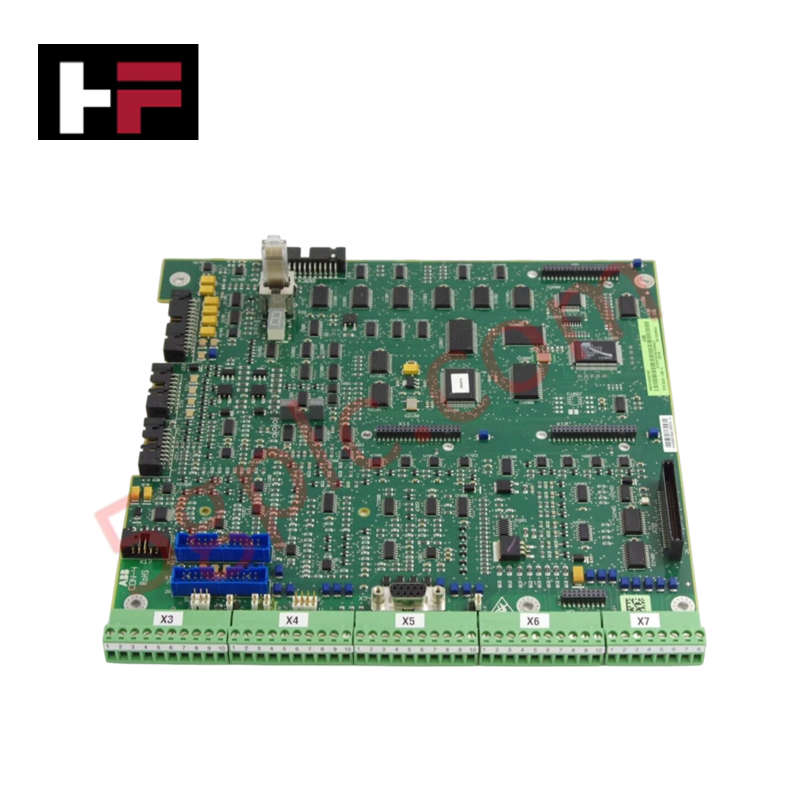
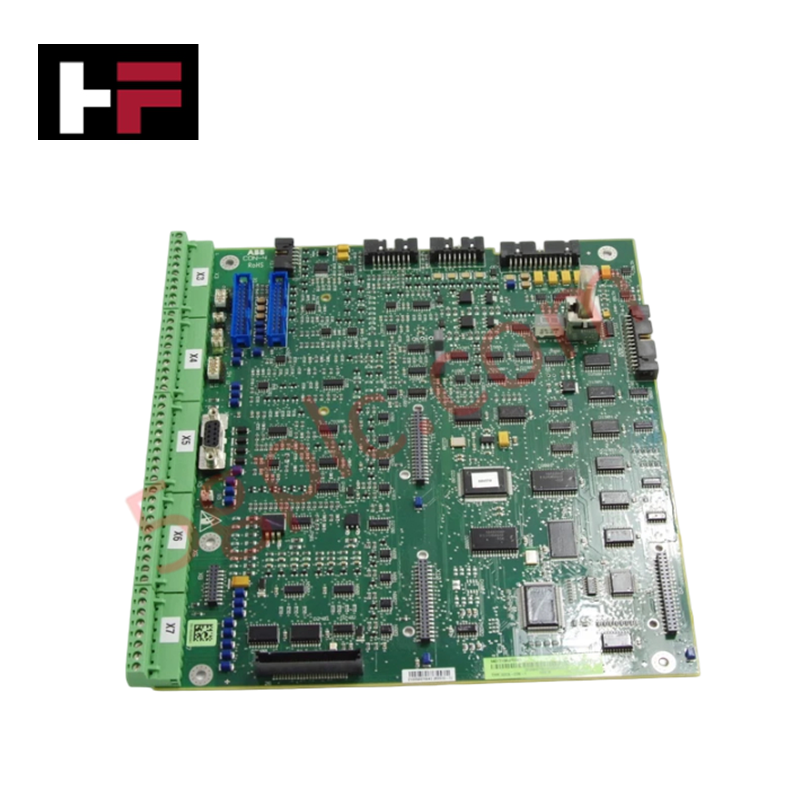
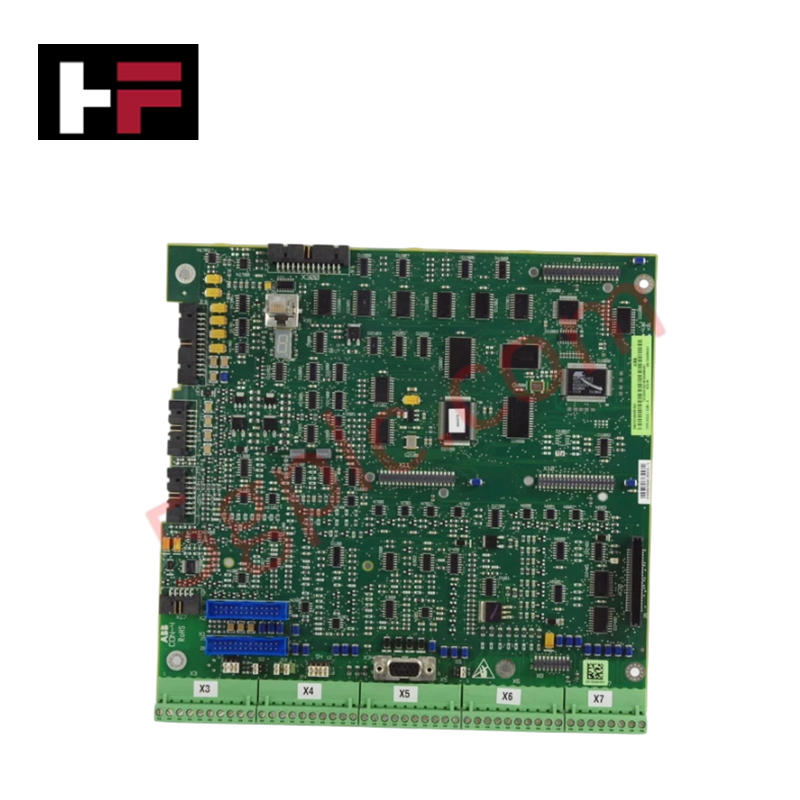
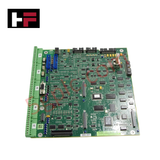
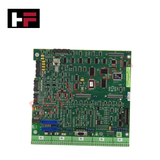
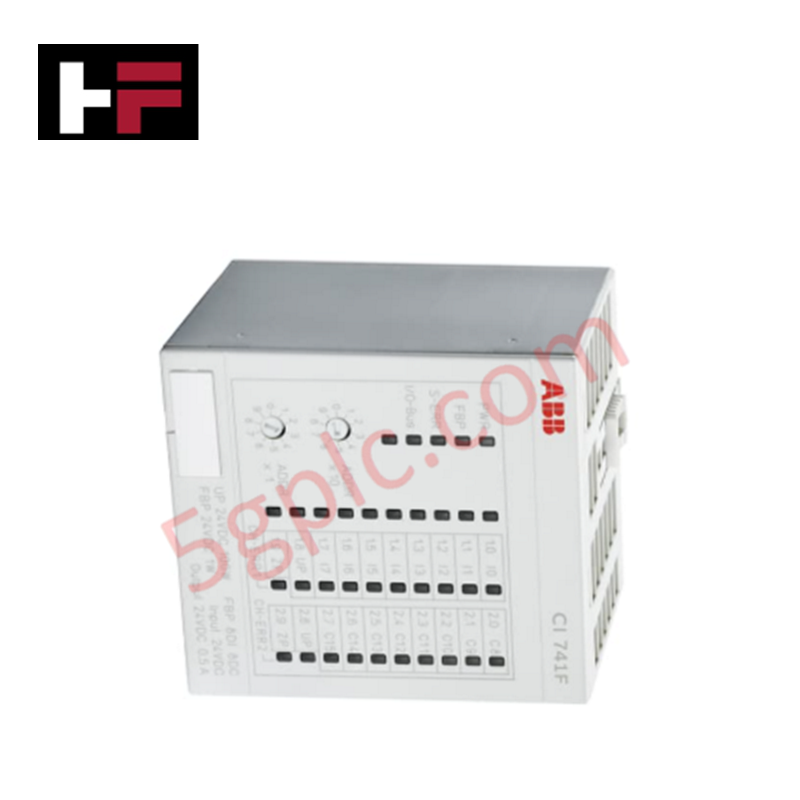
Configured for high-performance signal processing in industrial drive architectures, the ABB SDCS-CON-4 3ADT313900R1501 Rev M (SDCS-CON-4 Control Board) provides direct physical/electrical execution. This hardware assembly acts as the core processing engine, routing localized gate firing sequences, monitoring analog feedback loops, and establishing multiple serial data tracks. The circuit board implements hardwired transceivers for asynchronous and localized controller networks, managing complex speed and torque mathematical matrices while maintaining structural galvanic isolation from power switching sections.
Hardware Specifications
| Parameter | Specification |
|---|---|
| Model | SDCS-CON-4 3ADT313900R1501 Rev M |
| Brand | ABB |
| Origin | Sweden (Standard manufacturing location applies) |
| Weight | 0.5 kg |
| Dimensions | 120 mm x 80 mm x 30 mm |
| Operating Temp | -20 to 70 deg C |
| Power Consumption | 24 VDC Input / 5 A Output Max Rating |
| Embedded Interfaces | RS-232, RS-485, CAN bus |
| Signal Capacity | Combined Analog and Digital I/O channels |
| Ingress Protection | IP65 |
| Environmental Compliance | RoHS Coated Profile |
Firmware Flash Compatibility
The SDCS-CON-4 control card relies on strict firmware flash compatibility parameters to verify that synchronous loop execution times match down-circuit thyristor gating blocks. During startup initialization, the board reads its non-volatile memory chips, matching application parameters against the active software revision on the controller rack. If a mismatch occurs, the onboard watchdog circuit trips, blocking firing pulses to the drive bridge and setting fault flags across the serial lines to stop the master system.
Frequently Asked Questions
Q: Can the serial communication links (RS-485 or CAN bus) be serviced or re-terminated while the 24 VDC power supply to the SDCS-CON-4 is active?
A: No. Modifying communication terminal connections while energized risks introducing localized electrical transients that can disrupt volatile processor registers, induce communication time-outs, and potentially damage the line transceiver chips.
Q: How does the internal firmware execution react to momentary 24 VDC input voltage drops?
A: The board features hardware voltage monitoring circuits. If the input power falls below specified logic thresholds, the card triggers an immediate hardware interrupt, forcing all digital control outputs to a zero state and disabling the gate pulses before data corruption can occur.
Field Installation Guidelines
The SDCS-CON-4 control board must be mounted inside an IP-rated industrial enclosure to prevent dust and particulate buildup. Secure the assembly using the specified grounding standoffs to ensure a low-impedance connection to the main metal sub-panel. All signal wiring for analog I/O, RS-485, and CAN bus channels must use shielded twisted-pair cables, with the copper shields clamped to the ground rail at the entry point of the enclosure. Route all low-voltage signal lines through wire ducts that are physically isolated from high-voltage AC lines and motor cables to prevent electromagnetic noise induction.
Additional Information
- 100% Genuine Parts: All products are original and authentic, ensuring reliable industrial performance.
- 30-Day Refund Guarantee: Return any in-stock item within 30 days in original, unopened packaging for a full refund (excluding shipping and fees).
- 12-Month Warranty: Covers defects in materials or workmanship; excludes misuse, normal wear, or unauthorized modifications.
- Worldwide Shipping: We ship via USPS, UPS, FedEx, and DHL. Delivery times vary by country and may be subject to customs or import fees.
- Support & Contact: Technical and warranty assistance is available anytime. Contact us here: Contact.
- Purchase Guidance: Check product specifications and compatibility carefully before ordering to ensure proper application.






Tech & Buying Guide

Demystifying the DDE Protocol in Legacy Industrial Automation Systems
Modern control systems rely heavily on seamless interprocess communication to exchange operational data between software programs. Microsoft first introduced the Dynamic Data Exchange (DDE) protocol in 1987 to enable real-time data sharing. In factory automation, DDE served as an early bridge between control software and Windows desktop applications. Therefore, understanding DDE mechanics provides crucial insights into how legacy industrial networks established software-level connectivity.

Demystifying CPU Communication Ports in Siemens PLC Architectures
Industrial automation relies heavily on robust data exchange between devices. Without seamless connectivity, field instruments, network switches, human-machine interfaces, and programmable logic controllers cannot coordinate effectively. Therefore, understanding the various CPU communication ports available in Siemens hardware ensures efficient factory automation design and seamless system integration.

Mastering the Siemens PLC Scan Cycle: How the CPU Executes Automation Programs
Industrial automation relies heavily on programmable logic controllers (PLCs) to manage complex manufacturing processes. Many engineers dive straight into programming without mastering the underlying architecture. However, understanding how a PLC CPU executes a program ensures reliable system design. Therefore, mastering the scan cycle optimizes both performance and troubleshooting in modern control systems.