










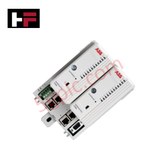
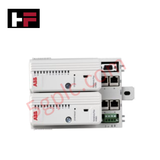
Product Details
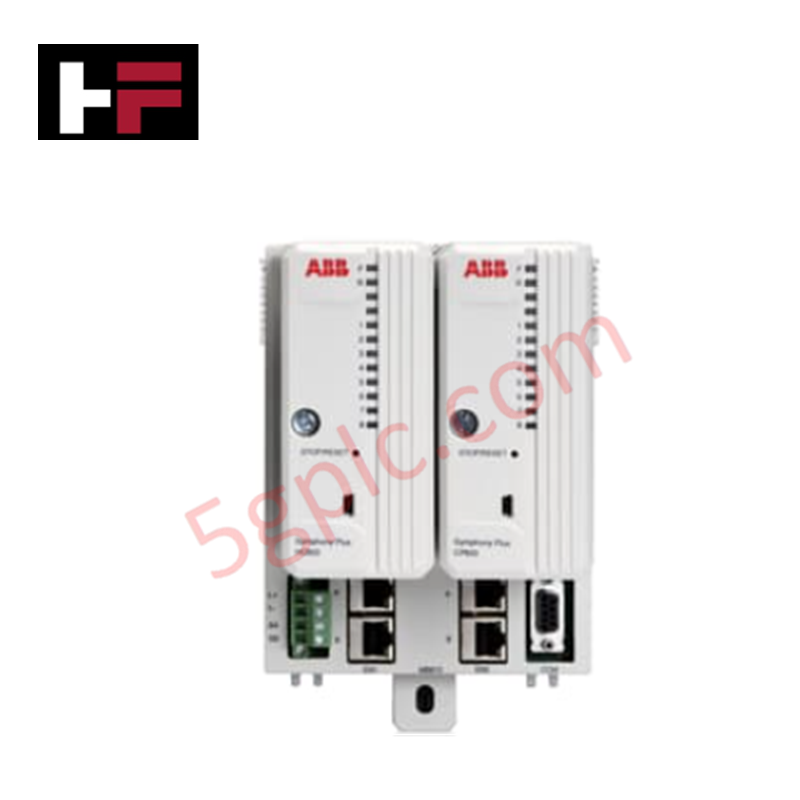
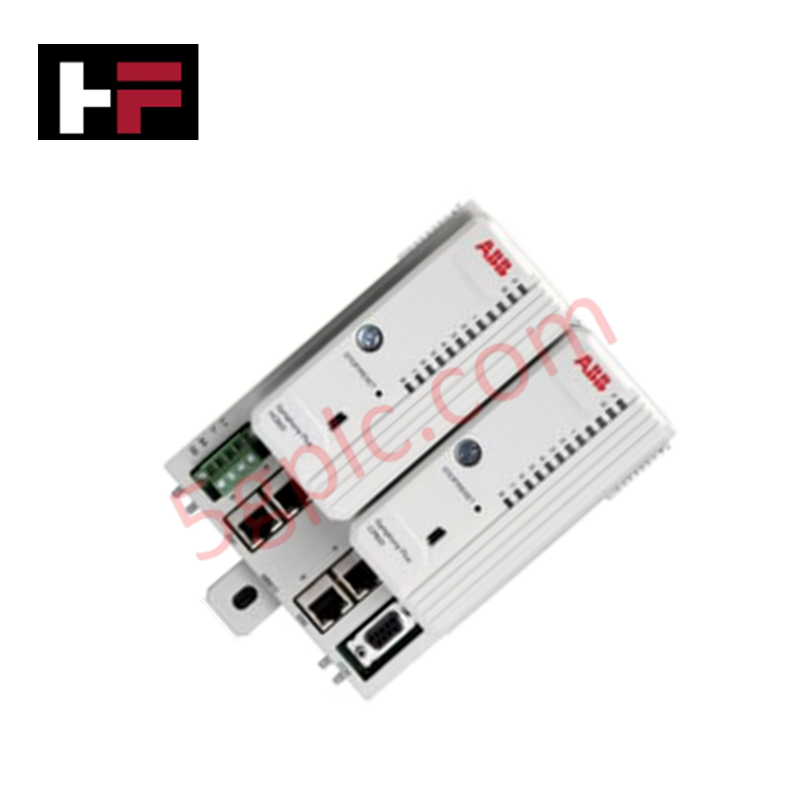
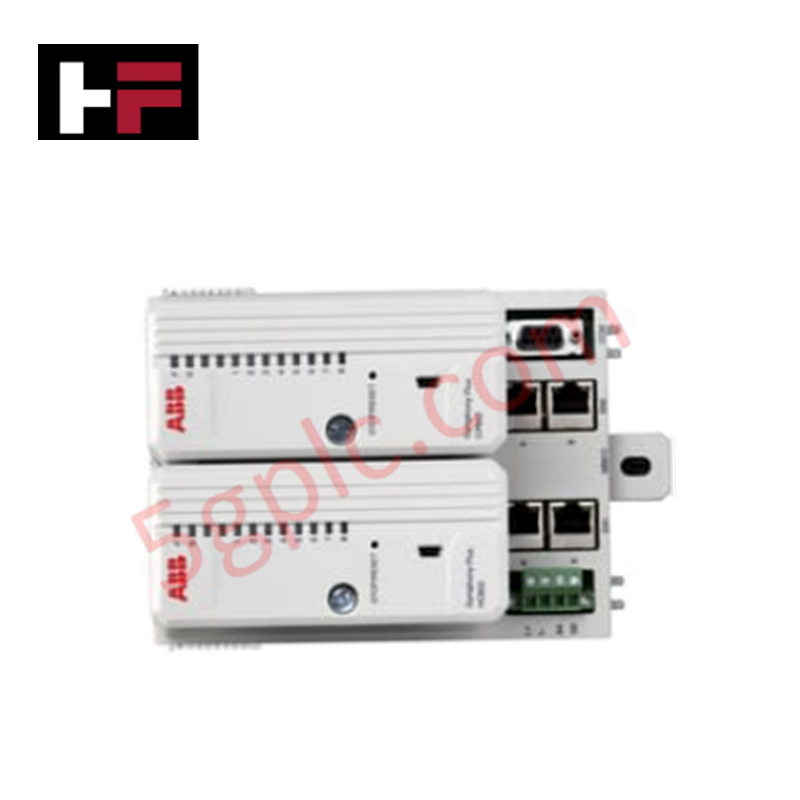
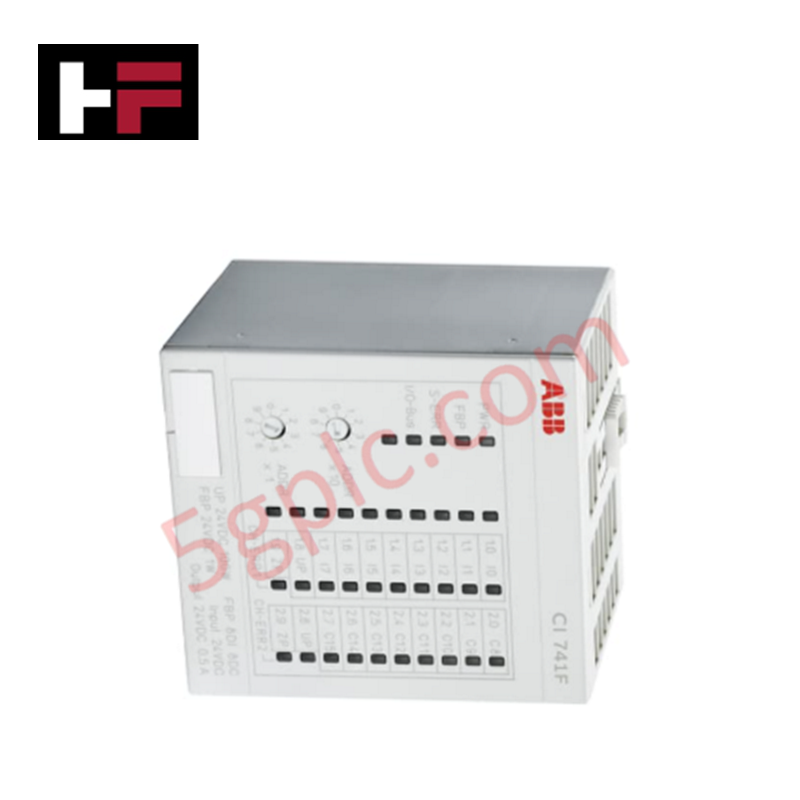
The ABB HC800, also cataloged as the HC800 Control Processor Module, operates as a dedicated hardware component for central logic processing and execution within Symphony Plus automation platforms. The hardware module executes control algorithms, interfaces with communication networks, and manages subordinate I/O clusters across local or remote nodes. Powered via backplane infrastructure, the unit retains critical data and clock operations through a 5 g lithium button cell battery, maintaining continuous real-time execution states and processing telemetry records without structural drift.
Hardware Specifications
| Parameter | Specification |
|---|---|
| Model | HC800 |
| Brand | ABB |
| Origin | United States |
| Weight | 0.88 kg |
| Dimensions | 210.82 mm x 78.74 mm x 243.84 mm |
| Operating Temp | 0 to +60 deg C (Standard industrial parameters apply) |
| Power Consumption | Backplane bus dependent |
| Product Type Designation | Central Unit |
| Integrated Battery | 1x Lithium Button Cell (5 g) |
| Environmental Compliance | RoHS Directive 2011/65/EU / WEEE Category 5 |
Deterministic Network Operations and Firmware Flash Compatibility
The ABB HC800 features native integration capabilities with Profinet / EtherNet/IP deterministic networks via system interface options, optimizing internal bus communication parameters for synchronized multi-loop control. The embedded microprocessing architecture verifies firmware flash compatibility during hardware initialization to prevent instruction mismatch faults across scaled rack deployments. This ensures high-velocity process synchronization and continuous management of expanded I/O density without introducing cycle time degradation.
Frequently Asked Questions
Q: How must the internal button cell lithium battery be managed during runtime system maintenance?
A: The 5 g lithium battery provides backup power to the volatile memory when the module is removed from the backplane. It should only be replaced while the module is mounted and power is applied to the backplane to prevent loss of retention configurations and internal clock calibration data.
Q: Does the HC800 control processor support online hot-swap insertion into a live chassis?
A: Hot-swapping this central unit is strictly dependent on the underlying redundant architecture configurations of the slot assembly. In a non-redundant configuration, unseating the active controller drops backplane bus communications and disrupts real-time process execution loops.
Q: What actions occur if a firmware flash compatibility error is flagged during a system boot sequence?
A: The processor executes a fail-safe boot halt and blocks control loop activation. The engineering environment must be accessed to deploy verified firmware blocks that match the operational safety signature of the platform.
Field Installation Guidelines
The module must be inserted vertically into its assigned slot on the terminal unit or backplane chassis, ensuring that the mechanical guidance pins engage completely before applying locking pressure. To fulfill industrial EMC directives, the surrounding enclosure must be bonded to the central facility functional earth rail via low-impedance copper conductors. Shielded twisted-pair cabling must be applied to all adjacent network interfaces, with the wire braid grounded at the entry gland plates. Provide a minimum vertical ventilation gap of 50 mm above and below the processor housing assembly to maintain uniform convective heat dissipation profiles.
Additional Information
- 100% Genuine Parts: All products are original and authentic, ensuring reliable industrial performance.
- 30-Day Refund Guarantee: Return any in-stock item within 30 days in original, unopened packaging for a full refund (excluding shipping and fees).
- 12-Month Warranty: Covers defects in materials or workmanship; excludes misuse, normal wear, or unauthorized modifications.
- Worldwide Shipping: We ship via USPS, UPS, FedEx, and DHL. Delivery times vary by country and may be subject to customs or import fees.
- Support & Contact: Technical and warranty assistance is available anytime. Contact us here: Contact.
- Purchase Guidance: Check product specifications and compatibility carefully before ordering to ensure proper application.






Tech & Buying Guide

Mastering the Siemens PLC Scan Cycle: How the CPU Executes Automation Programs
Industrial automation relies heavily on programmable logic controllers (PLCs) to manage complex manufacturing processes. Many engineers dive straight into programming without mastering the underlying architecture. However, understanding how a PLC CPU executes a program ensures reliable system design. Therefore, mastering the scan cycle optimizes both performance and troubleshooting in modern control systems.

How to Connect to Siemens S7 PLCs: 5 Essential Communication Methods
Establishing a reliable hardware link between a programming terminal and a Siemens SIMATIC controller is essential for engineering workflows. Field engineers rely on distinct physical layers, ranging from legacy serial connections to high-speed Industrial Ethernet protocols. Modern factory automation environments prioritize fast data transfer and seamless driver integration. Selecting the correct connection method simplifies program downloads, online monitoring, and system troubleshooting in complex control systems.

Will PLCs Become Obsolete? The Future of Control Systems in Industry 4.0
Modern manufacturing is undergoing a rapid technological transformation driven by Industry 4.0 innovations. Technologies like Artificial Intelligence (AI), Machine Learning (ML), and the Industrial Internet of Things (IIoT) are dominating discussions across the factory automation sector. Consequently, many engineers wonder if these advanced digital tools will eventually replace traditional Programmable Logic Controllers (PLCs). However, evaluating the core physics of industrial operations reveals a very different reality for control systems.