










Product Details
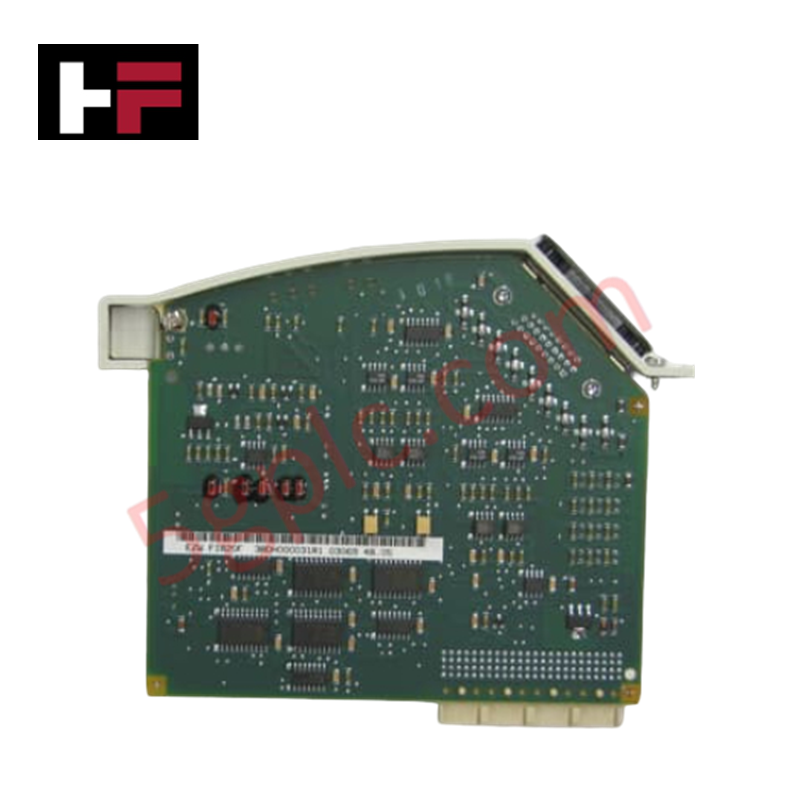
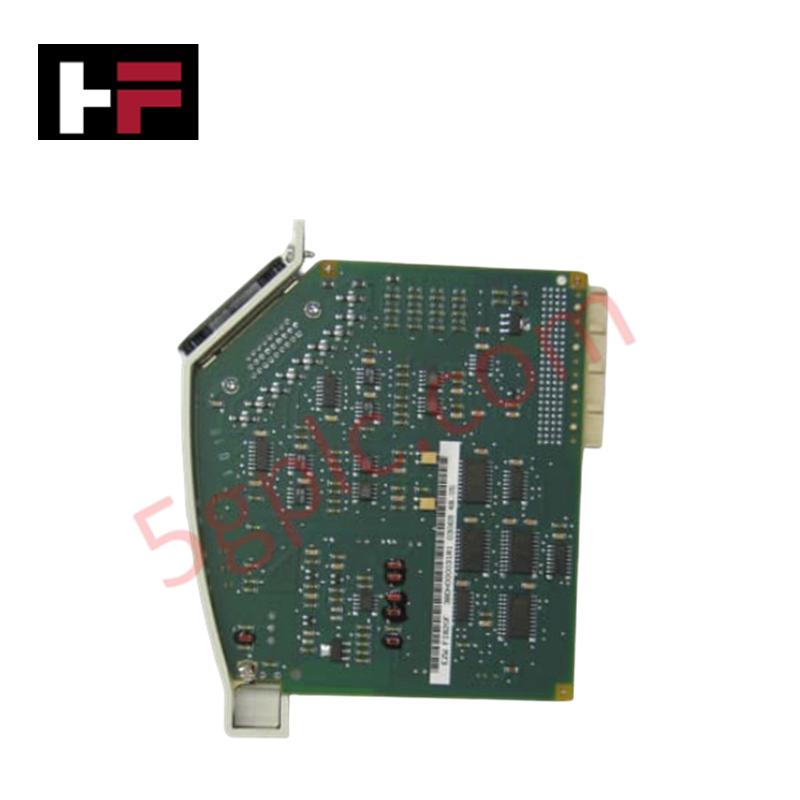
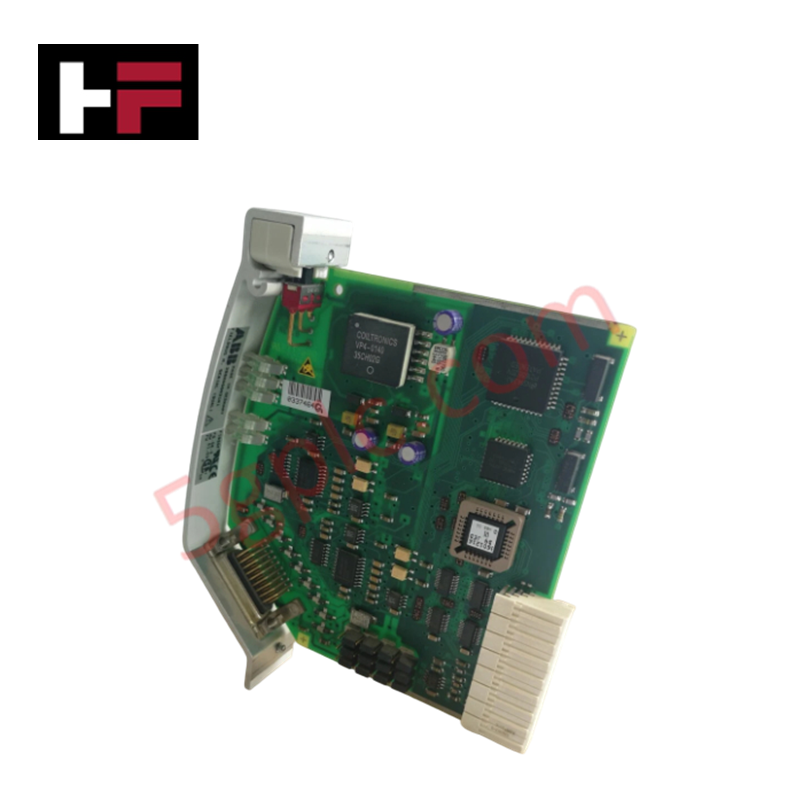
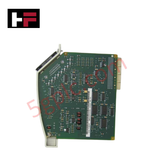
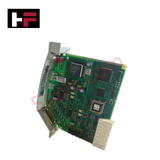
The ABB FI 820F 3BDH000031R1, also cataloged as the FI 820F Fieldbus Module, operates as a dedicated hardware component for field network communication and data frame mapping within Freelance control systems. Configured to interface sequentially with PM 802F or PM 803F central processing units, the module manages protocol stacks and packet routing across dedicated process fieldbus loops. The physical assembly converts backplane data structures into serialized field network transmissions, running autonomous communication subroutines to offload transmission processing from the main automation controller.
Hardware Specifications
| Parameter | Specification |
|---|---|
| Model | FI 820F 3BDH000031R1 |
| Brand | ABB |
| Origin | Germany (Standard manufacturing location applies) |
| Weight | 0.145 kg |
| Dimensions | 125 mm x 28 mm x 155 mm |
| Operating Temp | 0 to +60 deg C (Standard industrial parameters apply) |
| Power Consumption | Subsystem loop dependent |
| Host Compatibility | PM 802F / PM 803F Processors |
| Battery Allocation | 0 batteries required |
| Environmental Compliance | Not RoHS Compliant |
| WEEE Category | 5. Small Equipment (No External Dimension More Than 50 cm) |
Firmware Flash Compatibility
The FI 820F module relies on strict firmware flash compatibility parameters to verify standard protocol stack parsing when connected to the master PM 802F or PM 803F controllers. The hardware checks memory location structures during system initialization to establish synchronous bit rates across the field network. Version mismatches or altered system images on the processor bus will abort communication line allocation, forcing fault registers to flag an invalid configuration state and halting downstream data updating.
Frequently Asked Questions
Q: Can the FI 820F communication hardware be unseated or replaced while the host PM 802F/PM 803F processor is fully energized?
A: No. Removing this communication interface module while the backplane is energized interrupts active field token processing, causing an immediate bus network fault and potential transient voltage stress to the localized transceivers on the CPU rack.
Q: How does a firmware revision variance between the CPU and the FI 820F module impact data throughput?
A: Any mismatch in system configuration files blocks the driver mapping routines. This prevents data serialization, disables the cyclic update tasks on the fieldbus interface, and keeps the module from shifting into an active operational status.
Field Installation Guidelines
The FI 820F communication module must be inserted squarely into its dedicated slot directly adjacent to the PM 802F or PM 803F processor module on the terminal unit. Ensure the locking mechanisms engage fully to guarantee stable contact across all backplane interface pins. Field network bus lines must utilize specified shielded twisted-pair cables, with the outer shield grounded continuously through the designated terminal grounding clamps. Route all fieldbus communication lines well away from high-power alternating current conduits and variable frequency drive outputs to avoid electromagnetic signal noise.
Additional Information
- 100% Genuine Parts: All products are original and authentic, ensuring reliable industrial performance.
- 30-Day Refund Guarantee: Return any in-stock item within 30 days in original, unopened packaging for a full refund (excluding shipping and fees).
- 12-Month Warranty: Covers defects in materials or workmanship; excludes misuse, normal wear, or unauthorized modifications.
- Worldwide Shipping: We ship via USPS, UPS, FedEx, and DHL. Delivery times vary by country and may be subject to customs or import fees.
- Support & Contact: Technical and warranty assistance is available anytime. Contact us here: Contact.
- Purchase Guidance: Check product specifications and compatibility carefully before ordering to ensure proper application.






Tech & Buying Guide

Will PLCs Become Obsolete? The Future of Control Systems in Industry 4.0
Modern manufacturing is undergoing a rapid technological transformation driven by Industry 4.0 innovations. Technologies like Artificial Intelligence (AI), Machine Learning (ML), and the Industrial Internet of Things (IIoT) are dominating discussions across the factory automation sector. Consequently, many engineers wonder if these advanced digital tools will eventually replace traditional Programmable Logic Controllers (PLCs). However, evaluating the core physics of industrial operations reveals a very different reality for control systems.

Demystifying Open Platform Communication (OPC): The Backbone of Industrial Interoperability
Interoperability remains a cornerstone requirement for modern smart factories and process automation. Open Platform Communication (OPC) bridges the gap between disparate hardware platforms, control systems, and visualization software. By establishing a universal communication standard, OPC allows field controllers, SCADA platforms, and enterprise software from different vendors to exchange real-time data seamlessly.

Understanding Siemens PLC Memory Cards: MMC, SMC, and SD Solutions in Industrial Automation
Memory management plays a pivotal role in maintaining control system reliability across modern manufacturing plants. Industrial control systems rely on specialized memory cards to store project logic, firmware updates, and retentive system data. Siemens uses several memory architectures, including Micro Memory Cards (MMC) and SIMATIC Memory Cards (SMC). Engineers must understand these hardware variations to ensure zero data loss and minimize downtime during maintenance routines.