










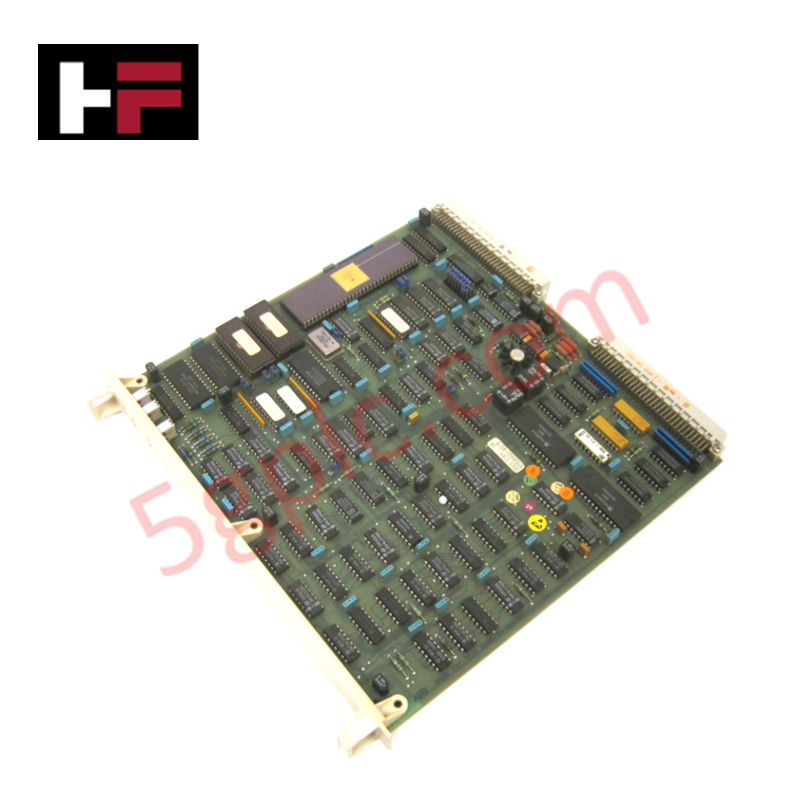
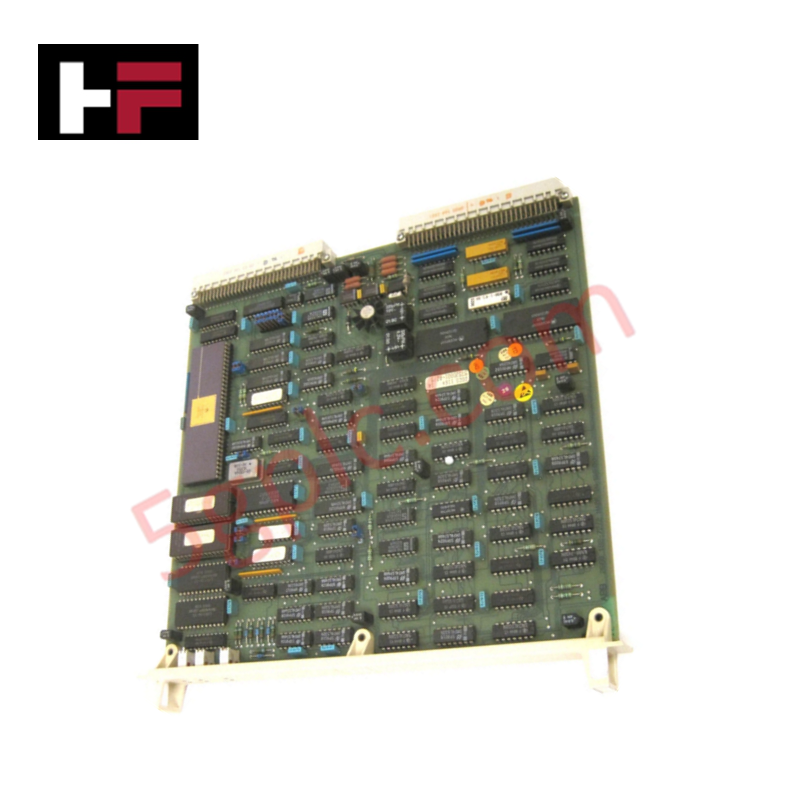
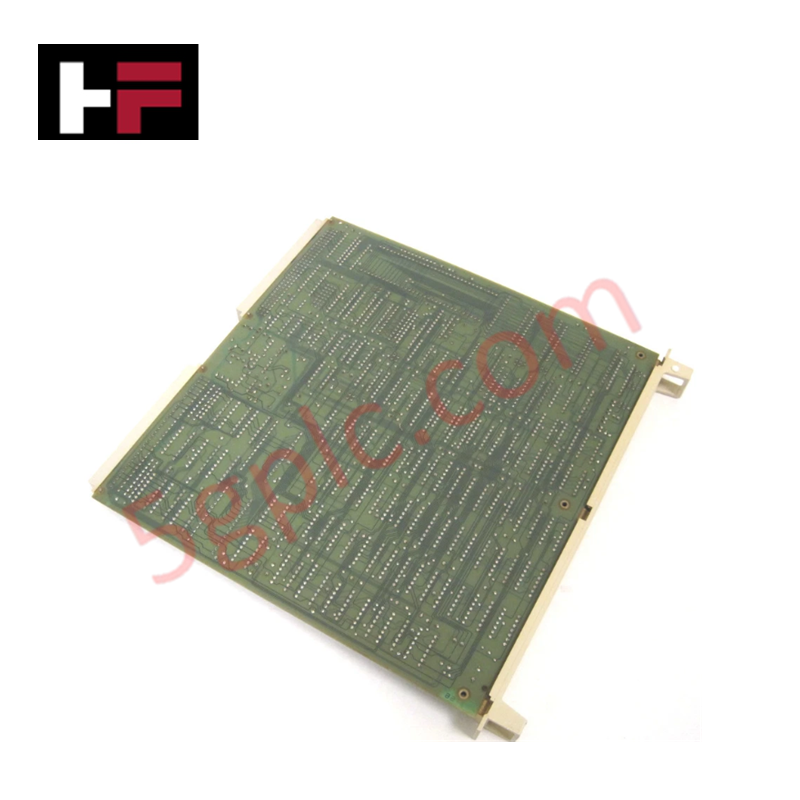
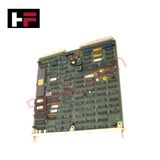
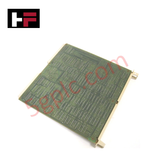
Product Details
Configured for synchronous data routing in Advant Master architectures, the ABB DSCS 116 57520001-BZ (DSCS 116 Communication Module) provides direct physical/electrical execution of time-critical inter-rack frame synchronization. The hardware manages precise bit-stream sequencing across localized network channels to prevent phase displacement between coupled processing subracks.
Hardware Specifications
| Parameter | Specification |
|---|---|
| Model | DSCS 116 |
| Brand | ABB |
| Product ID | 57520001-BZ |
| Origin | Sweden |
| Weight | 0.48 kg net |
| Dimensions | Standard single-slot circuit board footprint |
| Operating Temp | 0 to +55 deg C (Standard backplane deployment baseline) |
| Power Consumption | Sustained via backplane distribution rails |
| Core Performance | Synchronous physical-layer signal coupling |
| Customs Tariff Number | 85176200 |
| WEEE Category | Product Not in WEEE Scope |
Deterministic Networks & Firmware Compatibility
The internal transceiver architecture maps frame buffers directly to the clock cycles defined by current backplane bus communication velocity licenses. This design maintains strict timing boundaries across Profinet / EtherNet/IP deterministic networks, ensuring steady code execution and eliminating bit jitter during large-scale I/O density scaling events. The interface circuits are structurally mapped to prevent communication timeouts, securing absolute firmware flash compatibility with adjacent master CPU nodes during system initialization phases.
Frequently Asked Questions
Q: Does the physical configuration of the DSCS 116 support on-line module replacement (hot-swapping)?
A: No. Power to the subrack host must be fully isolated before inserting or extracting the board assembly. Attempting live removal can introduce transient noise into the parallel bus layout, violating active backplane bus communication velocity licenses and forcing local controllers into error states.
Q: How is synchronous phase deviation handled by the hardware interface?
A: The module relies on exact hardware-level clock cycles distributed through the backplane traces. If a timing fault occurs, the internal transceivers halt the message frame to stop corruption from spreading across the deterministic network loop.
Q: Does this component require a localized firmware upload during on-site installation?
A: The module operates based on embedded hardware logic pathways. Compatibility matches the baseline hardware index of the active controller chassis, requiring confirmation of matching firmware flash compatibility layers before commissioning.
Field Installation Guidelines
- Slide the circuit card evenly along the chassis alignment channels until the rear connector block sits fully into the subrack backplane receiver.
- Maintain a clearance of at least 100 mm between external communication lines and local high-voltage AC electrical distribution tracks to eliminate inductive coupling.
- Secure the front panel retention fasteners to anchor the board faceplate against the frame, providing low-resistance ground continuity and damping vibration stress.
- Ground all communication screen braids continuously at the central panel copper ground terminal strip to block high-frequency industrial interference.
Additional Information
- 100% Genuine Parts: All products are original and authentic, ensuring reliable industrial performance.
- 30-Day Refund Guarantee: Return any in-stock item within 30 days in original, unopened packaging for a full refund (excluding shipping and fees).
- 12-Month Warranty: Covers defects in materials or workmanship; excludes misuse, normal wear, or unauthorized modifications.
- Worldwide Shipping: We ship via USPS, UPS, FedEx, and DHL. Delivery times vary by country and may be subject to customs or import fees.
- Support & Contact: Technical and warranty assistance is available anytime. Contact us here: Contact.
- Purchase Guidance: Check product specifications and compatibility carefully before ordering to ensure proper application.






Tech & Buying Guide

Demystifying Open Platform Communication (OPC): The Backbone of Industrial Interoperability
Interoperability remains a cornerstone requirement for modern smart factories and process automation. Open Platform Communication (OPC) bridges the gap between disparate hardware platforms, control systems, and visualization software. By establishing a universal communication standard, OPC allows field controllers, SCADA platforms, and enterprise software from different vendors to exchange real-time data seamlessly.

Understanding Siemens PLC Memory Cards: MMC, SMC, and SD Solutions in Industrial Automation
Memory management plays a pivotal role in maintaining control system reliability across modern manufacturing plants. Industrial control systems rely on specialized memory cards to store project logic, firmware updates, and retentive system data. Siemens uses several memory architectures, including Micro Memory Cards (MMC) and SIMATIC Memory Cards (SMC). Engineers must understand these hardware variations to ensure zero data loss and minimize downtime during maintenance routines.

Redefining Control Systems: The Rise of Flexible I/O Modules in Industrial Automation
Conventional input-output architectures often limit engineering agility and inflate long-term inventory costs. Today, Flexible Input/Output Modules (FIOM) are transforming how control system engineers design, commission, and maintain automation infrastructure. By allowing individual channel software configuration, FIOM technology bridges the gap between rigid hardware design and dynamic plant requirements.