










Product Details
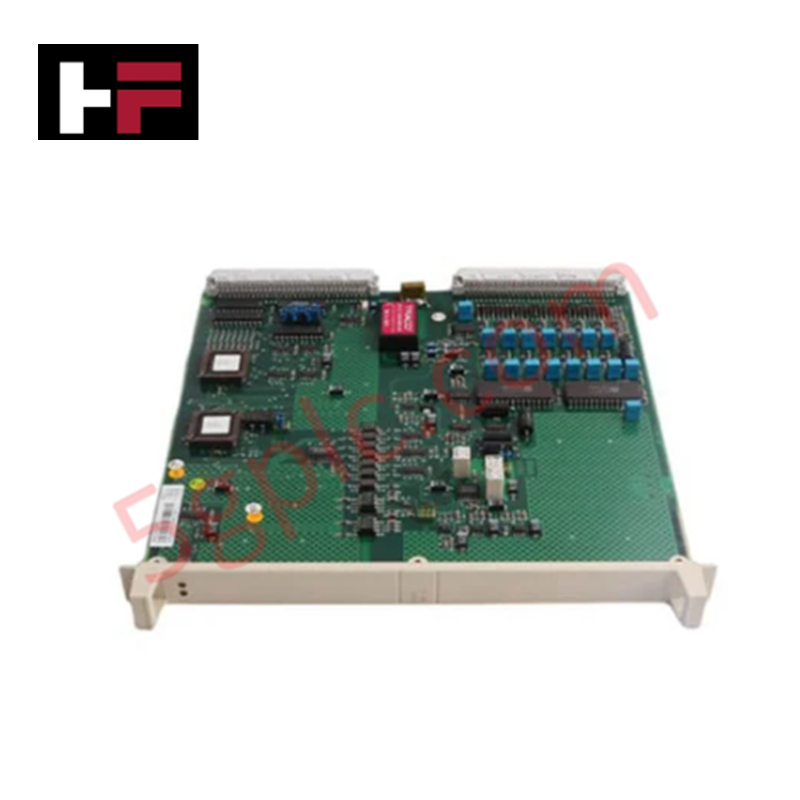
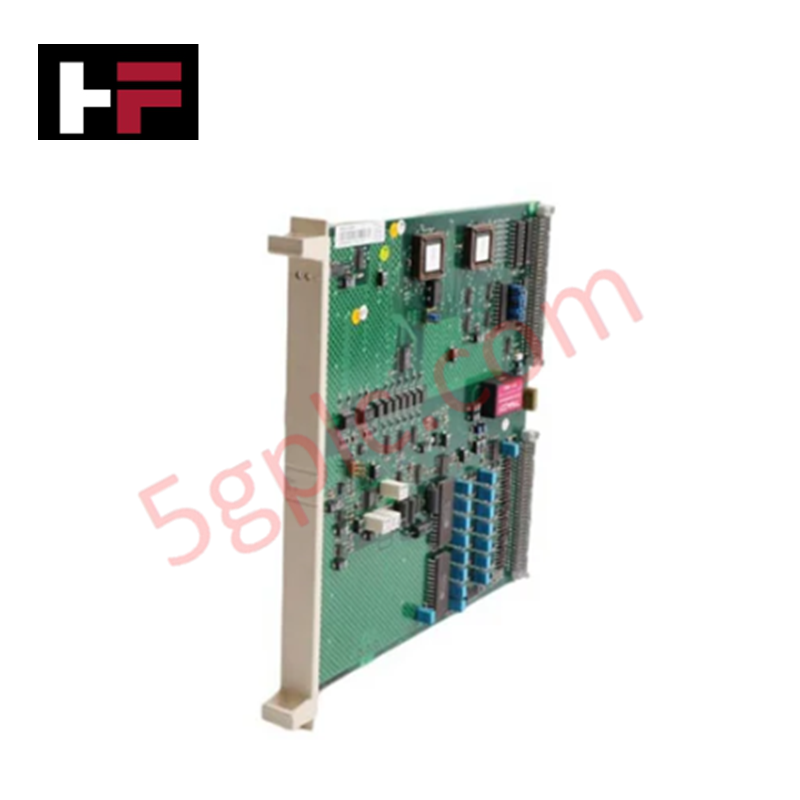
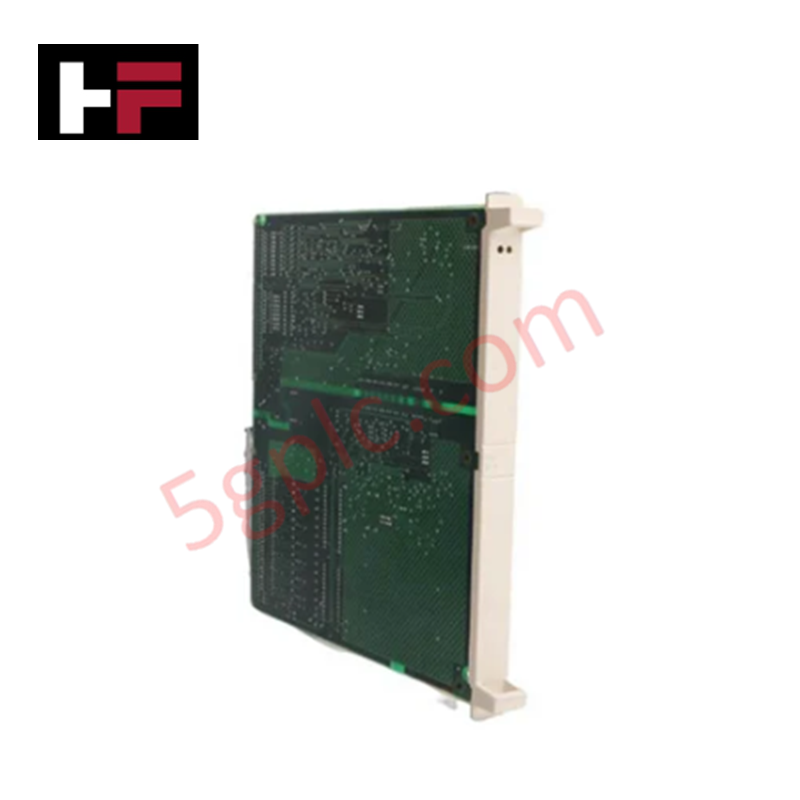
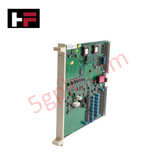
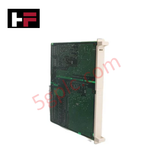
The ABB BBPR01-1, also cataloged as the BBPR01-1 Protection Module, operates as a dedicated hardware component for circuit protection and ground fault monitoring within ABB Bailey control platforms. The hardware processes incoming electrical line signals to detect isolation degradation and overcurrent events before transient thermal damage affects down-circuit nodes. This sub-assembly implements adjustable trip curves to isolate faulted electrical paths directly, preventing localized loop disruptions from propagating into major system logic shutdowns.
Hardware Specifications
| Parameter | Specification |
|---|---|
| Model | BBPR01-1 |
| Brand | ABB |
| Origin | Switzerland (CH) |
| Weight | 1.2 kg |
| Dimensions | 315 mm x 271 mm x 73 mm |
| Operating Temp | 0 to +55 deg C (Standard industrial parameters apply) |
| Power Consumption | Subsystem rack dependent |
| Protection Profiles | Ground fault protection and adjustable trip curves |
| Condition | New & In Stock |
Firmware Flash Compatibility
The BBPR01-1 module requires structural firmware flash compatibility verification within the master Bailey controller rack configuration during initial power-up cycles. The localized onboard microcontroller matches its diagnostic execution code against the active version of the main backplane bus communication velocity licences. If the module detects a revision mismatch between the parameter configuration table and the local flash storage, the module suppresses line loop closing, logs a validation error in the system register, and remains in an isolated safe status.
Frequently Asked Questions
Q: How do the adjustable trip curves configured on the BBPR01-1 impact legacy controller racks?
A: The curves alter the response delays of the solid-state switching matrices during line overcurrent events. Improper field adjustment of these thresholds can lead to asynchronous clearing times, potentially overloading internal power bus channels before the circuit branch opens.
Q: Is hot-swapping allowed for this hardware under active fault monitoring conditions?
A: No. Removing the BBPR01-1 card from the active backplane while under electrical load breaks the monitoring circuit and may generate arc discharges across the terminal pins, corrupting adjacent register values on the bus.
Field Installation Guidelines
The BBPR01-1 unit must be integrated within a clean, dry, sealed industrial cabinet to limit particulate accumulation. Slide the module completely down the guide rails of the chassis slot until the rear pins connect evenly with the backplane connectors. Ground fault monitoring loops must utilize high-integrity shielded cabling, and the main grounding trace must tie directly back to the instrumentation earth grid with a low-impedance copper conductor. Maintain physical space between these protection input runs and any neighboring high-voltage alternating current pathways inside the wire trays to isolate the signal lines from induced electrical noise.
Additional Information
- 100% Genuine Parts: All products are original and authentic, ensuring reliable industrial performance.
- 30-Day Refund Guarantee: Return any in-stock item within 30 days in original, unopened packaging for a full refund (excluding shipping and fees).
- 12-Month Warranty: Covers defects in materials or workmanship; excludes misuse, normal wear, or unauthorized modifications.
- Worldwide Shipping: We ship via USPS, UPS, FedEx, and DHL. Delivery times vary by country and may be subject to customs or import fees.
- Support & Contact: Technical and warranty assistance is available anytime. Contact us here: Contact.
- Purchase Guidance: Check product specifications and compatibility carefully before ordering to ensure proper application.






Tech & Buying Guide

Demystifying CPU Communication Ports in Siemens PLC Architectures
Industrial automation relies heavily on robust data exchange between devices. Without seamless connectivity, field instruments, network switches, human-machine interfaces, and programmable logic controllers cannot coordinate effectively. Therefore, understanding the various CPU communication ports available in Siemens hardware ensures efficient factory automation design and seamless system integration.

Mastering the Siemens PLC Scan Cycle: How the CPU Executes Automation Programs
Industrial automation relies heavily on programmable logic controllers (PLCs) to manage complex manufacturing processes. Many engineers dive straight into programming without mastering the underlying architecture. However, understanding how a PLC CPU executes a program ensures reliable system design. Therefore, mastering the scan cycle optimizes both performance and troubleshooting in modern control systems.

How to Connect to Siemens S7 PLCs: 5 Essential Communication Methods
Establishing a reliable hardware link between a programming terminal and a Siemens SIMATIC controller is essential for engineering workflows. Field engineers rely on distinct physical layers, ranging from legacy serial connections to high-speed Industrial Ethernet protocols. Modern factory automation environments prioritize fast data transfer and seamless driver integration. Selecting the correct connection method simplifies program downloads, online monitoring, and system troubleshooting in complex control systems.