










Product Details
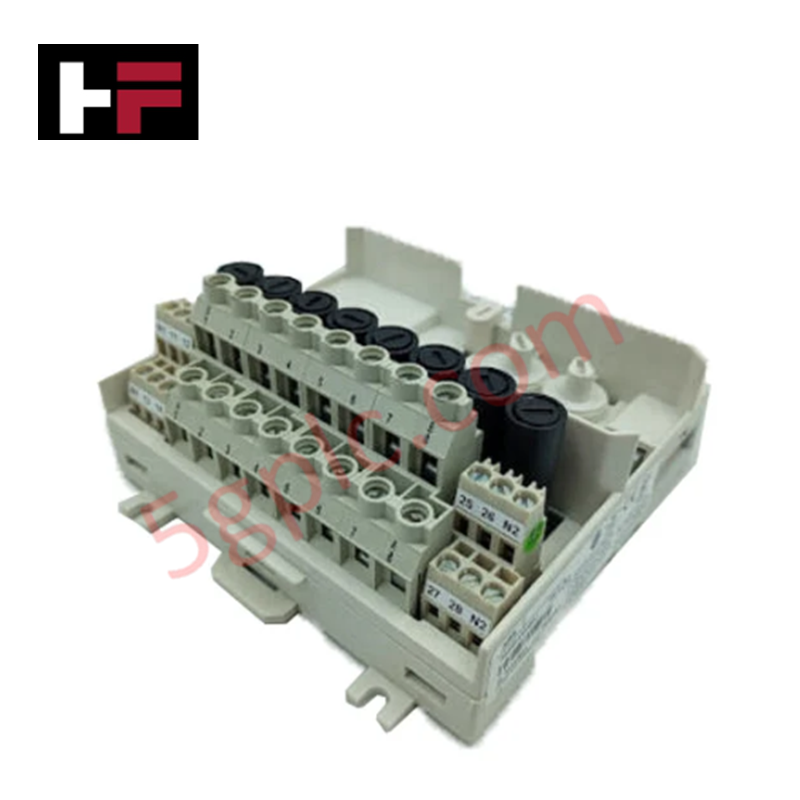
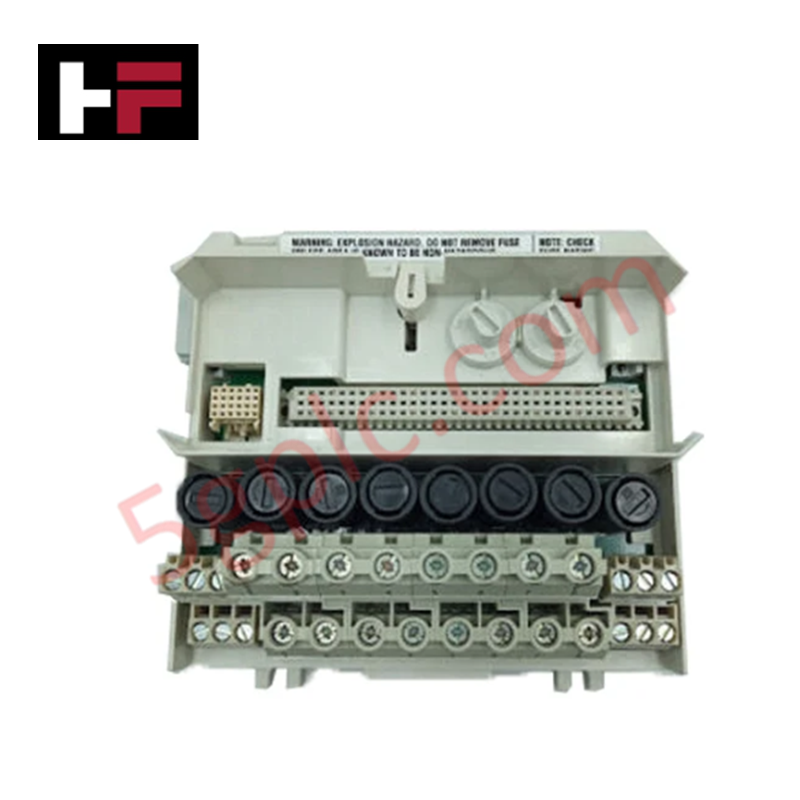
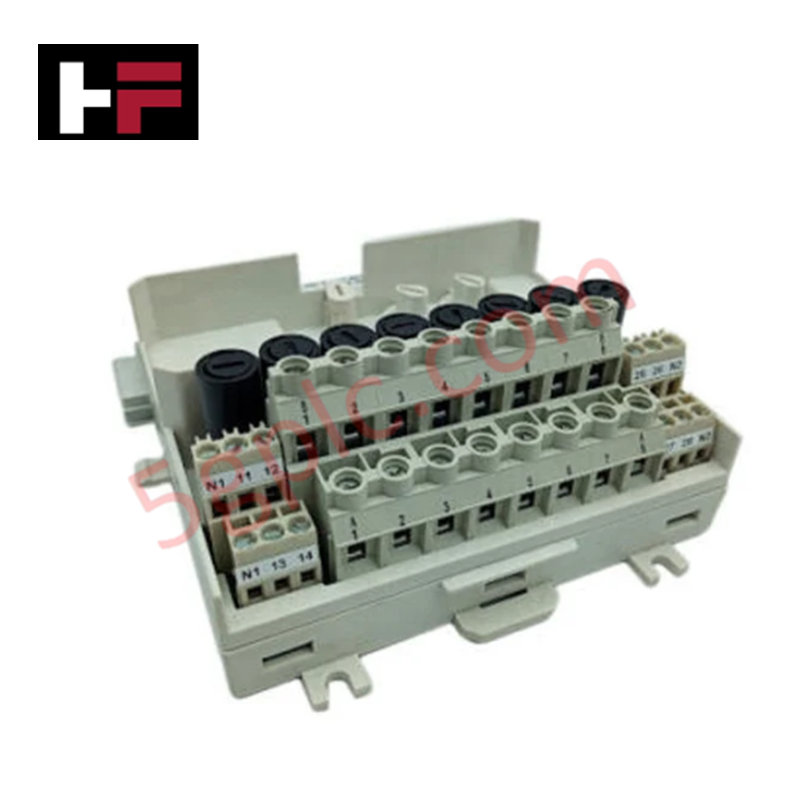
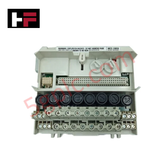
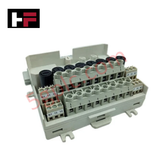
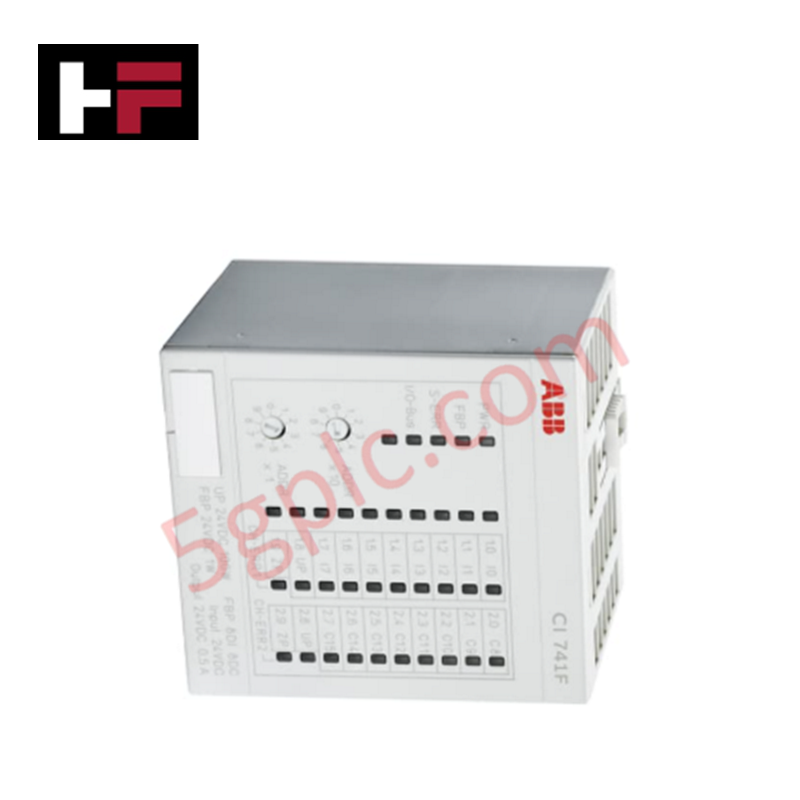
The ABB 3BSE013175R1 GRBTU-01, also cataloged as the GRBTU-01 Module Terminal Unit, operates as a dedicated hardware component for multi-protocol conversion and industrial gateway routing within ABB AC700 PLC system platforms.
Hardware Specifications
| Parameter | Specification |
|---|---|
| Model | 3BSE013175R1 GRBTU-01 |
| Brand | ABB |
| Origin | Sweden / Europe (Standard ABB manufacturing lineage) |
| Weight | Compact DIN-rail form factor weight allocation |
| Dimensions | Standard slim-line module footprint |
| Operating Temp | -40 to +70 deg C |
| Power Consumption | Less than or equal to 5 W |
| Supply Voltage | 24 VDC (plus or minus 20 percent), dual redundant inputs |
| Processor & Memory | 32-bit ARM processor, 128 MB RAM, 256 MB Flash |
| Protocol Support | Modbus RTU/TCP (master/slave), PROFIBUS DP (master/slave), IEC 61850-3 |
| Communication Interfaces | 1 x RS-485, 1 x RJ45 Ethernet, 1 x PROFIBUS DP (Sub-D) |
| Data Throughput | Modbus TCP: 1000 registers/second; PROFIBUS DP: 12 Mbps |
| Ingress Protection | IP20 |
| Vibration Resistance | 5 g (IEC 60068-2-6) |
Backplane Bus Communication Velocity and Signal Scaling
The ABB 3BSE013175R1 GRBTU-01 utilizes its integrated 32-bit ARM processing architecture to achieve deterministic signal conversion between physical serial fieldbuses and high-velocity Ethernet networks. It handles high-density I/O scaling across hybrid topologies, optimizing backplane bus communication velocity during concurrent Modbus TCP and PROFIBUS DP data transitions. The integrated hardware interface routes field telemetry directly into the host system image block, keeping logic execution times uniform and guaranteeing firmware flash compatibility with connecting AC700 controller nodes.
Frequently Asked Questions
Q: How does the dual power configuration behave during a voltage sag or single source failure?
A: The module contains internal diode-ORed isolation circuits. If one 24 VDC input drops below operational limits, the secondary line instantly assumes the full electrical load with zero disruption to the logic processing loop or network connectivity.
Q: Can the network security configuration affect data throughput thresholds on the serial channels?
A: No, firewall rule parsing and VLAN mapping are executed via isolated internal processor threads, ensuring that the 1000 registers/second Modbus TCP throughput and 12 Mbps PROFIBUS DP serial transmission rates stay completely constant.
Field Installation Guidelines
- Mount the terminal unit vertically on a standard symmetric 35 mm DIN rail inside an IP54 or matching protective industrial enclosure.
- Connect separate 24 VDC external power sources to the dual terminal inputs to preserve hardware supply redundancy.
- Terminate the RS-485 serial cable shield directly to the nearest chassis ground clamp using a short connection to suppress external high-frequency noise.
- Separate all low-voltage RJ45 Ethernet and serial bus lines from parallel three-phase AC distribution cabling by a minimum physical distance of 30 cm.
Additional Information
- 100% Genuine Parts: All products are original and authentic, ensuring reliable industrial performance.
- 30-Day Refund Guarantee: Return any in-stock item within 30 days in original, unopened packaging for a full refund (excluding shipping and fees).
- 12-Month Warranty: Covers defects in materials or workmanship; excludes misuse, normal wear, or unauthorized modifications.
- Worldwide Shipping: We ship via USPS, UPS, FedEx, and DHL. Delivery times vary by country and may be subject to customs or import fees.
- Support & Contact: Technical and warranty assistance is available anytime. Contact us here: Contact.
- Purchase Guidance: Check product specifications and compatibility carefully before ordering to ensure proper application.






Tech & Buying Guide

Demystifying CPU Communication Ports in Siemens PLC Architectures
Industrial automation relies heavily on robust data exchange between devices. Without seamless connectivity, field instruments, network switches, human-machine interfaces, and programmable logic controllers cannot coordinate effectively. Therefore, understanding the various CPU communication ports available in Siemens hardware ensures efficient factory automation design and seamless system integration.

Mastering the Siemens PLC Scan Cycle: How the CPU Executes Automation Programs
Industrial automation relies heavily on programmable logic controllers (PLCs) to manage complex manufacturing processes. Many engineers dive straight into programming without mastering the underlying architecture. However, understanding how a PLC CPU executes a program ensures reliable system design. Therefore, mastering the scan cycle optimizes both performance and troubleshooting in modern control systems.

How to Connect to Siemens S7 PLCs: 5 Essential Communication Methods
Establishing a reliable hardware link between a programming terminal and a Siemens SIMATIC controller is essential for engineering workflows. Field engineers rely on distinct physical layers, ranging from legacy serial connections to high-speed Industrial Ethernet protocols. Modern factory automation environments prioritize fast data transfer and seamless driver integration. Selecting the correct connection method simplifies program downloads, online monitoring, and system troubleshooting in complex control systems.