










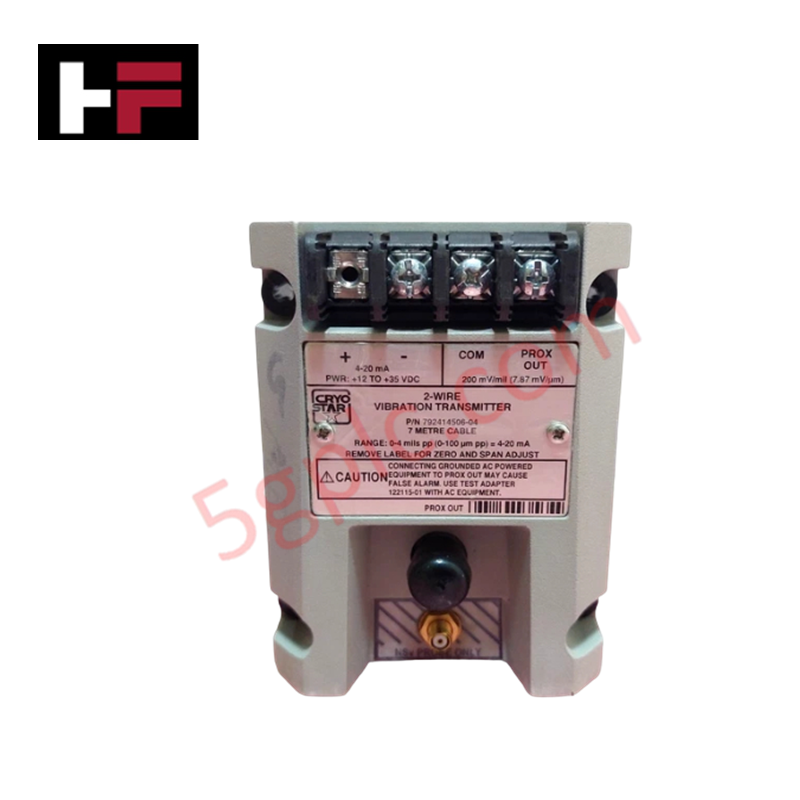
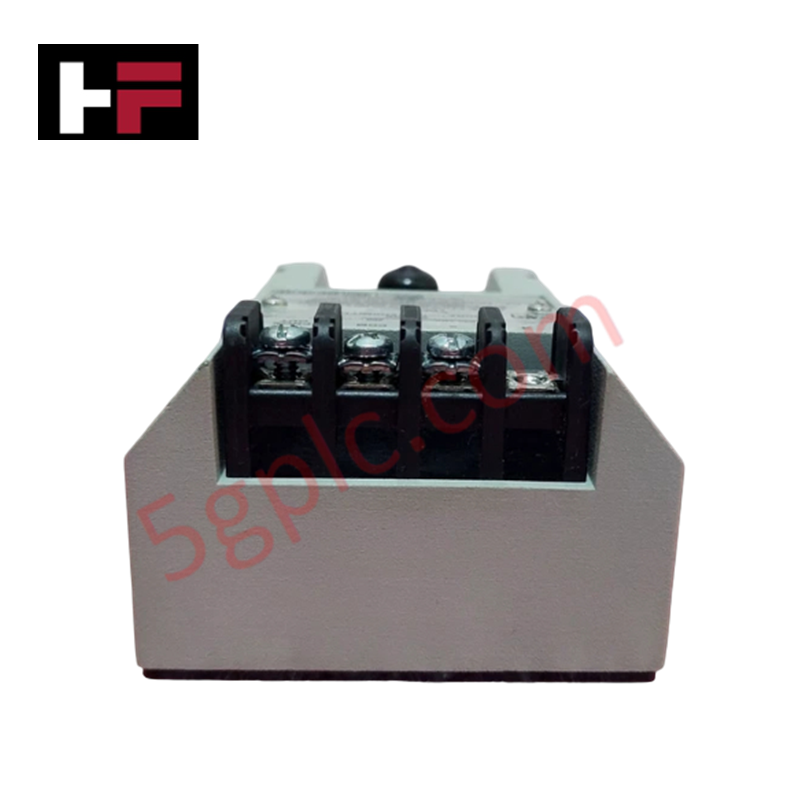
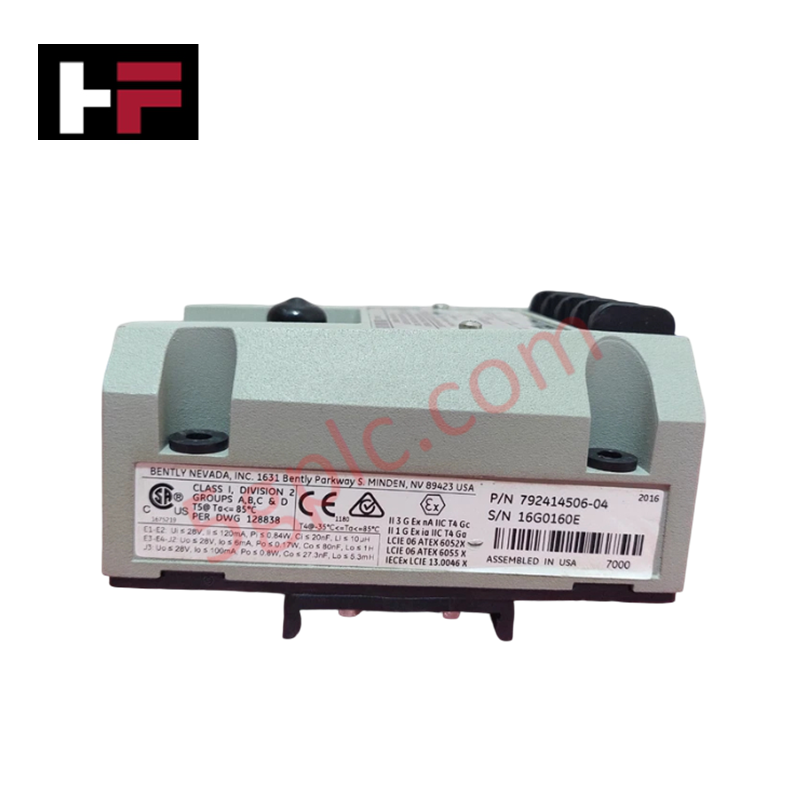
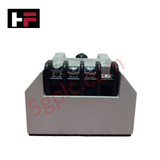
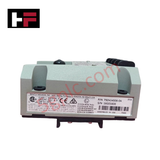
Product Details
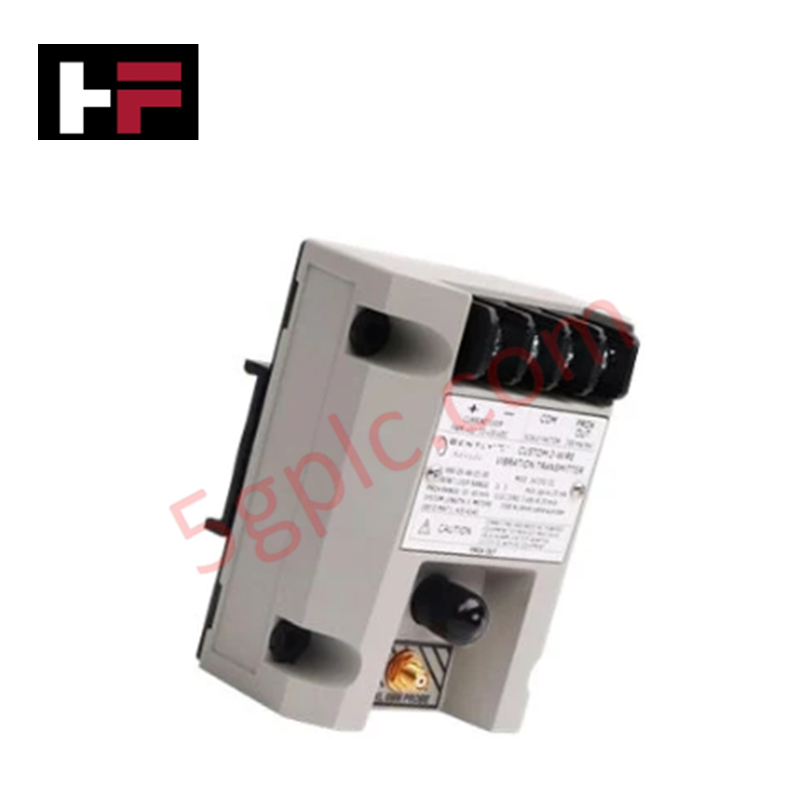
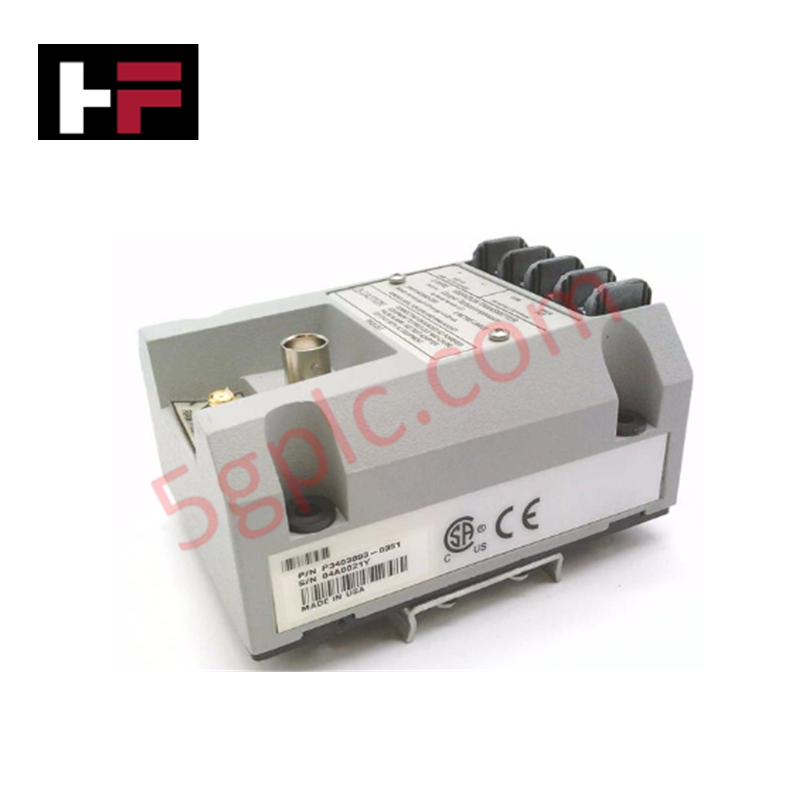
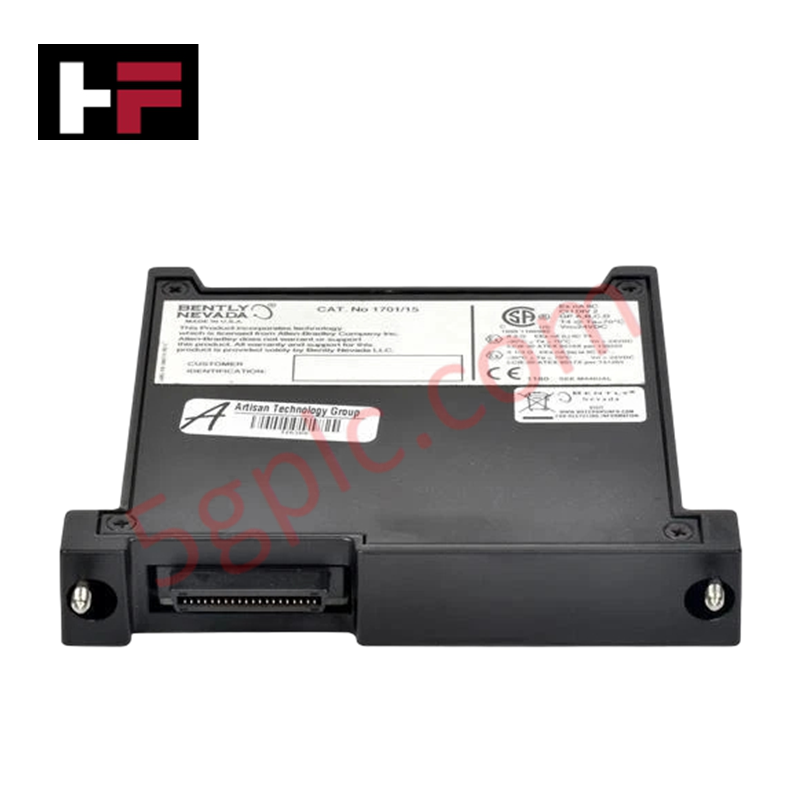
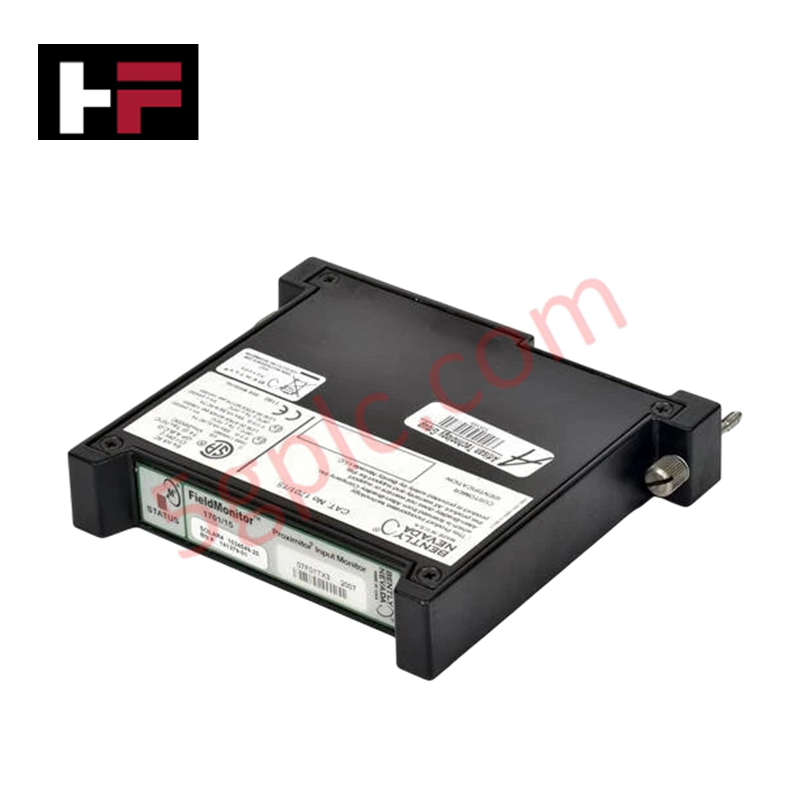
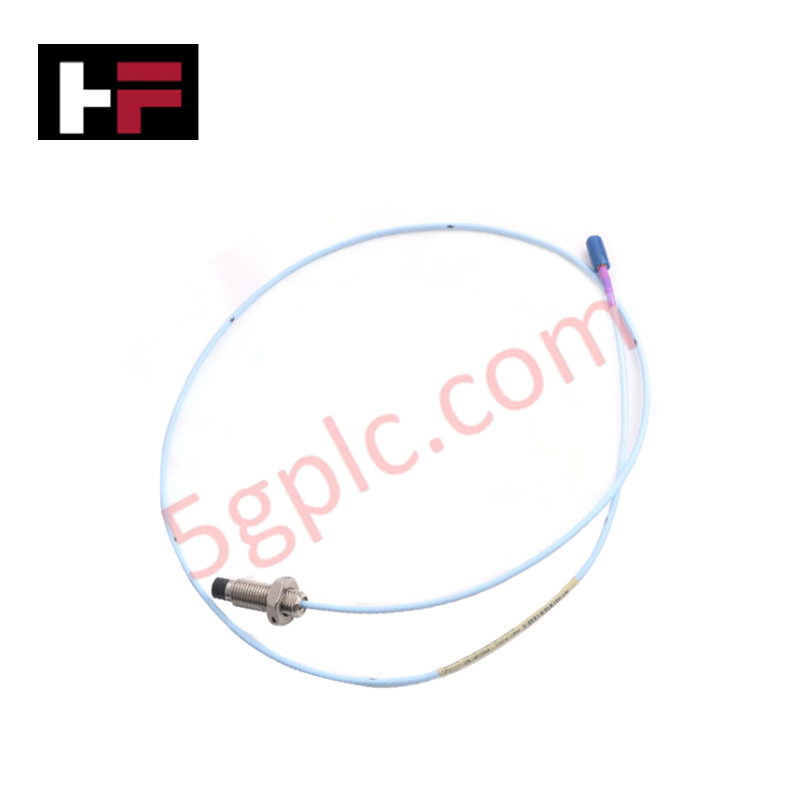
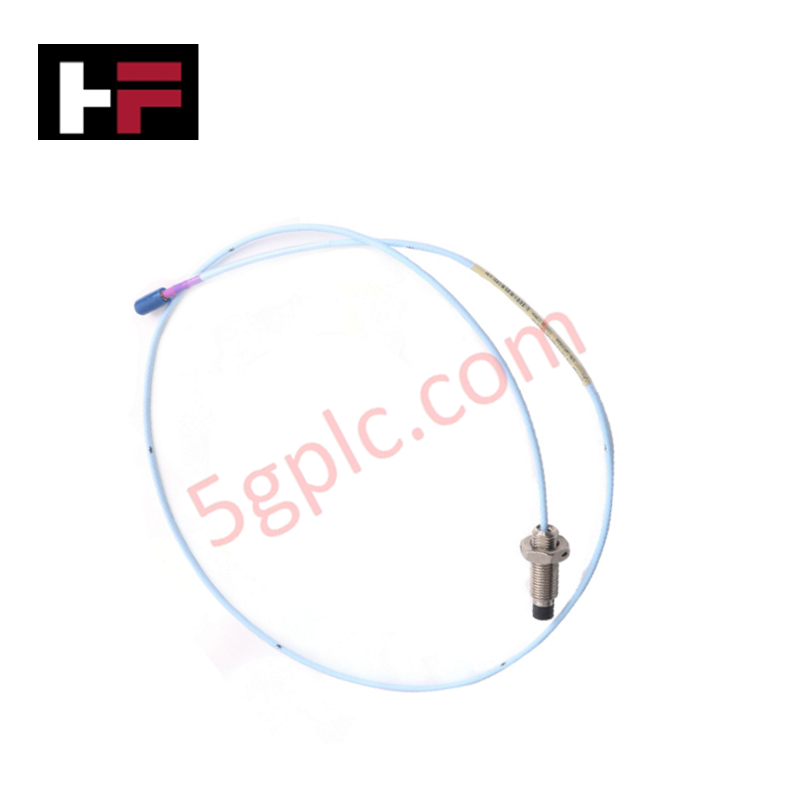
The Bently Nevada 792414506-04, also cataloged as the 792414506-04 Vibration Transmitter, operates as a dedicated hardware component for converting mechanical dynamic vibration into a proportional current loop signal within Bently Nevada machinery monitoring networks.
Hardware Specifications
| Parameter | Specification |
|---|---|
| Model | 792414506-04 |
| Brand | Bently Nevada |
| Origin | USA / As specified on hardware label |
| Weight | 0.5 kg (1.10 lbs) |
| Dimensions | Standard industrial transmitter footprint |
| Operating Temp | -40 to 85 deg C |
| Power Consumption | 24 VDC loop powered |
| Output Signal | 4-20 mA |
| Frequency Range | 10 Hz to 1 kHz |
| Sensitivity | 100 mV/g |
| Housing Material | Stainless steel |
Eddy-Current Probe Scaling and Rotor Dynamics
The 792414506-04 processes raw dynamic motion to evaluate overall vibration amplitude for rotor dynamics evaluation on rotating equipment. Internal signal conditioning translates piezoelectric accelerometer or proximity probe inputs into standardized linear current signals. When combined with proximity transducers, gap voltage validation targets (-10 VDC baseline) ensure correct physical probe distance relative to the shaft surface before eddy-current probe scaling is applied. Integrated high-frequency filtering suppresses cross-talk noise and parasitic electrical interference across adjacent field channels.
Frequently Asked Questions
Q: How is the 4-20 mA current loop scaled relative to measured machine vibration?
A: The 4-20 mA output provides a proportional analog signal corresponding to overall vibration velocity or acceleration across the specified 10 Hz to 1 kHz frequency band.
Q: What power source is required to drive the 792414506-04 transmitter circuit?
A: The transmitter operates on a standard 24 VDC loop-powered input circuit connected in series with the receiving control system I/O card.
Field Installation Guidelines
- Thread the stainless steel sensor housing directly into a rigidly tapped machine casing port using specified torque values to ensure proper high-frequency vibration coupling.
- Connect shielded twisted-pair cabling to the 24 VDC loop terminals, terminating the cable drain wire to earth ground at the monitoring panel end only.
- Ensure physical wiring routes avoid high-voltage motor power leads and conduits to mitigate electromagnetic cross-talk.
- Verify mechanical mounting alignment to prevent strain on the integral connector body or field cabling during machine thermal expansion.
Additional Information
- 100% Genuine Parts: All products are original and authentic, ensuring reliable industrial performance.
- 30-Day Refund Guarantee: Return any in-stock item within 30 days in original, unopened packaging for a full refund (excluding shipping and fees).
- 12-Month Warranty: Covers defects in materials or workmanship; excludes misuse, normal wear, or unauthorized modifications.
- Worldwide Shipping: We ship via USPS, UPS, FedEx, and DHL. Delivery times vary by country and may be subject to customs or import fees.
- Support & Contact: Technical and warranty assistance is available anytime. Contact us here: Contact.
- Purchase Guidance: Check product specifications and compatibility carefully before ordering to ensure proper application.


Tech & Buying Guide
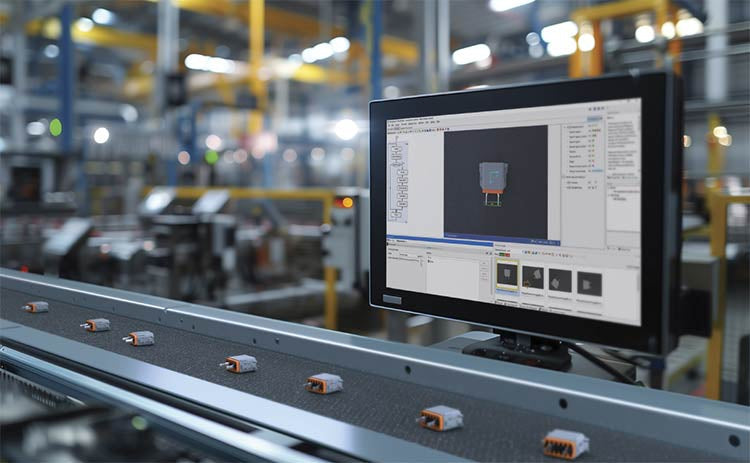
Modern Industrial Automation: Transforming Safety and Efficiency in Mining Operations
Industrial automation has evolved from a simple manufacturing tool into the operational backbone of high-risk sectors. Modern mining operations increasingly rely on advanced control systems, programmable logic controllers (PLCs), distributed control systems (DCS), and artificial intelligence to address deep-underground hazards. By replacing manual labor in high-risk zones, factory automation technologies protect personnel while significantly boosting operational throughput.

Step-by-Step System Cabinet Health Check Guide for PLC and DCS Infrastructure
