










Product Details
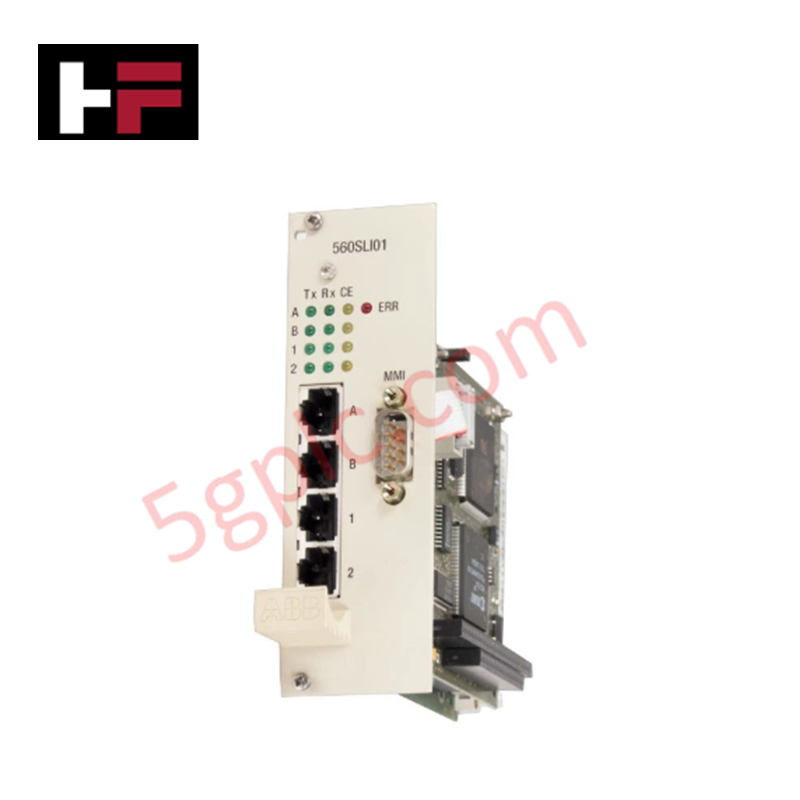
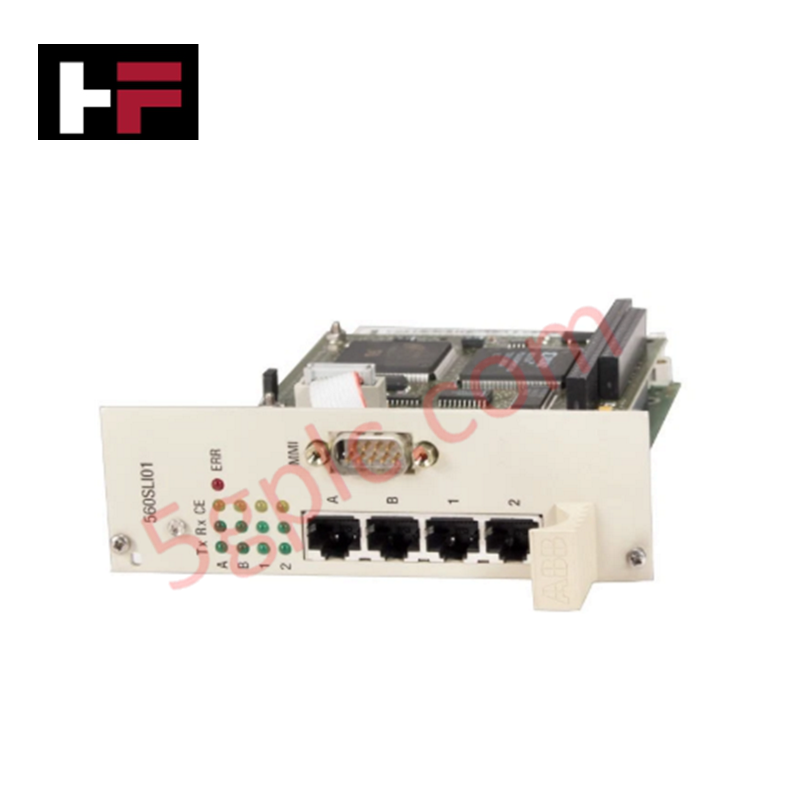
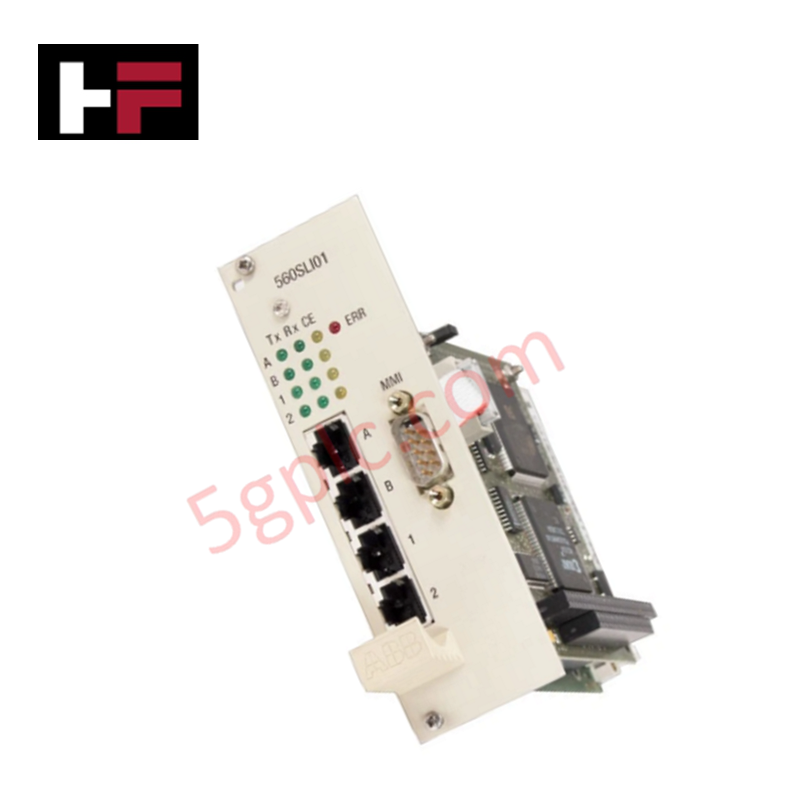
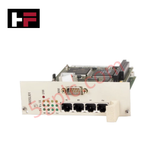
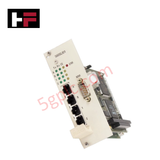
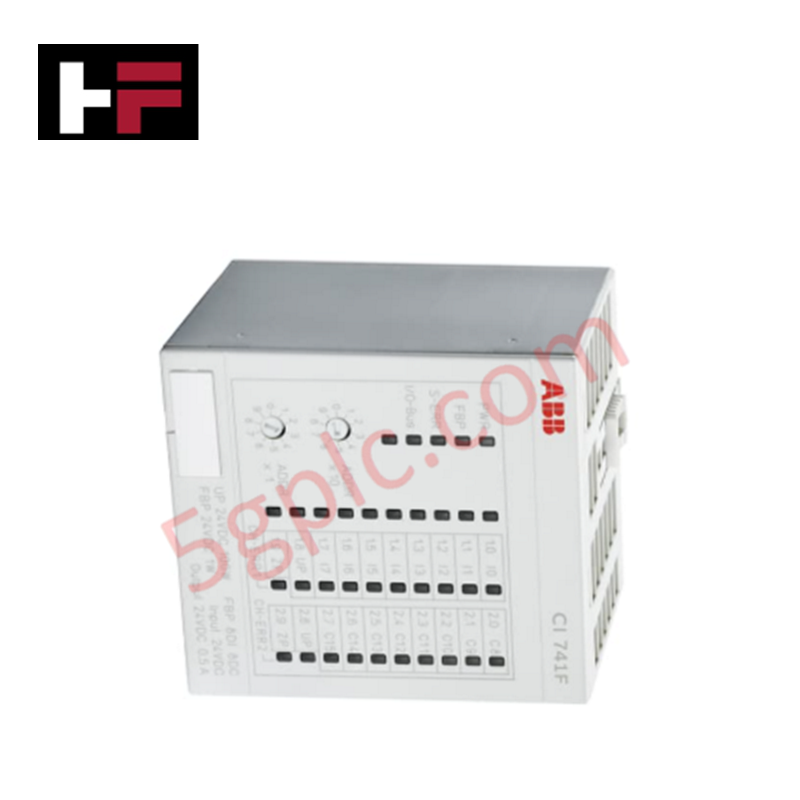
Configured for electrical motor speed control and parameter modulation in industrial automation systems, the ABB 560SLI01 (560SLI01 General-Purpose Drive) provides direct physical/electrical execution. The hardware dynamically controls output frequency and voltage vectors to govern external motor shafts matching localized load profiles. Operating across scalable performance limits, this hardware assembly utilizes internal sensor arrays and processing blocks to monitor actual performance metrics via an icon-based display terminal while optimizing line energy utilization.
Hardware Specifications
| Parameter | Specification |
|---|---|
| Model | 560SLI01 |
| Brand | ABB |
| Origin | Finland (Standard manufacturing location applies) |
| Weight | Unit size dependent |
| Dimensions | Enclosure frame dependent |
| Operating Temp | -10 to +40 deg C (Standard industrial parameters apply) |
| Power Consumption | 0.75 kW to 160 kW (Total output capacity range) |
| Core Performance Index | Integrated energy optimizer and load analyzer |
| User Interface | Icon-based display unit |
| System Macros | Pre-configured application setup macros |
Profinet / EtherNet/IP Deterministic Networks
The 560SLI01 module supports synchronous execution loops across Profinet / EtherNet/IP deterministic networks to enforce strict synchronization limits between the master controller and mechanical axes. The onboard drive controller samples the pulse-width modulation (PWM) switching frequencies and internal currents, updating the operational status profile on the host industrial bus within fixed cyclic timeframes. This real-time synchronization profile prevents variable transmission delays and eliminates timing errors during concurrent multi-axis motor scaling procedures.
Frequently Asked Questions
Q: How does the integrated load analyzer collect operational data on the 560SLI01 drive module?
A: The onboard load analyzer captures continuous current draw, voltage amplitude, and torque values. It maps these parameters into specific amplitude logger registers directly inside the local memory buffer, permitting direct diagnostic evaluation without requiring external instruments.
Q: Is hot-swapping or on-line replacement of the control line terminal boards permitted while the motor is running?
A: No. Disconnecting the control line terminals or interface circuits while power circuits are energized can induce electrical transients, interrupt active speed loop feedback, and risk causing permanent failure of the internal gate driver components.
Q: How do the built-in application macros affect the initial setup sequence of the drive?
A: The application macros contain pre-configured sets of parameter registers optimized for specific industrial control schemes. Selecting a macro automatically writes fixed values to the digital I/O maps, scaling parameters, and frequency references, reducing configuration step requirements.
Field Installation Guidelines
The 560SLI01 hardware must be mounted vertically onto a rigid backplate inside an industrial control enclosure that meets local environmental ingress criteria. Power supply wiring and motor conductor cables must be physically separated from low-voltage signal control wiring using independent grounded metal conduits. Ensure that motor leads utilize high-performance shielded cables, with the copper shield layer securely clamped at the cabinet boundary ground bus. Maintain a vertical clear boundary space of at least 100 mm above and below the cooling fans to ensure unhindered airflow and prevent internal heat pockets.
Additional Information
- 100% Genuine Parts: All products are original and authentic, ensuring reliable industrial performance.
- 30-Day Refund Guarantee: Return any in-stock item within 30 days in original, unopened packaging for a full refund (excluding shipping and fees).
- 12-Month Warranty: Covers defects in materials or workmanship; excludes misuse, normal wear, or unauthorized modifications.
- Worldwide Shipping: We ship via USPS, UPS, FedEx, and DHL. Delivery times vary by country and may be subject to customs or import fees.
- Support & Contact: Technical and warranty assistance is available anytime. Contact us here: Contact.
- Purchase Guidance: Check product specifications and compatibility carefully before ordering to ensure proper application.






Tech & Buying Guide

Mastering the Siemens PLC Scan Cycle: How the CPU Executes Automation Programs
Industrial automation relies heavily on programmable logic controllers (PLCs) to manage complex manufacturing processes. Many engineers dive straight into programming without mastering the underlying architecture. However, understanding how a PLC CPU executes a program ensures reliable system design. Therefore, mastering the scan cycle optimizes both performance and troubleshooting in modern control systems.

How to Connect to Siemens S7 PLCs: 5 Essential Communication Methods
Establishing a reliable hardware link between a programming terminal and a Siemens SIMATIC controller is essential for engineering workflows. Field engineers rely on distinct physical layers, ranging from legacy serial connections to high-speed Industrial Ethernet protocols. Modern factory automation environments prioritize fast data transfer and seamless driver integration. Selecting the correct connection method simplifies program downloads, online monitoring, and system troubleshooting in complex control systems.

Will PLCs Become Obsolete? The Future of Control Systems in Industry 4.0
Modern manufacturing is undergoing a rapid technological transformation driven by Industry 4.0 innovations. Technologies like Artificial Intelligence (AI), Machine Learning (ML), and the Industrial Internet of Things (IIoT) are dominating discussions across the factory automation sector. Consequently, many engineers wonder if these advanced digital tools will eventually replace traditional Programmable Logic Controllers (PLCs). However, evaluating the core physics of industrial operations reveals a very different reality for control systems.