










Product Details
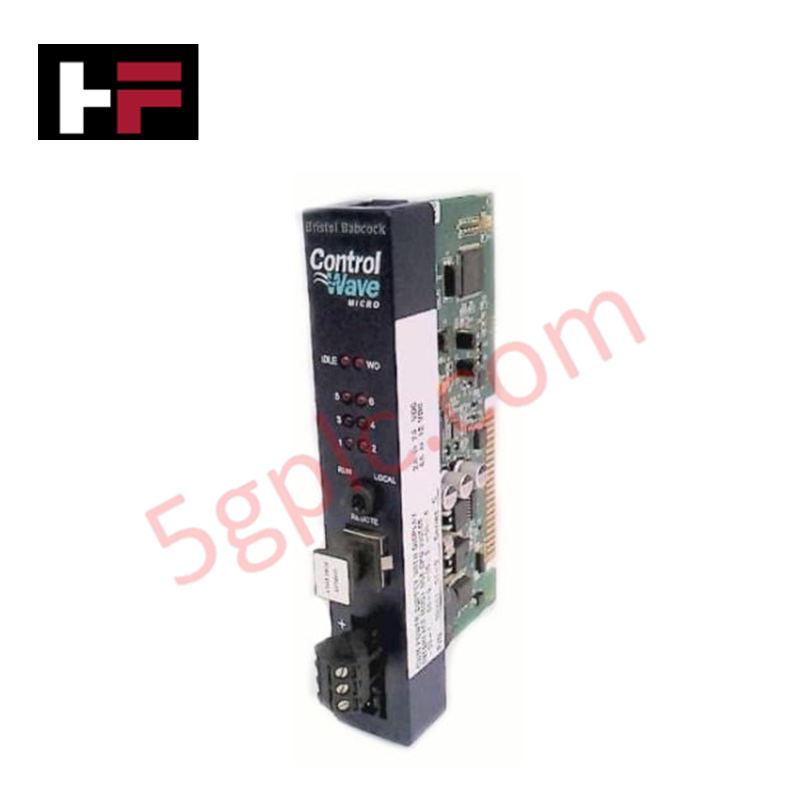
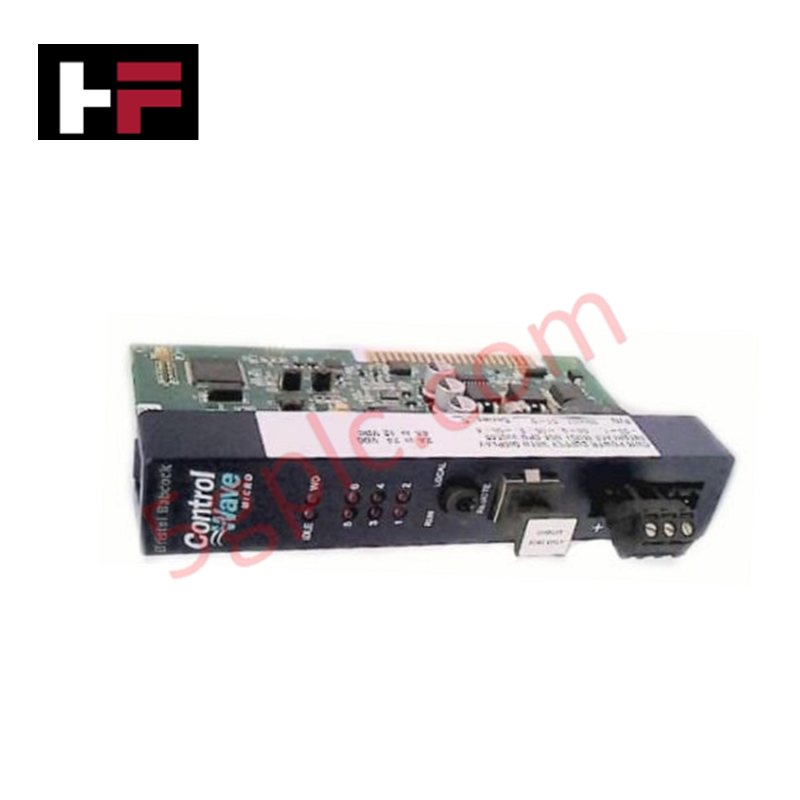
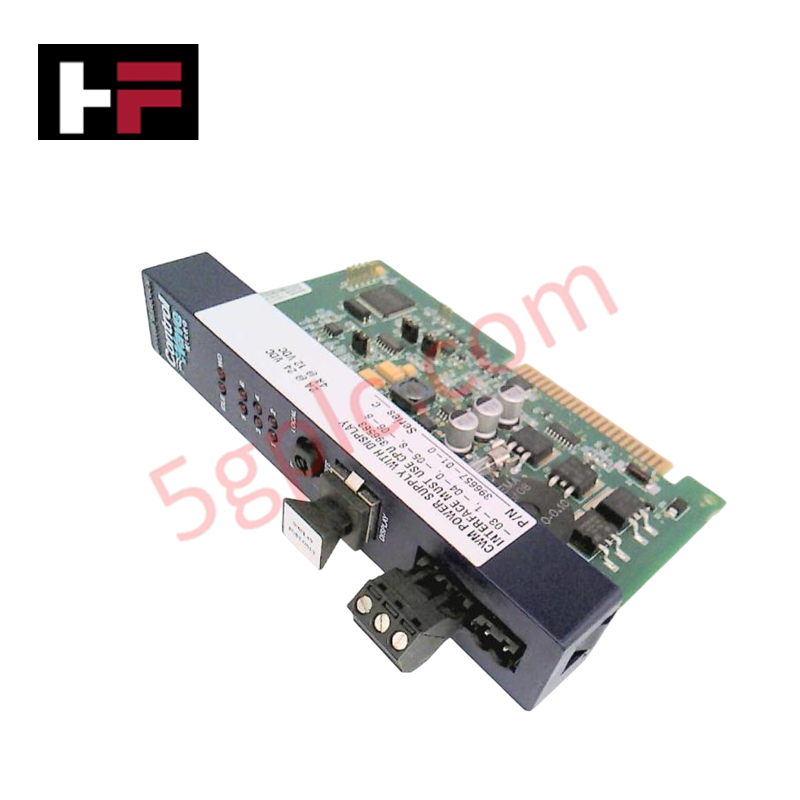
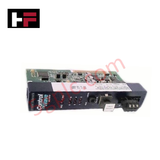
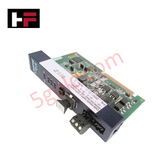
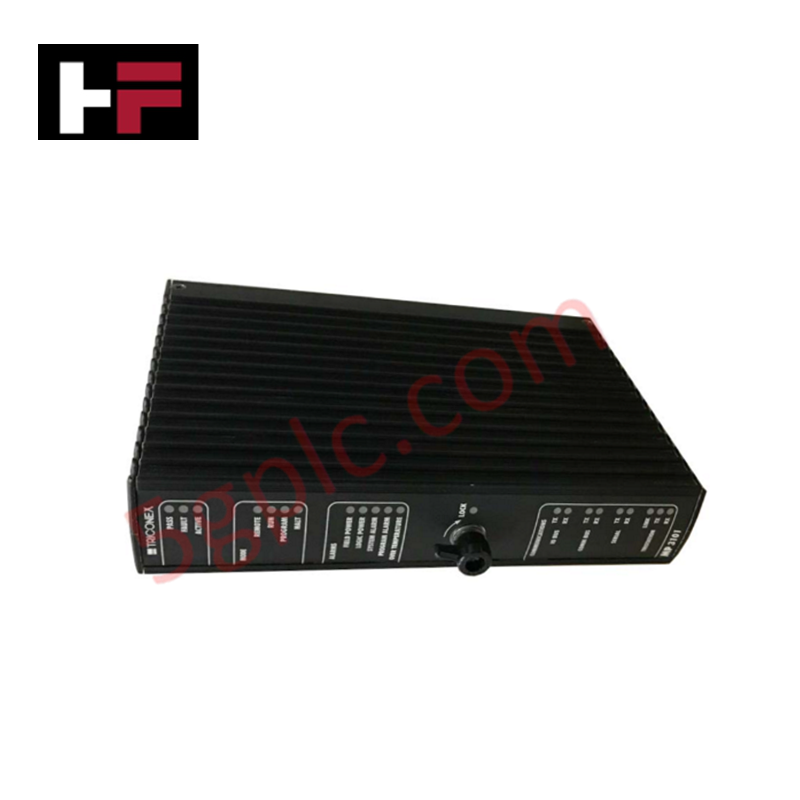
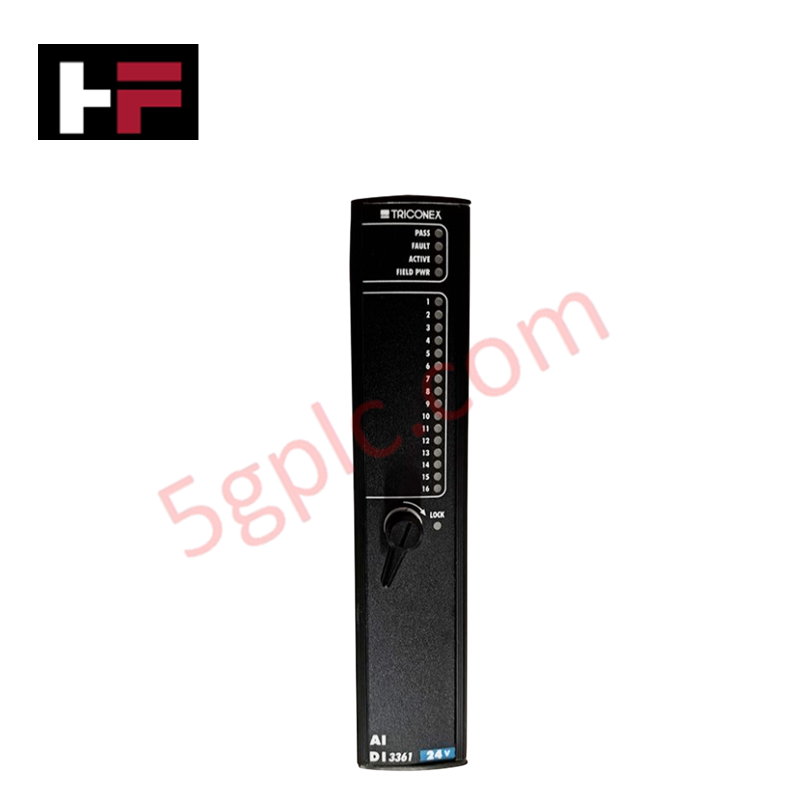
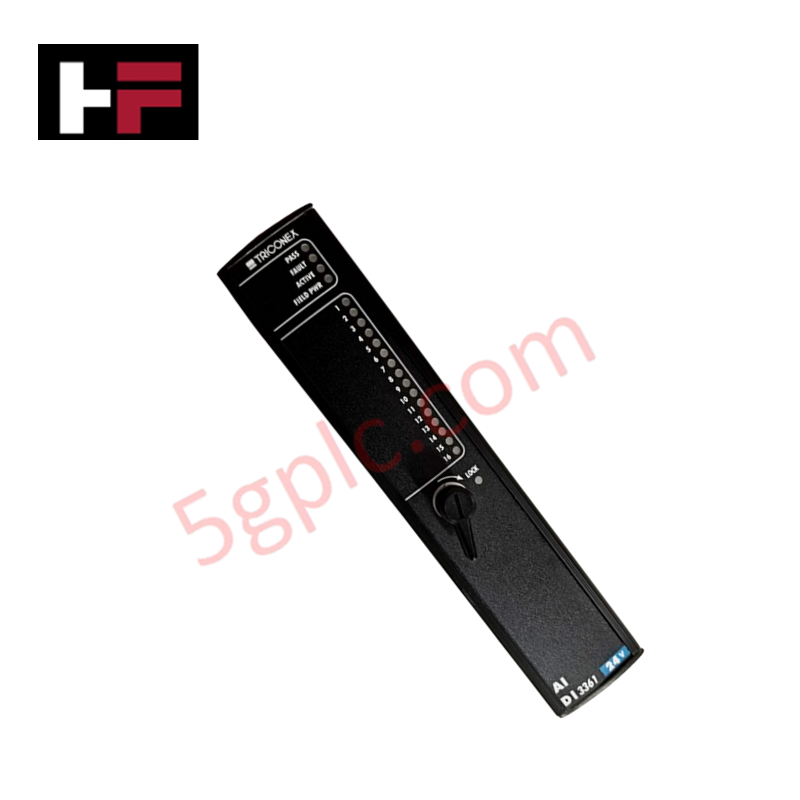
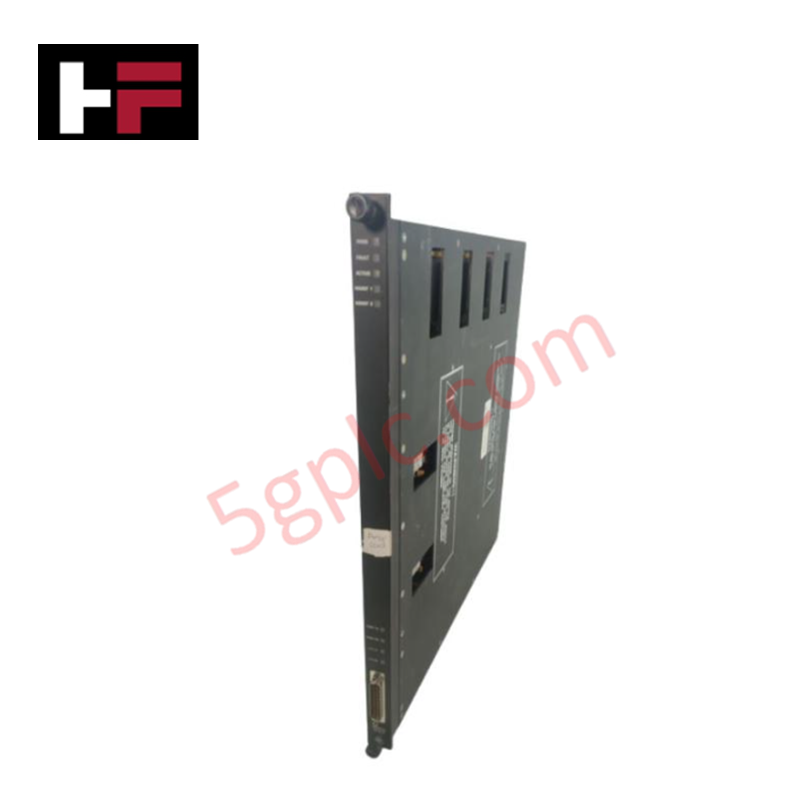
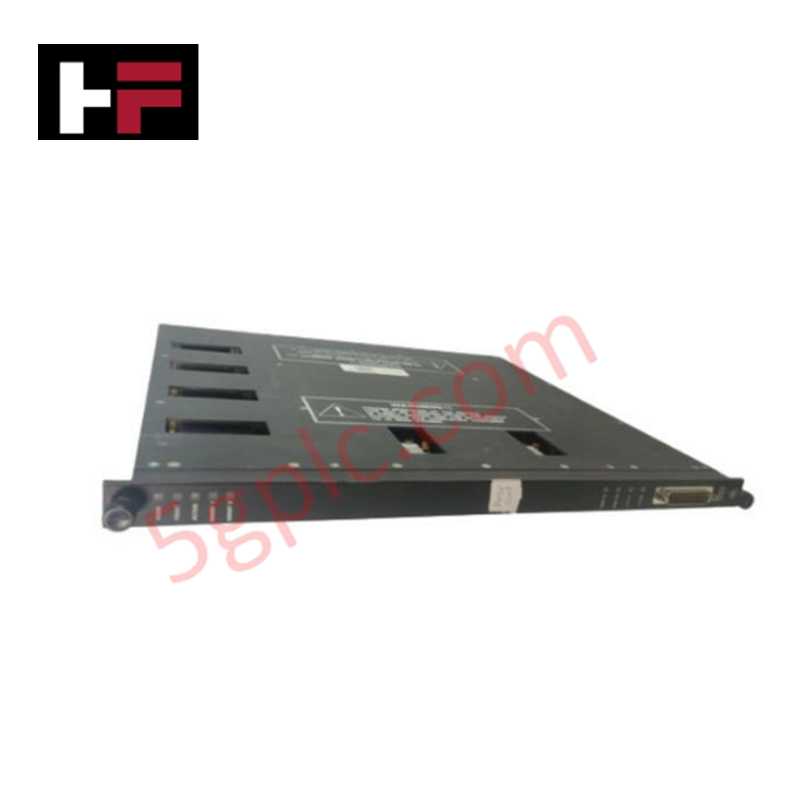
The Emerson 396657-01-0, also cataloged as the 396657-01-0 CPU Module, operates as a dedicated hardware component for central logic processing and local sub-bus scheduling within DeltaV system topologies. This processing unit directly monitors localized I/O hardware channels, executes downloaded system configuration scripts via real-time runtime operating loops, and maintains deterministic tracking intervals across the associated industrial control architecture.
Hardware Specifications
| Parameter | Specification |
| Model | 396657-01-0 |
| Brand | Emerson (formerly Bristol Babcock) |
| Origin | USA |
| Weight | 0.85 kg |
| Dimensions | Standard DeltaV controller carrier module profile |
| Operating Temp | -40 deg C to +70 deg C |
| Power Consumption | Input voltage: 12-24 VDC (Backplane logic current draw specified by carrier) |
| Core Functionality | Real-time I/O scanning and software application execution |
| Physical Attributes | Integrated front-panel layout mechanical security lock key option |
| Airborne Contaminants | ISA-S71.04 Class G3 compliance |
| Relative Humidity | 5% to 95% non-condensing |
Channel-To-Channel Isolation and DCS Synchronization
Mechanical execution of this central processing architecture utilizes continuous boundary separation layers to maintain subsystem synchronization metrics. The inner layout provides galvanic logic-to-field isolation which acts in tandem with 4-20 mA HART loop protocol routing networks down at the baseplate level. This hardware boundary protects internal microprocessor registers from common-mode voltage spikes, shifting reference potentials, and line noise generated on external sensor loops, allowing uninterrupted backplane bus synchronization during live data transfer cycles.
Frequently Asked Questions
Q: Does this central processing module allow live hot-swap replacement routines?
A: No. Unlike specific modular I/O tracks, pulling out or inserting a primary CPU processor module requires system power isolation or a predefined redundant secondary switchover to prevent immediate control network faults or backplane communication disruptions.
Q: What is the mechanical function of the integrated hardware lock key interface?
A: The lock key restricts access to the internal firmware partition, physically blocking remote configuration updates or online logic changes when turned to the run position to preserve active system operational baseline settings.
Field Installation Guidelines
-
Baseplate Carrier Insertion: Line up the chassis alignment ribs on the CPU module with the guide rails of the master controller slot. Push the hardware inward firmly until the internal pins mate completely with the backplane distribution network.
-
Power Supply Voltage Verification: Check that input line distribution voltages stay inside the factory-defined 12-24 VDC window before powering on the slot configuration to prevent downstream logic element failures.
-
Shield Ground Tracking: Terminate all external network interfaces and serial screen lines exclusively at the centralized marshalling panel common ground bus bar. A single-point grounding layout must be maintained to prevent high-frequency loop distortions.
-
Environmental Enclosure Management: For deployments near continuous chemical or ambient moisture zones, place the hardware in an airtight, positive-pressure industrial cabinet to ensure airborne contaminants stay within Class G3 parameters.
Additional Information
- 100% Genuine Parts: All products are original and authentic, ensuring reliable industrial performance.
- 30-Day Refund Guarantee: Return any in-stock item within 30 days in original, unopened packaging for a full refund (excluding shipping and fees).
- 12-Month Warranty: Covers defects in materials or workmanship; excludes misuse, normal wear, or unauthorized modifications.
- Worldwide Shipping: We ship via USPS, UPS, FedEx, and DHL. Delivery times vary by country and may be subject to customs or import fees.
- Support & Contact: Technical and warranty assistance is available anytime. Contact us here: Contact.
- Purchase Guidance: Check product specifications and compatibility carefully before ordering to ensure proper application.



Tech & Buying Guide

Human-Machine Interface Design: Essential Guide to HMI Selection, Visualization, and Control System Integration
Human-Machine Interfaces (HMIs) serve as the primary operational window into complex industrial automation systems. Modern HMIs convert raw machine data into clear graphical displays, enabling operators to oversee entire manufacturing processes in real time. Instead of relying on physical control panels full of hardwired switches, engineers program interactive screens using intuitive graphics, dynamic color coding, and responsive touch interfaces. Over my 15 years in control systems engineering, I have observed HMIs transform from basic display screens into sophisticated command centers that drive operational efficiency across DCS and PLC environments.

Understanding Safety Relays in Industrial Automation: Architecture, Operation, and Functional Safety
Standard electromechanical relays provide basic electrical isolation between low-voltage control circuits and high-power output loads. A traditional switching relay features a magnetic coil driving mechanical Common (COM), Normally-Open (NO), and Normally-Closed (NC) contacts. However, standard relays pose severe functional risks when deployed in critical safety interlock circuits. High current inrush or mechanical wear can weld contacts together permanently. If contact welding occurs in an emergency stop circuit, pressing the button fails to halt hazardous machinery movements. Consequently, global functional safety standards prohibit standard relays for critical machine guarding functions.

Mastering Wire Identification in Industrial Automation: The Power of Ferrules and Cross-Ferruling
Proper wire labeling forms the cornerstone of reliable control system installation and long-term maintenance. In complex industrial automation environments, technicians terminate thousands of conductor ends inside control panels, marshalling racks, and field junction boxes. Ferrules serve as individual tube-shaped sleeve markers slipped onto conductors before final termination. While technicians historically relied on pre-printed individual letter rings, modern control panel builders utilize automated ferrule printing machines. These thermal-transfer printers generate durable, single-sleeve heat-shrink tags directly matching approved wiring schematics, significantly accelerating cabinet assembly workflows.