










Product Details
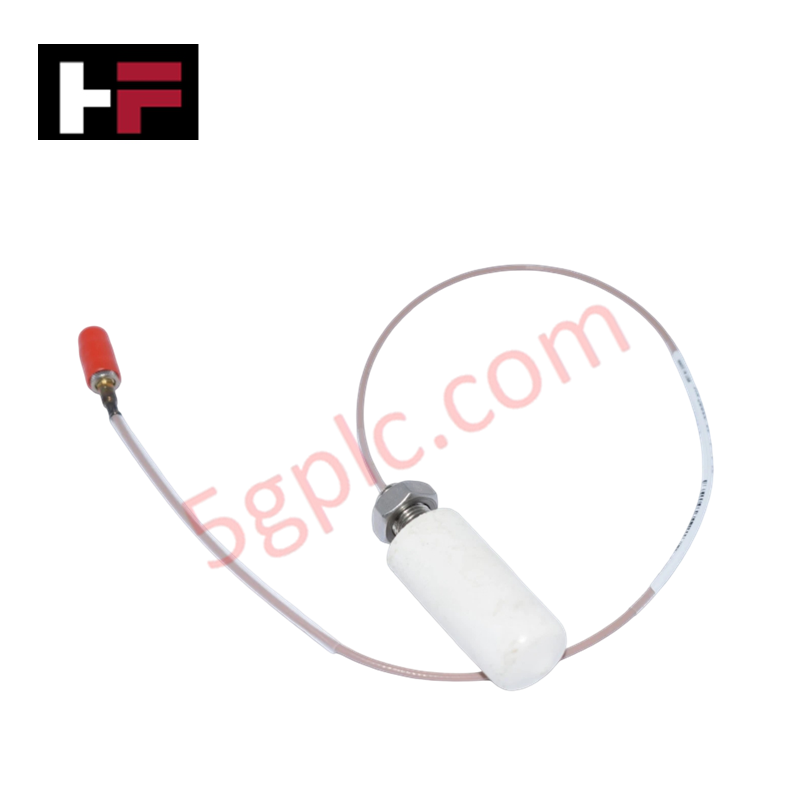
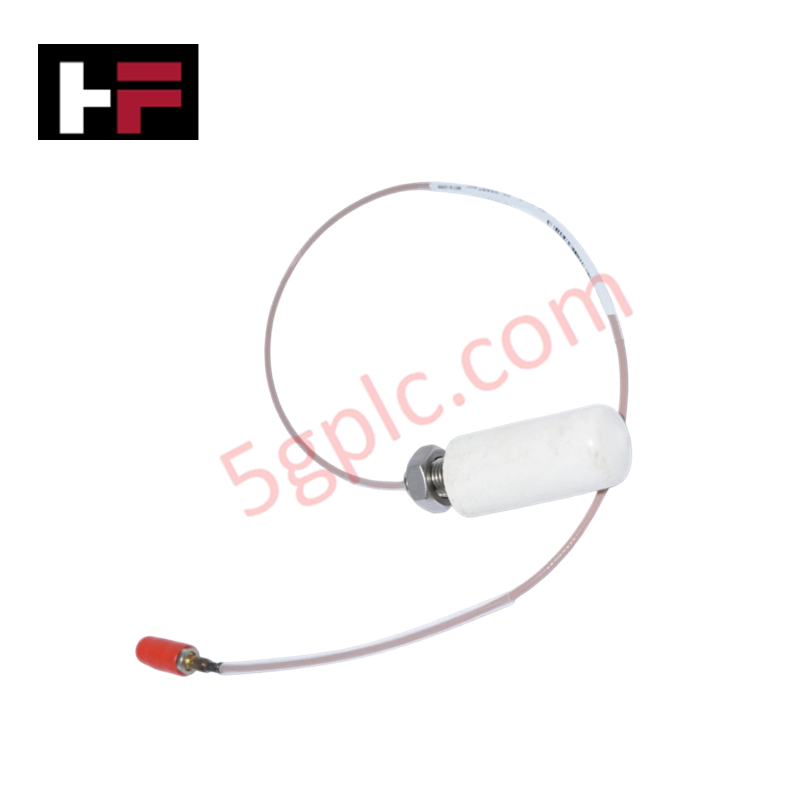
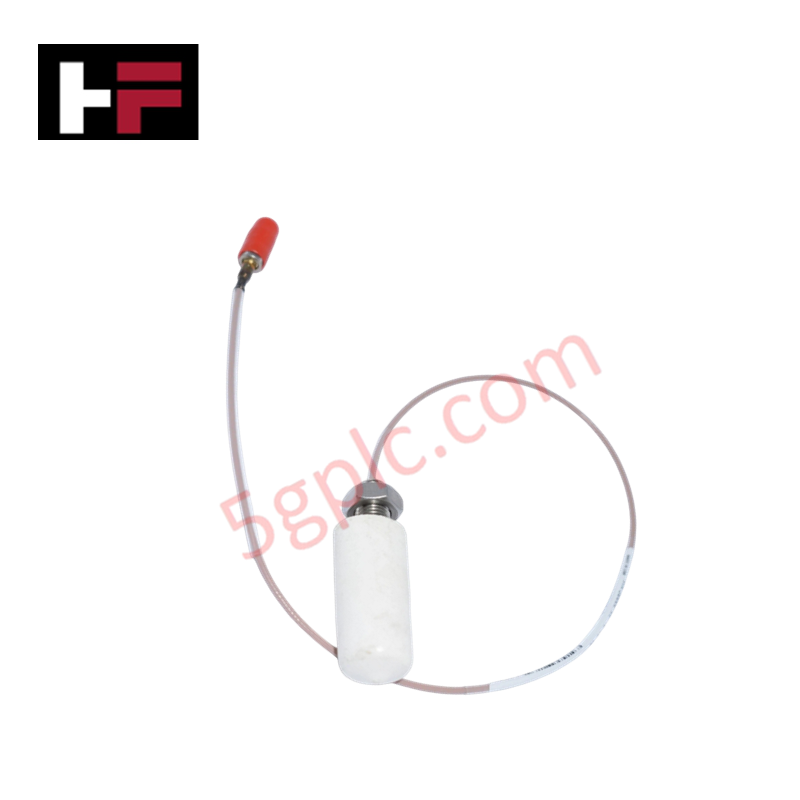
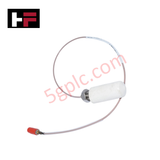
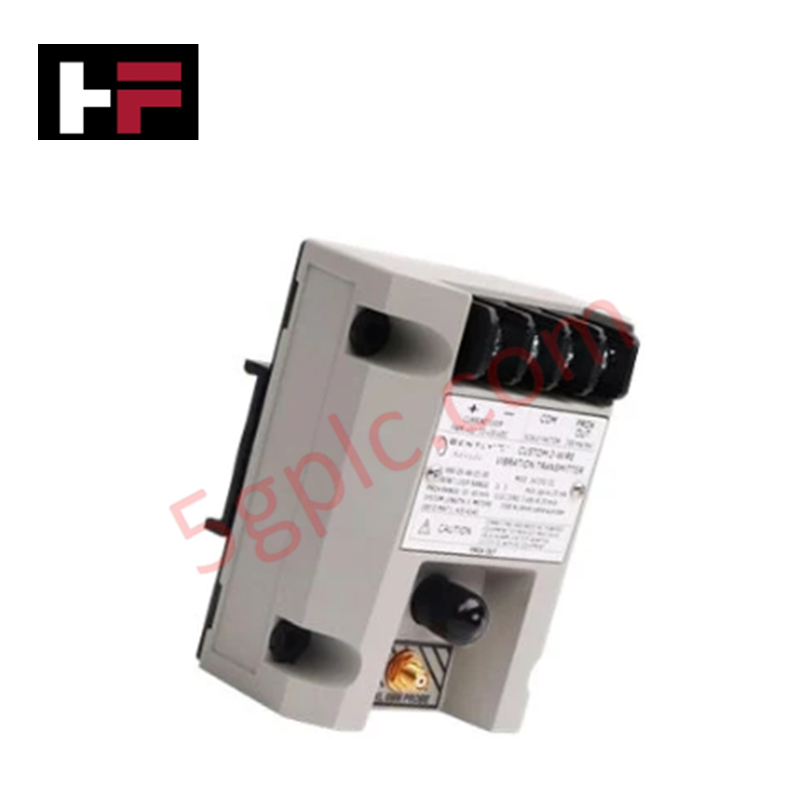
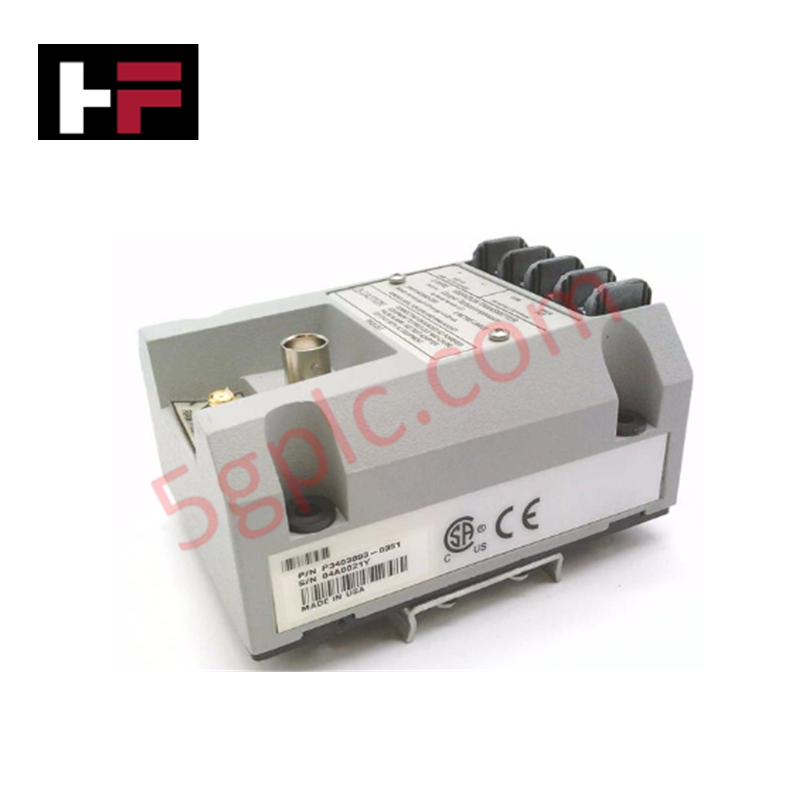
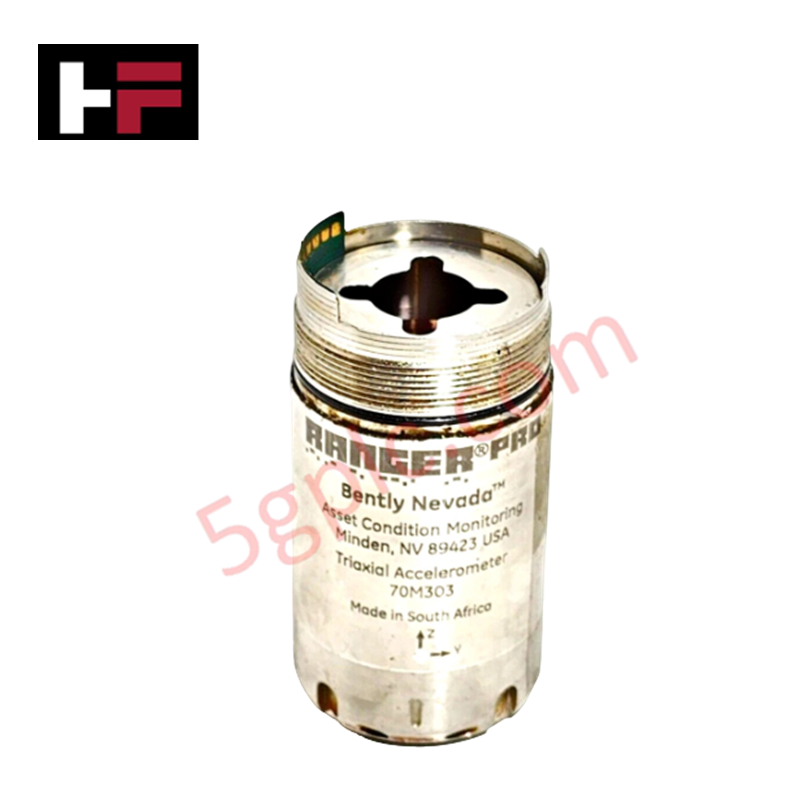
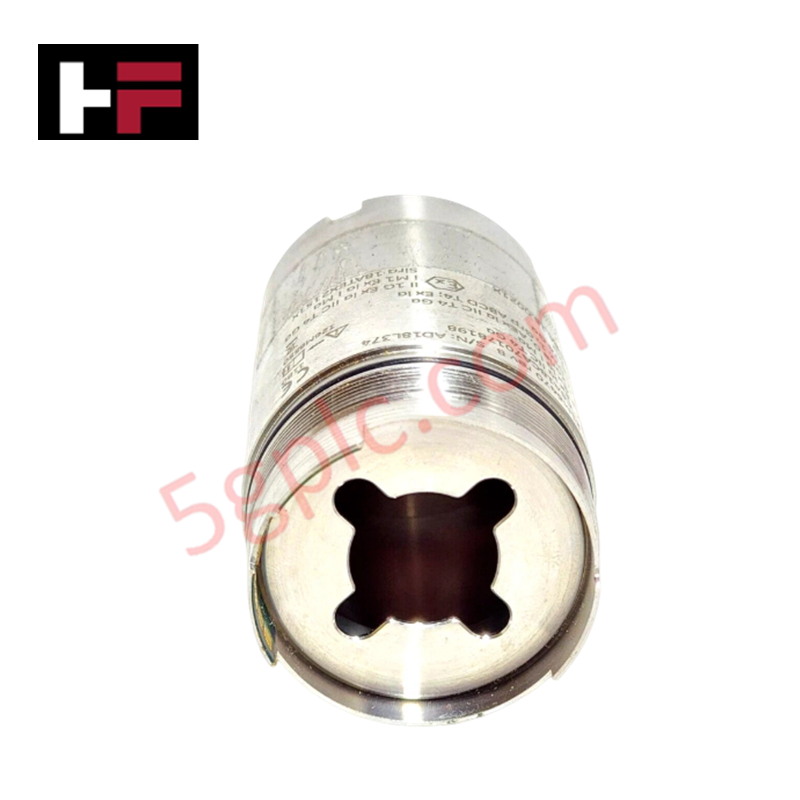
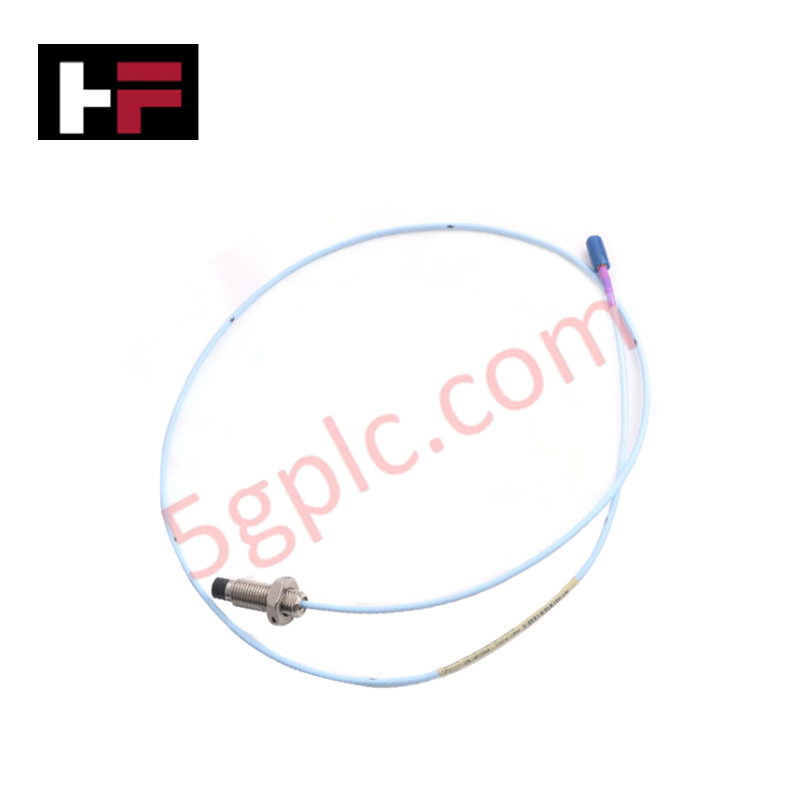
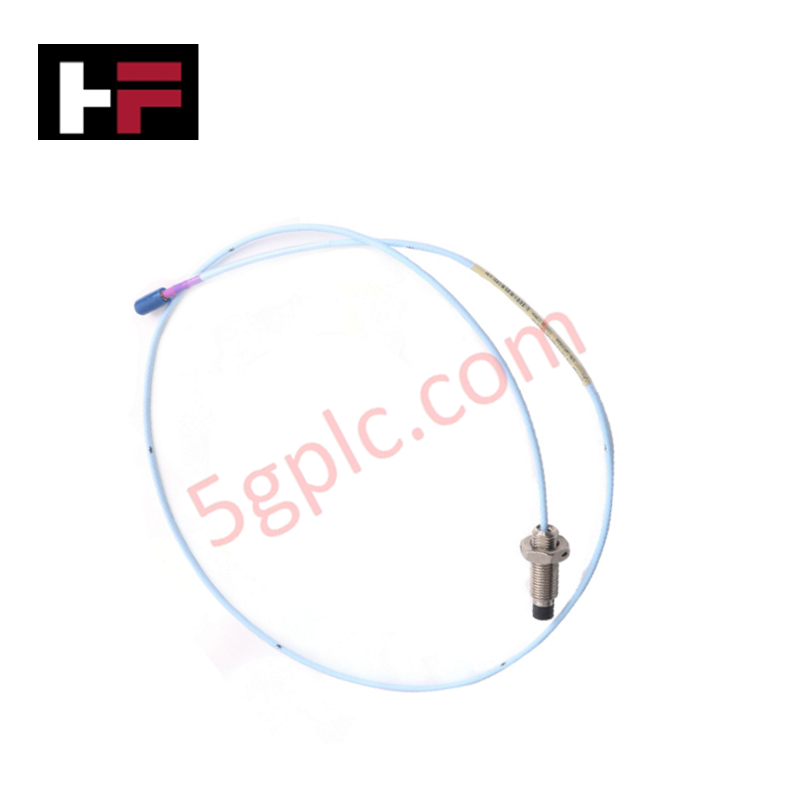
The Bently Nevada 21500-00-16-05-02, also cataloged as the 21500 Proximity Probe, operates as a dedicated hardware component for contactless shaft position and dynamic displacement acquisition within 7200 Series Vibration Monitoring Systems.
Suffix Breakdown & Model Matrix
| Option Field | Code | Configuration Detail |
|---|---|---|
| Unthreaded Length Option | 00 | 0.0 in unthreaded length |
| Overall Case Length Option | 16 | 1.6 in overall case length |
| Total Cable Length Option | 05 | 0.5 m (20 in) integral cable length |
| Agency Approval Option | 02 | Multiple approvals (CSA, ATEX, IECEx) |
Hardware Specifications
| Parameter | Specification |
|---|---|
| Model | 21500-00-16-05-02 |
| Brand | Bently Nevada |
| Origin | USA |
| Weight | 0.15 kg |
| Dimensions | 1/4-28 UNF thread, 1.6 in case length |
| Operating Temp | -40 deg C to +85 deg C |
| Power Consumption | Powered via external Proximitor sensor (-24 VDC loop) |
| Measurement Range | 0 to 80 mils (0 to 2.0 mm) peak-to-peak |
| Frequency Response | 10 Hz to 1 kHz |
| Scale Factor / Sensitivity | 200 mV/mil (7.87 V/mm) nominal |
| Cable Length | 0.5 m (20 in) integral probe cable |
Eddy-Current Probe Scaling and Gap Voltage Validation
The 21500-00-16-05-02 probe relies on high-frequency electromagnetic field generation at the probe tip to track shaft displacement. Maintaining precise physical alignment and correct system matched capacitance ensures linear eddy-current probe scaling across the 200 mV/mil output response curve. Field setup requires static gap voltage validation (-10 VDC baseline setting target) using a calibrated digital multimeter during probe positioning. Correct gap setting prevents signal saturation at high vibration amplitudes and optimizes cross-talk suppression between adjacent vertical and horizontal shaft channels.
Frequently Asked Questions
Q: Does the 21500-00-16-05-02 probe connect directly to a 3500 series monitor card?
A: No, the proximity probe must route through an appropriately matched 7200 Series Proximitor sensor and extension cable to convert field capacitance change into a proportional voltage signal.
Q: Can the integral 0.5-meter probe cable be cut or modified during installation?
A: No, trimming or splicing the probe cable changes total circuit inductance and capacitance, causing severe calibration error in probe scaling.
Field Installation Guidelines
- Inspect the 1/4-28 UNF probe body threads and tip area for dirt, metal shavings, or mechanical thread damage before mounting.
- Thread the probe into the machine casing tapping boss until the probe tip approaches the target shaft face.
- Supply power to the associated Proximitor sensor and monitor the DC gap voltage across the sensor signal terminals.
- Adjust the probe position mechanically until the gap voltage reaches the nominal -10 VDC gap target (approximate midpoint of the 200 mV/mil linear range).
- Lock the probe securely in place using a external locknut, torque to standard mechanical limits, and route the integral cable to the extension cable junction box.
Additional Information
- 100% Genuine Parts: All products are original and authentic, ensuring reliable industrial performance.
- 30-Day Refund Guarantee: Return any in-stock item within 30 days in original, unopened packaging for a full refund (excluding shipping and fees).
- 12-Month Warranty: Covers defects in materials or workmanship; excludes misuse, normal wear, or unauthorized modifications.
- Worldwide Shipping: We ship via USPS, UPS, FedEx, and DHL. Delivery times vary by country and may be subject to customs or import fees.
- Support & Contact: Technical and warranty assistance is available anytime. Contact us here: Contact.
- Purchase Guidance: Check product specifications and compatibility carefully before ordering to ensure proper application.


Tech & Buying Guide
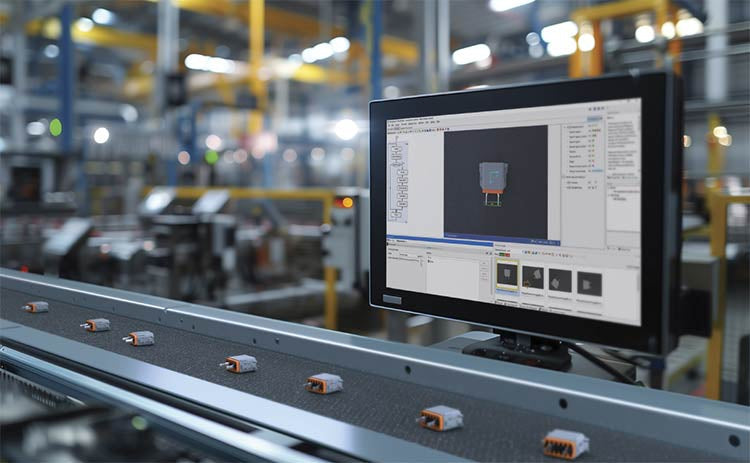
Modern Industrial Automation: Transforming Safety and Efficiency in Mining Operations
Industrial automation has evolved from a simple manufacturing tool into the operational backbone of high-risk sectors. Modern mining operations increasingly rely on advanced control systems, programmable logic controllers (PLCs), distributed control systems (DCS), and artificial intelligence to address deep-underground hazards. By replacing manual labor in high-risk zones, factory automation technologies protect personnel while significantly boosting operational throughput.

Step-by-Step System Cabinet Health Check Guide for PLC and DCS Infrastructure
