










Product Details
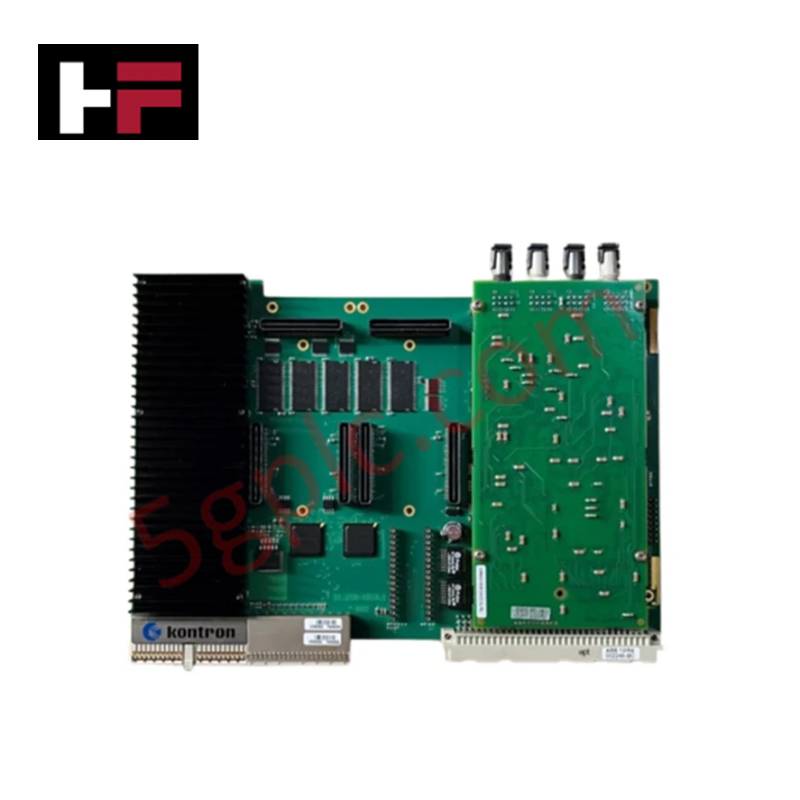
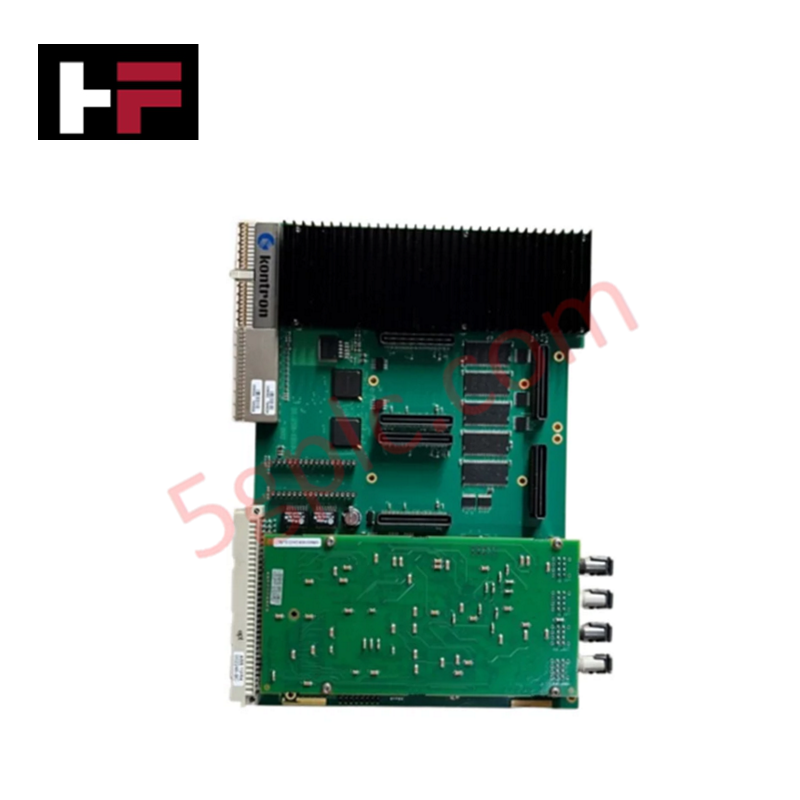
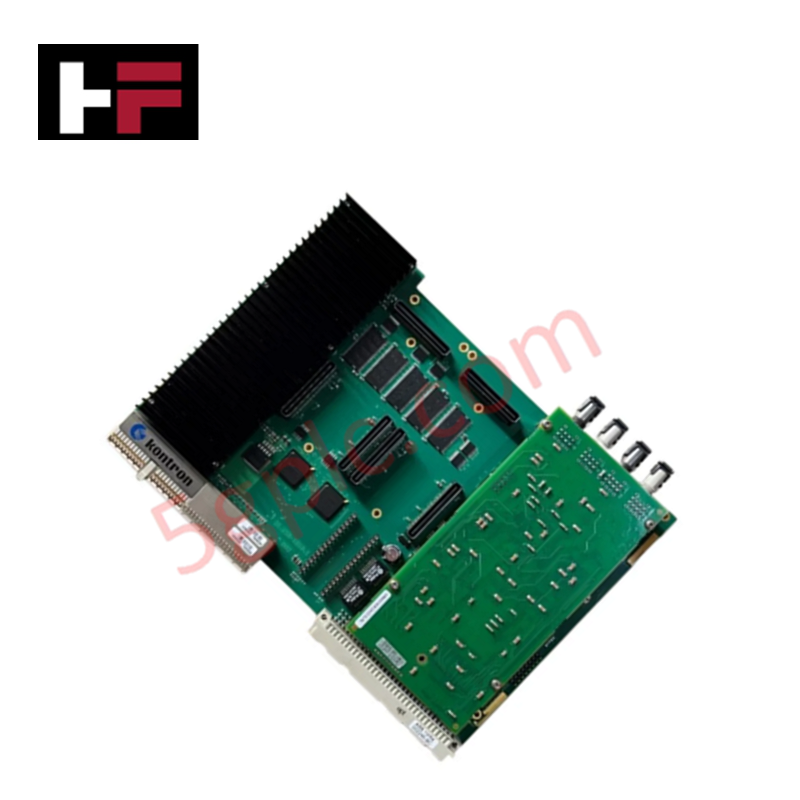
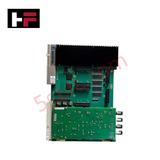
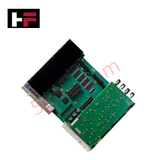
Configured for high-speed protective calculations and mathematical matrix tracking in transmission networks, the ABB 1MRK002246-BC (RED670 HV Relay CPU) provides direct physical/electrical execution. The hardware serves as a basic Numerical Processing Unit (NUM) that interfaces with secondary current transformer inputs over the subrack backplane to manage line differential trip determination routines.
Hardware Specifications
| Parameter | Specification |
|---|---|
| Model | 1MRK002246-BC |
| Brand | ABB |
| Origin | Sweden |
| Product Type | NUM (Basic) Processing Module |
| Clock Frequency | 600 MHz |
| Cache Memory | 1 MB cache |
| Application Assignment | High voltage relay CPU for ABB RED 670 systems |
| Chassis Slot Assignment | Location P30 |
| Operating Temp | -25 to +55 deg C |
| Power Consumption | Dependent on active internal bus utilization and port density |
| Dimensions | Standard Relion 670 internal PCB card size |
| Weight | Standard processing card weight profile |
Profinet / EtherNet/IP Deterministic Networks Performance
The 600 MHz processor operates within standard limits governed by specific backplane bus communication velocity Licences assigned to the subrack configuration. Telemetry data derived from analog input boards are mapped using standardized I/O density scaling profiles across internal data lanes. Real-time peer-to-peer GOOSE performance requires absolute firmware flash compatibility between this core CPU card and adjacent peripheral network modules to prevent algorithmic calculation lag or data sync failures during fault sequences.
Frequently Asked Questions
Q: Can the 1MRK002246-BC processing board be extracted from location P30 while the relay chassis power is live?
A: No. Hot-swapping or unlatching this CPU assembly during active system operations is prohibited. The auxiliary low-voltage power supply must be disconnected to prevent data corruption in the 1 MB cache or physical damage to the backplane pins.
Q: What physical indicator confirms a loss of synchronization between this processing module and external I/O channels?
A: A communication dropout or version mismatch initiates a localized hardware watchdog cycle, forcing the relay faceplate LEDs into a blocked state and disabling all dependent trip contacts.
Q: How is the non-volatile system firmware maintained on the NUM module?
A: The firmware framework is flashed directly onto onboard memory chips using specialized maintenance tools connected via the front panel serial or Ethernet interface of the subrack.
Field Installation Guidelines
- Electrostatic Discharge Controls: Wear a grounded ESD wrist strap before pulling the card from its static-shielded packaging or sliding it into slot location P30.
- Subrack Rail Seating: Align the top and bottom edge guides of the circuit board before pushing the module inward. Fasten all rear connection points securely to ensure complete continuity across the bus contacts.
- Grounding Connection: Ensure the main metal subrack frame is connected to the master station grounding system to prevent static noise generation across the 600 MHz processing circuits.
Additional Information
- 100% Genuine Parts: All products are original and authentic, ensuring reliable industrial performance.
- 30-Day Refund Guarantee: Return any in-stock item within 30 days in original, unopened packaging for a full refund (excluding shipping and fees).
- 12-Month Warranty: Covers defects in materials or workmanship; excludes misuse, normal wear, or unauthorized modifications.
- Worldwide Shipping: We ship via USPS, UPS, FedEx, and DHL. Delivery times vary by country and may be subject to customs or import fees.
- Support & Contact: Technical and warranty assistance is available anytime. Contact us here: Contact.
- Purchase Guidance: Check product specifications and compatibility carefully before ordering to ensure proper application.






Tech & Buying Guide

Mastering the Siemens PLC Scan Cycle: How the CPU Executes Automation Programs
Industrial automation relies heavily on programmable logic controllers (PLCs) to manage complex manufacturing processes. Many engineers dive straight into programming without mastering the underlying architecture. However, understanding how a PLC CPU executes a program ensures reliable system design. Therefore, mastering the scan cycle optimizes both performance and troubleshooting in modern control systems.

How to Connect to Siemens S7 PLCs: 5 Essential Communication Methods
Establishing a reliable hardware link between a programming terminal and a Siemens SIMATIC controller is essential for engineering workflows. Field engineers rely on distinct physical layers, ranging from legacy serial connections to high-speed Industrial Ethernet protocols. Modern factory automation environments prioritize fast data transfer and seamless driver integration. Selecting the correct connection method simplifies program downloads, online monitoring, and system troubleshooting in complex control systems.

Will PLCs Become Obsolete? The Future of Control Systems in Industry 4.0
Modern manufacturing is undergoing a rapid technological transformation driven by Industry 4.0 innovations. Technologies like Artificial Intelligence (AI), Machine Learning (ML), and the Industrial Internet of Things (IIoT) are dominating discussions across the factory automation sector. Consequently, many engineers wonder if these advanced digital tools will eventually replace traditional Programmable Logic Controllers (PLCs). However, evaluating the core physics of industrial operations reveals a very different reality for control systems.