










Product Details
Product Overview
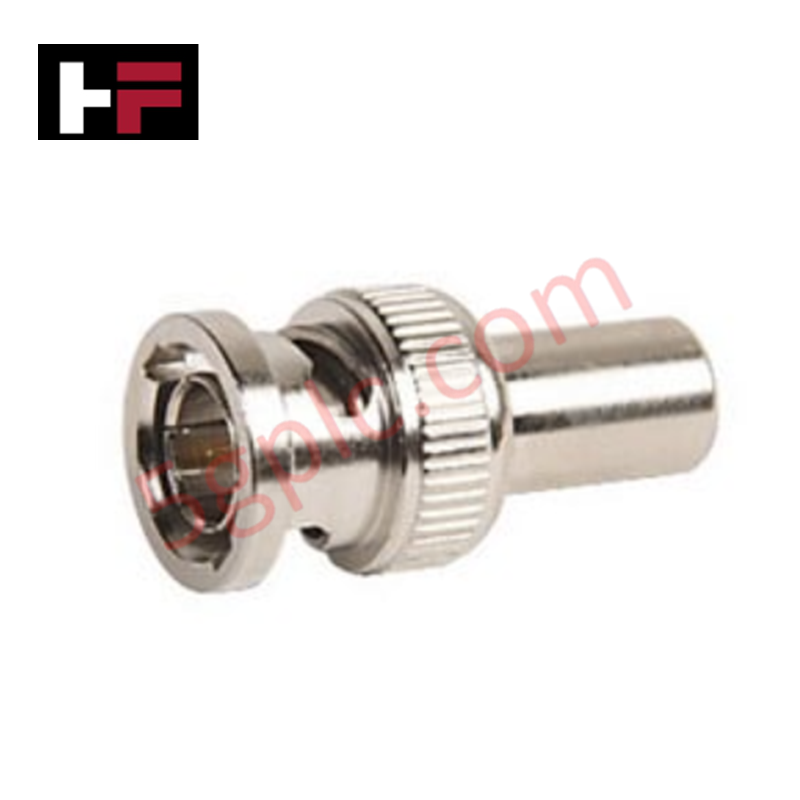
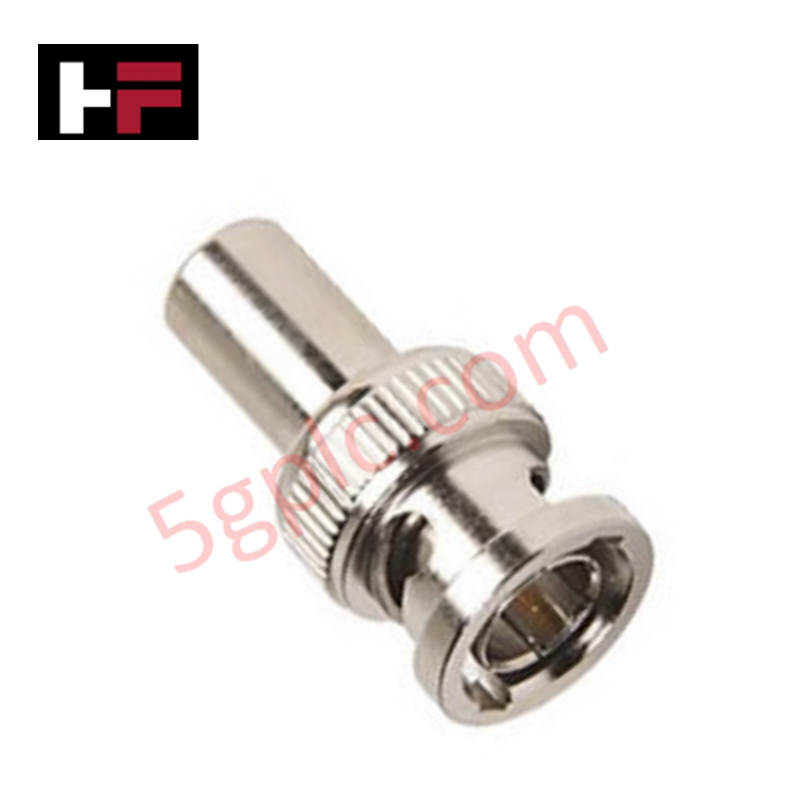
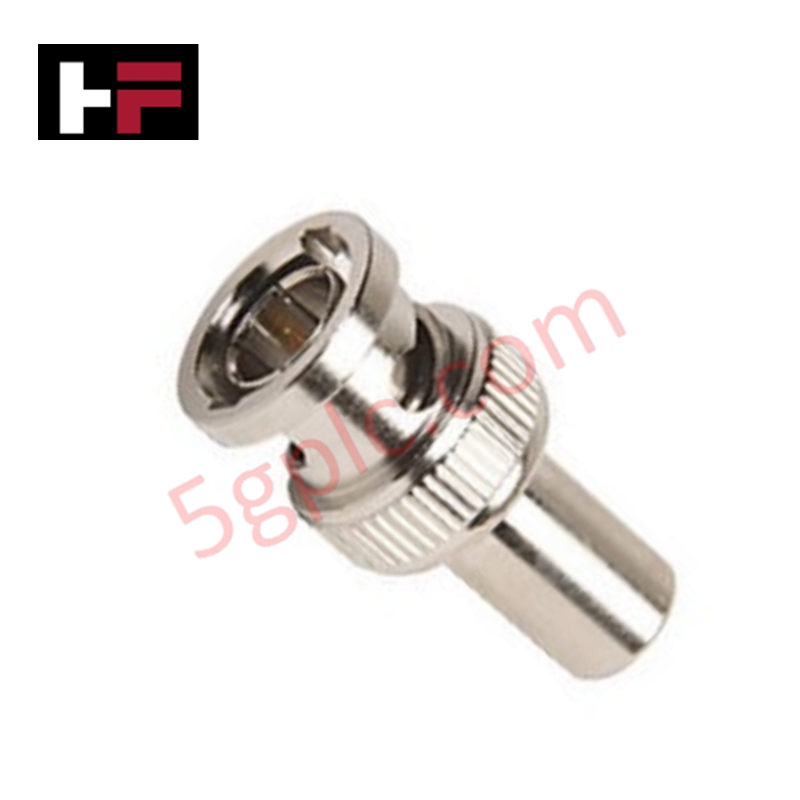
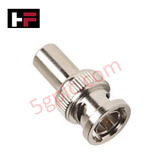
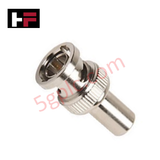
The Allen Bradley 1786-TNCL10 serves as the primary termination interface for ControlNet coaxial media systems. This TNC-style coaxial plug ensures a secure, low-impedance connection between the RG-6 cabling and network taps or repeaters. We supply these components as 100% Brand New original units, guaranteeing optimal signal conductivity and mechanical durability for high-speed industrial data buses.
Technical Specifications
The 1786-TNCL10 features precision-machined hardware designed to withstand the rigors of industrial environments.
| Feature | Specification |
| Manufacturer | Allen Bradley (Rockwell Automation) |
| Part Number | 1786-TNCL10 |
| Connector Type | TNC (Threaded Neill–Concelman) |
| Media Compatibility | RG-6 Coaxial Cable |
| Quantity per Pack | 4 Units |
| Component Category | Connector / Terminal / Pin |
| Weight | 0.10 lbs (Approx. 0.045 kg) |
| Application | ControlNet Physical Layer |
Engineering Advantages
-
Threaded Locking Mechanism: The TNC design utilizes a threaded interface rather than a bayonet mount. This provides superior vibration resistance, preventing accidental disconnections in high-impact machinery environments where BNC connectors might fail.
-
Shielding Integrity: The 1786-TNCL10 maintains 360-degree shielding continuity. By minimizing signal leakage and blocking external RFI/EMI, this connector preserves the high-speed data packets required for deterministic ControlNet performance.
-
Low Insertion Loss: High-grade conductive plating reduces contact resistance. This ensures that the signal strength remains within tolerance even across complex network segments with multiple connection points.
-
Industrial Durability: The rugged construction resists corrosion and oxidation. This makes it an ideal choice for wastewater treatment, chemical processing, and automotive assembly lines where atmospheric contaminants are present.
FAQs
-
Why does ControlNet use TNC connectors like the 1786-TNCL10 instead of standard BNC?
The threaded TNC interface provides a more robust mechanical connection than a standard BNC. In industrial settings with constant vibration or heavy cable movement, the 1786-TNCL10 prevents intermittent signal loss by maintaining constant physical contact between the plug and the jack.
-
Is special tooling required for the 1786-TNCL10 installation?
Yes. To achieve a professional-grade termination, use the official Allen Bradley coax stripping and crimping tools. Correct cable preparation ensures the center conductor and shielding mesh seat perfectly within the 1786-TNCL10 housing, preventing impedance mismatches.
-
Does this package include four individual connectors?
Correct. The 1786-TNCL10 is a 4-unit pack. This allows for the termination of two complete cable segments or provides on-site spares for maintenance personnel during system commissioning.
-
Can I use this with non-ControlNet RG-6 cables?
While the connector fits standard RG-6 dimensions, it is specifically engineered and tested for ControlNet specifications. Using it within the 1786 media system ensures compliance with Rockwell Automation network standards and maintains system warranties.
Additional Information
- 100% Genuine Parts: All products are original and authentic, ensuring reliable industrial performance.
- 30-Day Refund Guarantee: Return any in-stock item within 30 days in original, unopened packaging for a full refund (excluding shipping and fees).
- 12-Month Warranty: Covers defects in materials or workmanship; excludes misuse, normal wear, or unauthorized modifications.
- Worldwide Shipping: We ship via USPS, UPS, FedEx, and DHL. Delivery times vary by country and may be subject to customs or import fees.
- Support & Contact: Technical and warranty assistance is available anytime. Contact us here: Contact.
- Purchase Guidance: Check product specifications and compatibility carefully before ordering to ensure proper application.
Tech & Buying Guide

Demystifying CPU Communication Ports in Siemens PLC Architectures
Industrial automation relies heavily on robust data exchange between devices. Without seamless connectivity, field instruments, network switches, human-machine interfaces, and programmable logic controllers cannot coordinate effectively. Therefore, understanding the various CPU communication ports available in Siemens hardware ensures efficient factory automation design and seamless system integration.

Mastering the Siemens PLC Scan Cycle: How the CPU Executes Automation Programs
Industrial automation relies heavily on programmable logic controllers (PLCs) to manage complex manufacturing processes. Many engineers dive straight into programming without mastering the underlying architecture. However, understanding how a PLC CPU executes a program ensures reliable system design. Therefore, mastering the scan cycle optimizes both performance and troubleshooting in modern control systems.

How to Connect to Siemens S7 PLCs: 5 Essential Communication Methods
Establishing a reliable hardware link between a programming terminal and a Siemens SIMATIC controller is essential for engineering workflows. Field engineers rely on distinct physical layers, ranging from legacy serial connections to high-speed Industrial Ethernet protocols. Modern factory automation environments prioritize fast data transfer and seamless driver integration. Selecting the correct connection method simplifies program downloads, online monitoring, and system troubleshooting in complex control systems.