










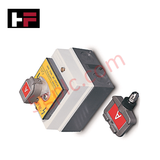
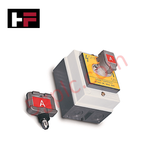
Product Details
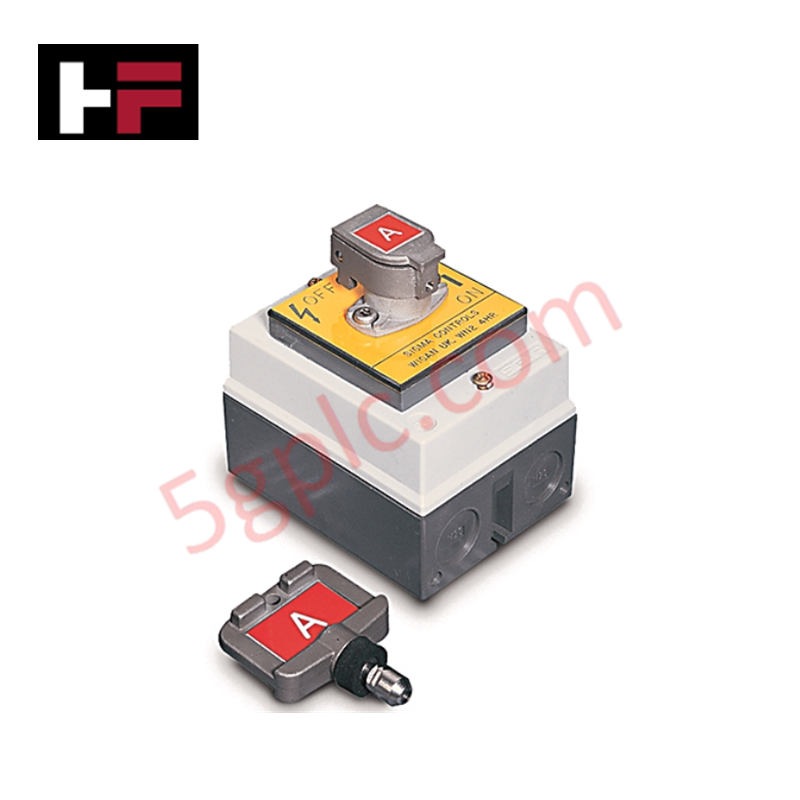
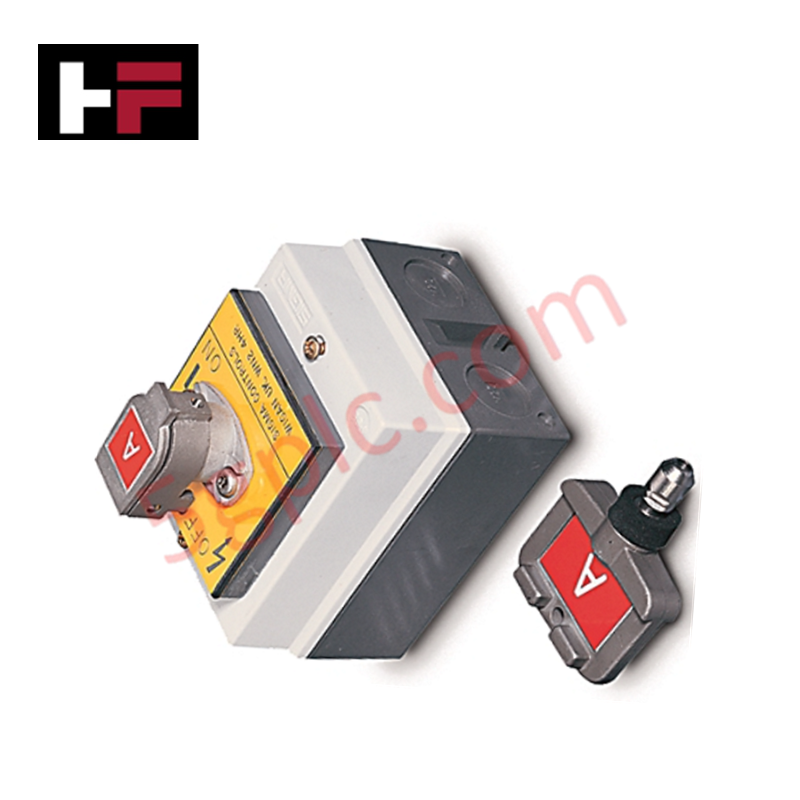
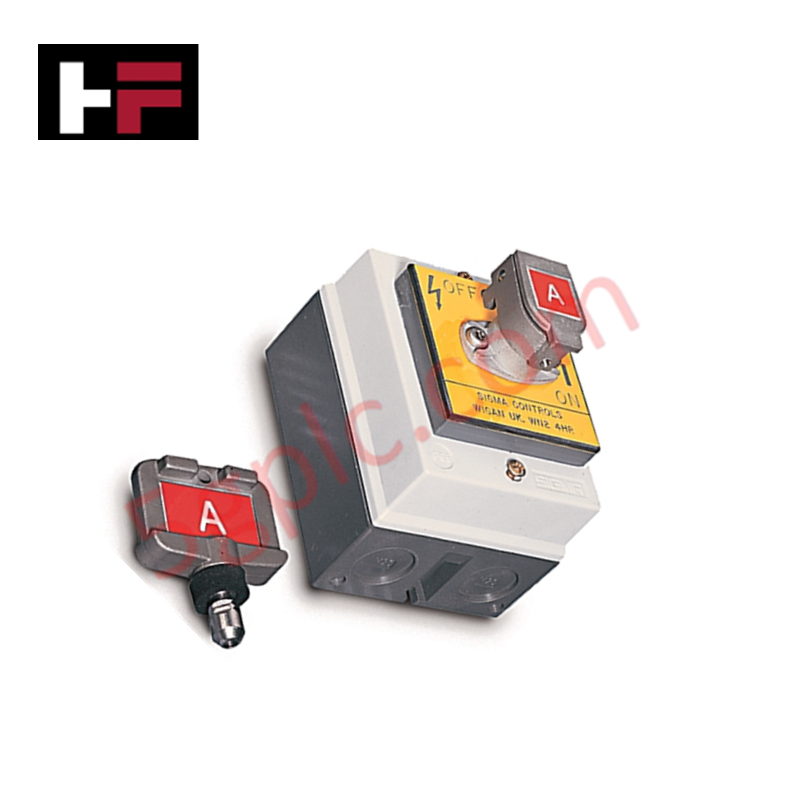
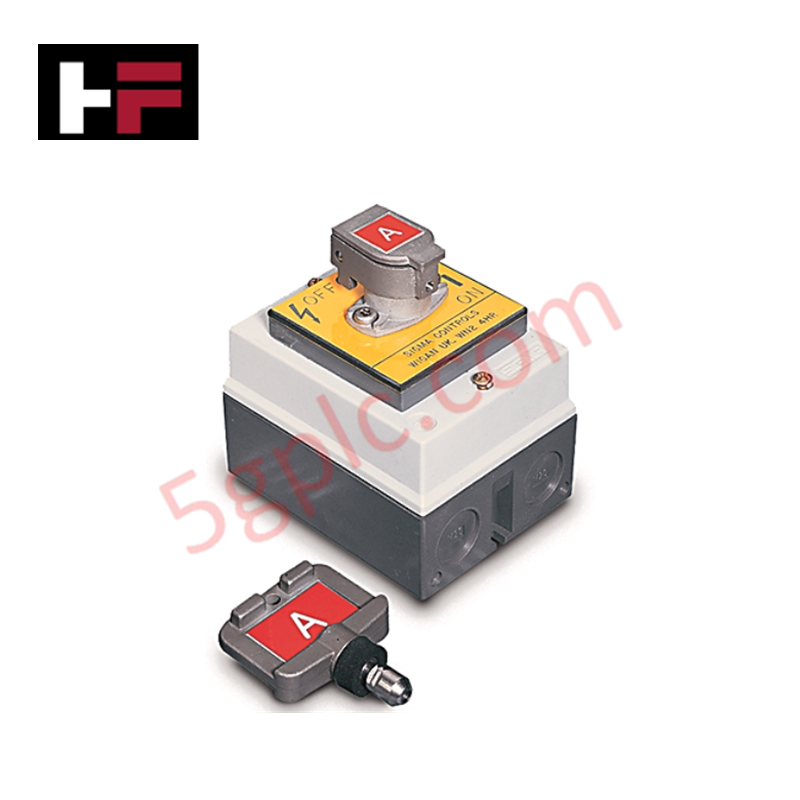
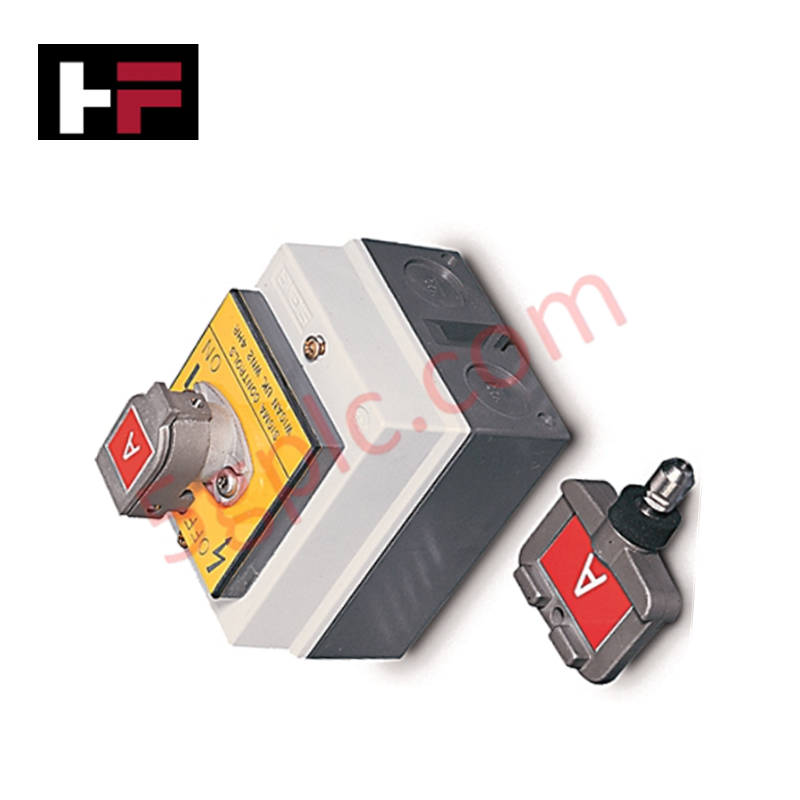
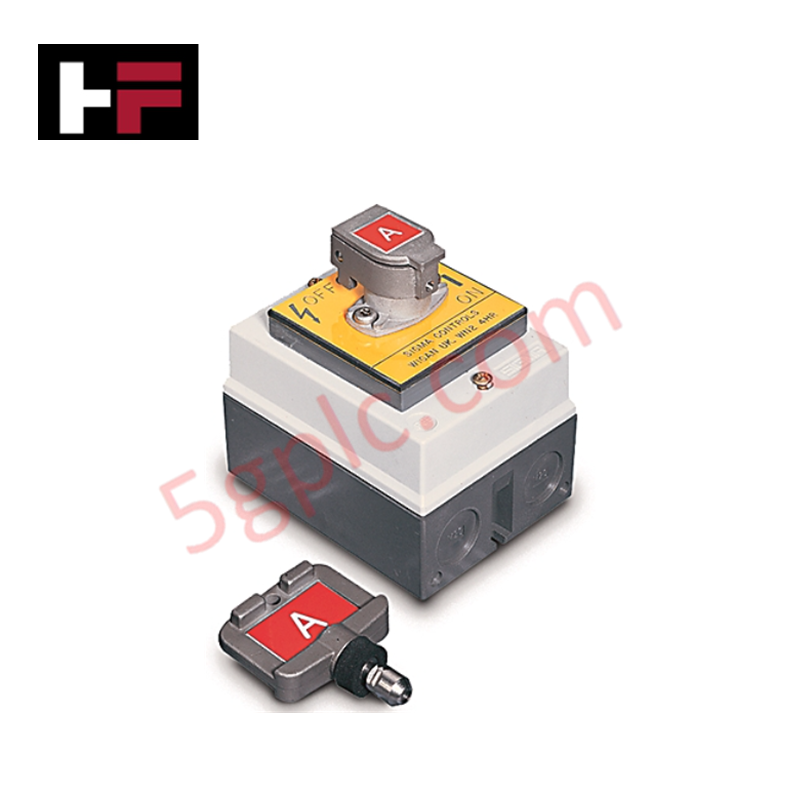
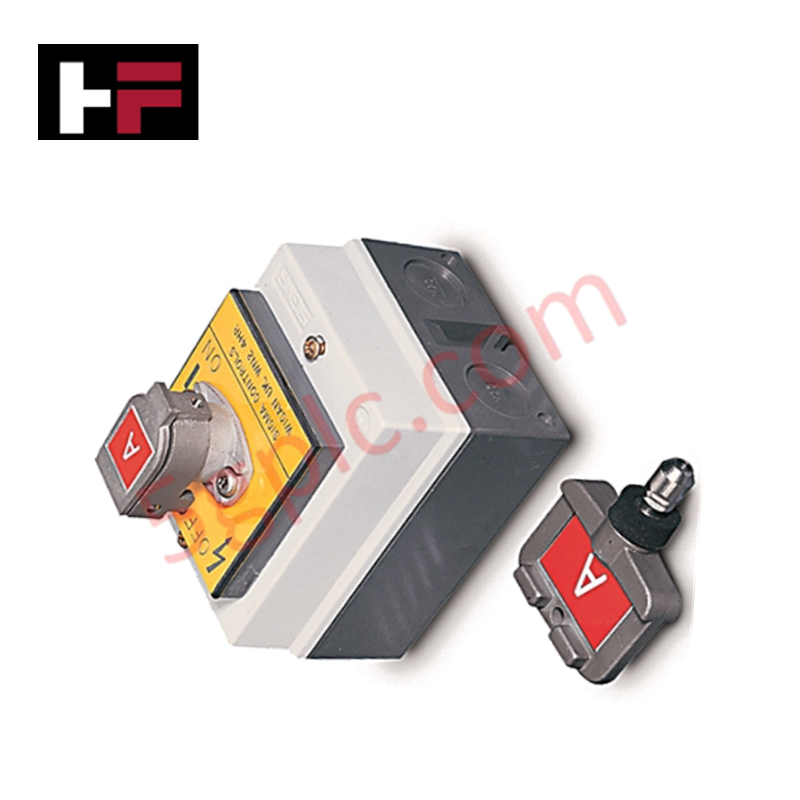
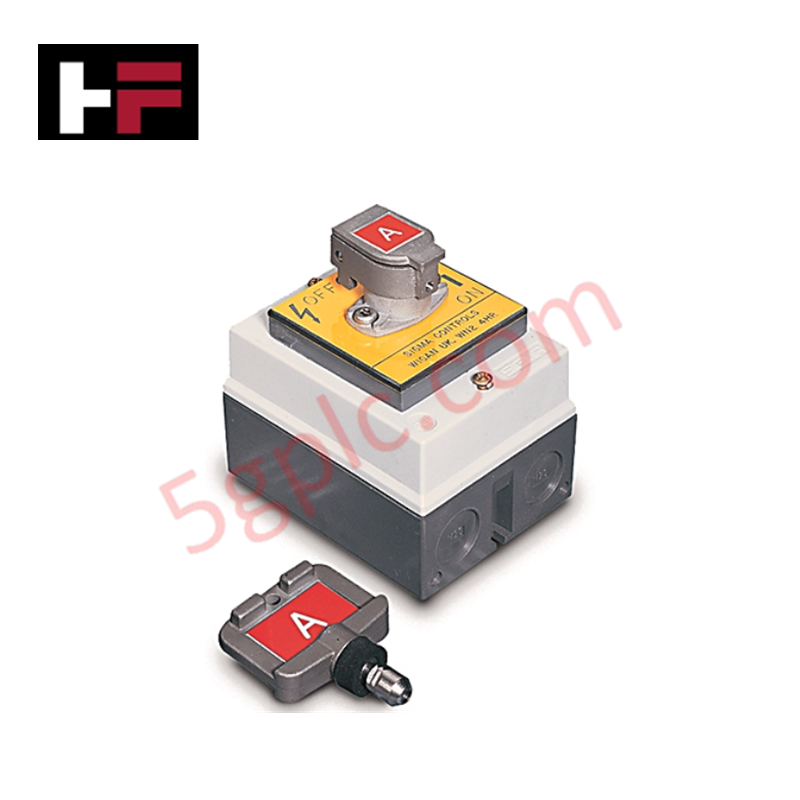
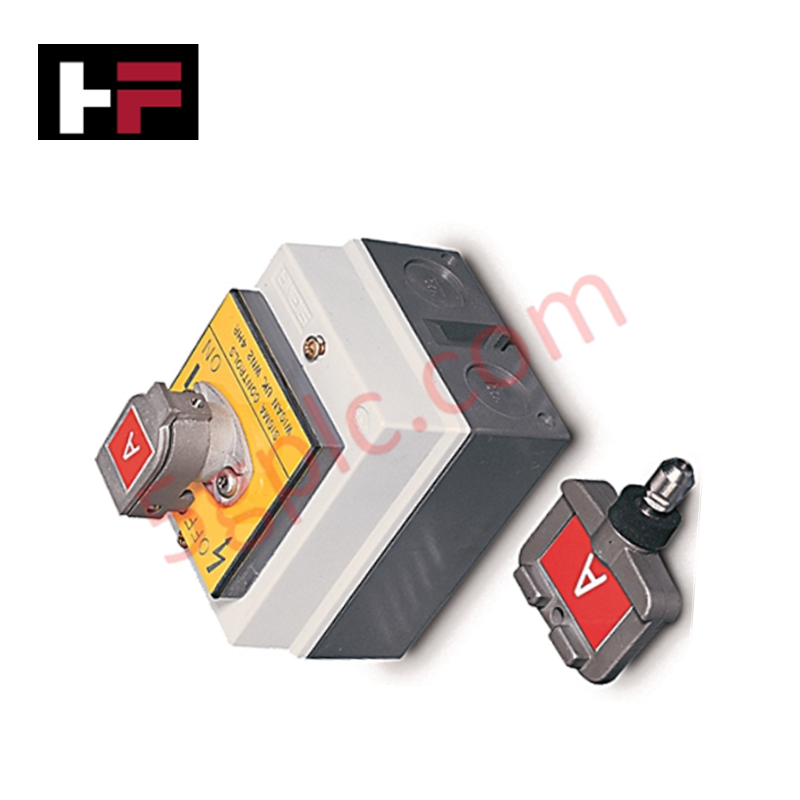
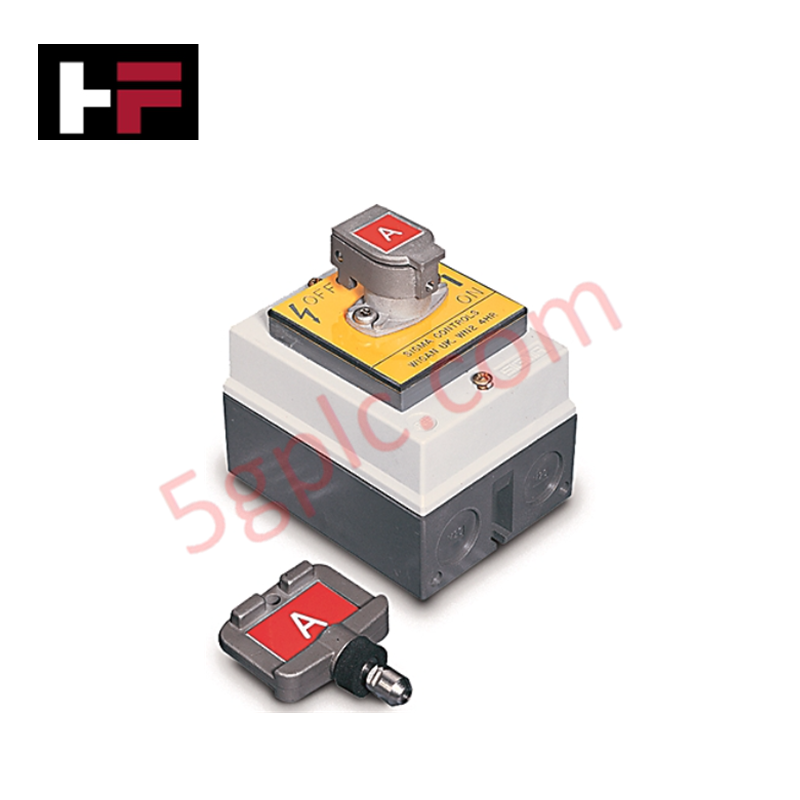
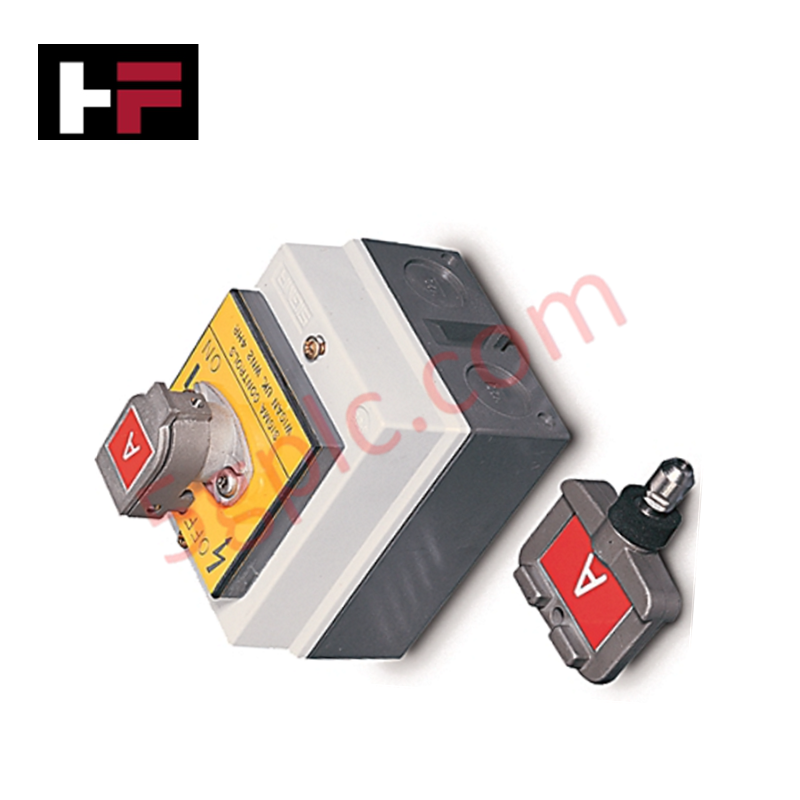
Configured for mechanical interlocking and machine safety access control in industrial networks, the Allen Bradley 440T-MRKSE11AB (440T-MRKSE11AB Trapped Key Interlock) provides direct physical execution of personnel access isolation via a rotary switch mechanism.
Hardware Specifications
| Parameter | Specification |
|---|---|
| Model | 440T-MRKSE11AB |
| Brand | Allen Bradley |
| Origin | Subject to factory shipping documentation |
| Weight | 0.8 kg |
| Dimensions | 80 mm x 80 mm x 120 mm |
| Operating Temp | -10 deg C to 60 deg C |
| Power Consumption | Passive |
| Contact Configuration | 2 N.O. and 2 N.C. |
| Current Rating | 20 A |
| Mounting Type | Enclosure mounted |
Profinet / EtherNet/IP Deterministic Networks
The integration of the 440T series into modern control architectures necessitates synchronization with deterministic networks such as Profinet or EtherNet/IP. While the 440T-MRKSE11AB functions as a discrete mechanical switch, its state transitions must be mapped to safety-rated I/O points to ensure the controller registers the access isolation event within the defined scan cycle. Users must verify that the contact closure state aligns with the logic defined in the safety PLC to prevent unintended process restarts. Any jitter in signal interpretation should be mitigated by adjusting the input filter times on the corresponding safety I/O module.
Frequently Asked Questions
Q: Can the contact block of the 440T-MRKSE11AB be replaced independently in the field?
A: Yes. The contact block assembly is a modular component. Ensure the replacement block matches the original current rating and contact logic to maintain safety integrity.
Q: Is there a specific mounting orientation required for the rotary switch to maintain its rating?
A: The switch must be mounted on a flat, rigid surface to prevent mechanical stress on the housing. Ensure the mounting orientation allows for the unimpeded insertion and rotation of the trapped key.
Field Installation Guidelines
- Surface Preparation: Ensure the mounting surface is clean, flat, and free of debris. Use specified hardware to secure the enclosure mount, ensuring no torsion is applied to the main body during installation.
- Contact Wiring: Utilize appropriate ferrules for termination at the contact blocks. Verify that conductor sizes comply with local electrical standards for a 20 A load to prevent localized overheating.
- Mechanical Alignment: Before final tightening, cycle the rotary switch with the key to ensure the mechanism operates without binding. Misalignment will accelerate mechanical fatigue.
- Environment Sealing: Ensure all conduit entries are properly sealed using NEMA/IP-rated cable glands to maintain the ingress protection rating of the enclosure.
- Operational Verification: Perform a continuity check on the N.O. and N.C. contacts in both the trapped and released positions to verify correct mechanical state mapping before system commissioning.
Additional Information
- 100% Genuine Parts: All products are original and authentic, ensuring reliable industrial performance.
- 30-Day Refund Guarantee: Return any in-stock item within 30 days in original, unopened packaging for a full refund (excluding shipping and fees).
- 12-Month Warranty: Covers defects in materials or workmanship; excludes misuse, normal wear, or unauthorized modifications.
- Worldwide Shipping: We ship via USPS, UPS, FedEx, and DHL. Delivery times vary by country and may be subject to customs or import fees.
- Support & Contact: Technical and warranty assistance is available anytime. Contact us here: Contact.
- Purchase Guidance: Check product specifications and compatibility carefully before ordering to ensure proper application.
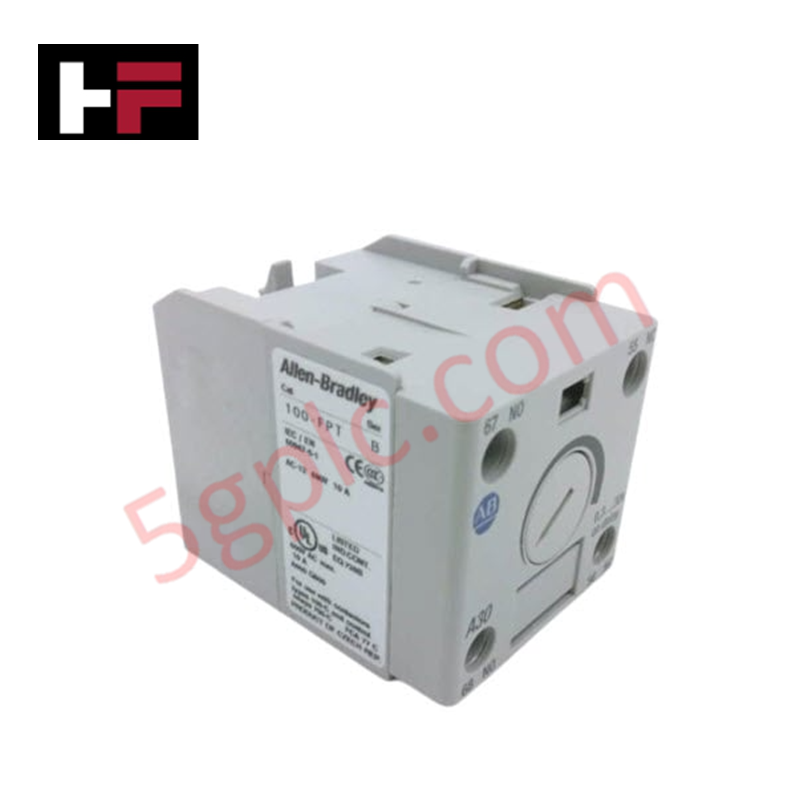
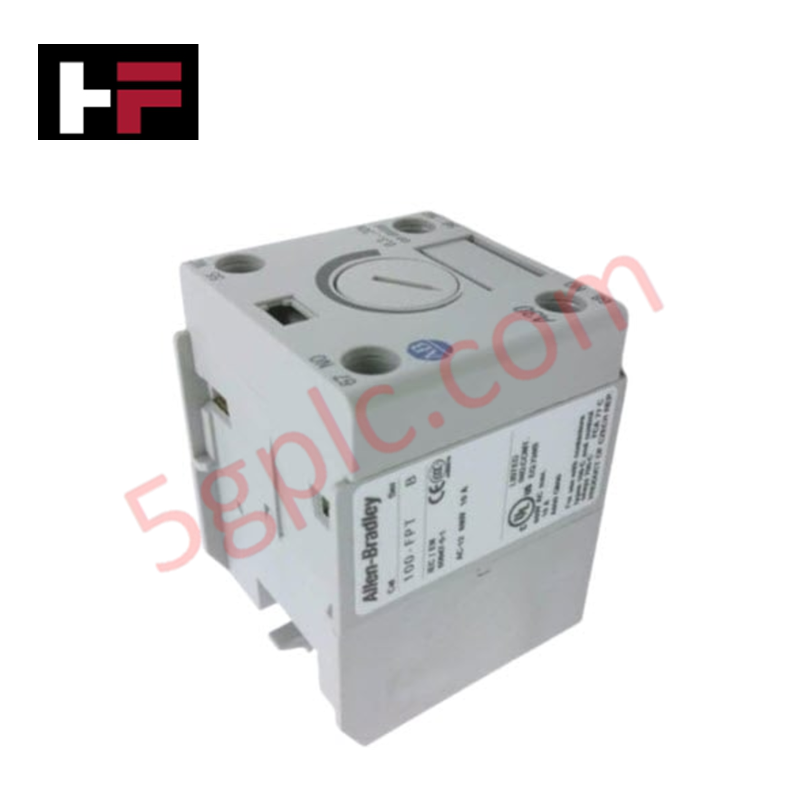
Tech & Buying Guide

Transforming Shop Floor Data into Actionable Insights: A Deep Dive into MES
Manufacturing Execution Systems serve as the digital backbone of modern factory floors. Positioned at Level 3 of the ISA-95 automation pyramid, MES links enterprise resource planning with real-time shop floor control systems. Today, industrial operators rely on MES software to bridge operational strategy with physical production execution.
Managed Switch vs. Unmanaged Switch: Industrial Ethernet Architecture

Hot Standby vs. Cold Standby Redundancy in Industrial Automation
System availability determines process safety and productivity in industrial automation. Control engineers deploy redundancy to eliminate single points of failure. This technical guide evaluates Hot Standby vs. Cold Standby architectures, comparing failover speeds, memory sync, cost trade-offs, and field selection criteria.