












Product Details
Product Overview
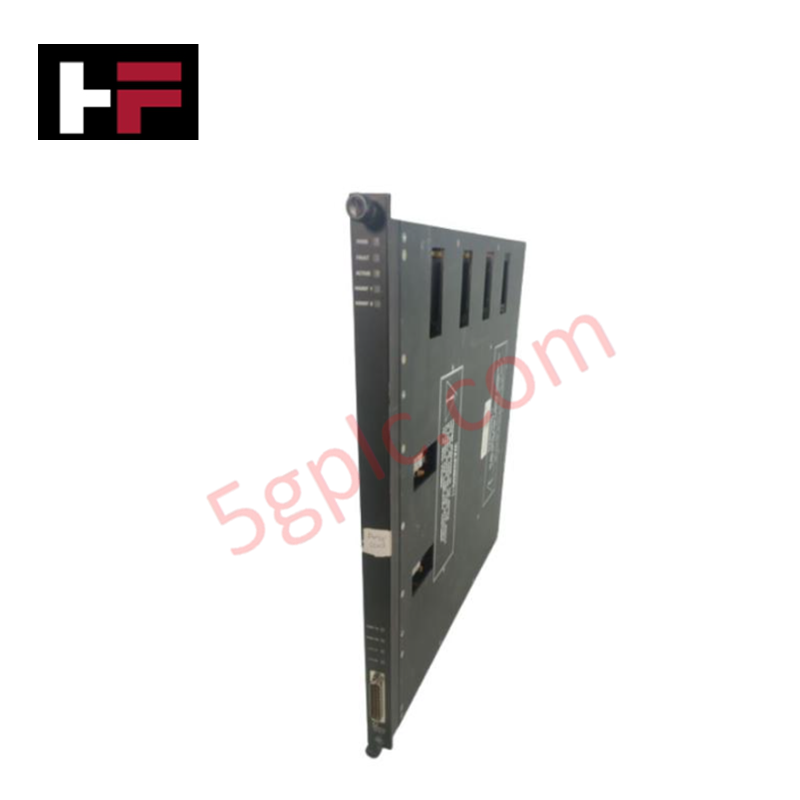
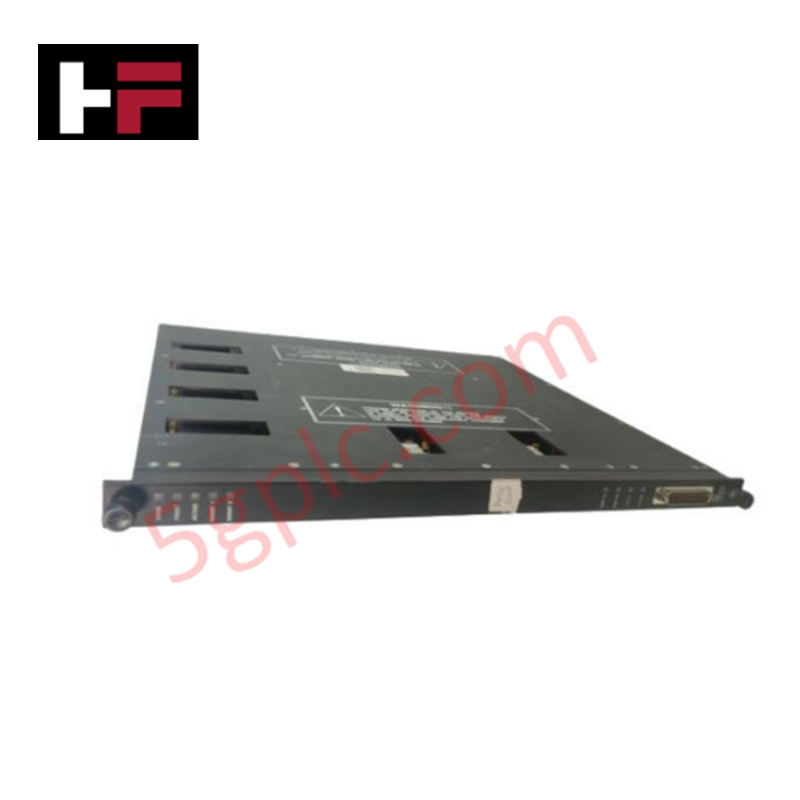
The Schneider Electric 140CPU65160S serves as a high-performance processing engine for the Modicon Quantum automation platform. This Unity-based processor executes complex control logic with ultra-low latency, making it the primary choice for large-scale industrial applications requiring rapid data throughput. It manages high-density I/O configurations and sophisticated application structures while maintaining strict determinism. We supply this processor as 100% brand new, original equipment in factory-sealed packaging to ensure the highest integrity for your mission-critical control systems.
Technical Specifications
The 140CPU65160S delivers exceptional computational speed and robust power management for distributed control environments.
-
Processor Architecture: Unity Quantum
-
Execution Time (Boolean): 0.105 - 0.15 μs
-
Execution Time (Word): 0.09 - 0.12 μs
-
Execution Time (Fixed-Point): 0.96 - 1.02 μs
-
1 Kinstruction Performance: 5.14 μs (100% Boolean) / 5.03 μs (Mixed 65% Boolean, 35% Numerical)
-
Application Structure: 1 Cyclic/Periodic Master Task
-
System Overhead: 1.5 ms (Master Task)
-
Bus Current Requirement: 2760 mA
-
Switch Function: Physical key switch for memory port ON/OFF control
-
Battery Specification: 3 V DC Lithium, 1200 Ah capacity
-
Standby Current: 60 μA (Lithium battery)
Engineering Advantages
-
High-Speed Logic Processing: The module executes Boolean instructions in as little as 0.105 μs. This rapid performance eliminates bottlenecks in high-throughput manufacturing lines and allows the controller to react to field changes in real-time.
-
Hardware-Based Security: An integrated physical key switch controls access to the memory port. This manual lock-out mechanism prevents unauthorized program changes or accidental memory overwrites, adding a critical layer of physical security to the control cabinet.
-
Optimized Application Structure: The processor manages a single cyclic or periodic master task with a fixed 1.5 ms overhead. This lean structure ensures highly predictable scan times, which is essential for maintaining stability in precise process control loops.
-
Long-Term Memory Retention: The high-capacity 1200 Ah lithium battery maintains the internal RAM for extended periods during power outages. This minimizes the risk of data loss and speeds up system recovery after facility-wide shutdowns.
-
Efficient Heat Management: Even with a high bus current requirement of 2760 mA, the module operates efficiently at temperatures up to 60 °C. This thermal resilience allows for installation in densely packed racks where airflow might be restricted.
FAQs
-
How does the memory port key switch function?
The key switch physically enables or disables the ability to write to or read from the memory port. By removing the key in the "OFF" position, you prevent any external software or communication device from altering the active PLC program.
-
Is the 140CPU65160S compatible with existing Quantum backplanes?
Yes. This processor fits standard Modicon Quantum backplanes. However, given its 2760 mA bus current requirement, you must ensure your rack power supply (such as a 140CPS series) provides sufficient current to support both the CPU and all installed I/O modules.
-
What is the battery life expectancy for program backup?
With a massive 1200 Ah capacity and a standby consumption of only 60 μA, the lithium battery provides years of backup protection. We recommend testing the battery voltage during scheduled annual maintenance to ensure continuous protection.
-
What is the condition of this processor?
We guarantee this unit is 100% Brand New original Schneider Electric stock. Every 140CPU65160S arrives in its original factory box with the factory seal intact, ensuring you receive a unit with zero previous runtime.
Additional Information
- 100% Genuine Parts: All products are original and authentic, ensuring reliable industrial performance.
- 30-Day Refund Guarantee: Return any in-stock item within 30 days in original, unopened packaging for a full refund (excluding shipping and fees).
- 12-Month Warranty: Covers defects in materials or workmanship; excludes misuse, normal wear, or unauthorized modifications.
- Worldwide Shipping: We ship via USPS, UPS, FedEx, and DHL. Delivery times vary by country and may be subject to customs or import fees.
- Support & Contact: Technical and warranty assistance is available anytime. Contact us here: Contact.
- Purchase Guidance: Check product specifications and compatibility carefully before ordering to ensure proper application.



Tech & Buying Guide

Human-Machine Interface Design: Essential Guide to HMI Selection, Visualization, and Control System Integration
Human-Machine Interfaces (HMIs) serve as the primary operational window into complex industrial automation systems. Modern HMIs convert raw machine data into clear graphical displays, enabling operators to oversee entire manufacturing processes in real time. Instead of relying on physical control panels full of hardwired switches, engineers program interactive screens using intuitive graphics, dynamic color coding, and responsive touch interfaces. Over my 15 years in control systems engineering, I have observed HMIs transform from basic display screens into sophisticated command centers that drive operational efficiency across DCS and PLC environments.

Understanding Safety Relays in Industrial Automation: Architecture, Operation, and Functional Safety
Standard electromechanical relays provide basic electrical isolation between low-voltage control circuits and high-power output loads. A traditional switching relay features a magnetic coil driving mechanical Common (COM), Normally-Open (NO), and Normally-Closed (NC) contacts. However, standard relays pose severe functional risks when deployed in critical safety interlock circuits. High current inrush or mechanical wear can weld contacts together permanently. If contact welding occurs in an emergency stop circuit, pressing the button fails to halt hazardous machinery movements. Consequently, global functional safety standards prohibit standard relays for critical machine guarding functions.

Mastering Wire Identification in Industrial Automation: The Power of Ferrules and Cross-Ferruling
Proper wire labeling forms the cornerstone of reliable control system installation and long-term maintenance. In complex industrial automation environments, technicians terminate thousands of conductor ends inside control panels, marshalling racks, and field junction boxes. Ferrules serve as individual tube-shaped sleeve markers slipped onto conductors before final termination. While technicians historically relied on pre-printed individual letter rings, modern control panel builders utilize automated ferrule printing machines. These thermal-transfer printers generate durable, single-sleeve heat-shrink tags directly matching approved wiring schematics, significantly accelerating cabinet assembly workflows.