










Product Details
Product Overview
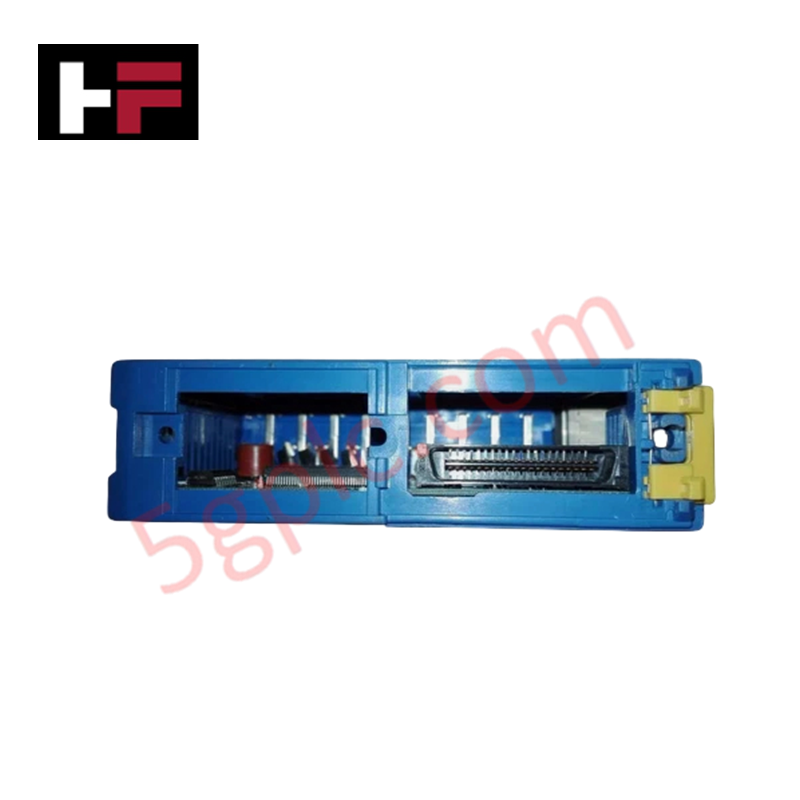
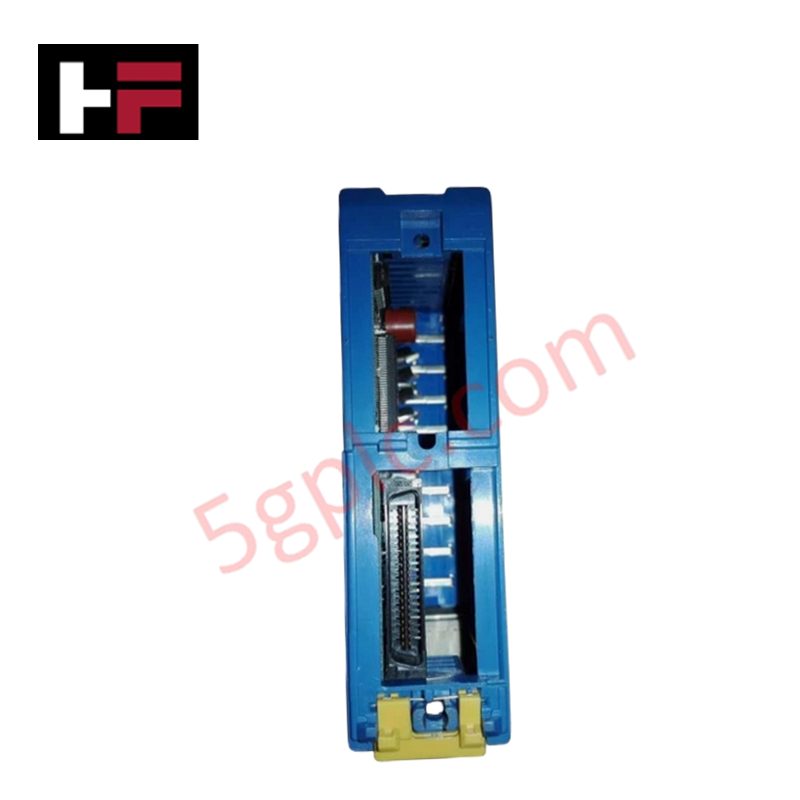
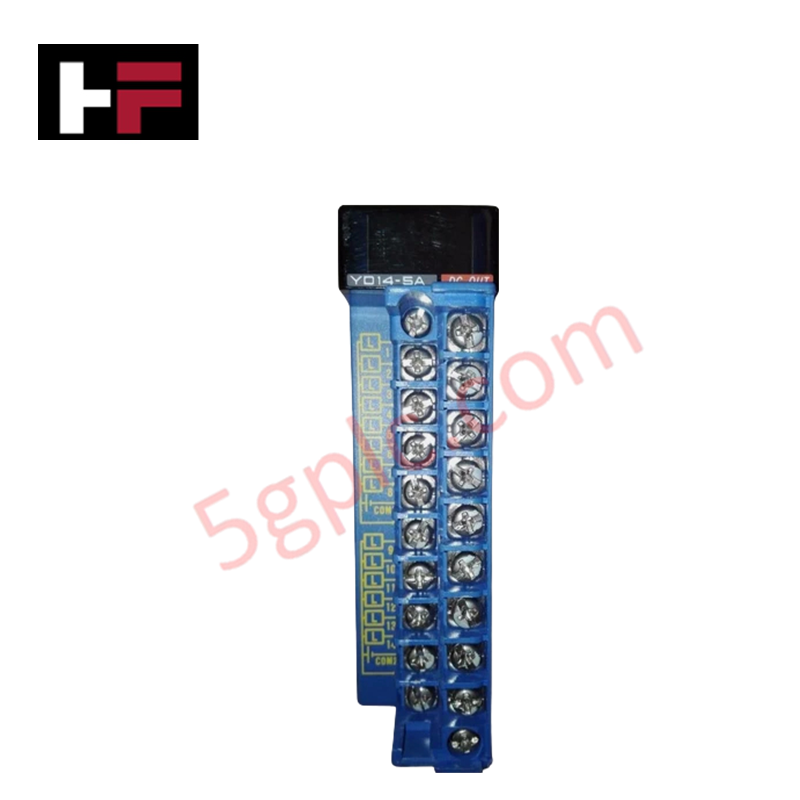
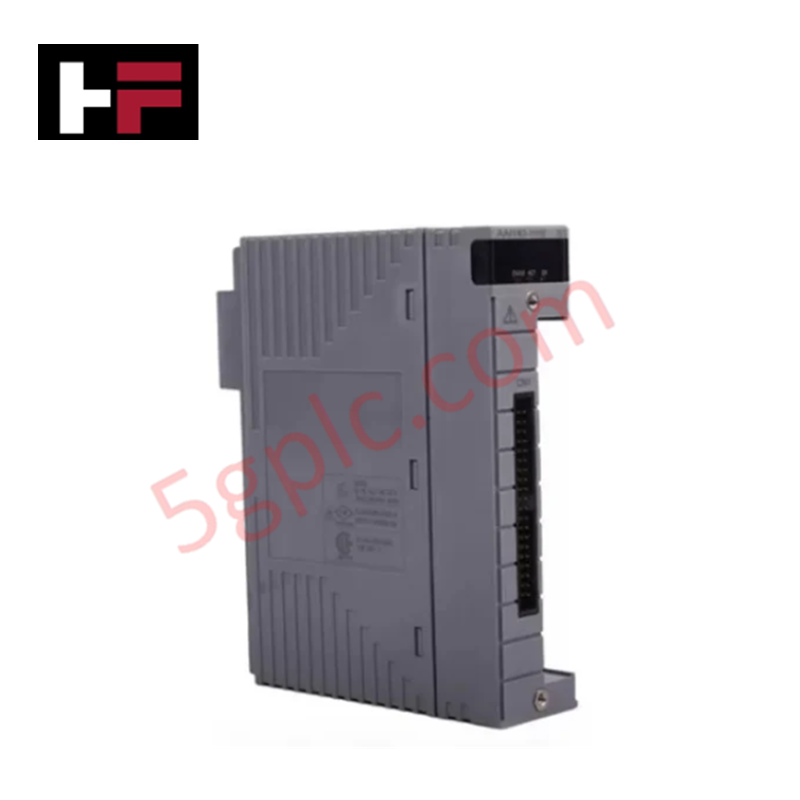
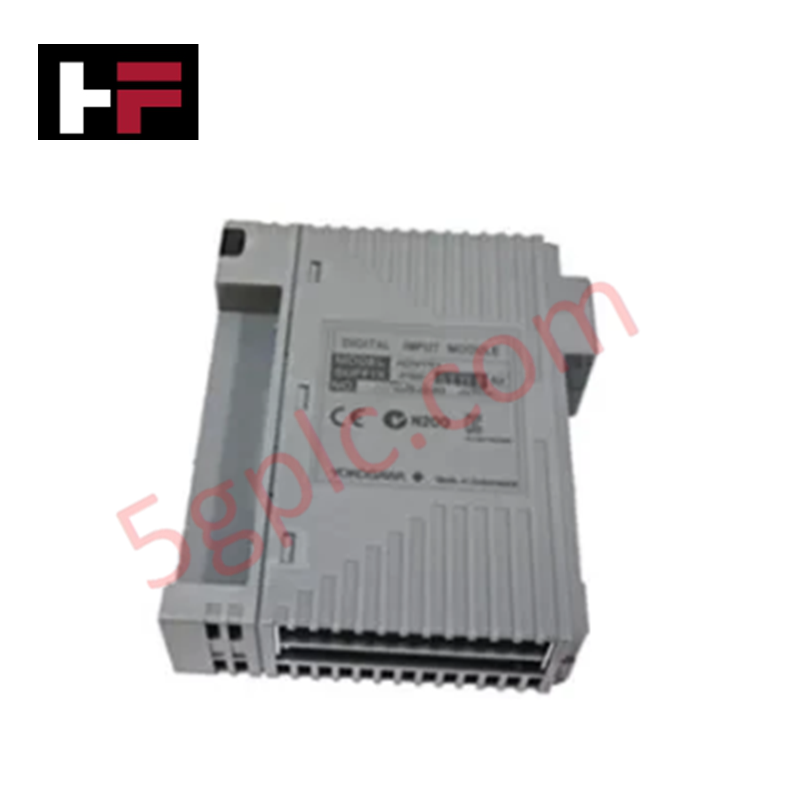
The Yokogawa F3YD14-0N serves as a high-capacity digital output interface for the FA-M3 multi-controller series. This module provides 14 transistor sink-type outputs, specifically engineered to drive high-current DC loads such as large solenoids, hydraulic valves, and heavy-duty contactors. We supply this unit as 100% Brand New and Original, ensuring peak switching performance and long-term thermal stability in mission-critical automation loops.
Part Number Breakdown
| Code | Specification | Detail |
| F3YD14 | Base Model | 14-Point Transistor Output Module |
| -0 | Type | Standard configuration |
| N | Suffix | Enhanced thermal/current capacity revision |
Technical Specifications
| Feature | Details |
| Output Type | Transistor Contact (Sink Type) |
| Number of Outputs | 14 points per common |
| Rated Load Voltage | 12 to 24 V DC |
| Max. Load Current | 2 A per point (14 A per common total) |
| Response Time | 1 ms max. (OFF to ON / ON to OFF) |
| ON Voltage | 0.5 V DC max. |
| Leakage Current | 0.1 mA max. (at OFF state) |
| Surge Protection | Integrated Active Clamp |
| Operating Temp. | -20 to 65°C |
| Connection | 14-point terminal block (M3.5 screws) |
Engineering Advantages
-
High-Current Handling: Unlike standard PLC output modules that limit current to 0.5A, the F3YD14-0N supports up to 2A per point. This allows direct control of power-hungry field devices without the need for interposing relays, reducing cabinet complexity and failure points.
-
Rapid Switching Response: The transistor circuitry achieves a response time of less than 1 ms. This deterministic performance facilitates high-speed synchronized operations in packaging, bottling, and motion control applications where millisecond precision dictates throughput.
-
Robust Inductive Protection: Every output channel incorporates an Active Clamp surge protector. This feature actively suppresses the back-EMF generated during the de-energization of inductive loads, shielding the internal semiconductors from voltage spikes and ensuring a long hardware lifespan.
-
Fail-Safe Logic Control: The module provides a configurable HOLD/RESET function for CPU errors. Engineers can define whether each of the 14 points maintains its current state or resets to zero during a controller fault, preventing hazardous machine movements during system interruptions.
-
Extreme Thermal Tolerance: The hardware operates reliably across a wide temperature gradient of -20 to 65°C. This makes the F3YD14-0N suitable for non-climate-controlled environments and outdoor enclosures where standard electronics might suffer from thermal drift.
FAQs
-
Can I mix 12V and 24V DC loads on the same common?
The module shares a single common for all 14 points. Therefore, you must use a consistent rated load voltage (either 12V or 24V DC) across the entire terminal block to prevent electrical interference or hardware damage.
-
How does the sink-type output affect my wiring?
As a sink-type (NPN) module, the F3YD14-0N connects the load to the negative terminal (OV) when activated. You must connect the other side of your field device to the positive supply voltage.
-
What is the significance of the 14A common rating?
While each point can handle 2A, the total simultaneous current for all 14 points must not exceed 14A due to the thermal limits of the common terminal. Always calculate your total load budget to ensure it falls within this 14A threshold.
-
Does the module require an external power supply for logic?
Yes, the module requires an external 12 to 24 V DC (10mA) supply to power the output driving circuitry, in addition to the 100mA it draws from the internal 5V DC PLC backplane.
Additional Information
- 100% Genuine Parts: All products are original and authentic, ensuring reliable industrial performance.
- 30-Day Refund Guarantee: Return any in-stock item within 30 days in original, unopened packaging for a full refund (excluding shipping and fees).
- 12-Month Warranty: Covers defects in materials or workmanship; excludes misuse, normal wear, or unauthorized modifications.
- Worldwide Shipping: We ship via USPS, UPS, FedEx, and DHL. Delivery times vary by country and may be subject to customs or import fees.
- Support & Contact: Technical and warranty assistance is available anytime. Contact us here: Contact.
- Purchase Guidance: Check product specifications and compatibility carefully before ordering to ensure proper application.
Tech & Buying Guide
Mastering Modern Industrial Joystick Controls in Heavy Automation
Industrial joysticks play a pivotal role in human-machine interaction across heavy material handling and mobile hydraulics. These tactile controllers translate complex operator movements into precise electrical signals for PLCs, motion controllers, and DCS networks. Consequently, selecting and installing the right joystick architecture ensures operator safety, reduces fatigue, and optimizes equipment performance.

Navigating Industrial Automation Failures: Types, Causes, and Mitigation Strategies
Modern manufacturing relies heavily on automated control systems to maximize throughput and maintain product quality. However, unplanned downtime in industrial automation can cost facility operators thousands of dollars per hour. Understanding how programmable logic controllers (PLCs), distributed control systems (DCS), and field instrumentation fail empowers engineering teams to implement robust preventive maintenance strategies.

Essential Motion Control Commands: A Practical Guide for Engineers
Automation engineers often rely on precise position and speed control to drive modern factory machinery. Modern industrial systems, such as Programmable Logic Controllers (PLCs) and Distributed Control Systems (DCS), depend heavily on standardized motion instructions. Mastering these commands ensures operational safety, protects mechanical components, and optimizes cycle times across production lines.