










Product Details
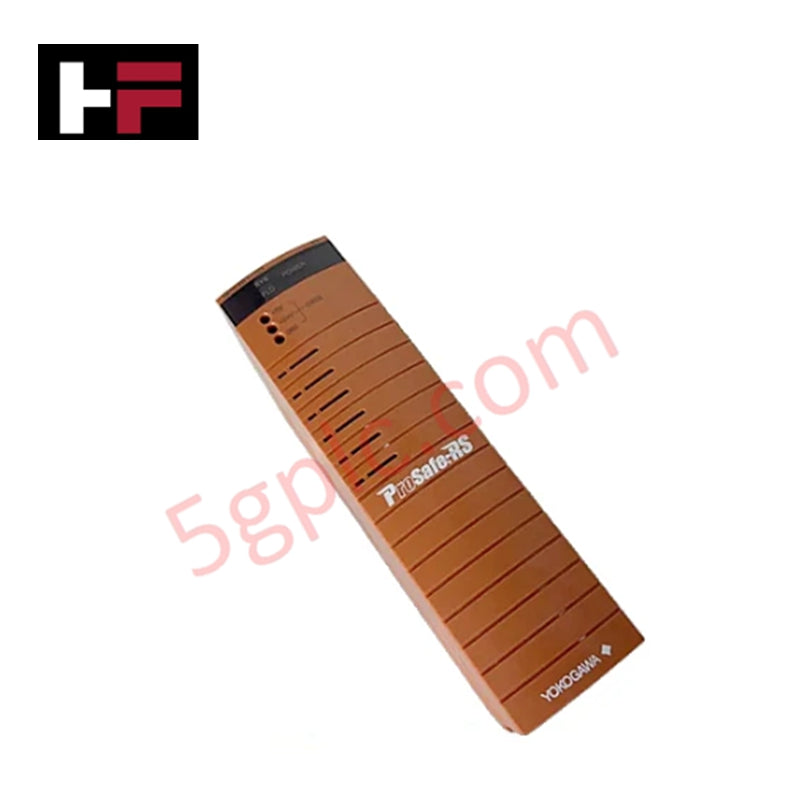
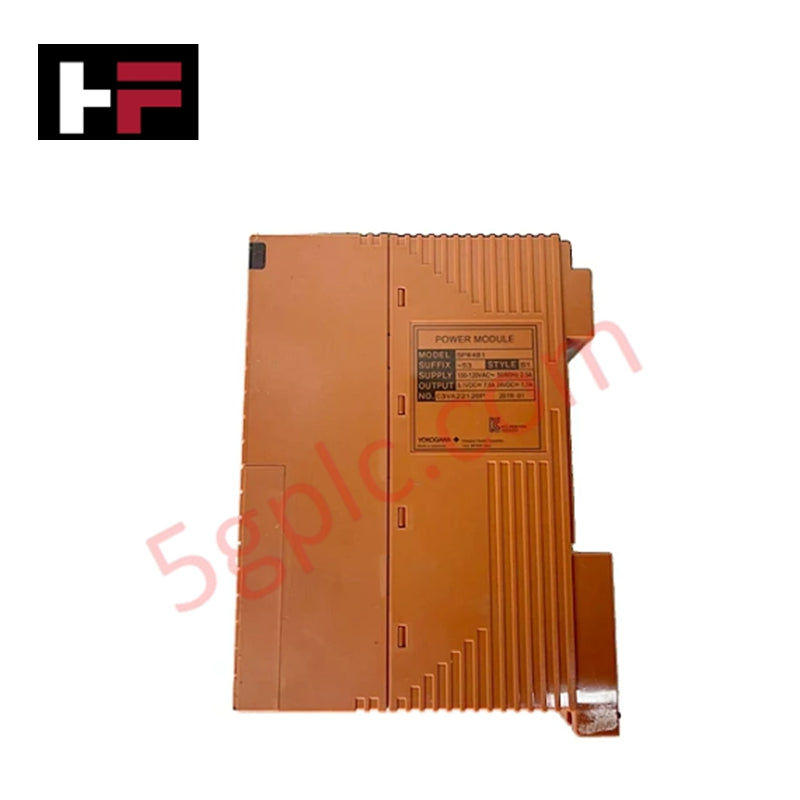
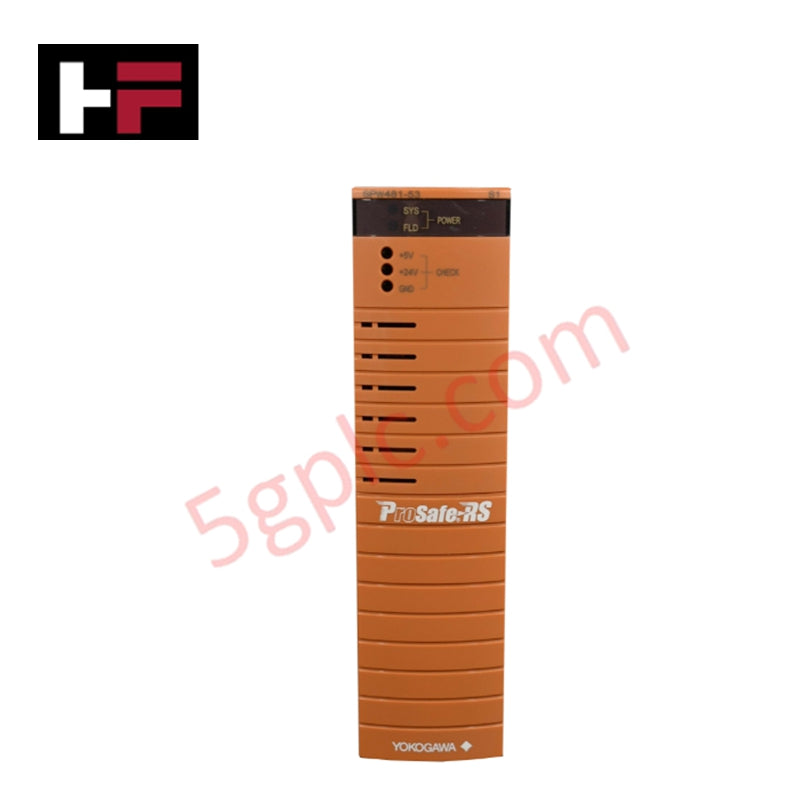
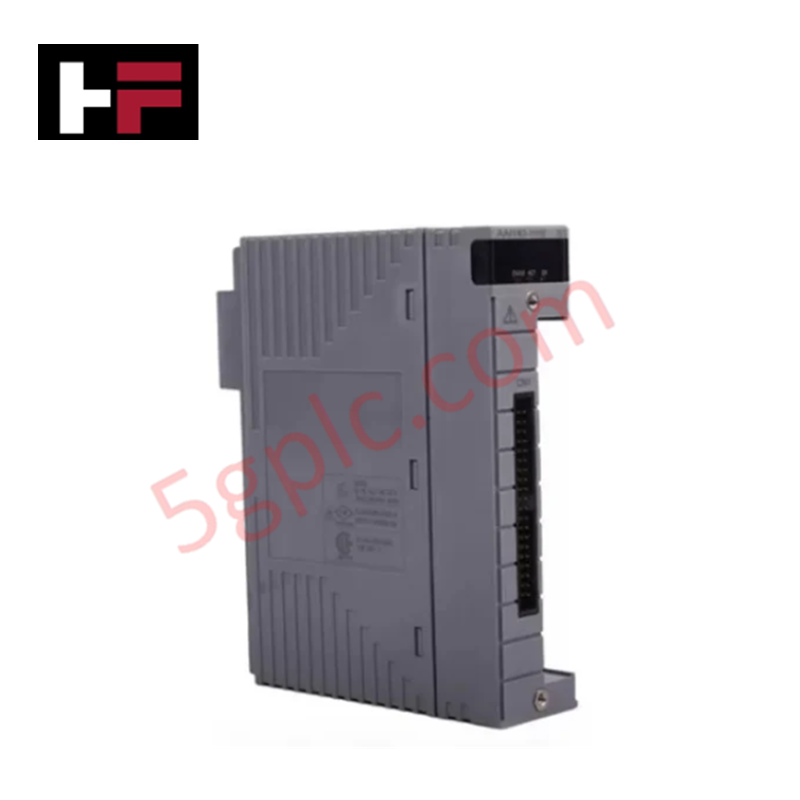
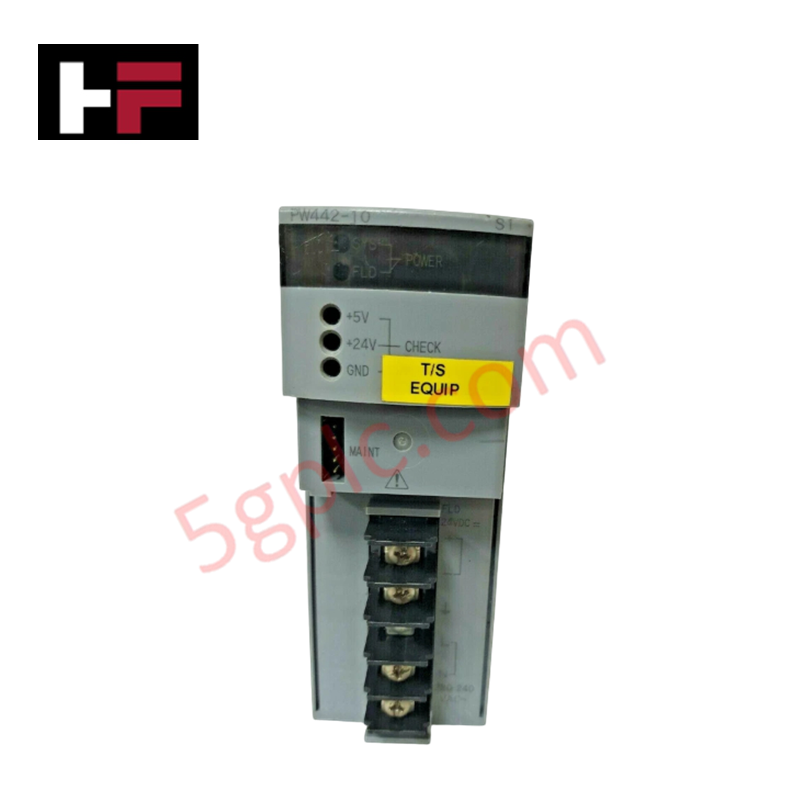
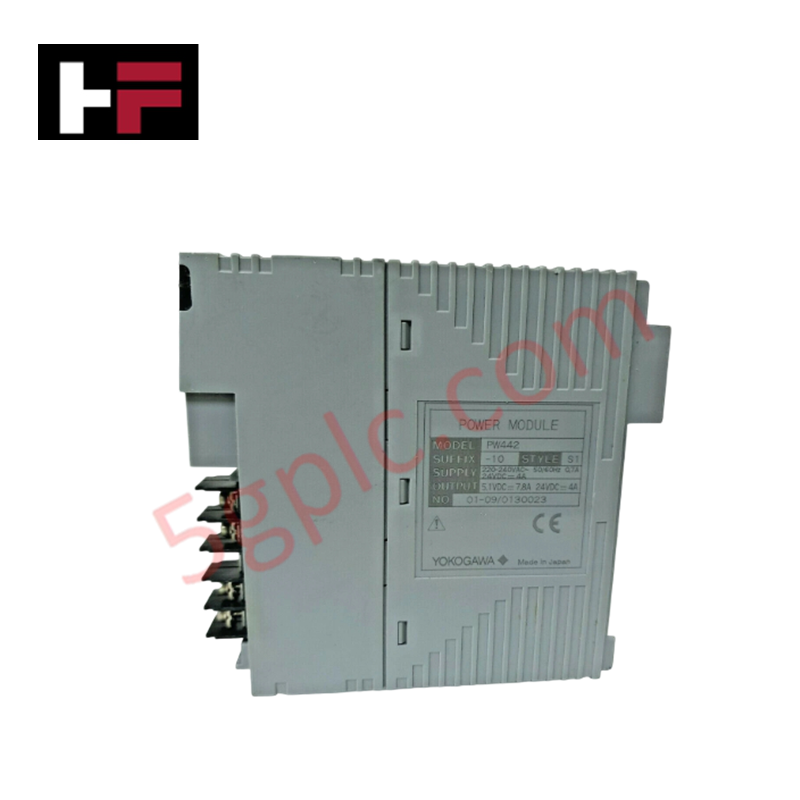
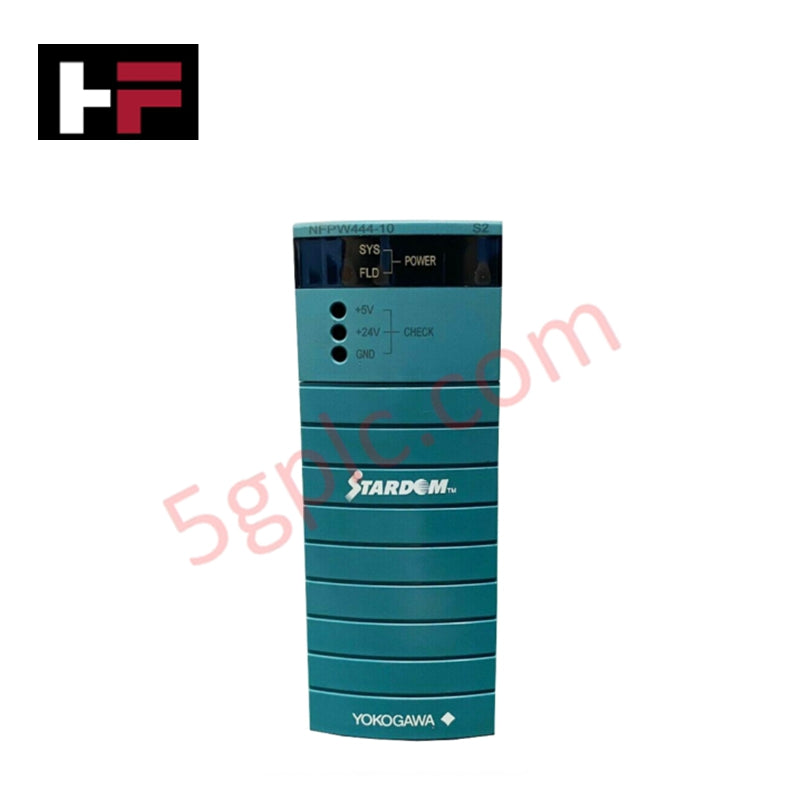
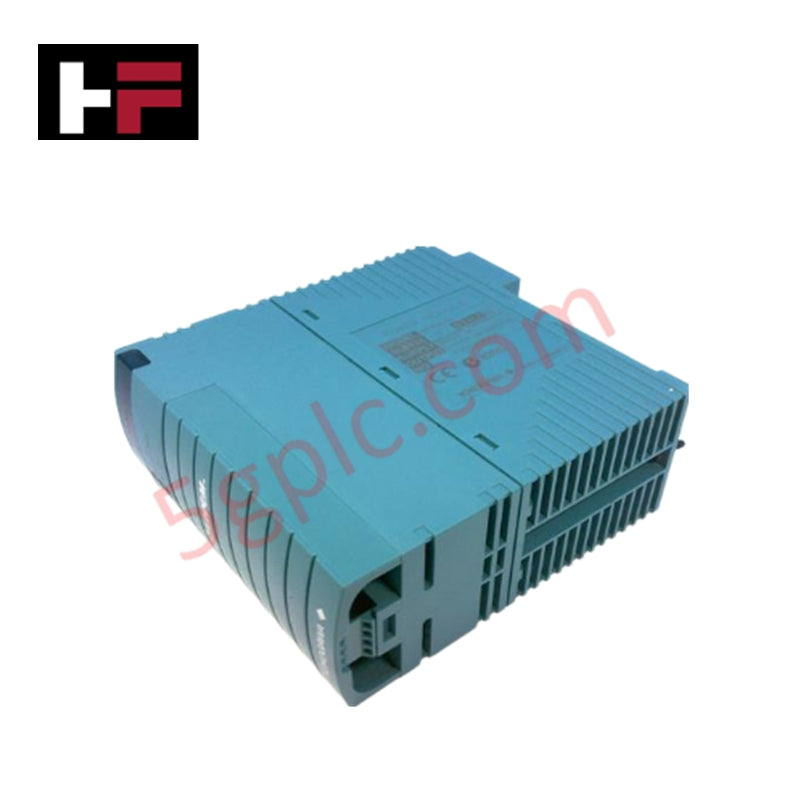
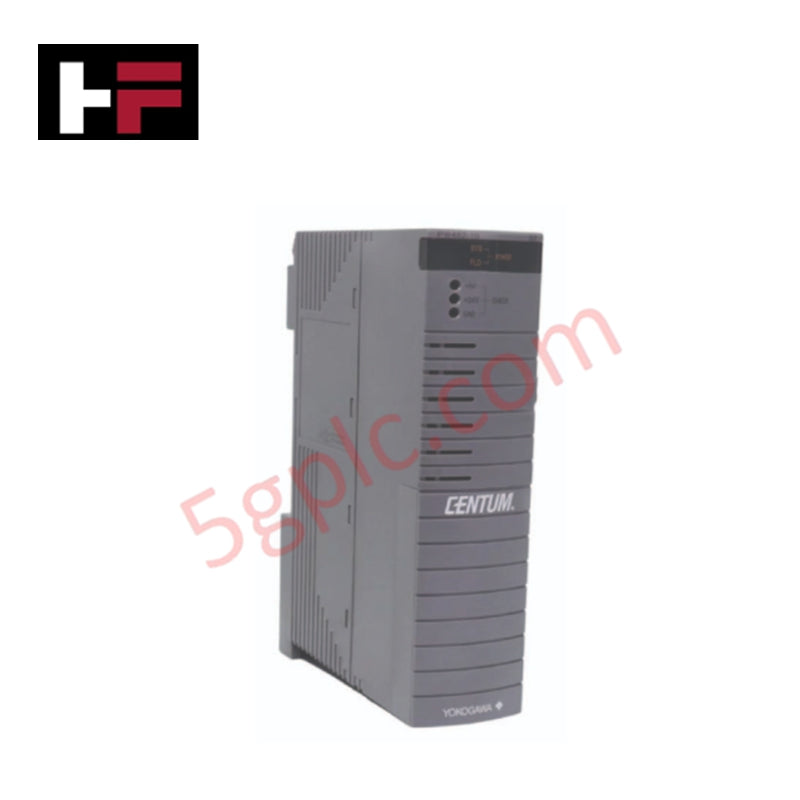
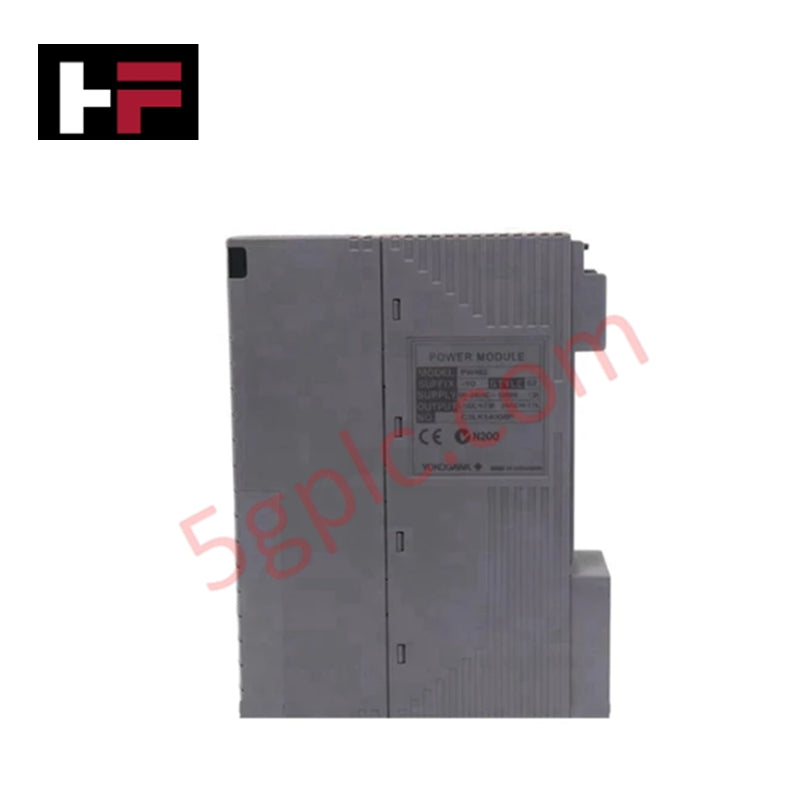
The Yokogawa SPW482-50 serves as the primary SPW482 Power Supply Module utilized to execute discrete power transformation and distribution across ProSafe-RS and CENTUM system platforms. Configured as a rack-mounted, plug-in assembly, the hardware converts high-voltage alternating current utility lines into a regulated 24 VDC secondary bus to energize adjacent field control units (FCU), FIO node units, or optical ESB bus repeater modules.
Suffix Breakdown & Model Matrix
- SPW482: Core power supply module base platform designation.
- -50: Suffix matrix variant specifying a 220 to 240 V AC nominal input range, 50 W output capacity, and standard integrated protection circuitry.
Hardware Specifications
| Parameter | Specification |
|---|---|
| Model | SPW482-50 |
| Brand | Yokogawa |
| Origin | Japan |
| Weight | ~1.4 kg |
| Dimensions | 44.45 x 264.2 x 186 mm |
| Operating Temp | 0 to 55 deg C |
| Power Consumption | ~230 VA maximum |
| Input Voltage | 220 to 240 V AC (+/-10%), 50/60 Hz |
| Output Voltage | 24 V DC (regulated) |
| Output Power | 50 W |
| Cooling Method | Natural convection (fanless design) |
| Protection Features | Overvoltage, overcurrent, short-circuit protection |
| Redundancy | Dual-redundant configuration supported via dual installation |
| Hot-Swap Capability | Yes, supports online replacement |
Process Control & Channel-to-Channel Isolation
The power subsystem architecture incorporates advanced isolation barriers to ensure distinct channel-to-channel isolation parameters between incoming utility feeds and local low-voltage DC buses. This topological segmentation isolates the high-voltage AC mains from the sensitive internal logic board, mitigating the propagation of common-mode voltage transients. Furthermore, this decoupling layout limits inductive cross-talk, protecting adjacent analog signal loops, including 4-20 mA HART loop protocol paths, from harmonic distortion or common-mode noise.
Frequently Asked Questions
Q: What are the engineering constraints regarding online hot-swap operations for this module?
A: Online hot-swapping is permitted only when the module is part of an active dual-redundant power configuration where two modules are installed in parallel. If a standalone single module configuration is extracted while energized, the power bus will collapse, resulting in immediate down-time of the associated FIO Node or FCU logic processing assembly.
Q: How does the module handle internal thermal dissipation without integrated fan assemblies?
A: The hardware utilizes a fanless natural convection profile. Heat distribution is dissipated directly through the integrated structural heat sinks and outer enclosure perforation patterns. This requires strict adherence to vertical rack clearance boundaries to ensure unobstructed passive airflow.
Field Installation Guidelines
- Chassis Insertion and Keying: Align the guide rails of the SPW482-50 with the base chassis slot before sliding the unit inward. Ensure the locking tabs snap completely into the backplane matrix to maintain a continuous, low-impedance electrical bond for the power terminals.
- AC Feed Separation and Routing: All incoming 220 to 240 V AC primary wiring must be physically segregated from low-voltage DC lines and communication trunk lines. Use dedicated non-combustible wireways to suppress electromagnetic coupling between line feeds and discrete signaling networks.
- Grounding and Shield Termination: Connect the rack frame ground terminal to the master plant copper instrumentation safety ground grid using a low-impedance conductor. All peripheral instrumentation drain wires must terminate at the centralized cabinet bus bar to prevent stray earth potential loops from inducing ripple voltages on the 24 VDC regulated output.
Additional Information
- 100% Genuine Parts: All products are original and authentic, ensuring reliable industrial performance.
- 30-Day Refund Guarantee: Return any in-stock item within 30 days in original, unopened packaging for a full refund (excluding shipping and fees).
- 12-Month Warranty: Covers defects in materials or workmanship; excludes misuse, normal wear, or unauthorized modifications.
- Worldwide Shipping: We ship via USPS, UPS, FedEx, and DHL. Delivery times vary by country and may be subject to customs or import fees.
- Support & Contact: Technical and warranty assistance is available anytime. Contact us here: Contact.
- Purchase Guidance: Check product specifications and compatibility carefully before ordering to ensure proper application.
Tech & Buying Guide

Executing a PLC System Site Acceptance Test (SAT): The Definitive Engineering Guide
The transition of a Programmable Logic Controller (PLC) cabinet from a controlled factory floor to a volatile plant environment represents a critical milestone in factory automation. While a Factory Acceptance Test (FAT) validates standalone hardware compliance under ideal conditions, it cannot replicate real-world process dynamics. Therefore, deploying an industrial automation system requires a rigorous Site Acceptance Test (SAT) to verify total loop integrity, field wiring wiring metrics, and process control parameters before final customer handover.

Advanced Integration: Master Protocol for VFD Commissioning and Testing
Deploying variable frequency drives (VFDs) requires precise execution during the initial commissioning phase. Junior automation engineers often find the first power-up sequence intimidating. However, following a rigorous engineering framework ensures equipment safety and system reliability. Proper startup procedures protect both the drive electronics and the connected motor.

Optimizing Factory Automation: The Definitive Guide to VFD Preventive Maintenance
Variable Frequency Drives (VFDs) serve as critical assets in modern industrial automation. These power electronic devices regulate electric motors by adjusting the supplied frequency and voltage. Consequently, industries utilize VFDs to reduce energy consumption and optimize process control. Major manufacturers like Siemens, ABB, and Yaskawa design highly efficient drives. However, sustained efficiency requires a rigorous preventive maintenance program.