












Product Details
Product Overview
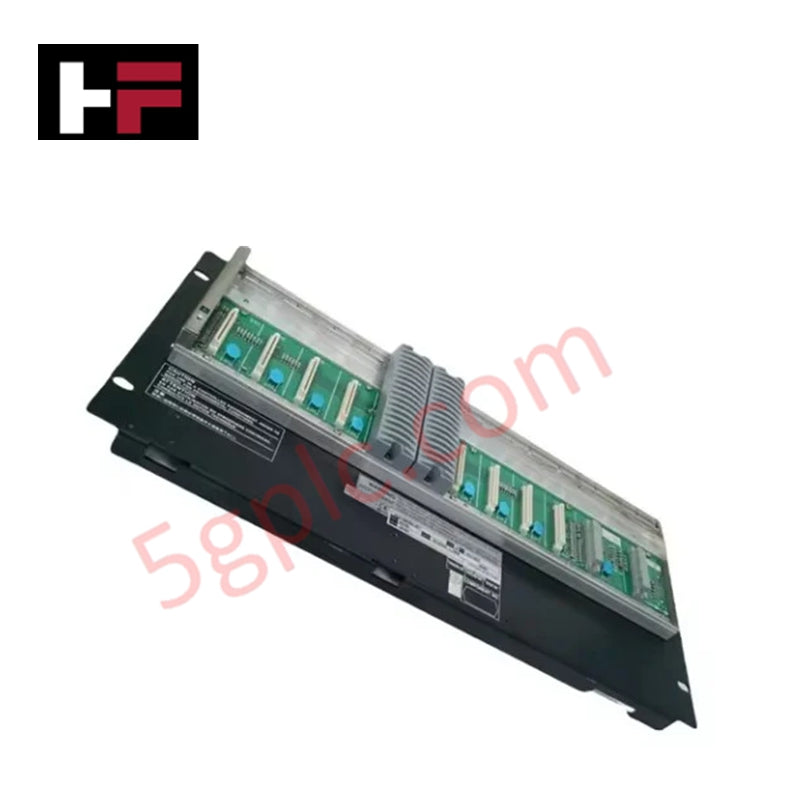
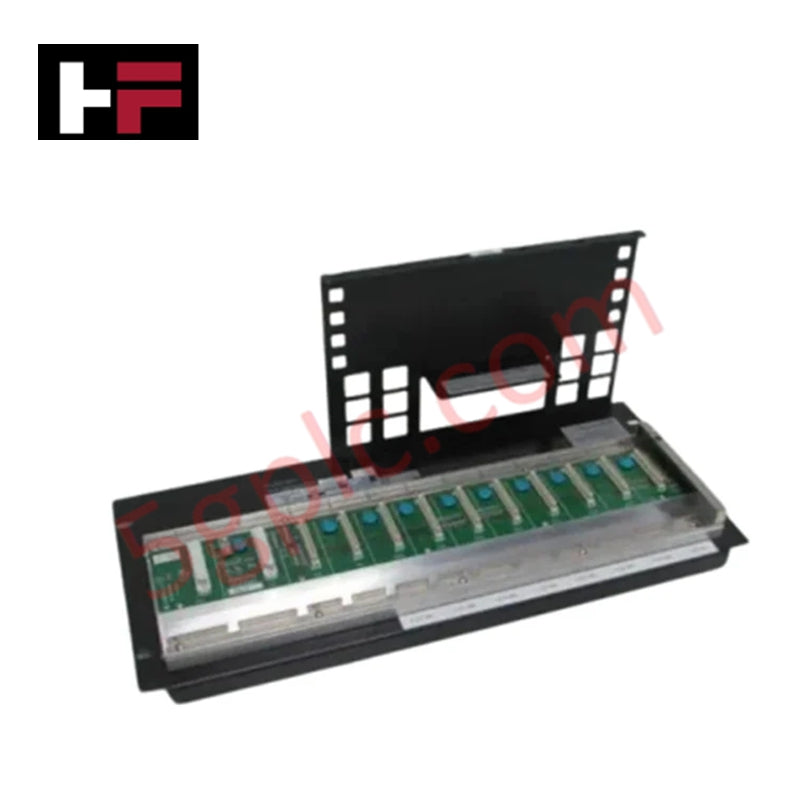
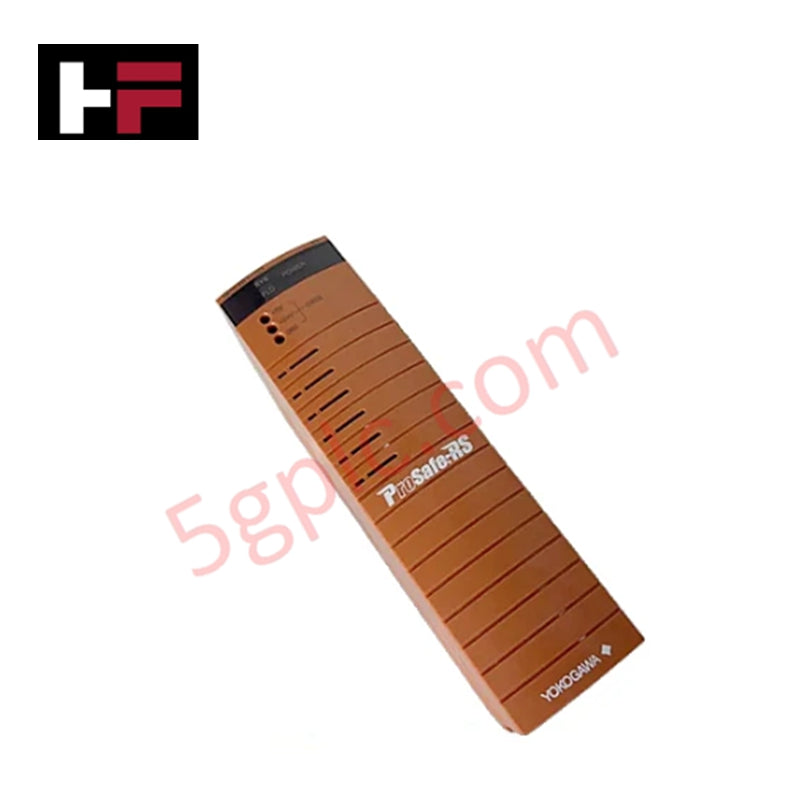
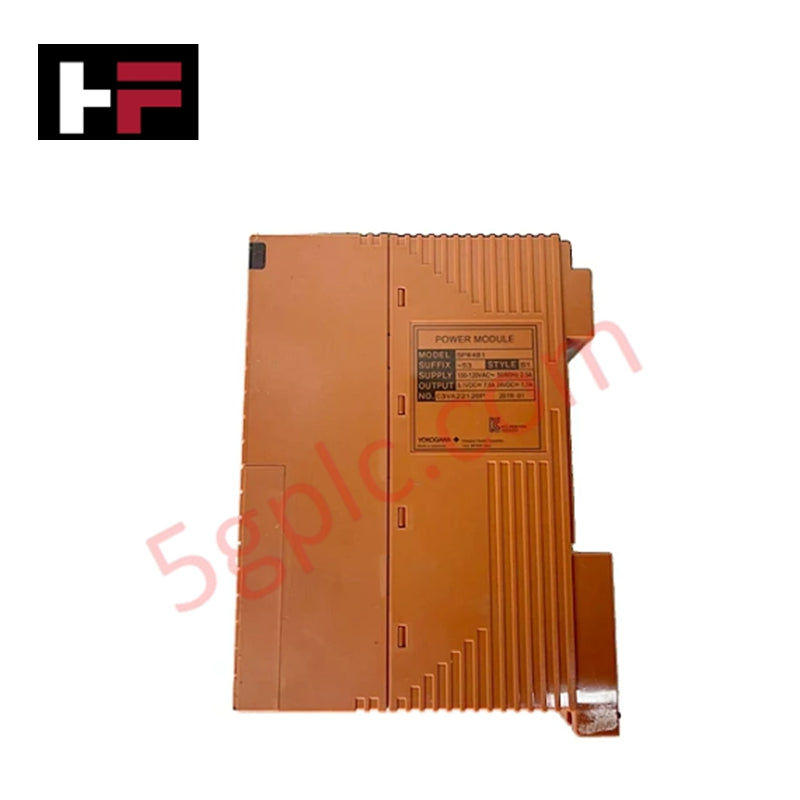
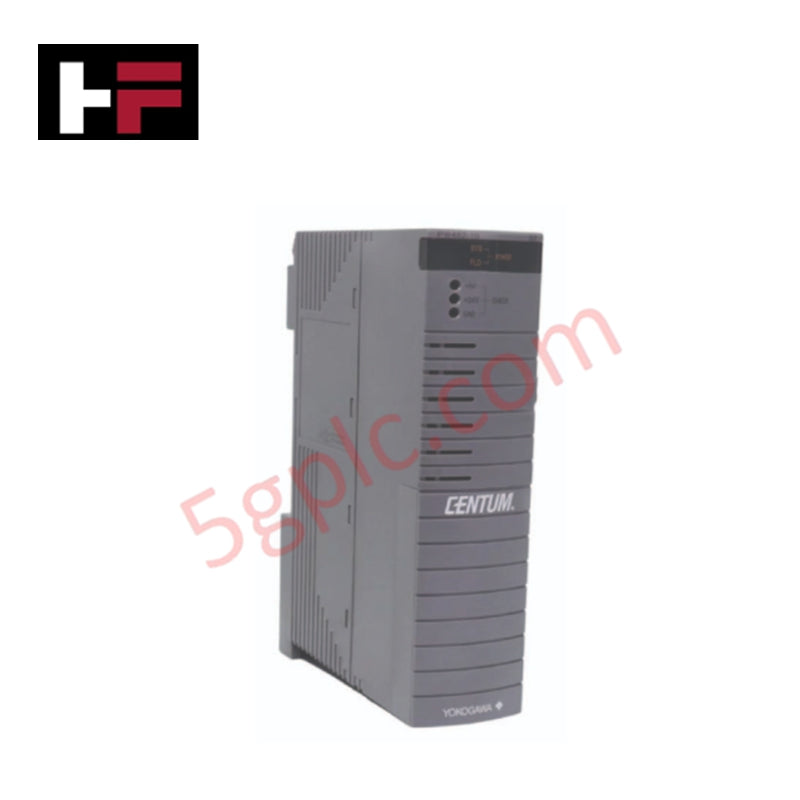
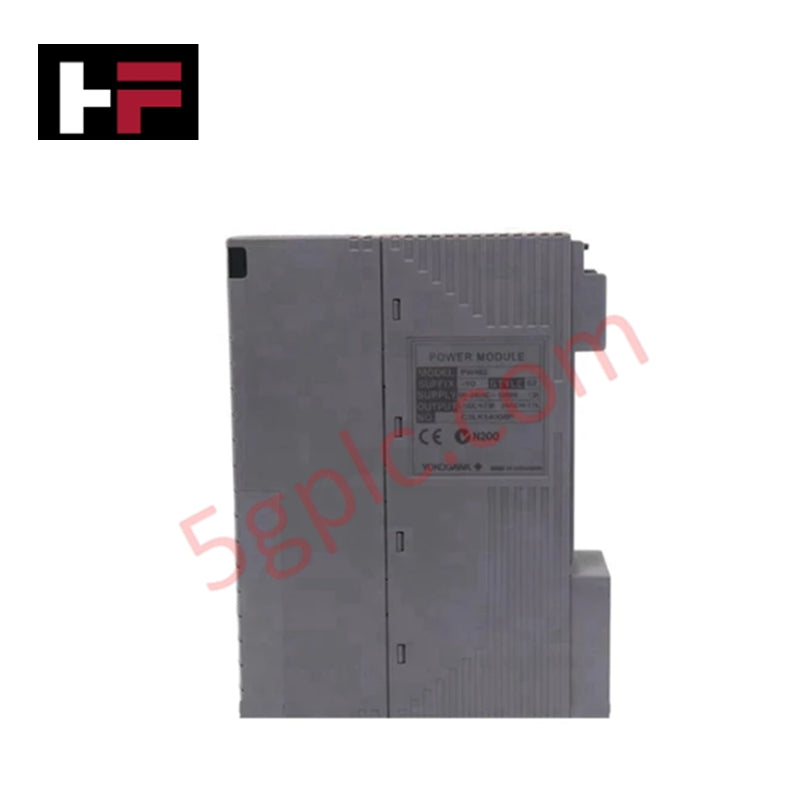
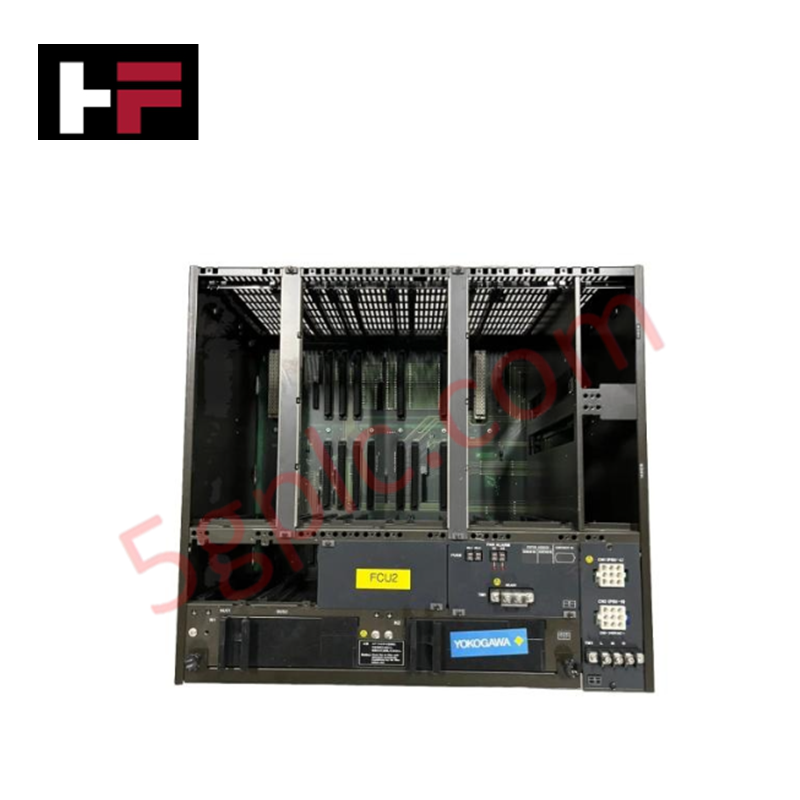
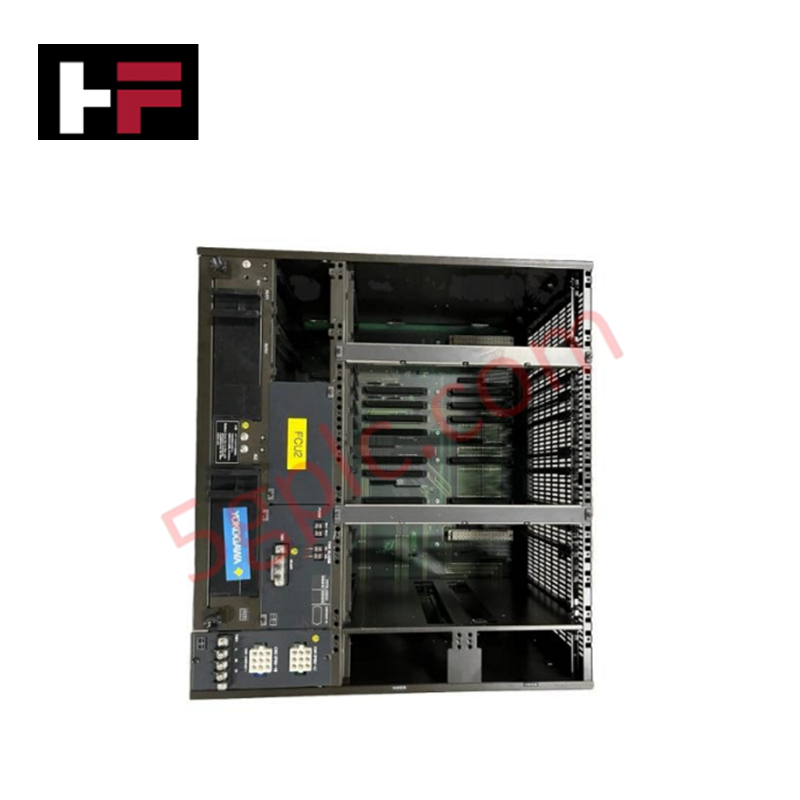
The Yokogawa ANB11D-225/BU2B functions as a high-reliability node unit designed for the CENTUM VP integrated production control system. This unit facilitates seamless communication between the Human Interface Station (HIS) and Field Control Stations (FCS) via a dual-redundant ESB bus. By integrating an optical repeater, it extends signal transmission distances up to 5 km, ensuring robust data integrity across large-scale industrial facilities. We supply this unit as 100% brand new and original factory-sealed equipment.
Part Number Breakdown
The model code ANB11D-225/BU2B follows Yokogawa's modular engineering logic:
| Code Segment | Technical Definition |
| ANB11D | Node Unit for Dual-Redundant ESB Bus with Optical Repeater |
| -2 | Dual-redundant power supply configuration for 5 km optical transmission |
| 2 | 220-240 V AC Power Supply requirement |
| 5 | Basic type (Non-explosion protection) |
| BU2B | Connector unit equipped with a terminator for the ESB Bus |
Technical Specifications
This node unit optimizes fieldbus communication through the following parameters:
-
Manufacturer: Yokogawa
-
Power Requirements: 220 V to 240 V AC (Single-phase)
-
Redundancy: Supports full dual-redundancy for power and communication
-
Transmission Medium: Optical fiber cable for long-distance stability
-
Maximum Distance: 5 km between nodes
-
Component Type: Includes BU2B Connector Unit with built-in terminator
-
Shipping Weight: 12 kg (includes protective industrial packaging)
-
Condition: Brand New, Factory Original
Engineering Advantages
-
Long-Distance Signal Integrity: The integrated optical repeater eliminates electromagnetic interference (EMI) issues common in copper wiring. It allows engineers to bridge vast distances (up to 5 km) without signal degradation or the need for intermediate boosters.
-
Zero-Downtime Power Architecture: The dual-redundant power supply modules prevent system shutdowns. If one power source fails, the secondary module instantly takes the load, maintaining continuous operation of critical industrial processes.
-
Simplified Termination: The BU2B connector unit includes a pre-integrated terminator. This design simplifies the physical layer setup, reduces the risk of reflection errors on the ESB bus, and accelerates the commissioning phase during site installation.
-
Hardened Industrial Durability: Yokogawa builds the ANB11D to withstand the thermal and electrical stresses of control room environments, ensuring a mean time between failures (MTBF) that meets rigorous B2B industrial standards.
FAQs
-
Is this unit compatible with existing CENTUM VP systems?
Yes, the ANB11D-225/BU2B integrates directly with CENTUM VP R5.01 and higher. It supports standard ESB bus protocols used in Yokogawa’s distributed control system (DCS) architecture.
-
Does the unit require a separate terminator for the ESB bus?
No. This specific configuration includes the /BU2B suffix, which means the connector unit already contains the necessary terminator. You do not need to purchase or install an external termination resistor.
-
How should I handle the optical ports during installation?
Always keep the dust caps on the optical connectors until the moment of fiber connection. Even microscopic dust particles can impede the 5 km signal strength. Ensure your fiber optic cables match the multi-mode or single-mode specifications defined in the Yokogawa hardware manual.
Additional Information
- 100% Genuine Parts: All products are original and authentic, ensuring reliable industrial performance.
- 30-Day Refund Guarantee: Return any in-stock item within 30 days in original, unopened packaging for a full refund (excluding shipping and fees).
- 12-Month Warranty: Covers defects in materials or workmanship; excludes misuse, normal wear, or unauthorized modifications.
- Worldwide Shipping: We ship via USPS, UPS, FedEx, and DHL. Delivery times vary by country and may be subject to customs or import fees.
- Support & Contact: Technical and warranty assistance is available anytime. Contact us here: Contact.
- Purchase Guidance: Check product specifications and compatibility carefully before ordering to ensure proper application.
Tech & Buying Guide
Mastering Modern Industrial Joystick Controls in Heavy Automation
Industrial joysticks play a pivotal role in human-machine interaction across heavy material handling and mobile hydraulics. These tactile controllers translate complex operator movements into precise electrical signals for PLCs, motion controllers, and DCS networks. Consequently, selecting and installing the right joystick architecture ensures operator safety, reduces fatigue, and optimizes equipment performance.

Navigating Industrial Automation Failures: Types, Causes, and Mitigation Strategies
Modern manufacturing relies heavily on automated control systems to maximize throughput and maintain product quality. However, unplanned downtime in industrial automation can cost facility operators thousands of dollars per hour. Understanding how programmable logic controllers (PLCs), distributed control systems (DCS), and field instrumentation fail empowers engineering teams to implement robust preventive maintenance strategies.
Essential Motion Control Commands: A Practical Guide for Engineers
Automation engineers often rely on precise position and speed control to drive modern factory machinery. Modern industrial systems, such as Programmable Logic Controllers (PLCs) and Distributed Control Systems (DCS), depend heavily on standardized motion instructions. Mastering these commands ensures operational safety, protects mechanical components, and optimizes cycle times across production lines.