










Product Details
Product Overview
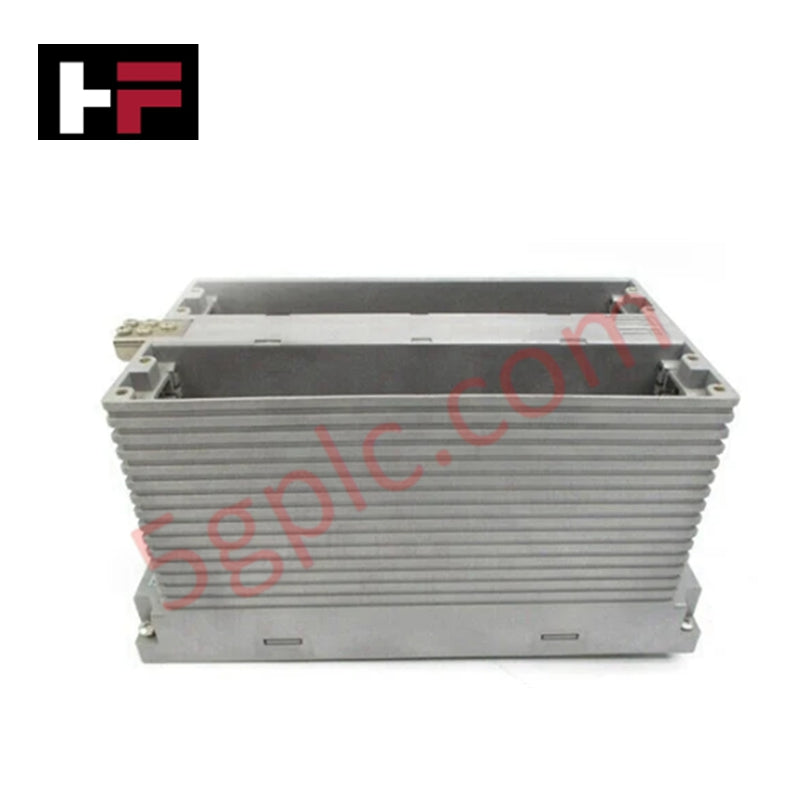
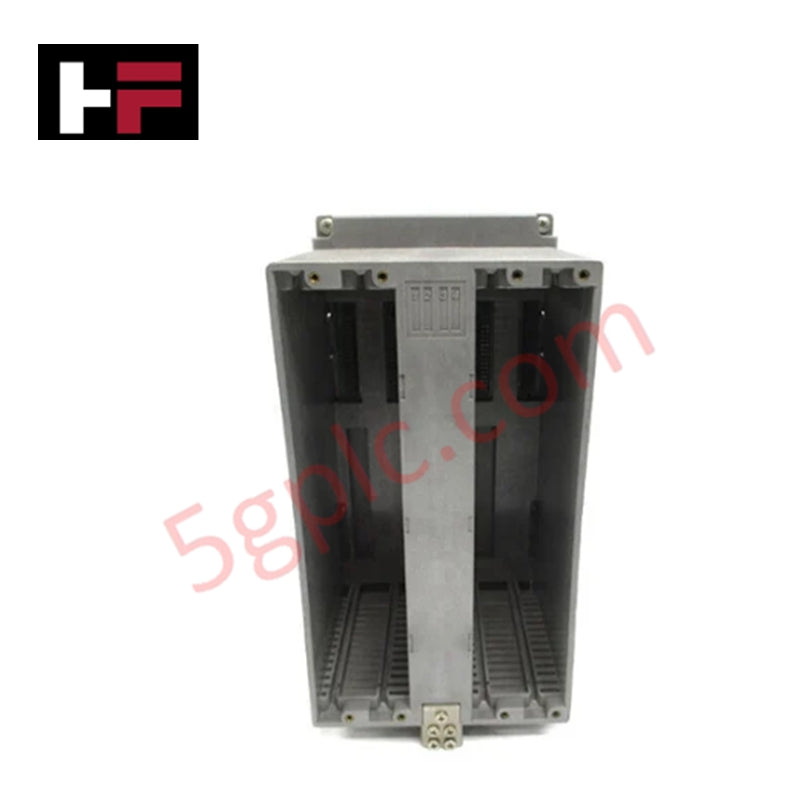
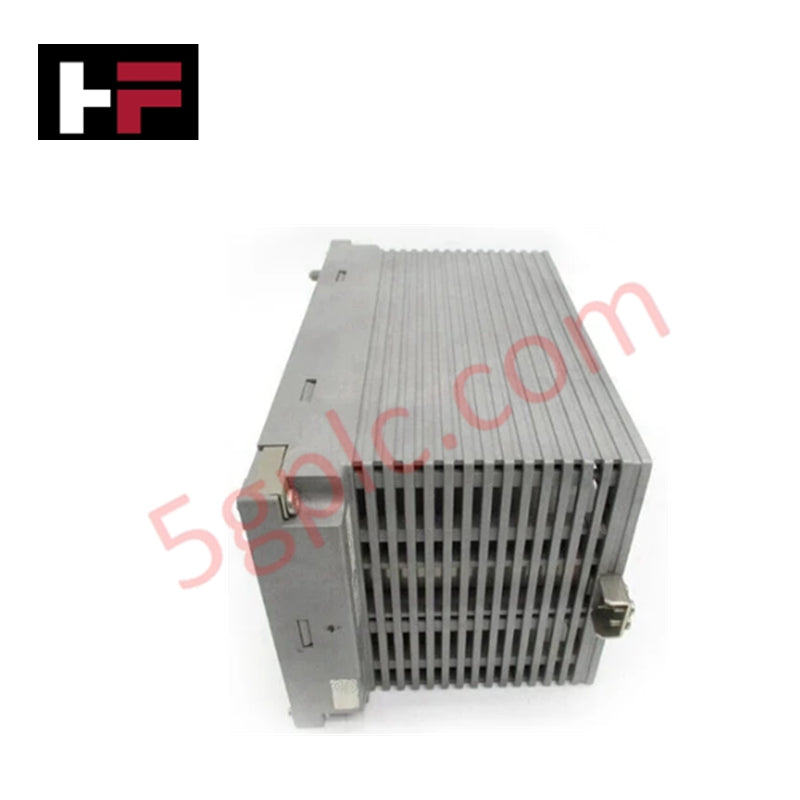
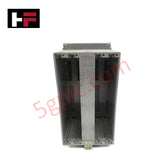
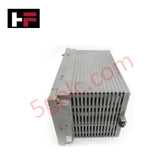
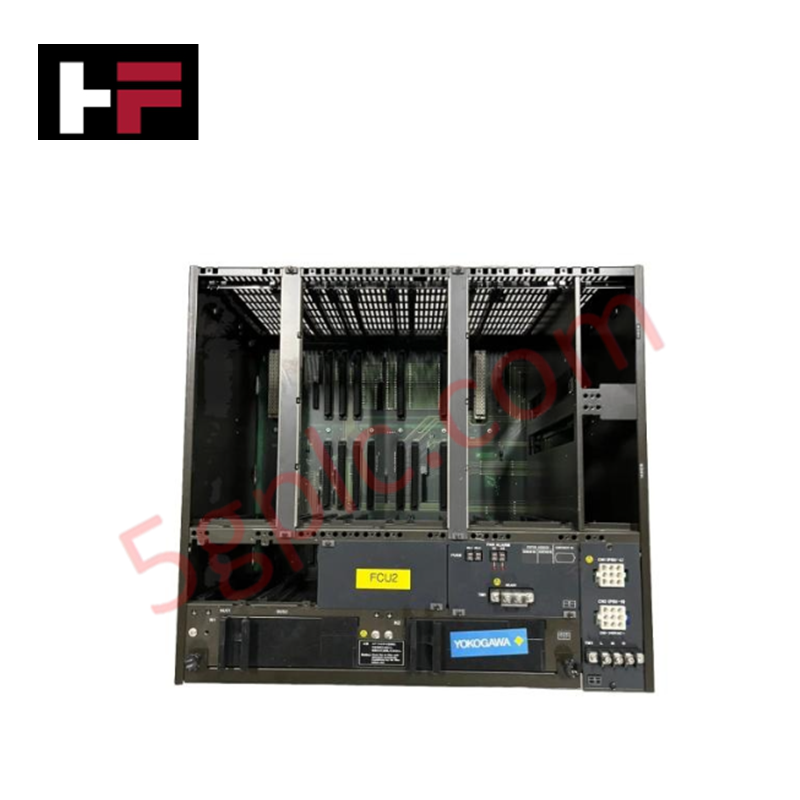
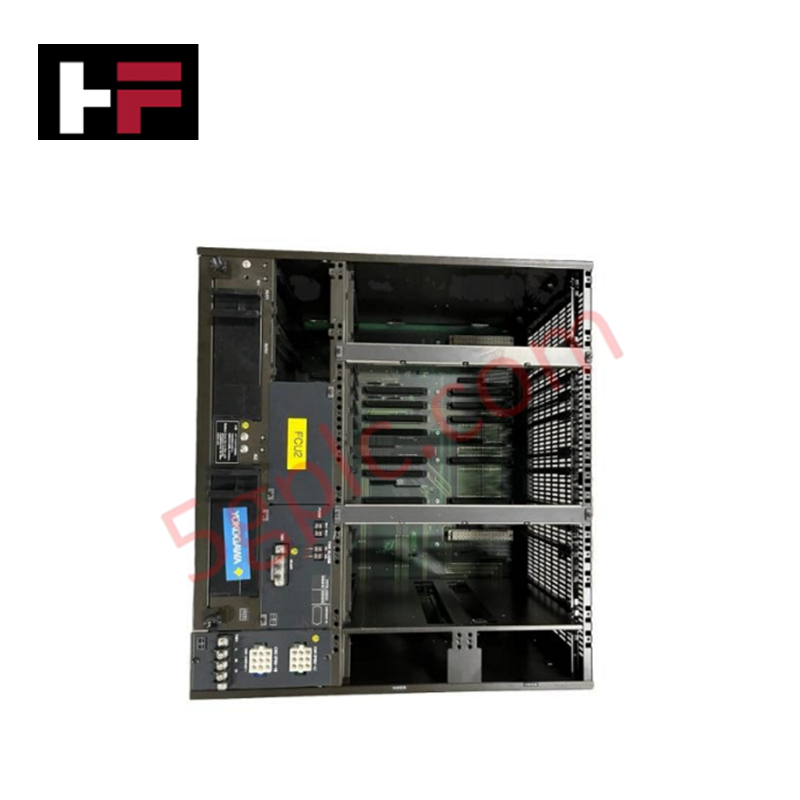
The Yokogawa AMN51 functions as a specialized interface module nest within the CENTUM CS 3000 Remote I/O (RIO) architecture. This chassis provides the mechanical framework and electrical backplane required to host communication interface modules that bridge field I/O data with the central control network. It centralizes signal processing and ensures high-speed data throughput between the node interface and the processing units.
Technical Specifications
The AMN51 provides a robust, compact footprint for industrial cabinet integration:
| Feature | Specification |
| Manufacturer | Yokogawa |
| Model | AMN51 |
| Width | 137.5 mm |
| Depth | 225 mm |
| Height | 254 mm |
| Weight | Max. 2.5 kg (excluding modules) |
| System Compatibility | Yokogawa RIO / CENTUM CS 3000 |
| Condition | 100% Brand New and Original |
Engineering Advantages
-
Optimized Cabinet Integration: The 137.5 mm width allows for high-density mounting within standard industrial enclosures. This compact design saves significant rail space, enabling engineers to expand I/O capacity without requiring additional or larger cabinets.
-
Thermal Management: The nest architecture incorporates vertical airflow paths. This design prevents heat accumulation around sensitive interface electronics, maintaining stable communication speeds even in elevated ambient temperatures common in process environments.
-
Robust Signal Shielding: The metallic chassis design of the AMN51 effectively blocks electromagnetic interference (EMI). It protects the high-speed data bus from electrical noise generated by nearby variable frequency drives (VFDs) and high-power switchgear.
-
Simplified Field Upgrades: Standardized mounting points and clear slot labeling facilitate rapid installation. Maintenance teams can install or replace interface modules in minutes, reducing system downtime during critical hardware updates.
FAQs
-
Is the Yokogawa AMN51 supplied as a new or refurbished unit?
We supply the AMN51 as 100% Brand New and Original equipment. Every unit remains in its original factory packaging to guarantee the integrity of the backplane connectors and electrical components.
-
What is the difference between AMN51 and AMN52 regarding weight?
The AMN51 and AMN52 share a similar physical architecture, but the AMN51 is optimized for specific interface configurations. The maximum weight of 2.5 kg ensures the nest remains manageable during single-person installation while providing sufficient structural rigidity.
-
Does this nest include the I/O modules?
No. The AMN51 is the base rack (nest) only. You must order the specific communication or interface modules separately based on your system's protocol requirements (e.g., RIO bus).
-
How do I ensure proper grounding for the AMN51?
The chassis features a dedicated grounding terminal. You must connect this to the cabinet’s common ground bus using a low-impedance conductor to ensure effective EMI shielding and personnel safety.
Additional Information
- 100% Genuine Parts: All products are original and authentic, ensuring reliable industrial performance.
- 30-Day Refund Guarantee: Return any in-stock item within 30 days in original, unopened packaging for a full refund (excluding shipping and fees).
- 12-Month Warranty: Covers defects in materials or workmanship; excludes misuse, normal wear, or unauthorized modifications.
- Worldwide Shipping: We ship via USPS, UPS, FedEx, and DHL. Delivery times vary by country and may be subject to customs or import fees.
- Support & Contact: Technical and warranty assistance is available anytime. Contact us here: Contact.
- Purchase Guidance: Check product specifications and compatibility carefully before ordering to ensure proper application.
Tech & Buying Guide

Essential Motion Control Commands: A Practical Guide for Engineers
Automation engineers often rely on precise position and speed control to drive modern factory machinery. Modern industrial systems, such as Programmable Logic Controllers (PLCs) and Distributed Control Systems (DCS), depend heavily on standardized motion instructions. Mastering these commands ensures operational safety, protects mechanical components, and optimizes cycle times across production lines.
Mastering Modern Industrial Joystick Controls in Heavy Automation
Industrial joysticks play a pivotal role in human-machine interaction across heavy material handling and mobile hydraulics. These tactile controllers translate complex operator movements into precise electrical signals for PLCs, motion controllers, and DCS networks. Consequently, selecting and installing the right joystick architecture ensures operator safety, reduces fatigue, and optimizes equipment performance.

Navigating Industrial Automation Failures: Types, Causes, and Mitigation Strategies
Modern manufacturing relies heavily on automated control systems to maximize throughput and maintain product quality. However, unplanned downtime in industrial automation can cost facility operators thousands of dollars per hour. Understanding how programmable logic controllers (PLCs), distributed control systems (DCS), and field instrumentation fail empowers engineering teams to implement robust preventive maintenance strategies.