











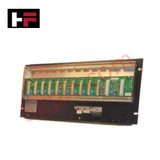
Product Details
Product Overview
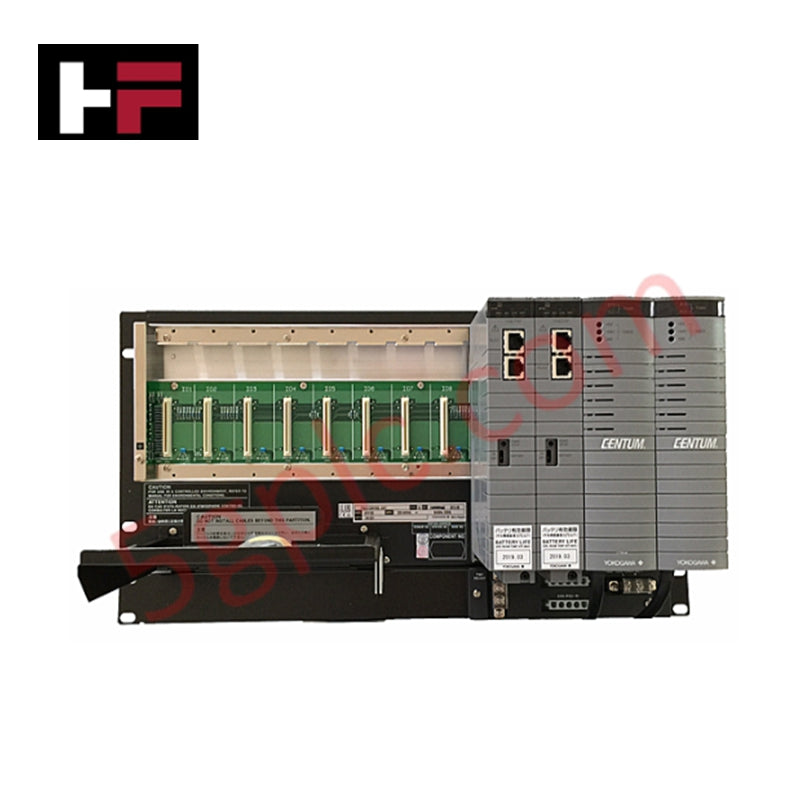
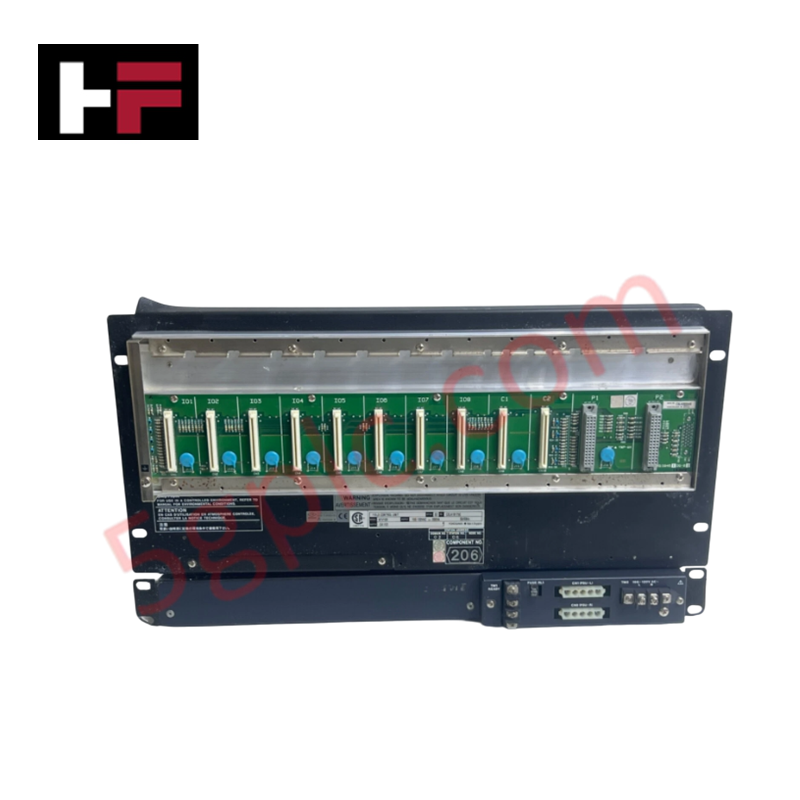
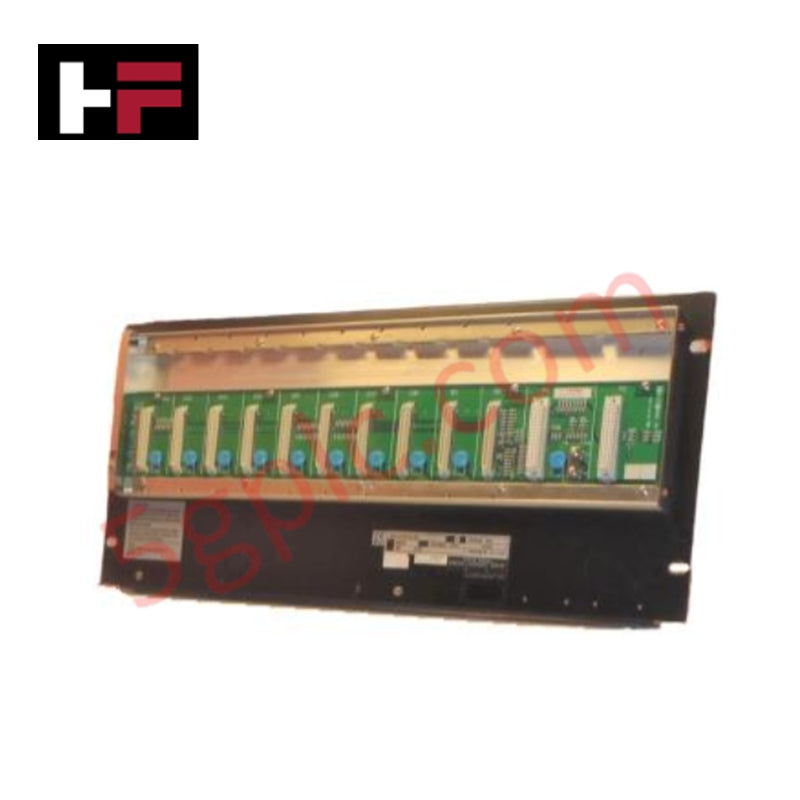
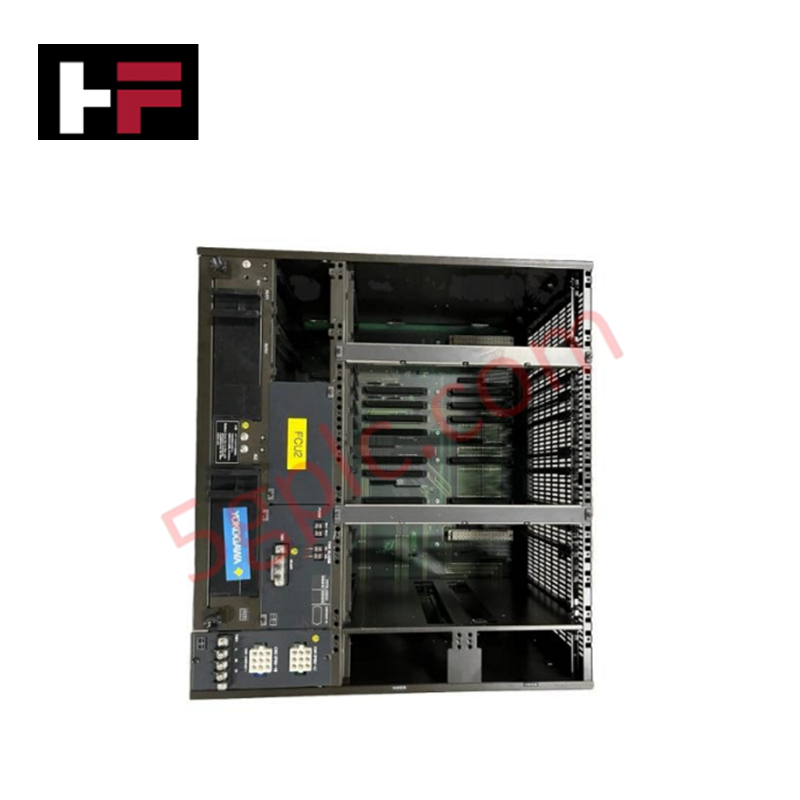
The Yokogawa AFV30D-S41151/HKU serves as the central processing hub for the CENTUM VP Distributed Control System (DCS). This Duplex Field Control Unit (FCU) executes critical PID, sequence, and batch control logic while maintaining high-availability through dual-redundant CPU and communication paths. The "/HKU" designation indicates integrated Housekeeping Unit support, providing advanced cabinet-level environmental monitoring and fault diagnostics. We supply this unit as 100% Brand New and Original, ensuring peak performance for your mission-critical automation infrastructure.
Part Number Breakdown: AFV30D-S41151/HKU
Yokogawa employs a modular suffix system to define the specific capabilities of this Field Control Unit:
| Code | Specification | Technical Description |
| AFV30D | Model | Duplexed Field Control Unit (for Vnet/IP and FIO) |
| -S | Suffix | Standard type |
| 4 | Networking | Dual-redundant Vnet/IP |
| 1 | Power Option | Standard 100-120V AC or system-defined feed |
| 1 | Style | Revision 1 |
| 5 | Protection | Basic type (no explosion protection) |
| 1 | Logic | Standard Logic Execution |
| /HKU | Option | Housekeeping Unit Interface for cabinet monitoring |
Technical Specifications
The AFV30D-S41151/HKU utilizes industrial-grade hardware to ensure data integrity and continuous operation:
-
Control Functions: PID Control, Sequence Control, Logic, and Batch Control
-
Redundancy: Dual CPU architecture with redundant communication paths
-
Diagnostics: READY contact output and dedicated HKU fault contact output
-
Power Options: 100-120V AC, 220-240V AC, or 24V DC
-
Power Consumption: 200-300 VA (for AC configurations) / ~9 A (for DC)
-
Memory Backup: Integrated battery maintains main memory for up to 72 hours
-
Contact Rating: 30V DC, maximum 0.3A
-
Mounting: 19-inch rack mountable (482mm Width)
-
Cooling: Natural convection (fan-less design)
-
Weight: 7.0 kg
Engineering Advantages
The AFV30D-S41151/HKU solves complex process availability and maintenance challenges:
-
Seamless Failover Protection: The dual CPU architecture synchronization ensures that the standby processor assumes control within milliseconds of a primary fault. This prevents process upsets in high-risk applications like chemical refining or power generation.
-
Advanced Cabinet Diagnostics: The "/HKU" (Housekeeping Unit) interface monitors fan status, power supply health, and internal cabinet temperatures. It relays this data directly to the operator station, allowing for predictive maintenance before hardware failure occurs.
-
Simplified Rack Integration: The 482mm (19-inch) standard width fits perfectly into existing industrial enclosures. This allows engineers to upgrade control capacity without modifying cabinet structural layouts.
-
Fan-less Thermal Management: By utilizing natural convection for cooling, the unit eliminates mechanical fan failure points. This design significantly extends the Mean Time Between Failures (MTBF) and reduces dust accumulation within the unit.
-
Extended Power Autonomy: The 72-hour battery backup safeguards critical volatile memory during total plant power loss. This ensures the system retains its process state and allows for a rapid, safe restart once power returns.
FAQs
-
What is the specific function of the /HKU option?
The HKU (Housekeeping Unit) interface allows the Field Control Unit to monitor external cabinet signals, such as door switches, fan alarms, and power supply health. It provides an extra layer of diagnostic security beyond standard internal CPU monitoring.
-
Can I replace an AFV30S (Single) with an AFV30D (Duplex)?
Yes, provided your CENTUM VP license supports duplexed control and your rack has the necessary redundant slots. Upgrading to the AFV30D significantly increases system uptime by eliminating single points of failure in the processing layer.
-
How often should I replace the memory backup battery?
Yokogawa typically recommends battery replacement every 3 to 5 years, depending on the ambient temperature. The system provides a "Battery Low" diagnostic alarm through the software interface to prompt maintenance.
-
Does this unit require forced airflow?
No. The AFV30D-S41151/HKU utilizes natural convection. However, you must maintain the specified clearance in your 19-inch rack (standard 4U or 5U height depending on the layout) to allow rising heat to escape.
Additional Information
- 100% Genuine Parts: All products are original and authentic, ensuring reliable industrial performance.
- 30-Day Refund Guarantee: Return any in-stock item within 30 days in original, unopened packaging for a full refund (excluding shipping and fees).
- 12-Month Warranty: Covers defects in materials or workmanship; excludes misuse, normal wear, or unauthorized modifications.
- Worldwide Shipping: We ship via USPS, UPS, FedEx, and DHL. Delivery times vary by country and may be subject to customs or import fees.
- Support & Contact: Technical and warranty assistance is available anytime. Contact us here: Contact.
- Purchase Guidance: Check product specifications and compatibility carefully before ordering to ensure proper application.
Tech & Buying Guide
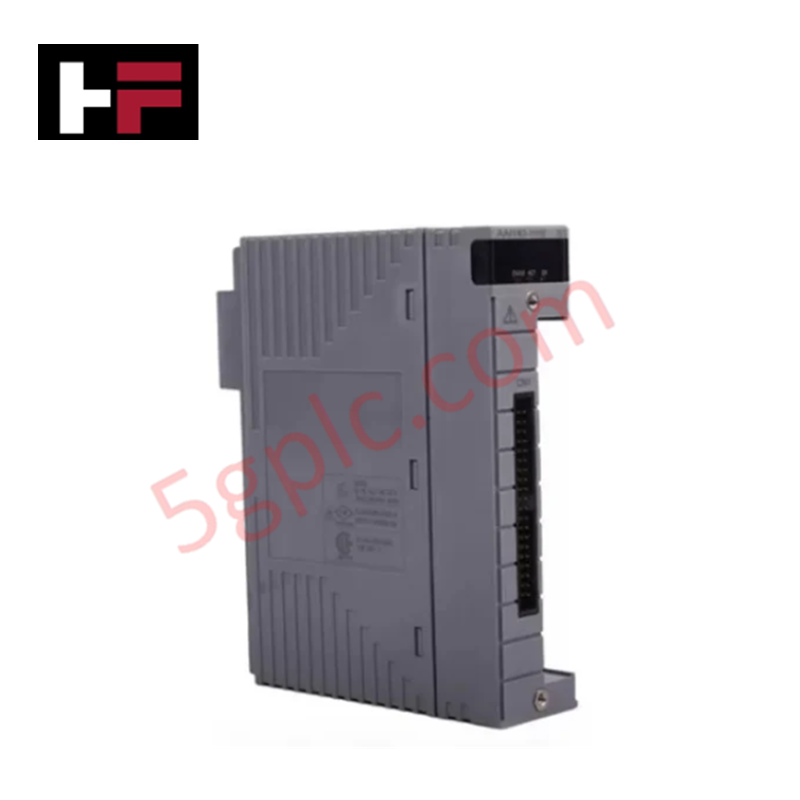
Mastering Modern Industrial Joystick Controls in Heavy Automation
Industrial joysticks play a pivotal role in human-machine interaction across heavy material handling and mobile hydraulics. These tactile controllers translate complex operator movements into precise electrical signals for PLCs, motion controllers, and DCS networks. Consequently, selecting and installing the right joystick architecture ensures operator safety, reduces fatigue, and optimizes equipment performance.
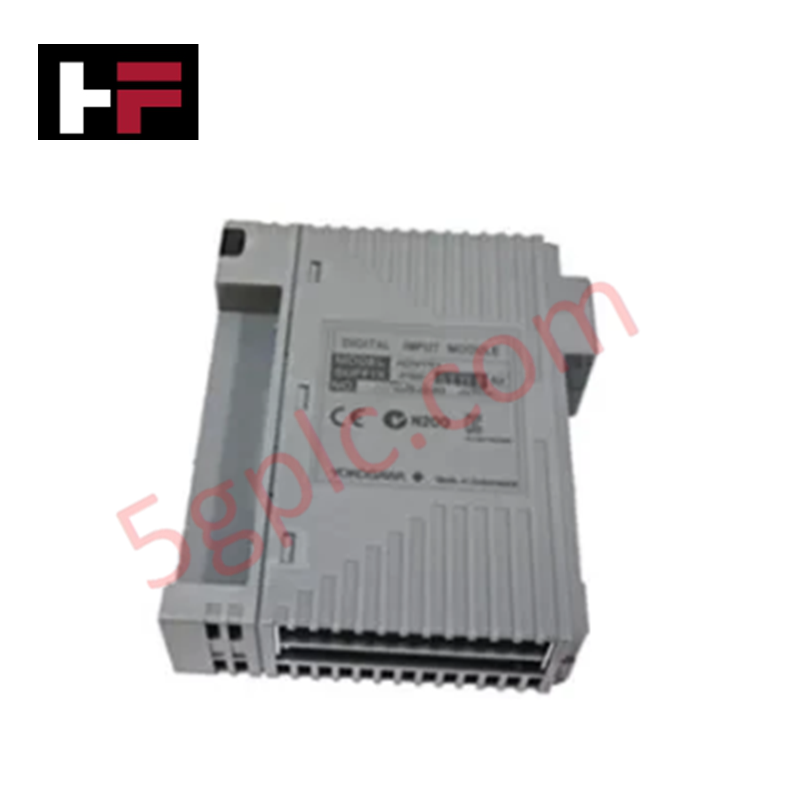
Navigating Industrial Automation Failures: Types, Causes, and Mitigation Strategies
Modern manufacturing relies heavily on automated control systems to maximize throughput and maintain product quality. However, unplanned downtime in industrial automation can cost facility operators thousands of dollars per hour. Understanding how programmable logic controllers (PLCs), distributed control systems (DCS), and field instrumentation fail empowers engineering teams to implement robust preventive maintenance strategies.
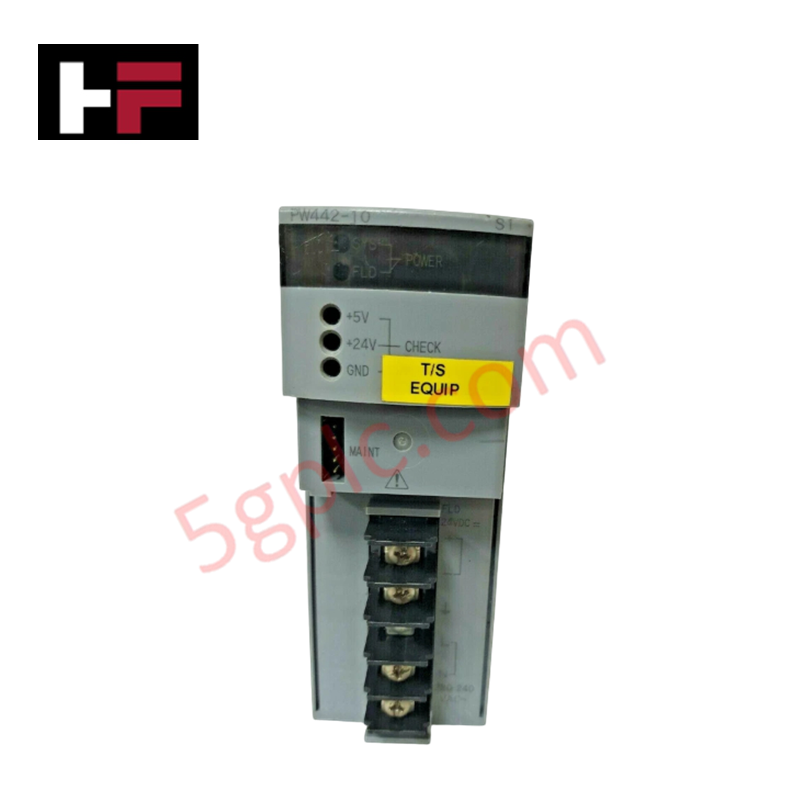
Essential Motion Control Commands: A Practical Guide for Engineers
Automation engineers often rely on precise position and speed control to drive modern factory machinery. Modern industrial systems, such as Programmable Logic Controllers (PLCs) and Distributed Control Systems (DCS), depend heavily on standardized motion instructions. Mastering these commands ensures operational safety, protects mechanical components, and optimizes cycle times across production lines.