










Product Details
Product Overview
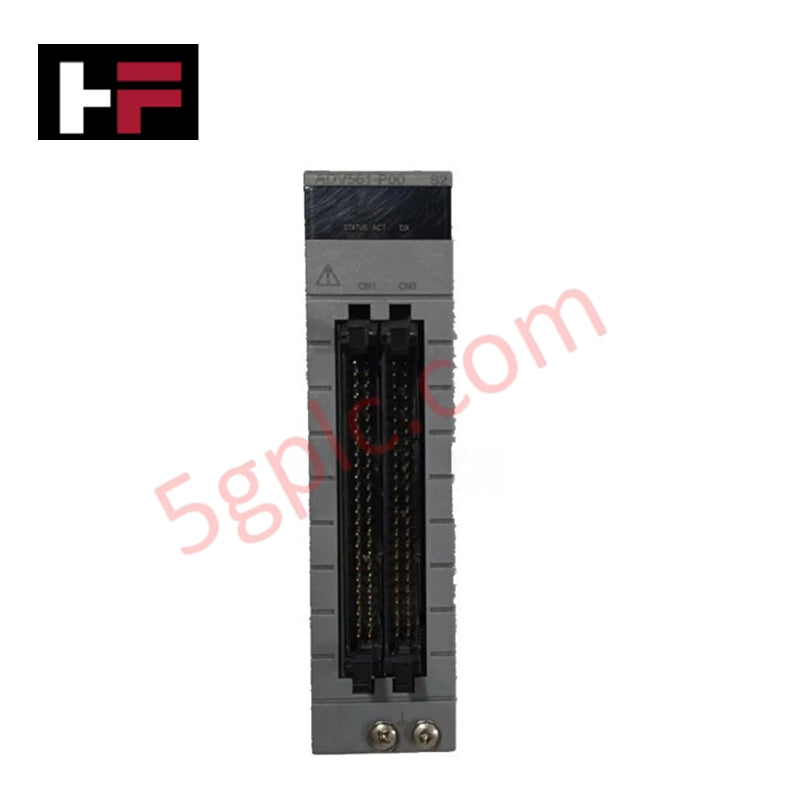
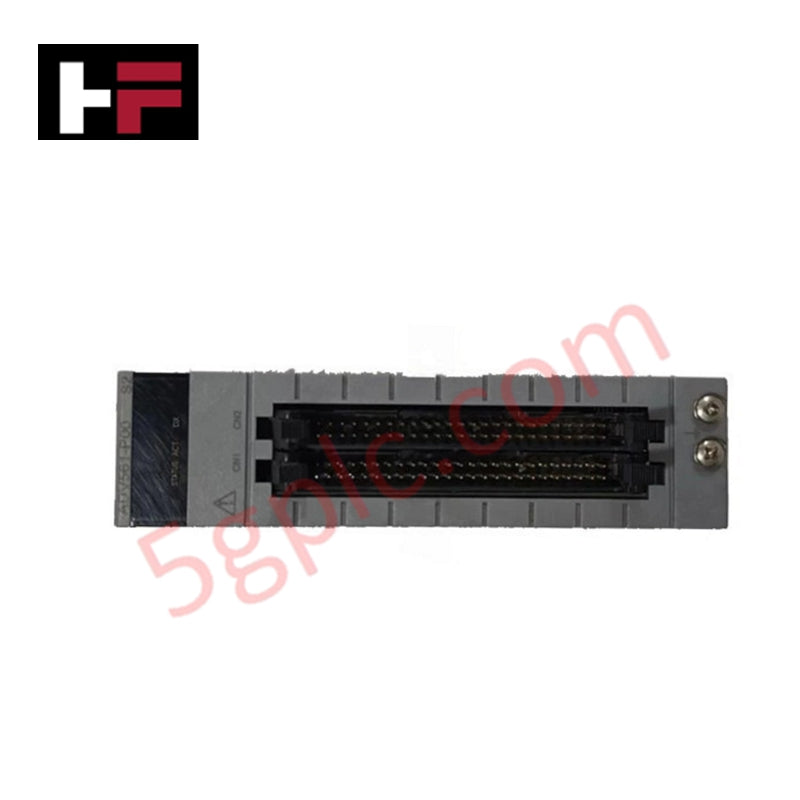
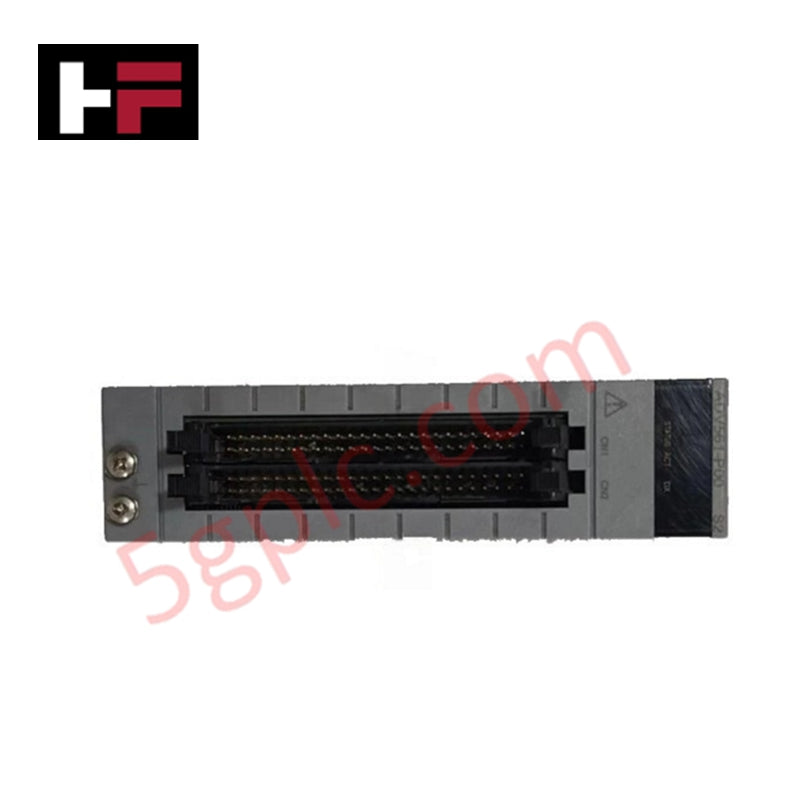
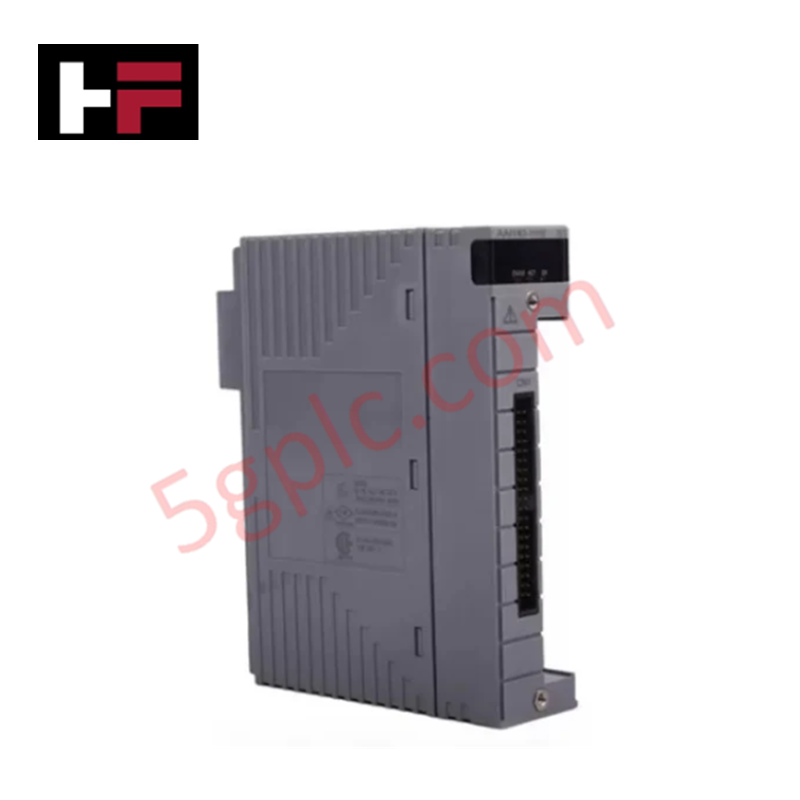
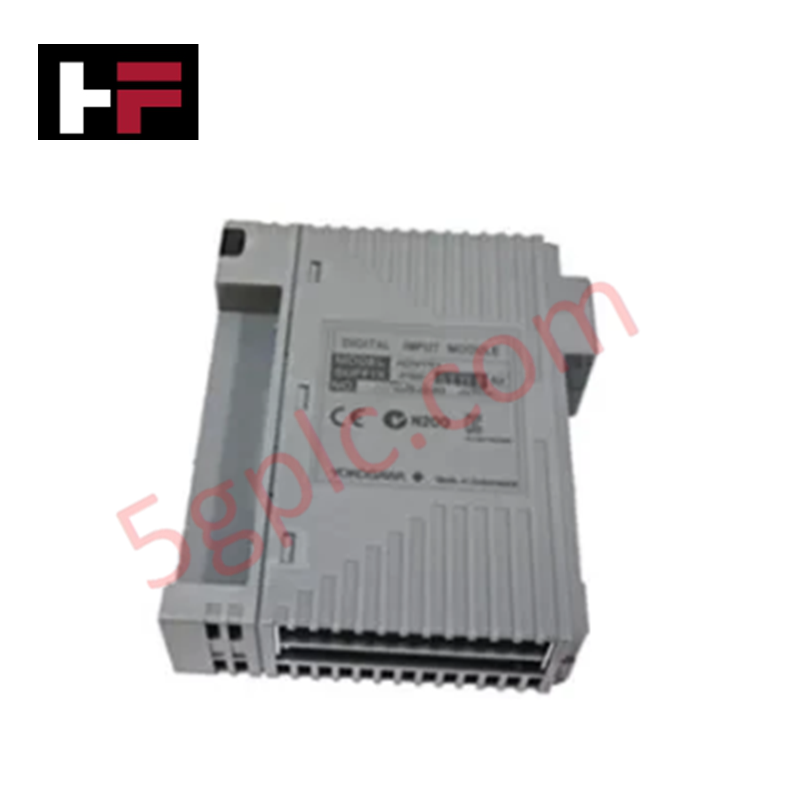
The Yokogawa ADV561-P01 delivers ultra-high-density digital output capabilities for the CENTUM VP control platform. This module integrates 64 current-sink channels into a single slot, doubling the capacity of standard output modules. It drives a vast array of discrete field devices, including external relays, solenoid valves, and annunciator panels, within 24 V DC logic environments. Its ability to handle both steady-state signaling and sophisticated pulse-based operations makes it a cornerstone for complex industrial automation layouts.
Part Number Breakdown
Yokogawa utilizes specific suffix codes to denote hardware logic and functional variants:
-
ADV561: High-Density Digital Output Module (64-Channel)
-
-P: Supports Pulse Output and long-duration timing functionality
-
0: Standard type configuration
-
1: Always 1 (Standard design)
Technical Specifications
The ADV561-P01 optimizes field control through precise electrical parameters:
-
Output Channels: 64 points (Common ground)
-
Output Type: Current Sink (Sinking)
-
Rated Load Voltage: 24 V DC
-
Permissible Load Voltage: 20.4 to 26.4 V DC
-
Maximum Load Current: 100 mA per channel
-
Status Response Time: ≤ 3 ms
-
Pulse Response Time: ≤ 10 ms
-
Pulse Duration Range: 8 ms to 7,200 seconds
-
Pulse Resolution: 8 ms increments
-
Internal Power Consumption: 700 mA @ 5 V DC
-
Residual Voltage (ON): ≤ 2 V DC
Engineering Advantages
-
Maximized Cabinet Density: By providing 64 channels per module, the ADV561-P01 significantly reduces the number of required I/O slots compared to the 32-channel ADV551. This allows engineers to shrink control cabinet footprints and reduce hardware overhead in large-scale refineries or power plants.
-
Versatile Control Logic: The "P" suffix functionality allows for both standard ON/OFF switching and precision pulse control. This flexibility solves the need for separate hardware when managing devices that require specific trigger durations, such as chemical injection pulses or timed alarm resets.
-
Rapid Response Performance: With a status response time under 3 ms, the module ensures near-instantaneous execution of control commands. This high-speed performance is critical for safety-related interlocking and high-frequency process sequences.
-
Reduced Installation Cost: High-density integration simplifies the wiring architecture. System integrators manage fewer modules and backplane connections, which accelerates the commissioning phase and minimizes potential points of failure in the bus communication.
FAQs
Is the Yokogawa ADV561-P01 available as a brand-new unit?
Yes. We supply this module as 100% Brand New and original equipment. It arrives in factory-sealed packaging to guarantee authentic Yokogawa quality and full operational lifespan.
How does the ADV561-P01 differ from the ADV551?
The primary difference lies in channel density. The ADV561-P01 provides 64 output points, exactly twice the capacity of the 32-channel ADV551. This makes the ADV561-P01 the preferred choice for high-point-count installations where rack space is at a premium.
What precautions should I take regarding the common ground?
Since the ADV561-P01 utilizes a non-isolated common ground for its 64 channels, ensure your field power supply and return wiring are correctly sized to handle the aggregate current of all active outputs without introducing significant voltage drops.
Can this module drive inductive loads directly?
The module handles up to 100 mA per channel. While it can drive small solenoid valves, we recommend using interposing relays for larger inductive loads or DC motors to protect the transistor outputs from back-EMF damage and excessive current draw.
Additional Information
- 100% Genuine Parts: All products are original and authentic, ensuring reliable industrial performance.
- 30-Day Refund Guarantee: Return any in-stock item within 30 days in original, unopened packaging for a full refund (excluding shipping and fees).
- 12-Month Warranty: Covers defects in materials or workmanship; excludes misuse, normal wear, or unauthorized modifications.
- Worldwide Shipping: We ship via USPS, UPS, FedEx, and DHL. Delivery times vary by country and may be subject to customs or import fees.
- Support & Contact: Technical and warranty assistance is available anytime. Contact us here: Contact.
- Purchase Guidance: Check product specifications and compatibility carefully before ordering to ensure proper application.
Tech & Buying Guide

Essential Motion Control Commands: A Practical Guide for Engineers
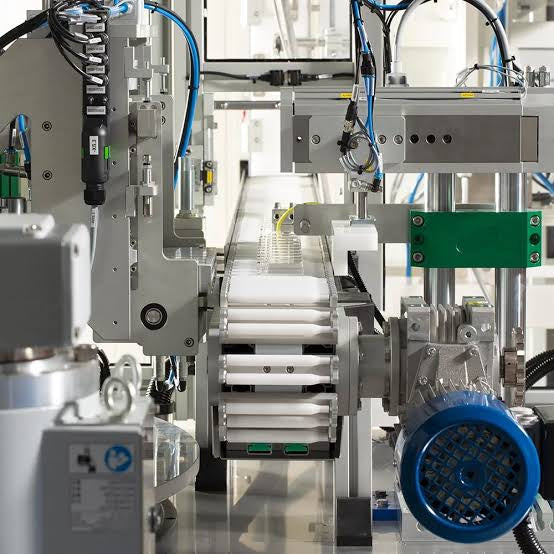
Automation engineers often rely on precise position and speed control to drive modern factory machinery. Modern industrial systems, such as Programmable Logic Controllers (PLCs) and Distributed Control Systems (DCS), depend heavily on standardized motion instructions. Mastering these commands ensures operational safety, protects mechanical components, and optimizes cycle times across production lines.
Mastering Modern Industrial Joystick Controls in Heavy Automation
Industrial joysticks play a pivotal role in human-machine interaction across heavy material handling and mobile hydraulics. These tactile controllers translate complex operator movements into precise electrical signals for PLCs, motion controllers, and DCS networks. Consequently, selecting and installing the right joystick architecture ensures operator safety, reduces fatigue, and optimizes equipment performance.

Navigating Industrial Automation Failures: Types, Causes, and Mitigation Strategies
Modern manufacturing relies heavily on automated control systems to maximize throughput and maintain product quality. However, unplanned downtime in industrial automation can cost facility operators thousands of dollars per hour. Understanding how programmable logic controllers (PLCs), distributed control systems (DCS), and field instrumentation fail empowers engineering teams to implement robust preventive maintenance strategies.