










Product Details
Product Overview
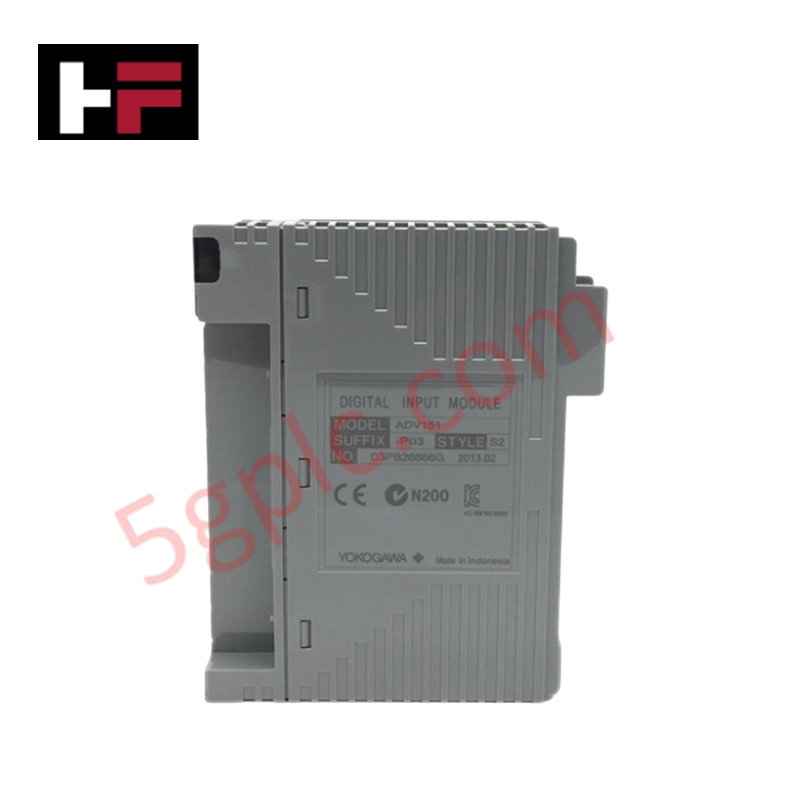
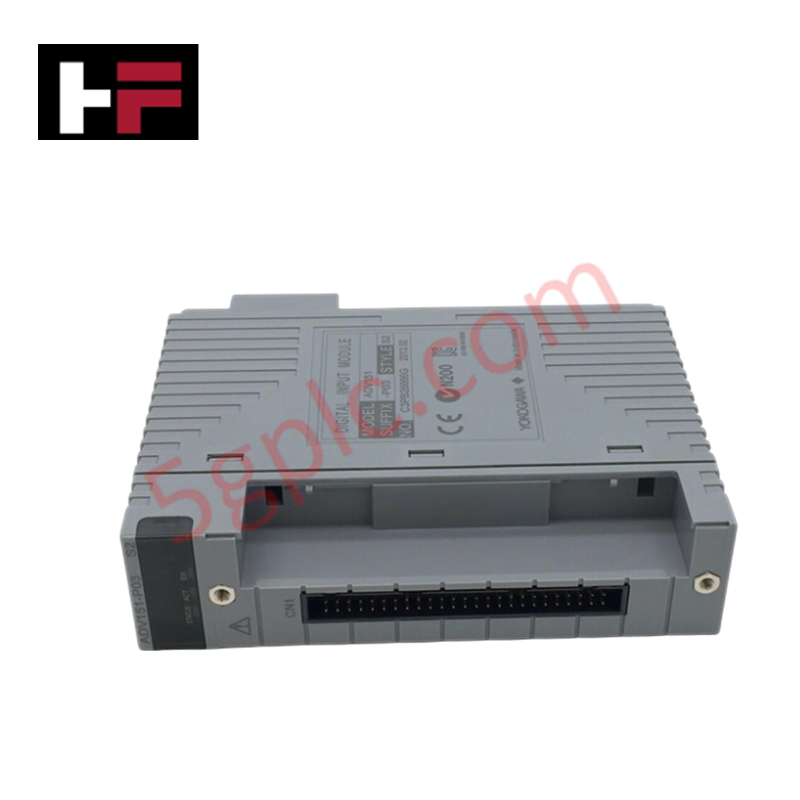
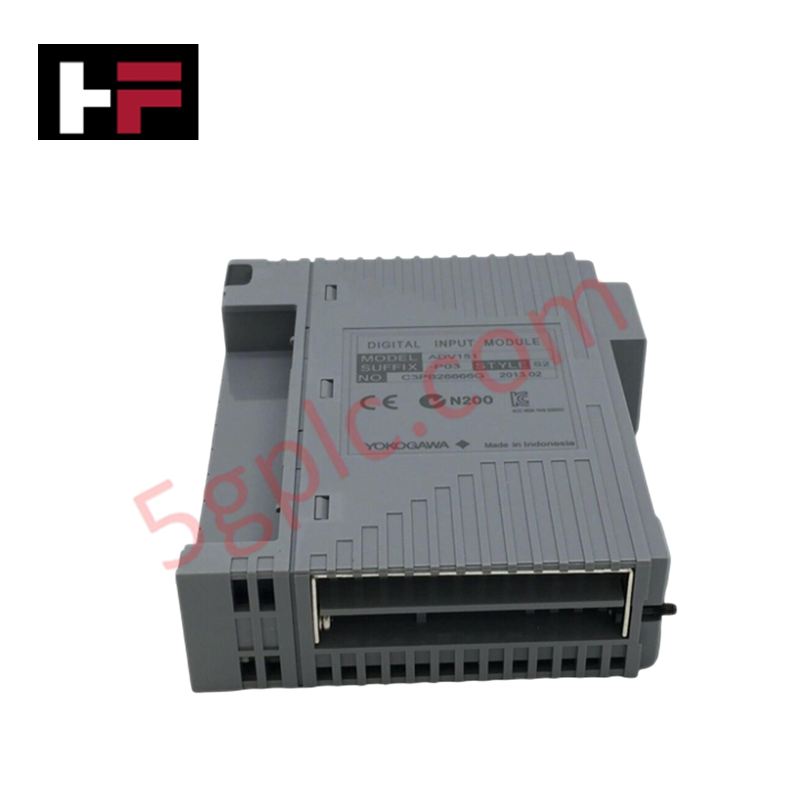
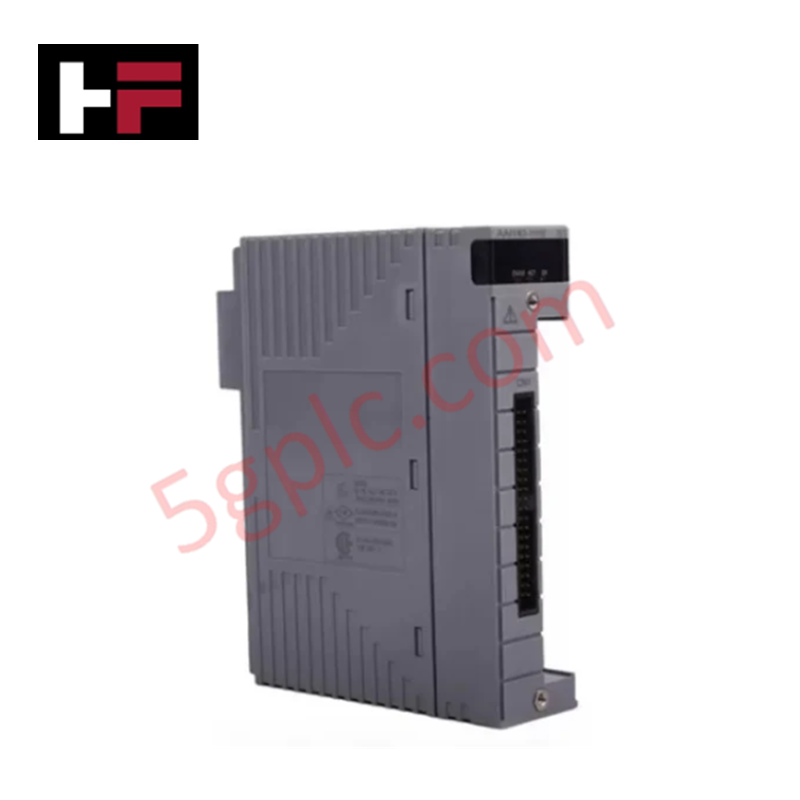
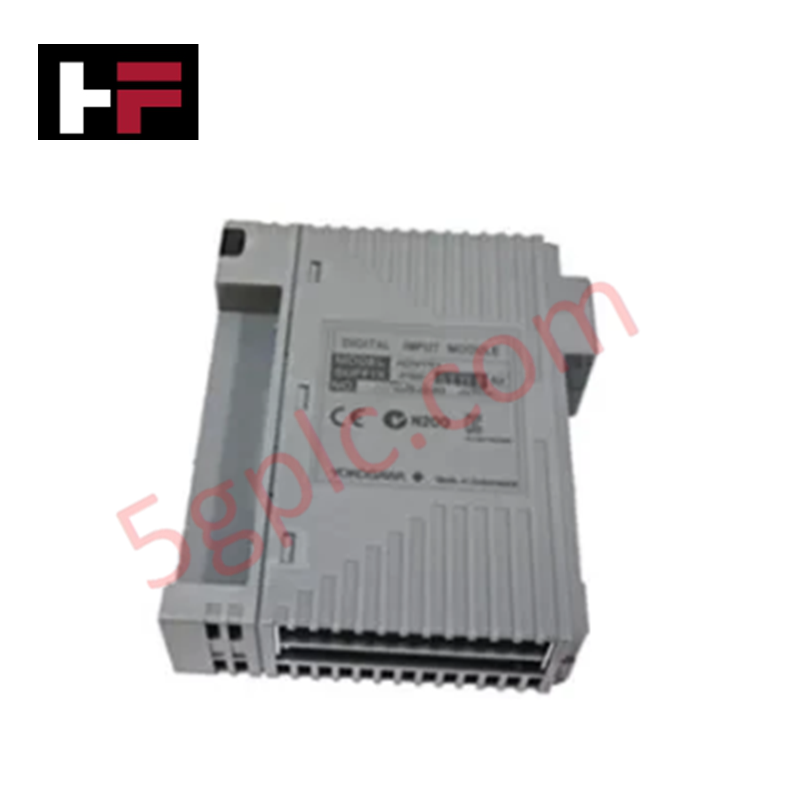
The Yokogawa ADV151-P03 serves as a high-density discrete signal interface for the CENTUM VP and CENTUM CS 3000 Distributed Control Systems (DCS). This module captures 32 independent digital signals from field equipment, such as limit switches, motor starter auxiliary contacts, and pushbutton stations. The "P03" designation specifically identifies the hardware configuration designed for direct pressure-clamp terminal connections, allowing for streamlined wiring without the need for intermediate external terminal boards.
Condition: 100% Brand New and Original Factory Sealed.
Technical Specifications
The ADV151-P03 provides a rugged electrical interface for processing binary data across large-scale industrial networks.
-
Number of Channels: 32, isolated (in groups)
-
Input Signal: 24 V DC (Dry contact or Voltage input)
-
Input Current: 4.1 mA (at 24 V DC)
-
ON Voltage/Current: 18 to 26.4 V DC / ≥ 3.0 mA
-
OFF Voltage/Current: ≤ 5.0 V DC / ≤ 1.0 mA
-
Withstand Voltage: 1500 V AC between input and system
-
Data Update Cycle: 10 ms
-
External Connection: Pressure-clamp terminal
-
Current Consumption: 500 mA (5 V DC)
Engineering Advantages
-
High-Density Monitoring: Processing 32 channels within a single slot maximizes I/O density. This reduces the number of required subracks and nodes, lowering the total hardware footprint and simplifying cabinet thermal management.
-
Industrial-Grade Isolation: The module features 1500 V AC isolation between the field-side inputs and the internal DCS system bus. This protection prevents high-voltage transients and electromagnetic noise from affecting the central processor, ensuring overall system stability.
-
Rapid Status Updates: A 10 ms data update cycle enables the DCS to respond nearly instantaneously to field status changes. This speed is essential for high-speed interlocking, sequence-of-events (SOE) recording, and motor control logic.
-
Simplified Wiring Architecture: The "P" (Pressure-clamp) configuration allows for direct wiring to the module's terminal block. This eliminates the need for KS cables and separate terminal boards in many applications, reducing the number of potential failure points in the signal loop.
-
Robust Signal Filtering: The ADV151-P03 incorporates internal digital filtering to eliminate "chatter" from mechanical contacts. This ensures the DCS receives clean, debounced signals even from aging field switches.
FAQs
-
Does the ADV151-P03 require an external power supply for the field contacts?
Yes. You must provide an external 24V DC supply to power the field-side contacts (wetting voltage). The module senses the presence or absence of this voltage to determine the logic state (ON/OFF).
-
What is the difference between ADV151-P03 and ADV151-E03?
The "P" version uses pressure-clamp terminals for direct wiring, whereas the "E" version typically refers to a configuration intended for extension cable (KS cable) connections to a separate terminal board.
-
Is the ADV151-P03 hot-swappable?
In a redundant I/O configuration, you can replace the module while the system is live. In non-redundant setups, pulling the module will cause all 32 inputs to drop to an "OFF" or fail-safe state. Always follow facility bypass procedures before a swap.
-
Can I use this module for high-voltage AC inputs?
No. The ADV151-P03 is strictly rated for 24V DC. For 110V or 220V AC inputs, you must use a dedicated AC input module or interposing relays to step the voltage down to 24V DC.
Additional Information
- 100% Genuine Parts: All products are original and authentic, ensuring reliable industrial performance.
- 30-Day Refund Guarantee: Return any in-stock item within 30 days in original, unopened packaging for a full refund (excluding shipping and fees).
- 12-Month Warranty: Covers defects in materials or workmanship; excludes misuse, normal wear, or unauthorized modifications.
- Worldwide Shipping: We ship via USPS, UPS, FedEx, and DHL. Delivery times vary by country and may be subject to customs or import fees.
- Support & Contact: Technical and warranty assistance is available anytime. Contact us here: Contact.
- Purchase Guidance: Check product specifications and compatibility carefully before ordering to ensure proper application.
Tech & Buying Guide

Essential Motion Control Commands: A Practical Guide for Engineers
Automation engineers often rely on precise position and speed control to drive modern factory machinery. Modern industrial systems, such as Programmable Logic Controllers (PLCs) and Distributed Control Systems (DCS), depend heavily on standardized motion instructions. Mastering these commands ensures operational safety, protects mechanical components, and optimizes cycle times across production lines.
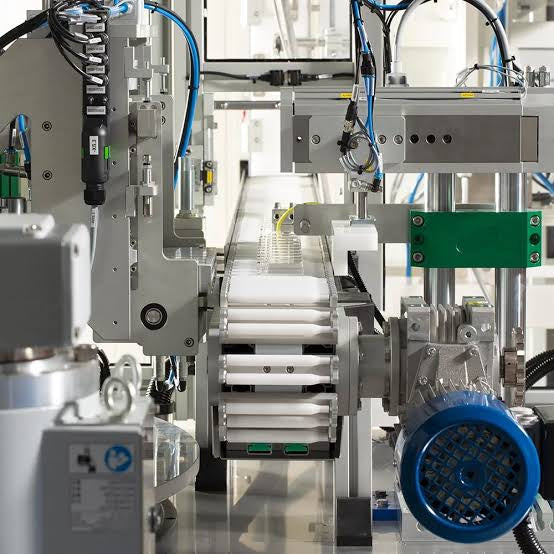
Mastering Modern Industrial Joystick Controls in Heavy Automation
Industrial joysticks play a pivotal role in human-machine interaction across heavy material handling and mobile hydraulics. These tactile controllers translate complex operator movements into precise electrical signals for PLCs, motion controllers, and DCS networks. Consequently, selecting and installing the right joystick architecture ensures operator safety, reduces fatigue, and optimizes equipment performance.

Navigating Industrial Automation Failures: Types, Causes, and Mitigation Strategies
Modern manufacturing relies heavily on automated control systems to maximize throughput and maintain product quality. However, unplanned downtime in industrial automation can cost facility operators thousands of dollars per hour. Understanding how programmable logic controllers (PLCs), distributed control systems (DCS), and field instrumentation fail empowers engineering teams to implement robust preventive maintenance strategies.