










Product Details
Product Overview
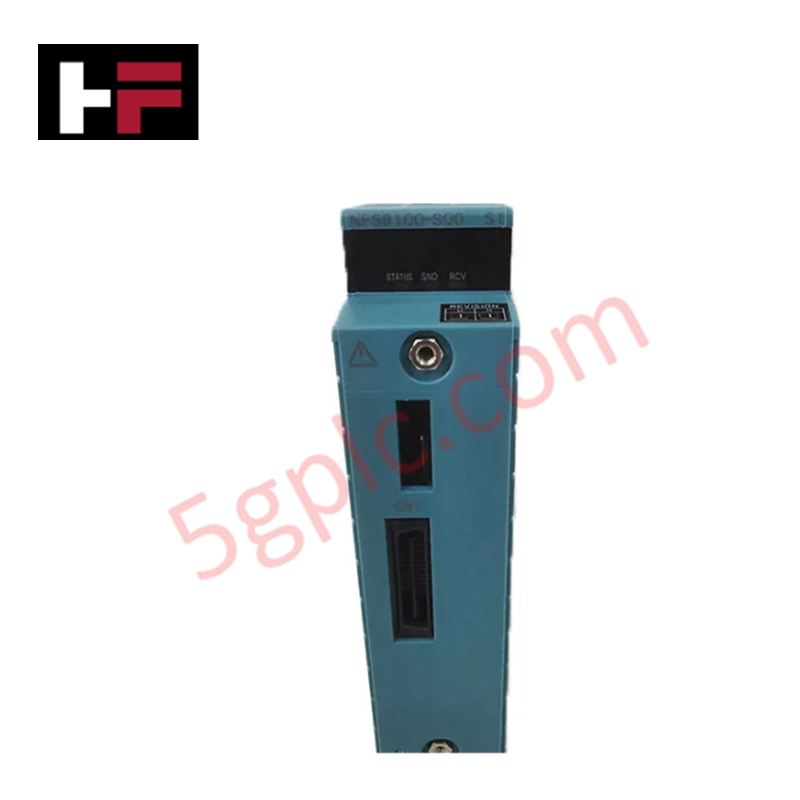
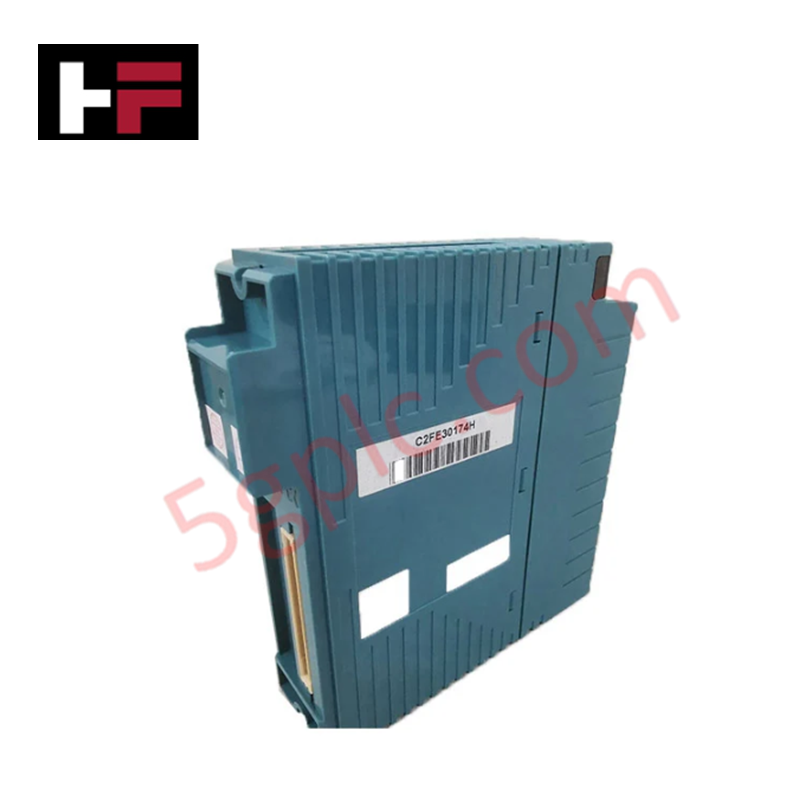
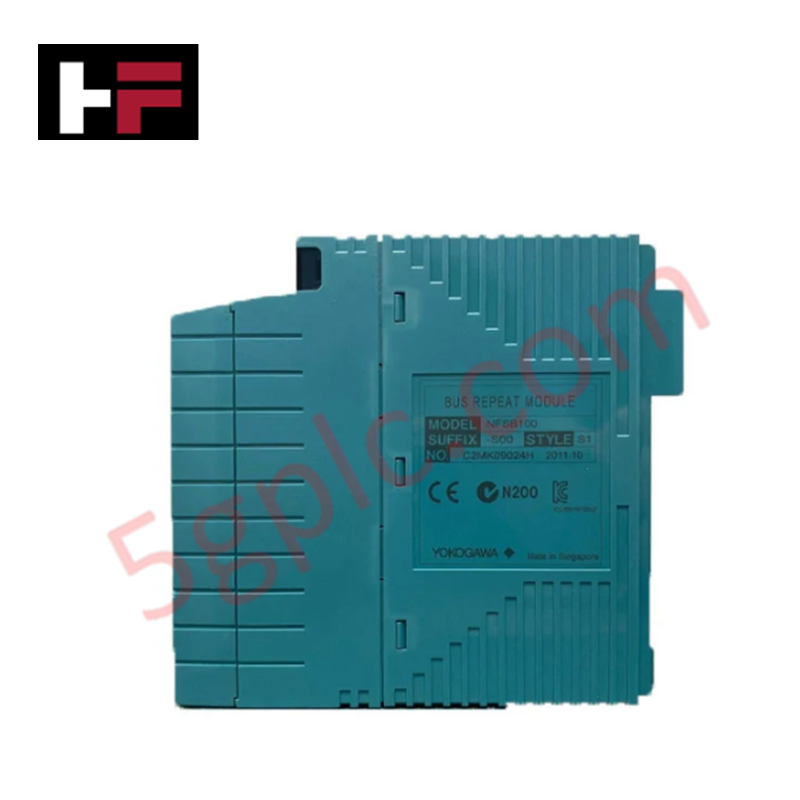
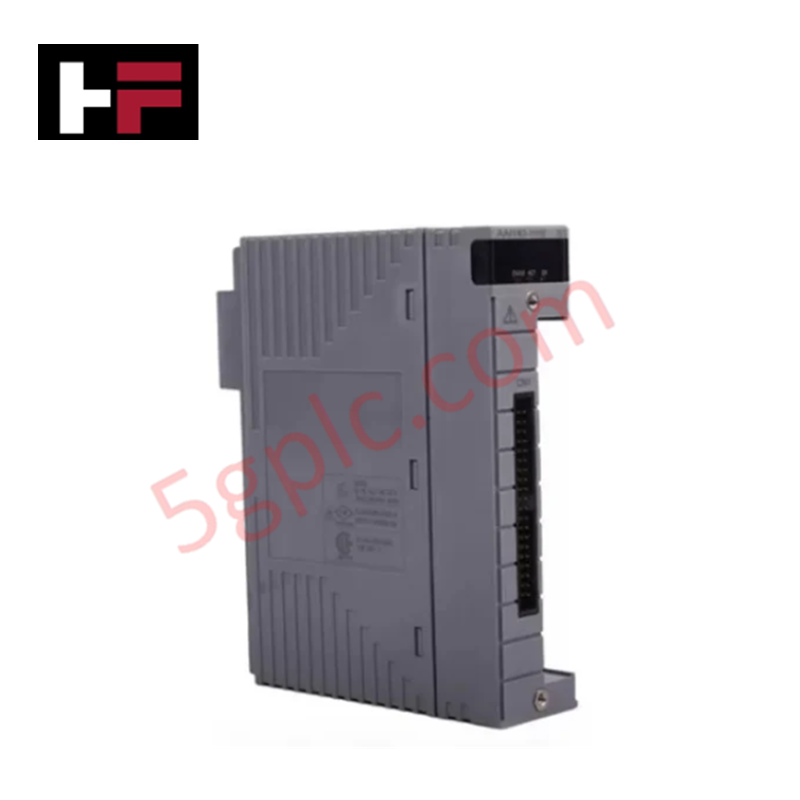
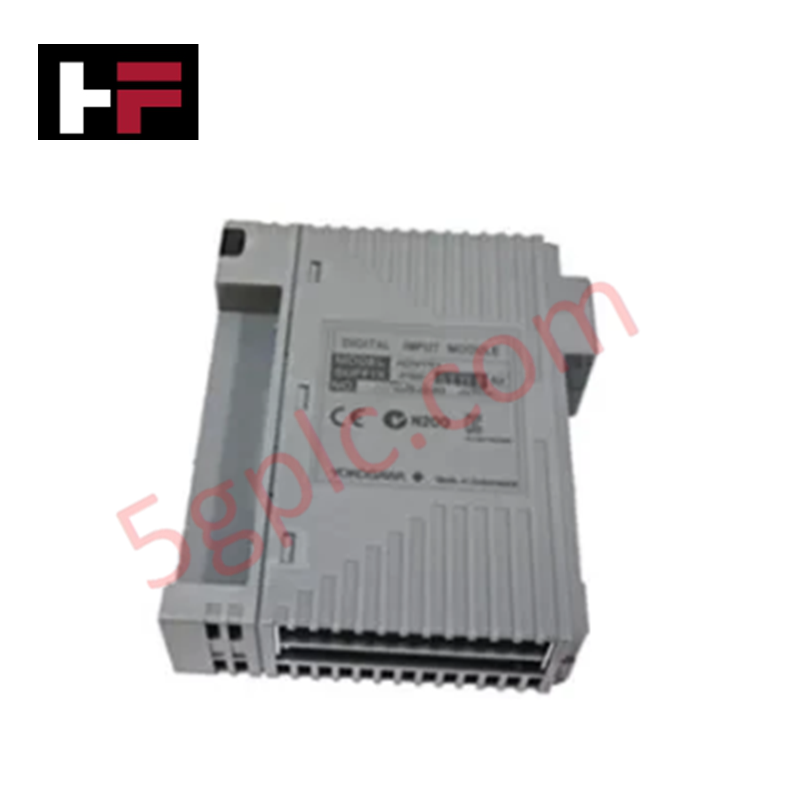
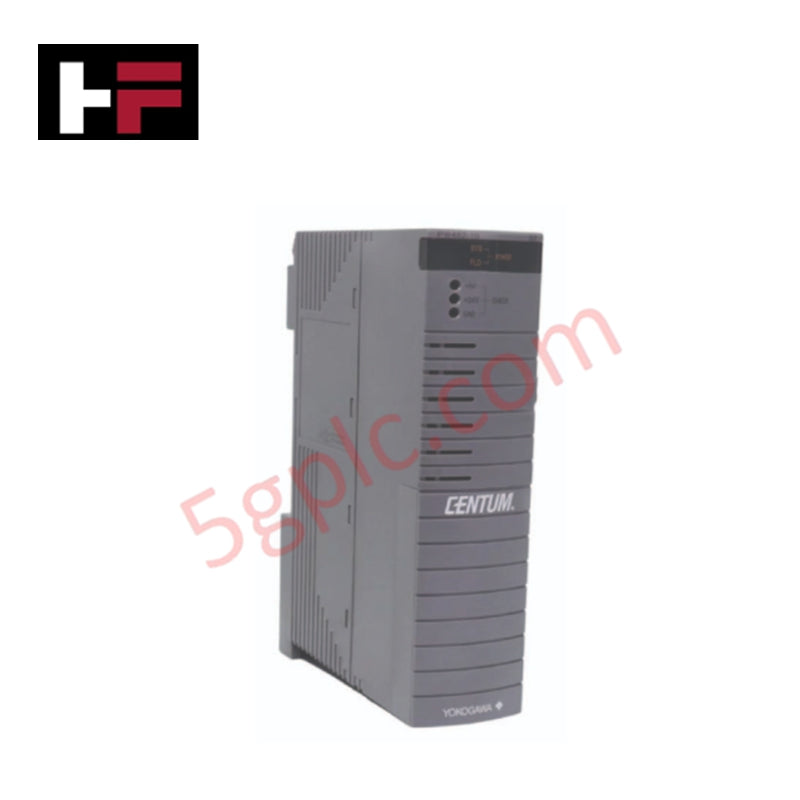
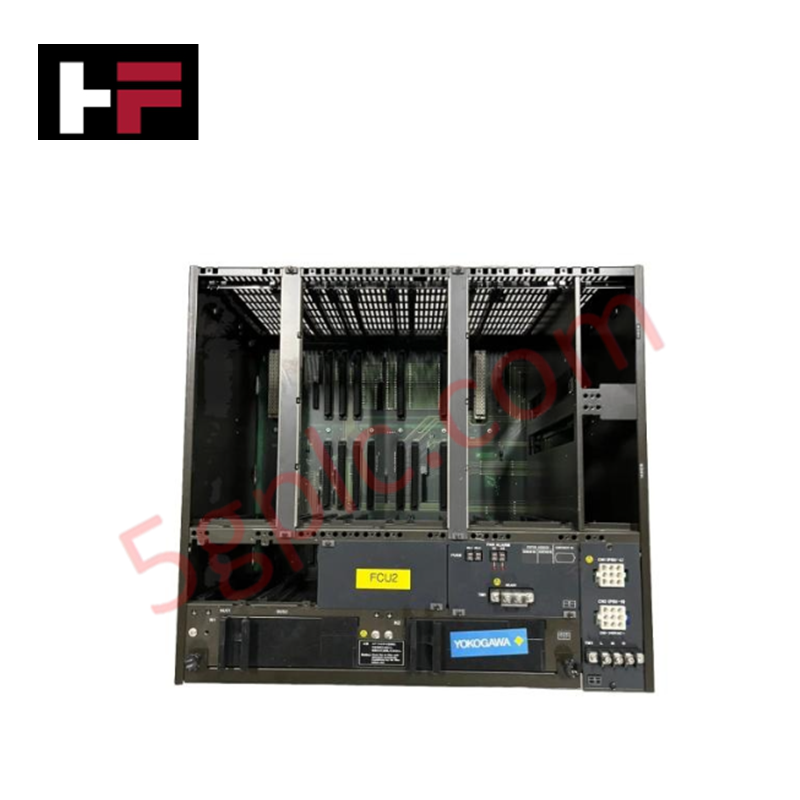
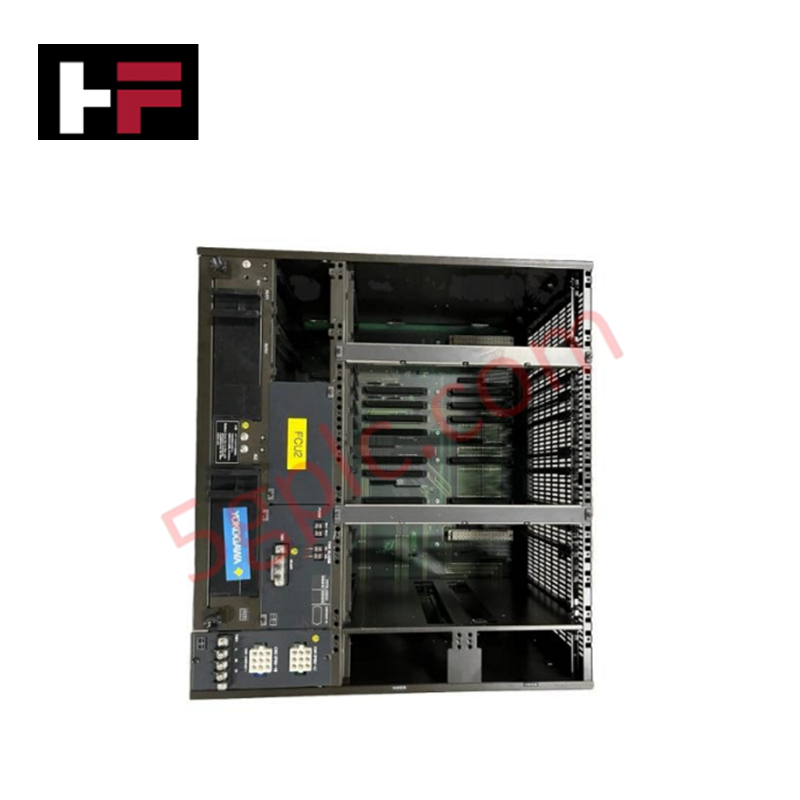
The Yokogawa NFAI141-S50 functions as a high-density analog input interface for the CENTUM VP Distributed Control System (DCS). This 16-channel module captures critical process variables by accepting standard current and voltage signals, including 4-20 mA and wide-range ±10 V DC inputs. It provides the high-speed data acquisition necessary for real-time monitoring of pressure, flow, and temperature transmitters in complex industrial environments. We supply this unit as 100% Brand New and Original, ensuring your system maintains factory-certified precision and long-term hardware stability.
Part Number Breakdown
The NFAI141-S50 suffix codes define its specific hardware capabilities and environmental hardening:
| Suffix Code | Technical Definition |
| NFAI141 | Analog Input Module (16-channel, isolated) |
| -S | Standard Type Hardware |
| 5 | With ISA Standard G3 protection and extended temperature support |
| 0 | Basic functional type |
Technical Specifications
The NFAI141-S50 delivers high-resolution signal conversion with rapid response times.
-
Input Channels: 16 independent channels.
-
Signal Compatibility: 4 to 20 mA DC, 1 to 5 V DC, and -10 to 10 V DC.
-
Accuracy: ±0.1% of full scale.
-
Resolution: 12 bits.
-
Data Refresh Cycle: 10 ms.
-
Input Step Response: 10 ms.
-
Power Consumption: 2.5 W.
-
Operating Temperature: -20 to 60°C (-4 to 140°F).
-
Dimensions: 107.5 x 32.8 x 130 mm.
-
Weight: 350 g (12.35 oz).
-
Condition: Guaranteed 100% Brand New and Original.
Engineering Advantages
The NFAI141-S50 addresses critical field integration challenges through robust hardware engineering:
-
High-Speed Control Loop Support: A 10 ms data refresh cycle and matching 10 ms step response ensure the DCS receives process updates with virtually zero latency. This speed supports high-dynamic control loops in turbine management and fast-acting pressure regulation.
-
Wide Signal Versatility: Unlike standard modules restricted to 4-20mA, the S50 variant accepts ±10 V signals. This eliminates the need for external signal conditioners when interfacing with specialized analytical equipment or legacy voltage-based sensors.
-
Harsh Environment Resilience: The module operates across an extended temperature range (-20 to 60°C) and withstands vibrations up to 0.5 g. These specifications permit installation in non-climate-controlled cabinets or near heavy machinery without risking signal drift or hardware failure.
-
Backplane Integrity Protection: The 500 kΩ "power off" input impedance prevents the module from loading down field loops if the DCS loses power. Furthermore, the module manages 5 g shock pulses, ensuring continuity during seismic events or physical cabinet impacts.
FAQs
-
Can the NFAI141-S50 replace a standard NFAI141-S00?
Yes. The S50 variant offers the same core functionality but adds extended temperature support and enhanced environmental protection. It serves as a superior replacement in more demanding atmospheres.
-
How does the module handle signal noise?
The module incorporates differential inputs and a 12-bit resolution filter to reject common-mode noise. This ensures stable readings even when signal wires run parallel to high-voltage AC cables.
-
Does this unit require manual calibration?
Yokogawa delivers each unit factory-calibrated to ±0.1% accuracy. The CENTUM software manages zero and span adjustments digitally, eliminating the need for manual potentiometer tuning on the hardware.
-
Is this a brand new original part?
Absolutely. We supply only 100% Brand New hardware. Every NFAI141-S50 ships in its original Yokogawa factory box with matching serial numbers and intact manufacturer seals.
Additional Information
- 100% Genuine Parts: All products are original and authentic, ensuring reliable industrial performance.
- 30-Day Refund Guarantee: Return any in-stock item within 30 days in original, unopened packaging for a full refund (excluding shipping and fees).
- 12-Month Warranty: Covers defects in materials or workmanship; excludes misuse, normal wear, or unauthorized modifications.
- Worldwide Shipping: We ship via USPS, UPS, FedEx, and DHL. Delivery times vary by country and may be subject to customs or import fees.
- Support & Contact: Technical and warranty assistance is available anytime. Contact us here: Contact.
- Purchase Guidance: Check product specifications and compatibility carefully before ordering to ensure proper application.
Tech & Buying Guide
Mastering Modern Industrial Joystick Controls in Heavy Automation
Industrial joysticks play a pivotal role in human-machine interaction across heavy material handling and mobile hydraulics. These tactile controllers translate complex operator movements into precise electrical signals for PLCs, motion controllers, and DCS networks. Consequently, selecting and installing the right joystick architecture ensures operator safety, reduces fatigue, and optimizes equipment performance.

Navigating Industrial Automation Failures: Types, Causes, and Mitigation Strategies
Modern manufacturing relies heavily on automated control systems to maximize throughput and maintain product quality. However, unplanned downtime in industrial automation can cost facility operators thousands of dollars per hour. Understanding how programmable logic controllers (PLCs), distributed control systems (DCS), and field instrumentation fail empowers engineering teams to implement robust preventive maintenance strategies.
Essential Motion Control Commands: A Practical Guide for Engineers
Automation engineers often rely on precise position and speed control to drive modern factory machinery. Modern industrial systems, such as Programmable Logic Controllers (PLCs) and Distributed Control Systems (DCS), depend heavily on standardized motion instructions. Mastering these commands ensures operational safety, protects mechanical components, and optimizes cycle times across production lines.