










Product Details
Product Overview
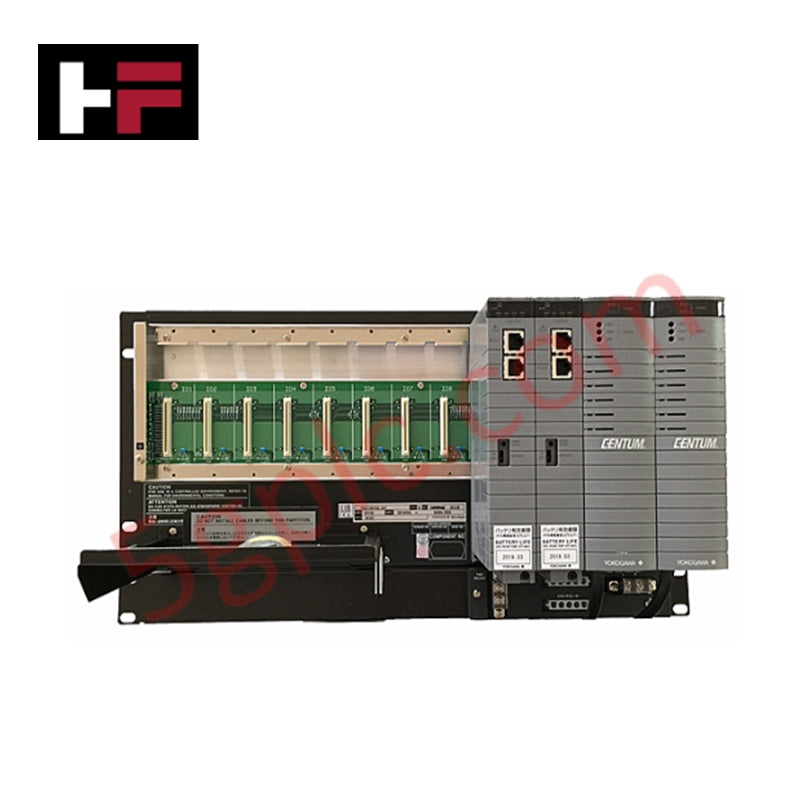
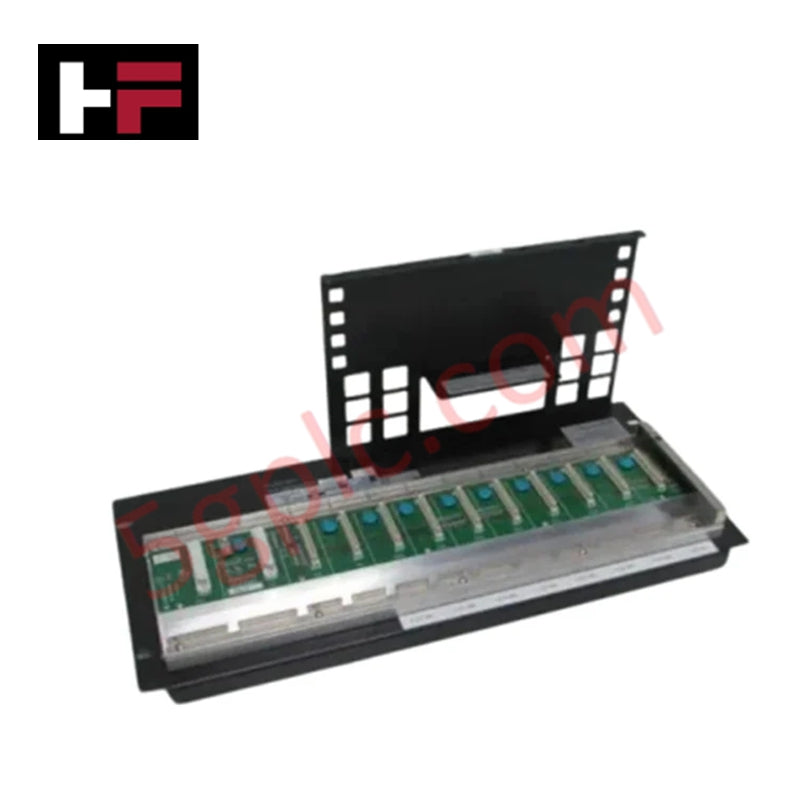
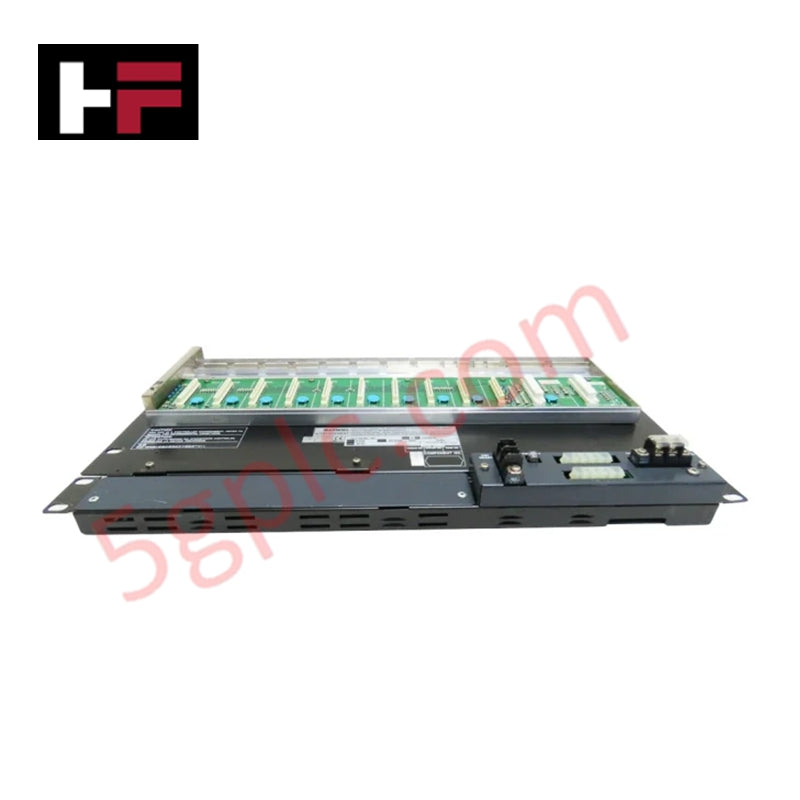
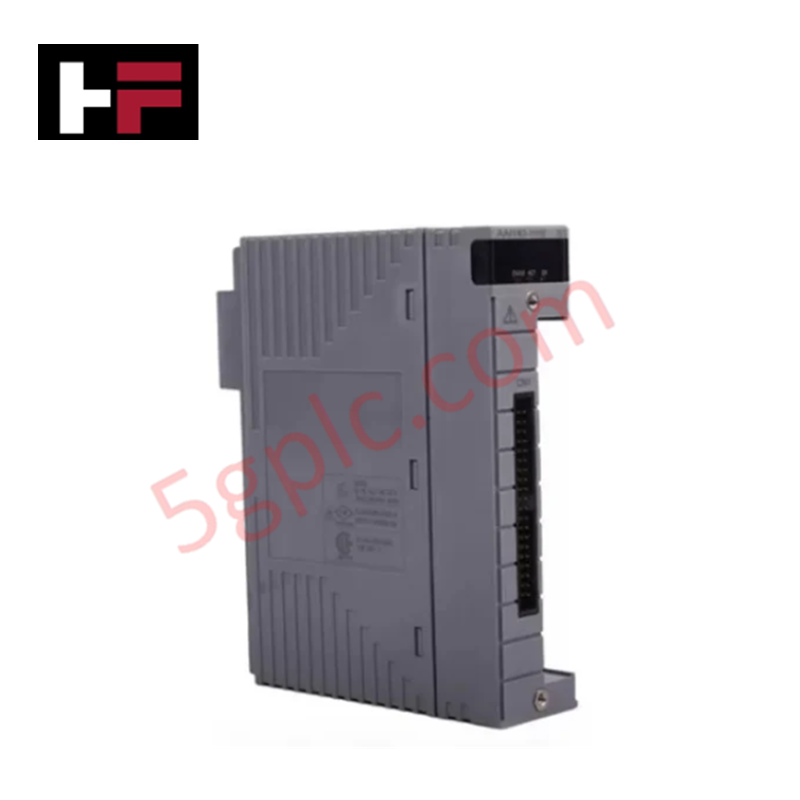
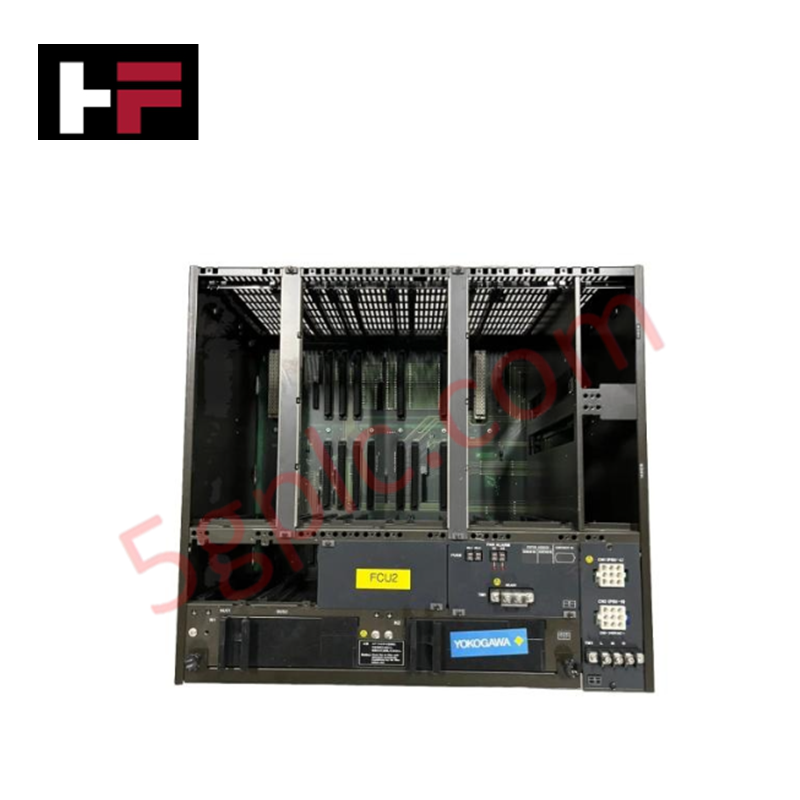
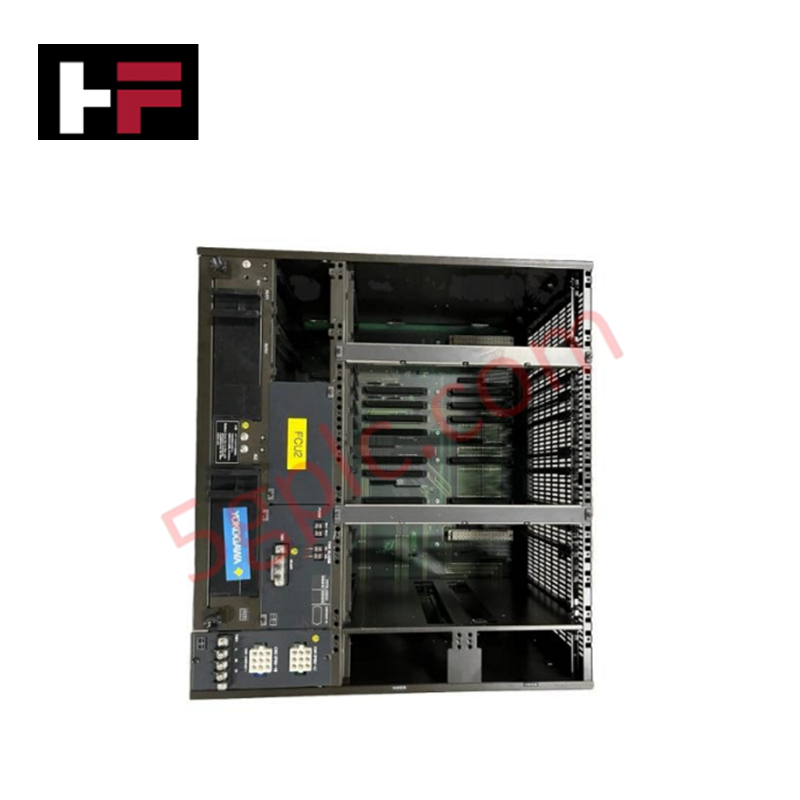
The Yokogawa AFV30S-A41262 serves as the primary intelligence hub for the CENTUM VP Integrated Production Control System. This Field Control Unit (FCU) executes sophisticated control algorithms and manages high-speed field I/O data processing. While utilizing a single-processor architecture, the unit maintains high availability through dual-redundant communication paths and power supply modules. We supply this unit as 100% Brand New and Original, ensuring your automation infrastructure operates with factory-certified precision and deterministic control.
Part Number Breakdown: AFV30S-A41262
Yokogawa uses a specific alphanumeric suffix logic to define the power and hardware revision of the AFV30S series:
| Code | Specification | Technical Detail |
| AFV30S | Base Model | Field Control Unit (Single Processor type) |
| A | Suffix | Standard type (for CP471) |
| 4 | Redundancy | Dual-redundant Vnet/IP and Redundant power supply |
| 1 | Fixed Code | Always 1 |
| 2 | Power Input | 220–240 V AC Power Supply |
| 6 | Protection | Basic type (Non-explosion protection) |
| 2 | Revision | Hardware Style 2 (R6.01 or later compatibility) |
Technical Specifications
The AFV30S-A41262 provides industrial-grade processing power within a standardized 19-inch rack footprint:
-
Processor: CP471 processor module for advanced logic execution
-
Networking: Dual-redundant Vnet/IP ports (1 Gbps throughput)
-
Power Input: 220–240 V AC (50/60 Hz)
-
Power Consumption: 230 VA (at 220–240 V AC)
-
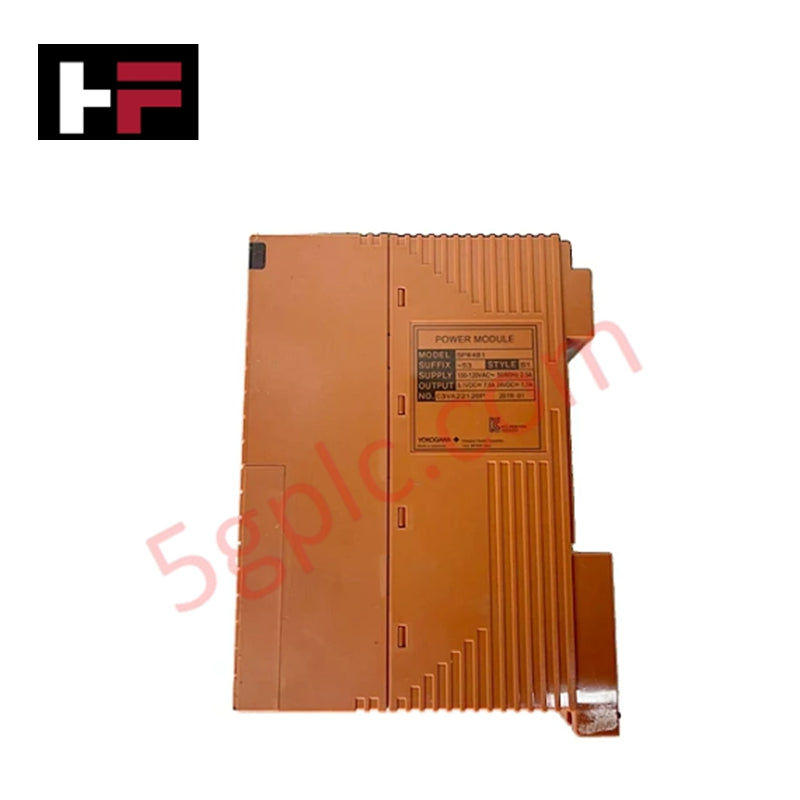
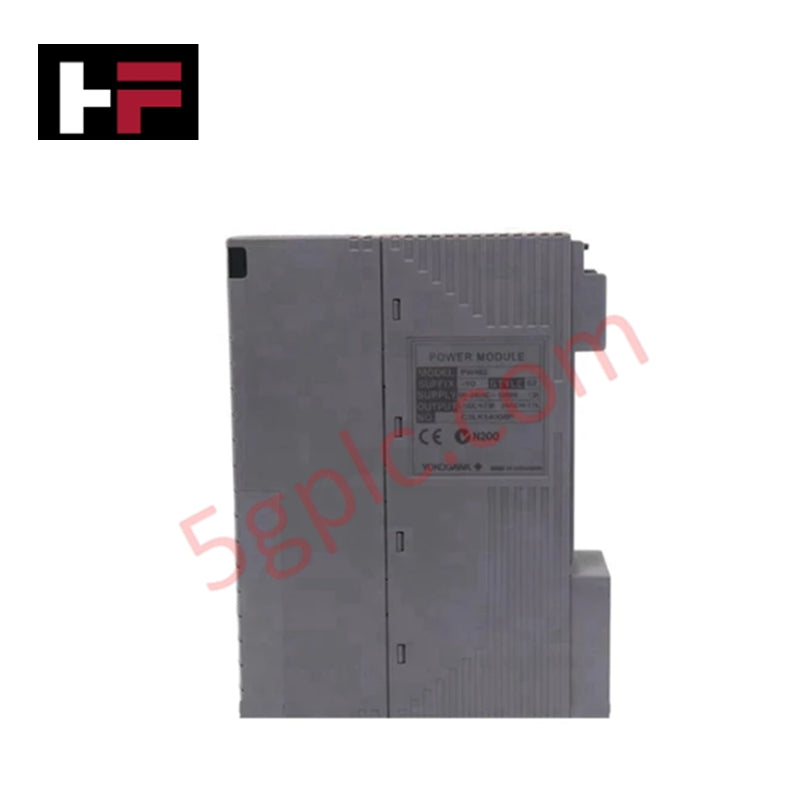
Redundancy Support: Compatible with PW481, PW482, or PW484 redundant power modules
-
I/O Subsystem: Interfaces directly with FIO (Field Input/Output) via ESB/ER bus
-
Data Retention: Integrated battery backup protects RAM for up to 72 hours
-
Mounting: 19-inch rack-mount, 5U height
-
Dimensions: 221 mm (H) × 482.6 mm (W) × 440 mm (D)
-
Weight: 7.0 kg (Net)
Engineering Advantages
The AFV30S-A41262 solves critical integration and uptime challenges in modern process plants:
-
Network Fault Tolerance: The dual-redundant Vnet/IP ports eliminate single points of failure in plant-wide communication. If one cable or switch port fails, the unit maintains 1 Gbps data synchronization through the secondary path without interrupting control logic.
-
Persistent Data Integrity: A dedicated battery backup safeguards volatile memory during total facility power loss. This allows the controller to retain process states and alarm limits for up to 72 hours, enabling a rapid and safe "hot start" once power returns.
-
Standardized Rack Deployment: The 5U high, 19-inch rack-mountable chassis fits seamlessly into standard industrial enclosures. This design optimizes cabinet airflow and provides easy front-access to the CP471 module and power units for routine inspections.
-
Scalable I/O Architecture: The unit interfaces perfectly with the FIO subsystem. Engineers can expand signal capacity by adding local or remote nodes, allowing the AFV30S-A41262 to manage hundreds of analog and digital points from a centralized hub.
FAQs
-
How does the AFV30S-A41262 differ from the AFV30D duplexed version?
The AFV30S-A41262 utilizes a single CP471 processor module. While it provides redundant networking and power, it does not offer the "hot-standby" CPU failover found in the AFV30D series. It is ideal for auxiliary processes or utility management where CPU redundancy is not mandatory.
-
Is this unit compatible with my existing FIO nodes?
Yes. This FCU provides full compatibility with Yokogawa FIO system modules. You can connect various analog and digital I/O through ESB or ER bus cables to suit your specific field instrument requirements.
-
What are the primary application scenarios for this model?
Engineers typically deploy the AFV30S-A41262 for mid-scale automation, utility management (water treatment/HVAC), or as a primary controller for remote I/O hubs in chemical and pharmaceutical plants.
-
Can I use a 24V DC power source for this unit?
This specific model (-A41262) is configured for 220-240V AC. If your facility requires 24V DC, you must select the appropriate power suffix code (typically suffix '4') to ensure hardware compatibility.
Additional Information
- 100% Genuine Parts: All products are original and authentic, ensuring reliable industrial performance.
- 30-Day Refund Guarantee: Return any in-stock item within 30 days in original, unopened packaging for a full refund (excluding shipping and fees).
- 12-Month Warranty: Covers defects in materials or workmanship; excludes misuse, normal wear, or unauthorized modifications.
- Worldwide Shipping: We ship via USPS, UPS, FedEx, and DHL. Delivery times vary by country and may be subject to customs or import fees.
- Support & Contact: Technical and warranty assistance is available anytime. Contact us here: Contact.
- Purchase Guidance: Check product specifications and compatibility carefully before ordering to ensure proper application.
Tech & Buying Guide
Mastering Modern Industrial Joystick Controls in Heavy Automation
Industrial joysticks play a pivotal role in human-machine interaction across heavy material handling and mobile hydraulics. These tactile controllers translate complex operator movements into precise electrical signals for PLCs, motion controllers, and DCS networks. Consequently, selecting and installing the right joystick architecture ensures operator safety, reduces fatigue, and optimizes equipment performance.

Navigating Industrial Automation Failures: Types, Causes, and Mitigation Strategies
Modern manufacturing relies heavily on automated control systems to maximize throughput and maintain product quality. However, unplanned downtime in industrial automation can cost facility operators thousands of dollars per hour. Understanding how programmable logic controllers (PLCs), distributed control systems (DCS), and field instrumentation fail empowers engineering teams to implement robust preventive maintenance strategies.
Essential Motion Control Commands: A Practical Guide for Engineers
Automation engineers often rely on precise position and speed control to drive modern factory machinery. Modern industrial systems, such as Programmable Logic Controllers (PLCs) and Distributed Control Systems (DCS), depend heavily on standardized motion instructions. Mastering these commands ensures operational safety, protects mechanical components, and optimizes cycle times across production lines.