










Product Details
Product Overview
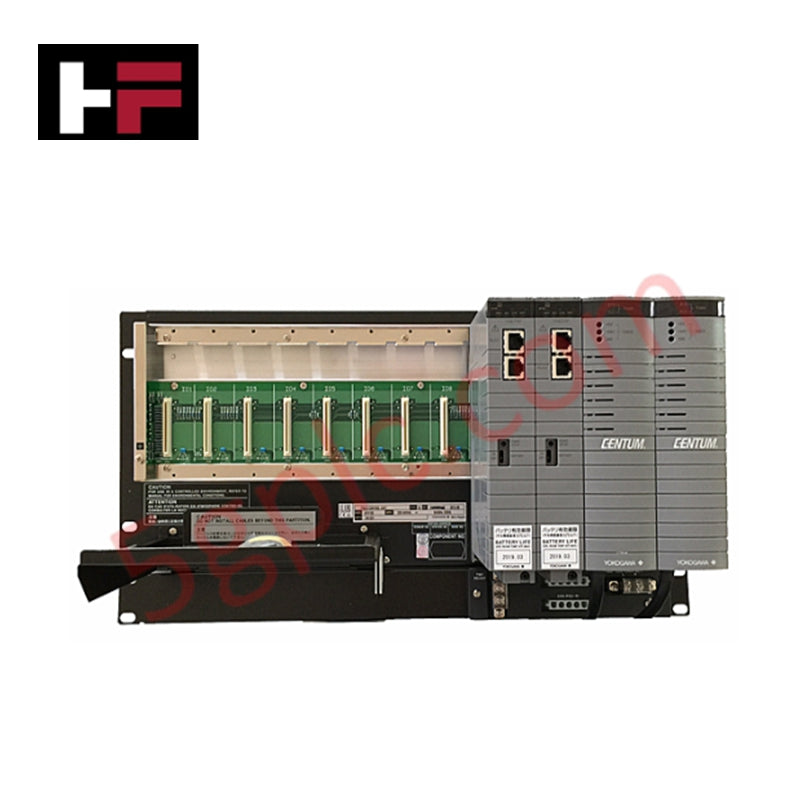
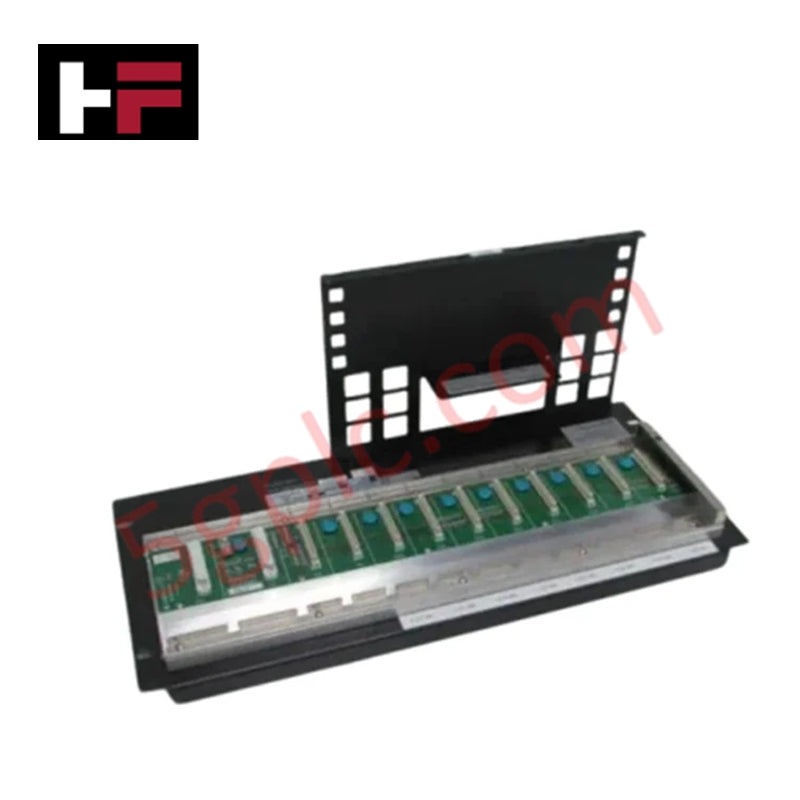
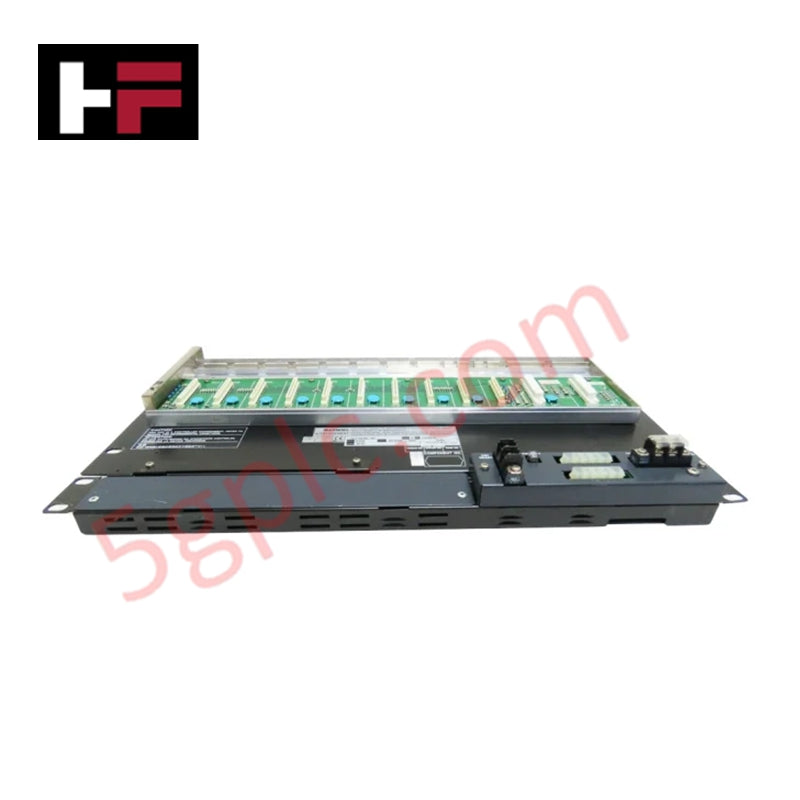
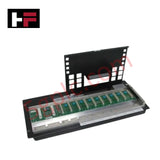
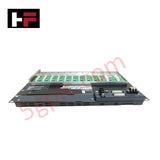
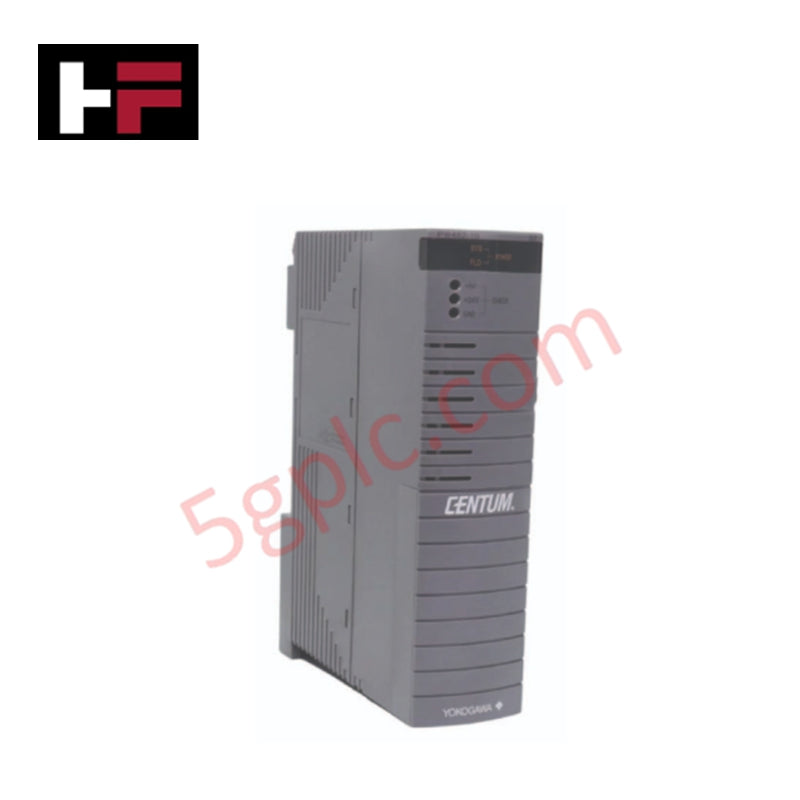
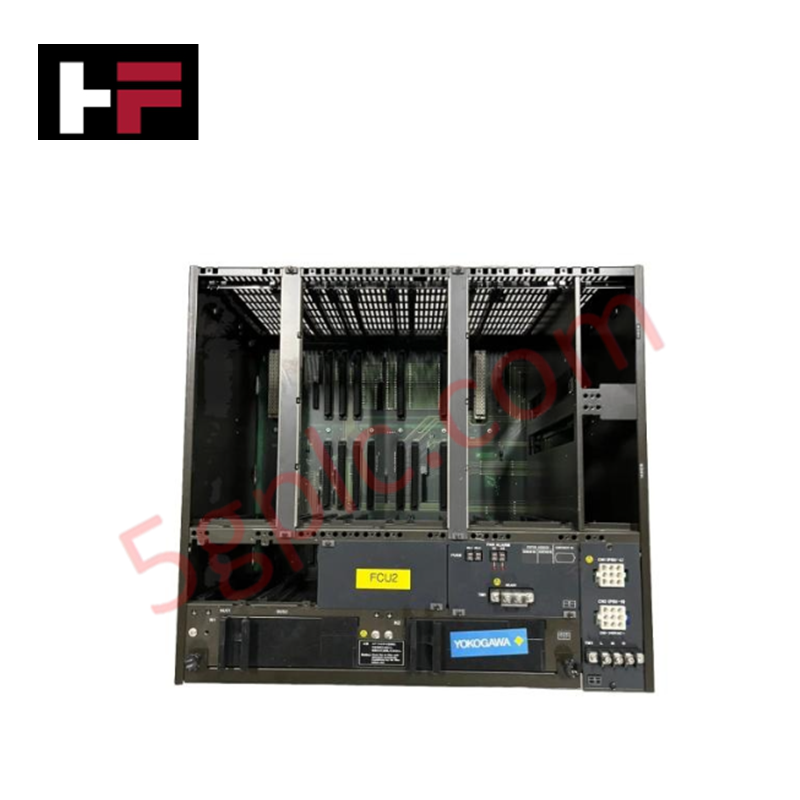
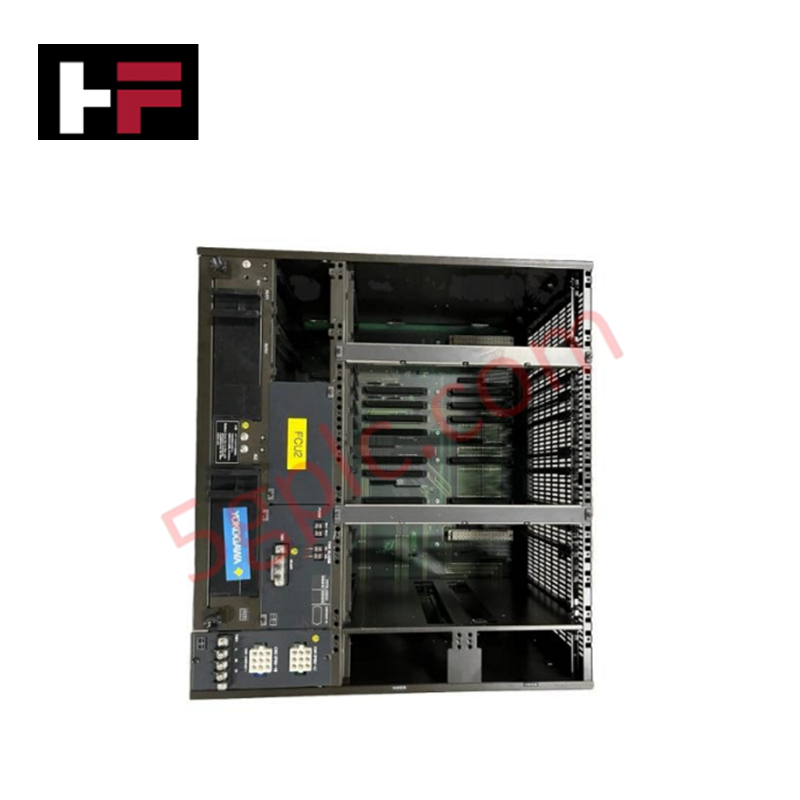
The Yokogawa AFV30D-A41152 serves as the central processing powerhouse for the CENTUM VP Distributed Control System (DCS). This Duplexed Field Control Unit (FCU) executes complex control algorithms and manages data traffic between the operator station and field nodes. By utilizing a dual-redundant processor architecture, the unit ensures uninterrupted process control even during hardware transitions. We supply this unit as 100% Brand New and Original, providing the necessary hardware foundation for high-availability industrial automation.
Part Number Breakdown: AFV30D-A41152
Yokogawa specifies the functional capacity and power configuration through a modular suffix system:
| Code | Specification | Technical Definition |
| AFV30D | Model | Duplexed Field Control Unit (for Vnet/IP and FIO) |
| A | Type | Standard type for CP471/VR5532 |
| 4 | Redundancy | Dual-redundant Vnet/IP, Dual-redundant power supply |
| 1 | Style | Style 1 |
| 1 | Power | 100-120 V AC power supply |
| 5 | Protection | Basic type (No explosion protection) |
| 2 | Revision | R6.01 or later hardware revision |
Technical Specifications
The AFV30D-A41152 incorporates high-performance computing components to handle large-scale I/O loads:
-
Processor: VR5532 (Clock speed: 350 MHz)
-
Main Memory: 128 MB
-
Redundancy: Dual-redundant processor modules with automatic failover
-
Communication Interface: Dual-redundant Vnet/IP (1 Gbps)
-
Node Connectivity: Supports up to 13 Node Units per FCU
-
Memory Backup: Integrated battery maintains data for up to 72 hours
-
Battery Recharge: Requires minimum 48 hours for full charge
-
Contact Output: 2 terminals (NC, C) rated at 30 V DC, max 0.3 A
-
Mounting: Standard 19-inch rack mountable
Engineering Advantages
The AFV30D-A41152 solves critical operational risks in process-intensive industries:
-
Zero-Interruption Failover: The duplexed VR5532 processor configuration synchronizes data in real-time. If the active processor detects a fault, the standby module assumes control within milliseconds, preventing process bumps or safety shutdowns in sensitive chemical or power applications.
-
Massive Scalability: One FCU manages up to 13 node units. This high connectivity allows engineers to consolidate control for entire plant sections into a single rack, reducing the footprint of the control room and simplifying the network topology.
-
Vnet/IP Network Hardening: The dual-redundant communication interface eliminates single points of failure in the plant bus. The system automatically switches paths if it detects a cable break or switch port failure, maintaining continuous visibility for the operator.
-
Extended Power Autonomy: During a total facility power loss, the 72-hour battery backup preserves the SRAM contents. This ensures the DCS retains all current process states and parameters, allowing for a rapid, synchronized restart once power returns.
FAQs
-
Does this unit include the CP471 processor modules by default?
The AFV30D-A41152 refers to the chassis/base configuration. While the backplane supports duplexed processors, you must verify if your requirement includes the CP471 modules or if you are replacing the base unit only.
-
What is the significance of the "Revision 2" style code?
Revision 2 (indicated by the final '2') ensures compatibility with CENTUM VP R6.01 or later. This revision includes updated firmware and hardware enhancements that improve long-term thermal stability compared to legacy "Revision 1" units.
-
How does the READY contact output function?
The unit provides a dry contact output to signal the health of the FCU. You can wire this directly into a hardwired annunciator panel or an external watchdog timer to provide an independent alert if the controller enters a fault state.
-
Can I mount this in a shallow cabinet?
The AFV30D requires a standard 19-inch rack. Because it utilizes natural convection for cooling, you must maintain a minimum clearance of 3U (approx. 133mm) above and below the unit to prevent heat buildup within the enclosure.
Additional Information
- 100% Genuine Parts: All products are original and authentic, ensuring reliable industrial performance.
- 30-Day Refund Guarantee: Return any in-stock item within 30 days in original, unopened packaging for a full refund (excluding shipping and fees).
- 12-Month Warranty: Covers defects in materials or workmanship; excludes misuse, normal wear, or unauthorized modifications.
- Worldwide Shipping: We ship via USPS, UPS, FedEx, and DHL. Delivery times vary by country and may be subject to customs or import fees.
- Support & Contact: Technical and warranty assistance is available anytime. Contact us here: Contact.
- Purchase Guidance: Check product specifications and compatibility carefully before ordering to ensure proper application.
Tech & Buying Guide

Essential Motion Control Commands: A Practical Guide for Engineers
Automation engineers often rely on precise position and speed control to drive modern factory machinery. Modern industrial systems, such as Programmable Logic Controllers (PLCs) and Distributed Control Systems (DCS), depend heavily on standardized motion instructions. Mastering these commands ensures operational safety, protects mechanical components, and optimizes cycle times across production lines.
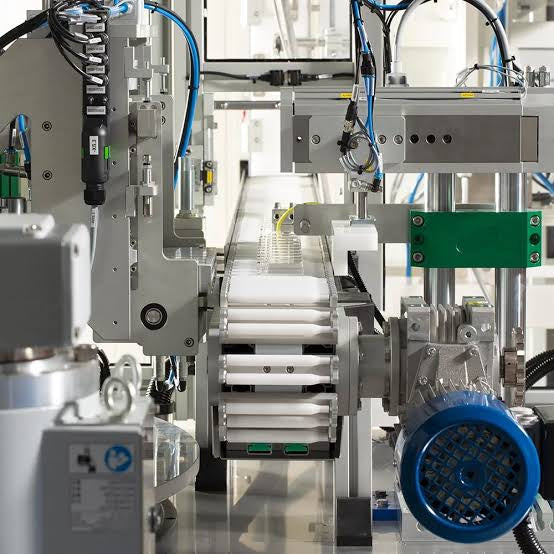
Mastering Modern Industrial Joystick Controls in Heavy Automation
Industrial joysticks play a pivotal role in human-machine interaction across heavy material handling and mobile hydraulics. These tactile controllers translate complex operator movements into precise electrical signals for PLCs, motion controllers, and DCS networks. Consequently, selecting and installing the right joystick architecture ensures operator safety, reduces fatigue, and optimizes equipment performance.

Navigating Industrial Automation Failures: Types, Causes, and Mitigation Strategies
Modern manufacturing relies heavily on automated control systems to maximize throughput and maintain product quality. However, unplanned downtime in industrial automation can cost facility operators thousands of dollars per hour. Understanding how programmable logic controllers (PLCs), distributed control systems (DCS), and field instrumentation fail empowers engineering teams to implement robust preventive maintenance strategies.