










Product Details
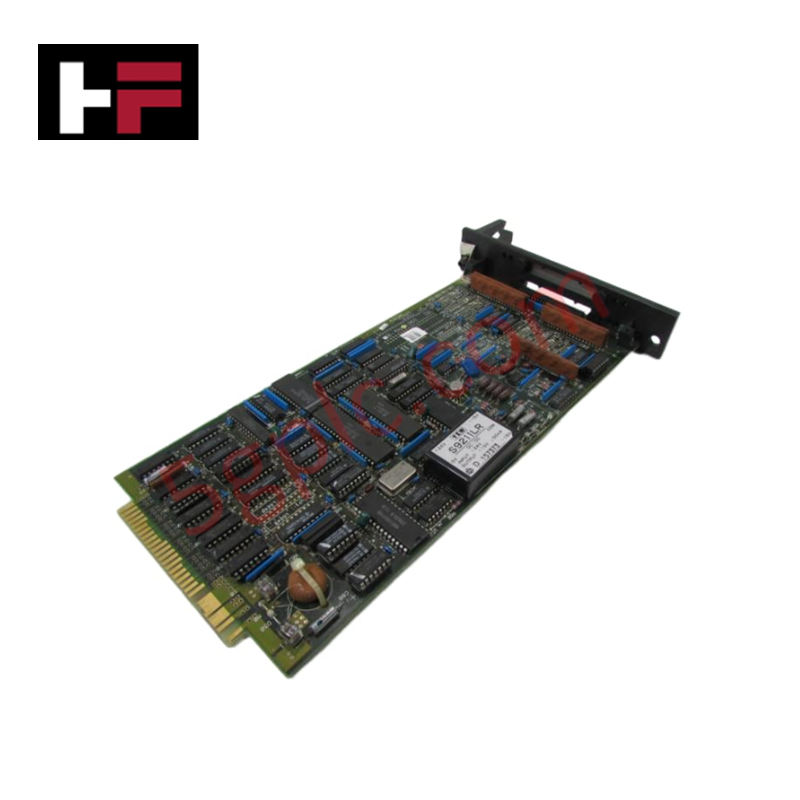
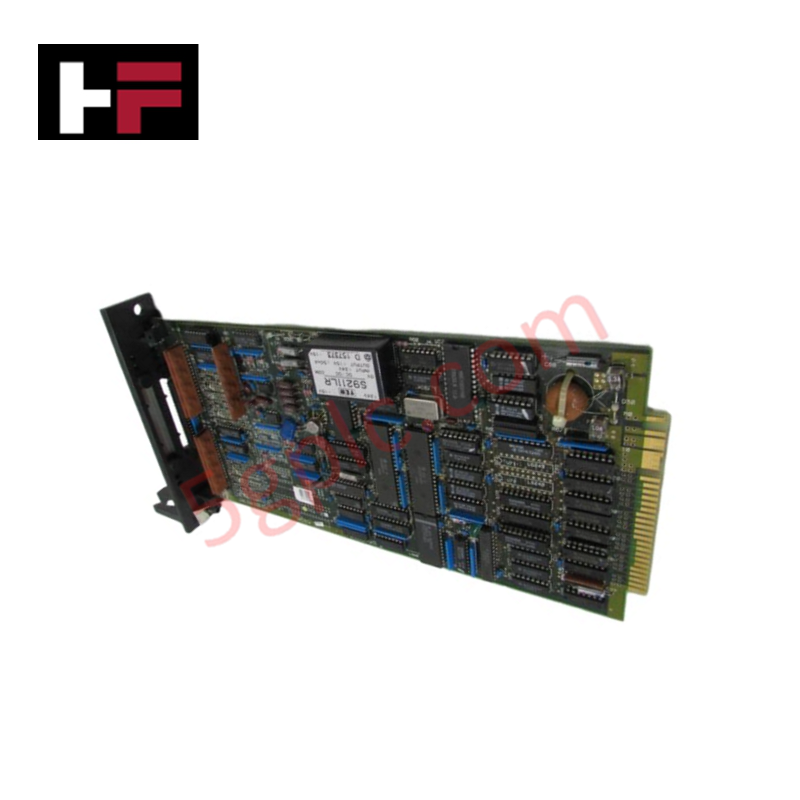
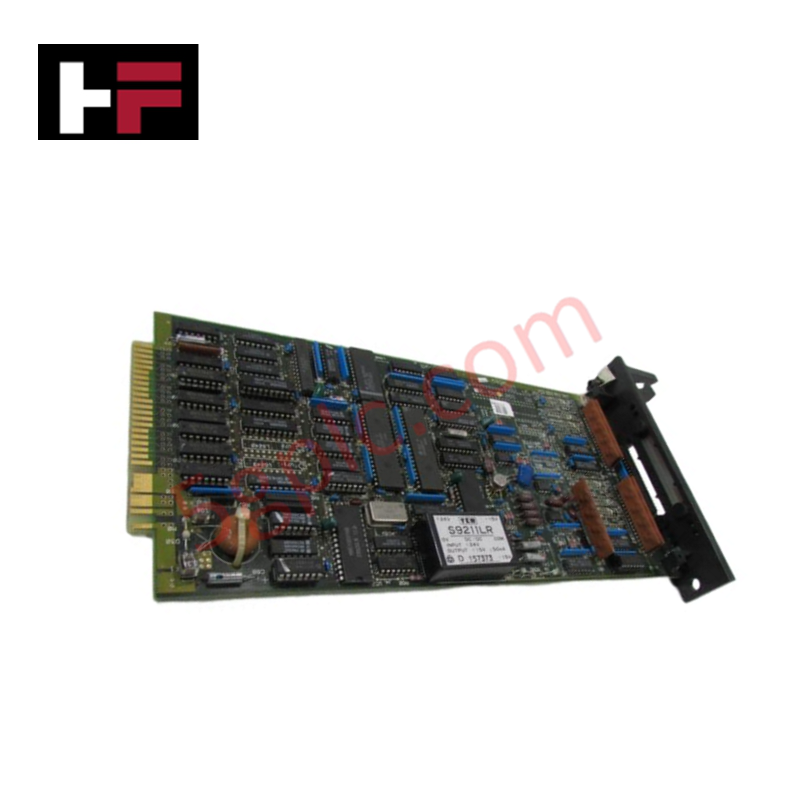
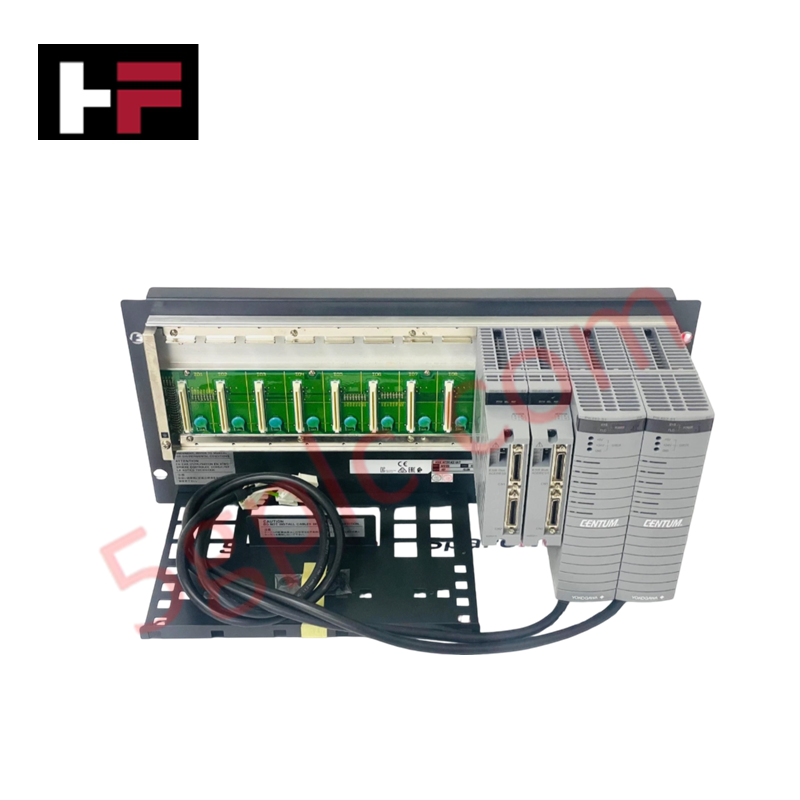
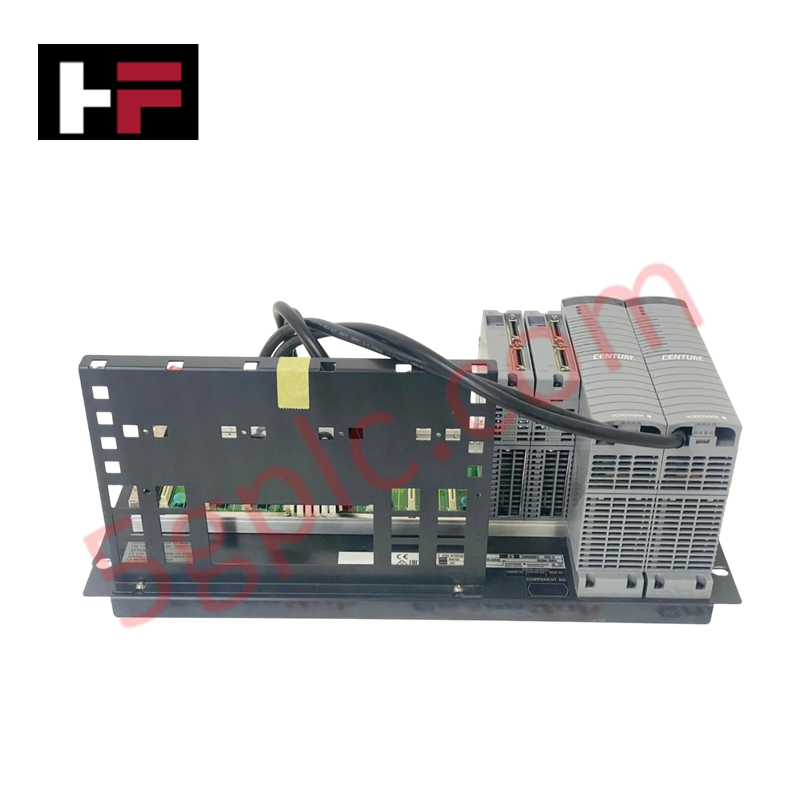
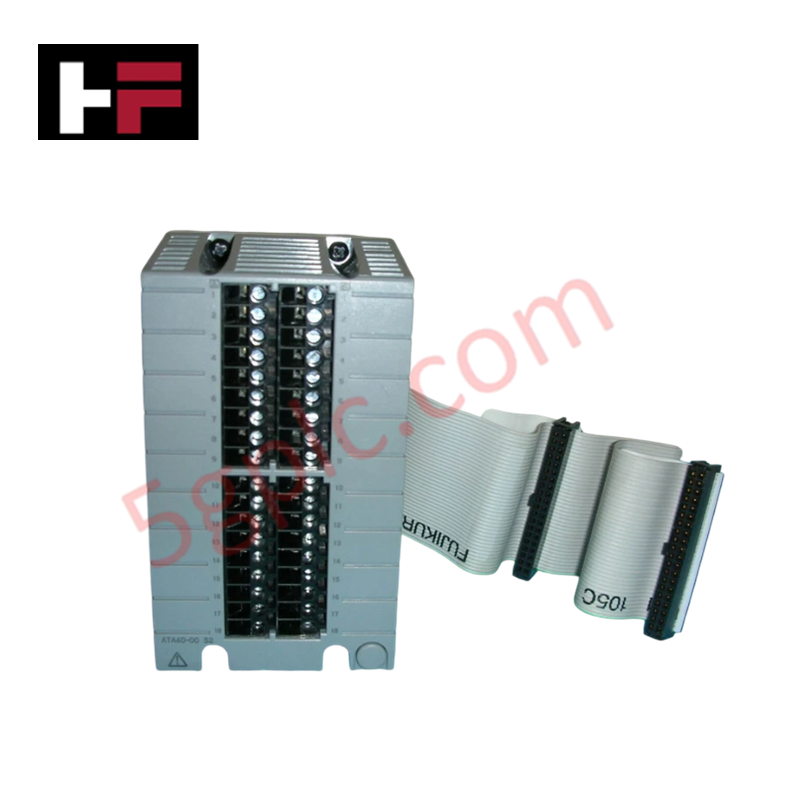
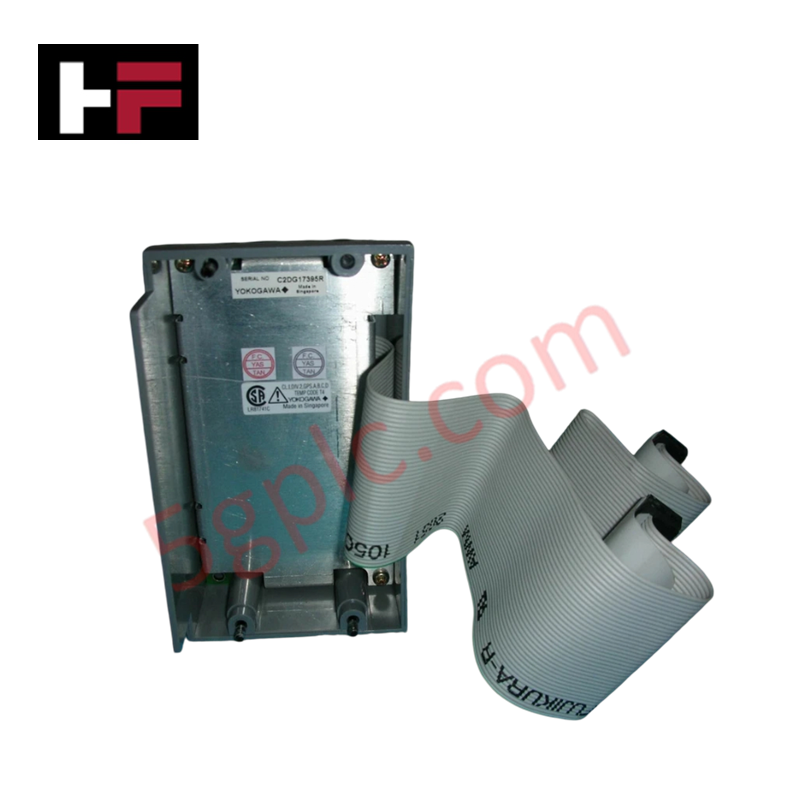
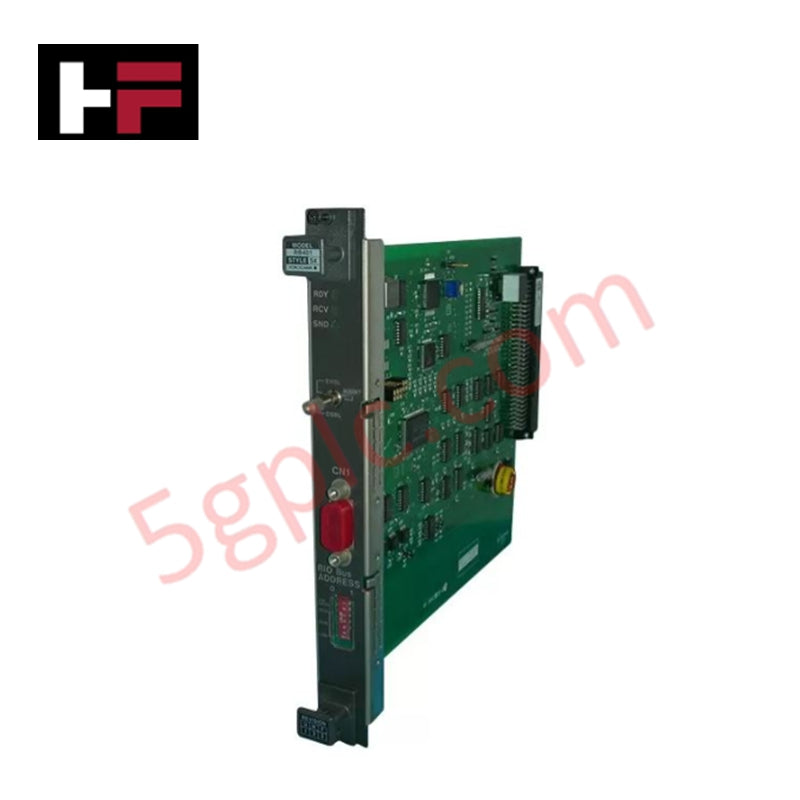
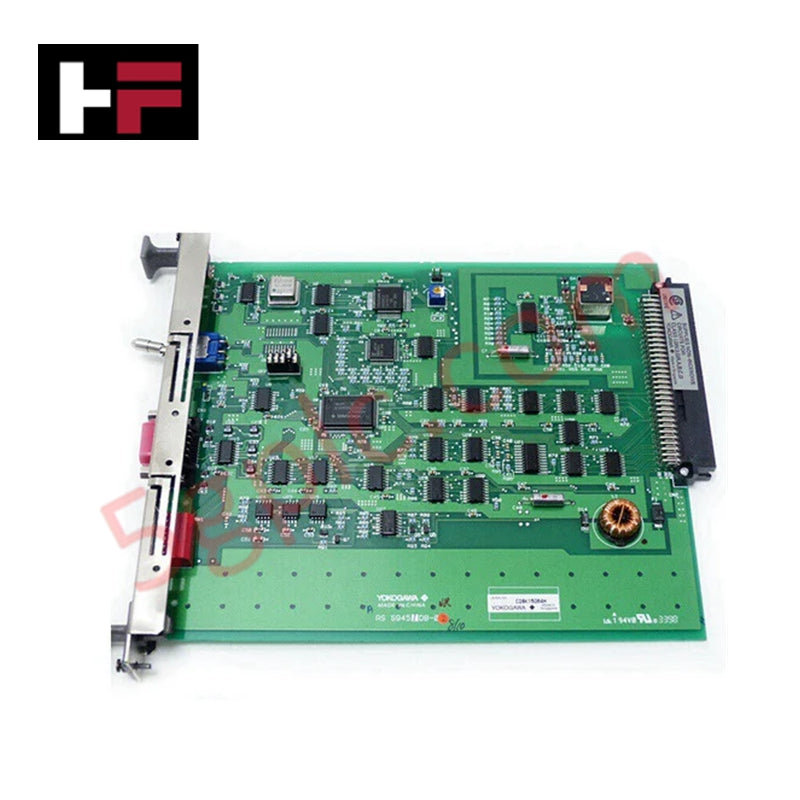
The Yokogawa VM1*S, also cataloged as the VM1 Multipoint Analog I/O Card, operates as a dedicated hardware component for simultaneous analog signal acquisition and generation within CENTUM VP and CENTUM CS 3000 platforms.
Hardware Specifications
| Parameter | Specification |
|---|---|
| Model | VM1*S |
| Brand | Yokogawa |
| Origin | Japan |
| Module Type | Multipoint Analog I/O Card |
| Input Channels | 8 Analog Inputs (4-20 mA DC) |
| Output Channels | 8 Analog Outputs (4-20 mA DC) |
| Weight | 0.4 kg |
| Dimensions | Standard Rack Slot Module Form Factor |
| Operating Temp | 0 to 50 deg C |
| Power Consumption | Max. 3.5 W |
Channel Isolation & Loop Protocol Infrastructure
The VM1*S card integrates galvanically isolated analog signal paths across its 16 total channels to isolate internal system buses from field side transients. This channel isolation structure prevents ground loops across the 8 analog input and 8 analog output loops, preserving signal linearity for attached 4-20 mA HART loop protocol field devices. High-density input and output conversion stages maintain analog accuracy across parallel loop runs without crosstalk interference.
Frequently Asked Questions
Q: How does the VM1*S manage system backplane power distribution across its input and output channels?
A: The card draws a maximum of 3.5 W directly from the rack backplane power supply, distributing internal regulated DC rails across both the 8 input conversion circuits and 8 output driver stages.
Q: Can the VM1*S card be hot-swapped during active controller rack operation?
A: Module removal or replacement during active operation depends on system redundancy settings; online replacement requires following controller slot deactivation procedures to prevent loop interruption or backplane bus faulting.
Field Installation Guidelines
Insert the VM1*S card vertically into the assigned CENTUM VP or CS 3000 node slot, sliding the module along the chassis card guides until the backplane multi-pin connector is fully seated. Fasten the front panel retention screws to secure physical mounting and establish low-impedance frame ground continuity. Route all 4-20 mA input and output cabling through shielded twisted pairs, connecting cable shields to a dedicated cabinet earth bar to prevent external noise coupling.
Additional Information
- 100% Genuine Parts: All products are original and authentic, ensuring reliable industrial performance.
- 30-Day Refund Guarantee: Return any in-stock item within 30 days in original, unopened packaging for a full refund (excluding shipping and fees).
- 12-Month Warranty: Covers defects in materials or workmanship; excludes misuse, normal wear, or unauthorized modifications.
- Worldwide Shipping: We ship via USPS, UPS, FedEx, and DHL. Delivery times vary by country and may be subject to customs or import fees.
- Support & Contact: Technical and warranty assistance is available anytime. Contact us here: Contact.
- Purchase Guidance: Check product specifications and compatibility carefully before ordering to ensure proper application.


Tech & Buying Guide

Step-by-Step System Cabinet Health Check Guide for PLC and DCS Infrastructure

Top 5 Operational Advantages of HMIs in Modern Factory Automation
