










Product Details
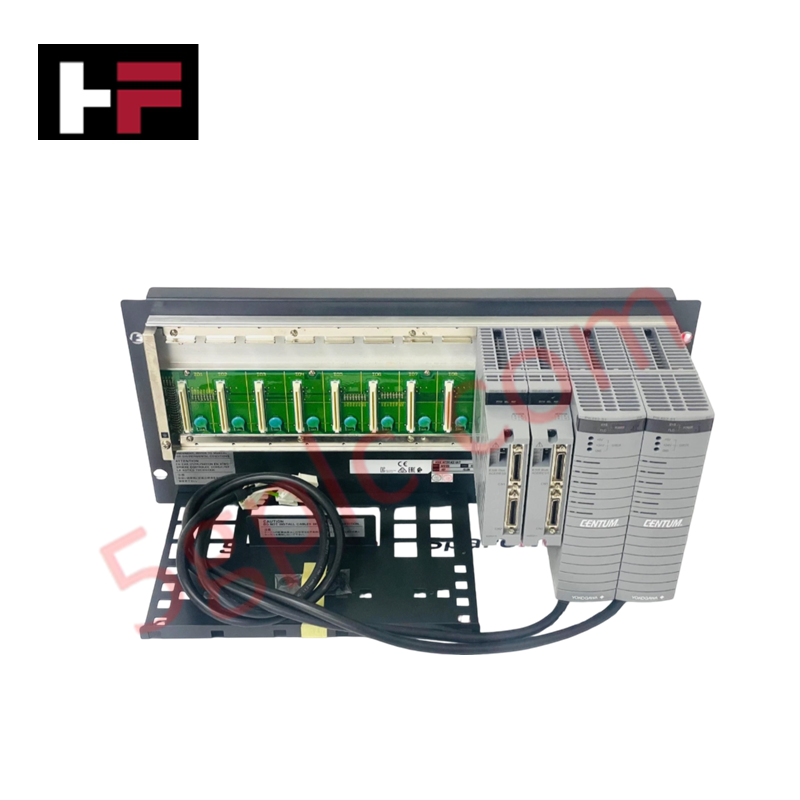
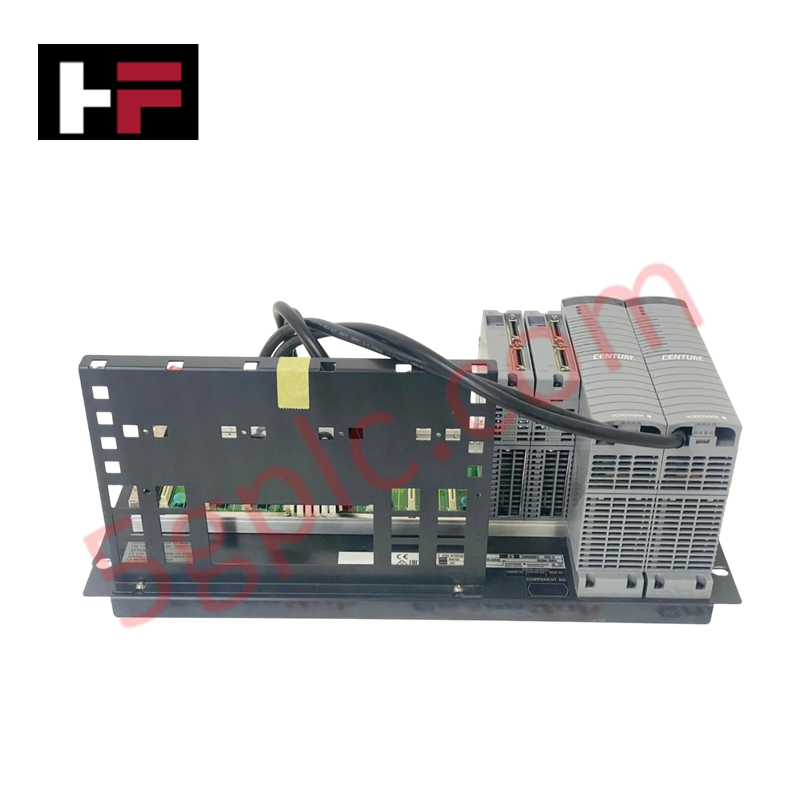
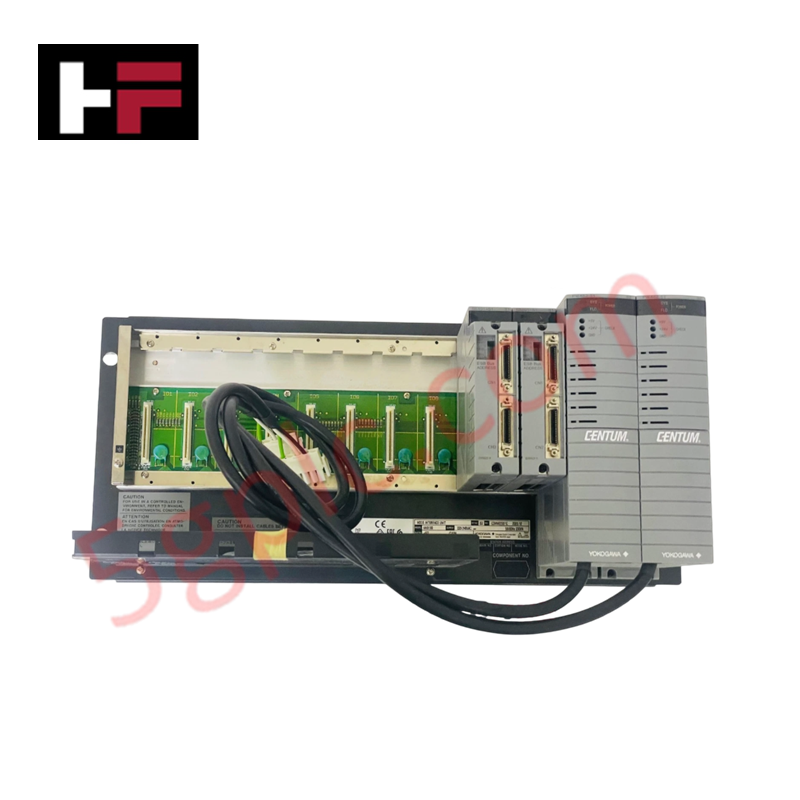
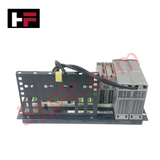
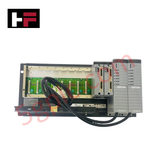
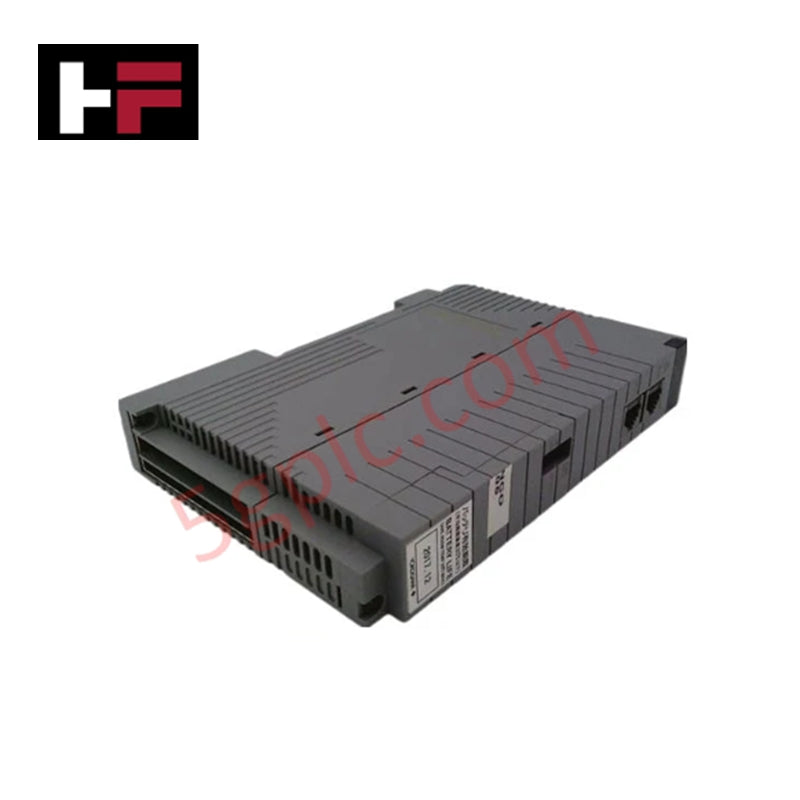
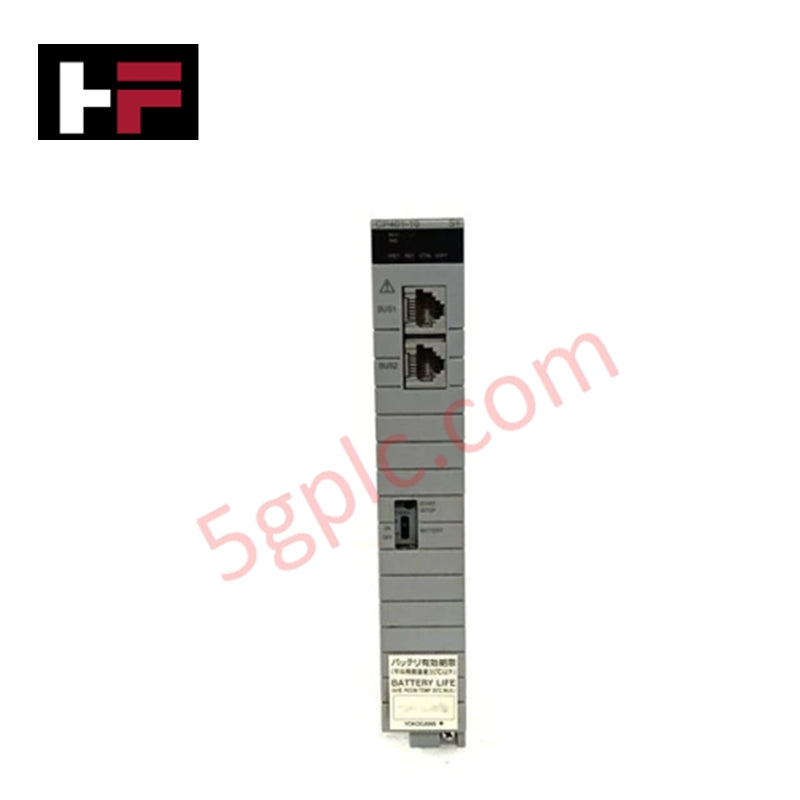
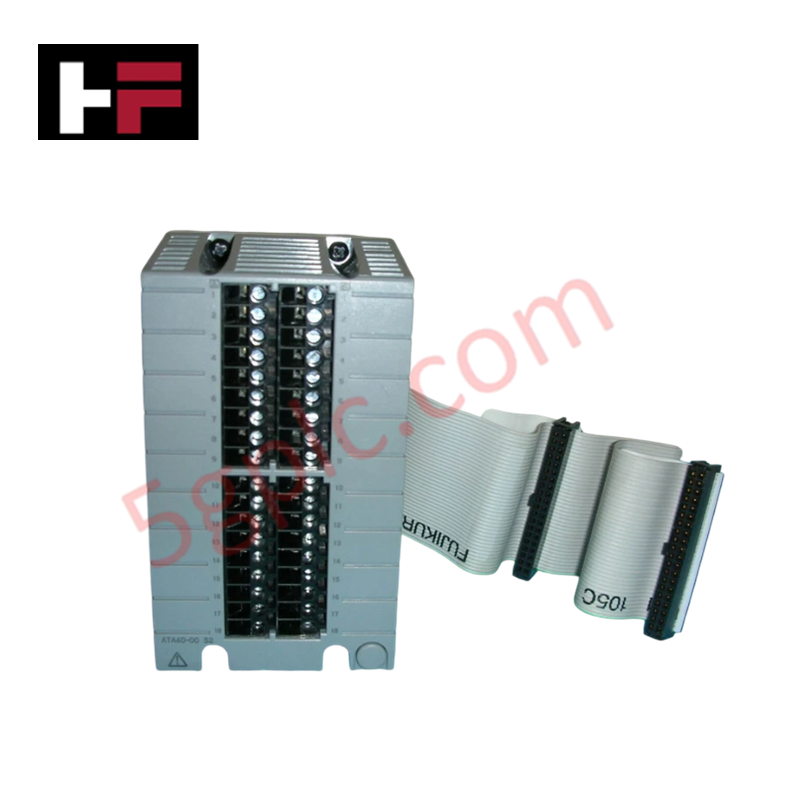
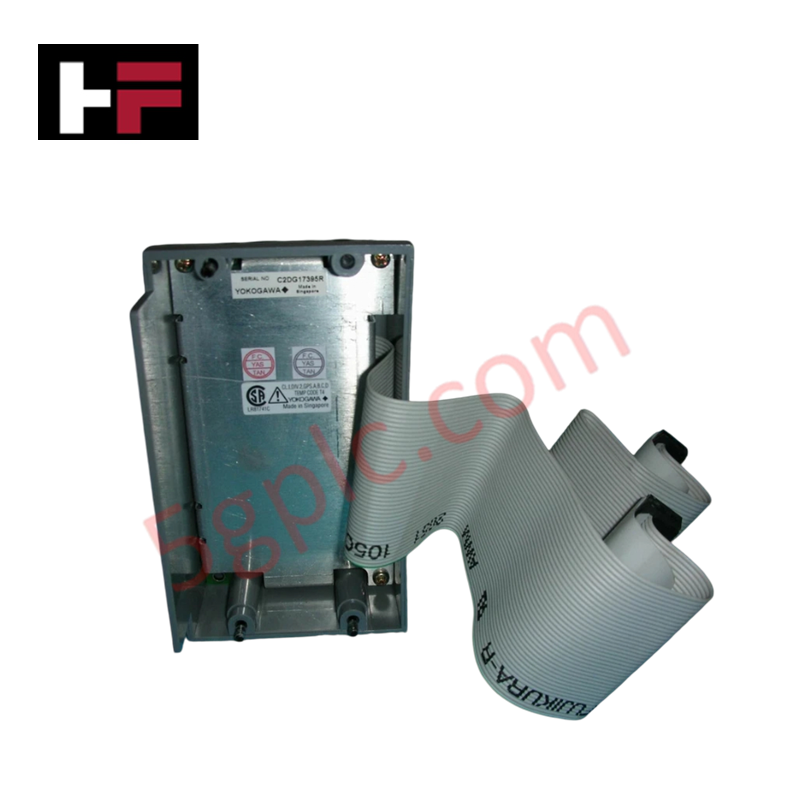
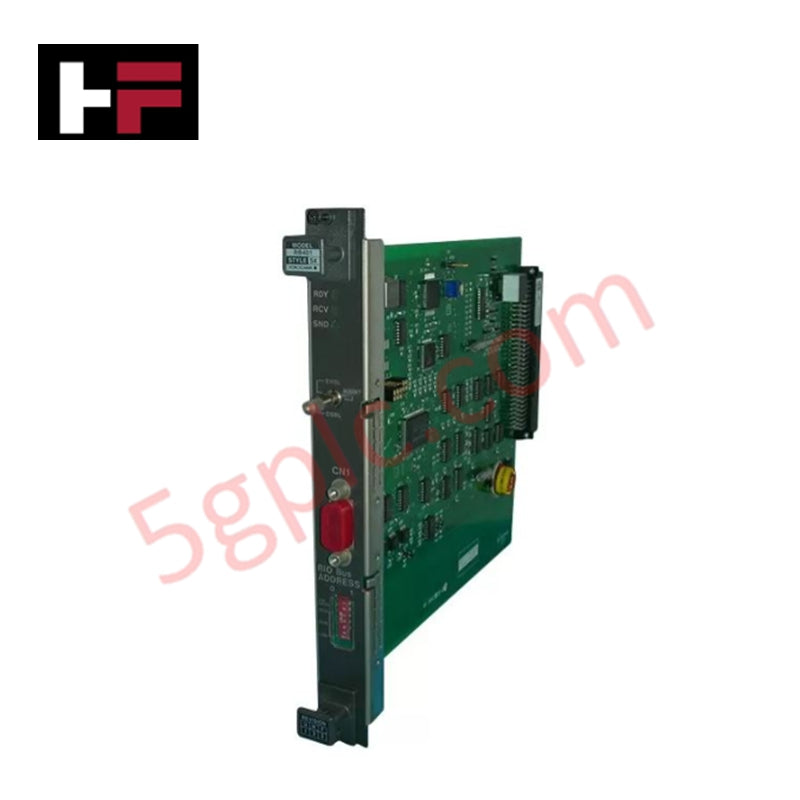
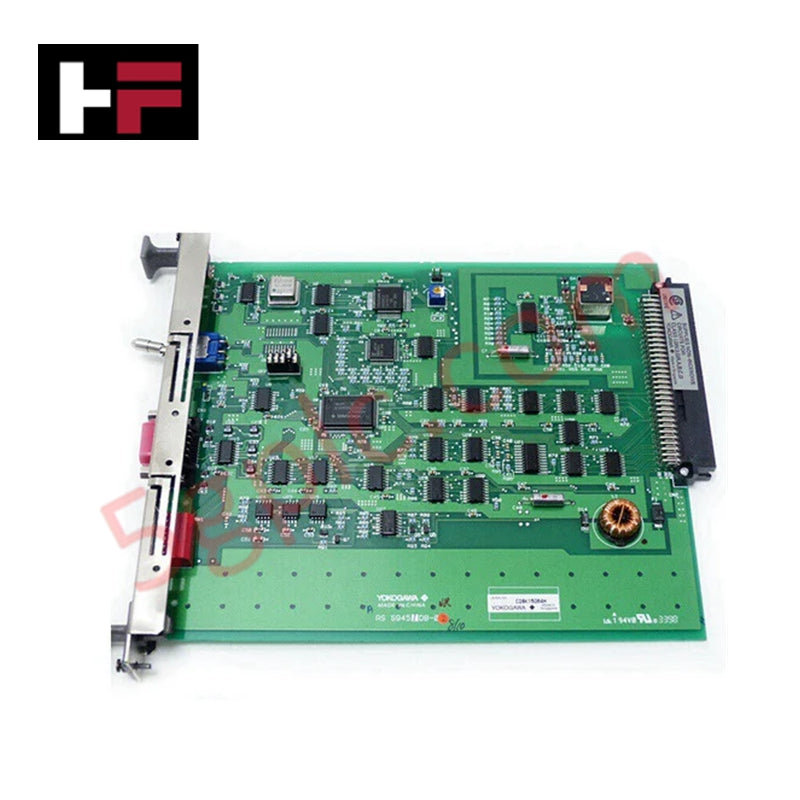
The Yokogawa ANB10D-425, also cataloged as the ANB10D ESB Bus Node Unit, operates as a dedicated hardware component for converting and transmitting field I/O signals to the Field Control Unit (FCU) within Yokogawa CENTUM VP CS 3000 systems. It routes analog and contact I/O data through the deterministic ESB bus architecture.
Hardware Specifications
| Parameter | Specification |
|---|---|
| Model | ANB10D-425 |
| Brand | Yokogawa |
| Product Type | ESB Bus Node Units |
| Communication Interface | ESB Bus |
| Mounting Type | 19-inch Rack Mountable |
| Power Supply Options | 100-120 VAC, 220-240 VAC, 24 VDC |
| Power Consumption | 200 VA (100-120 VAC), 230 VA (220-240 VAC), 5.5 A (24 VDC) |
| Redundancy | Dual-Redundant Power Supply |
| Operating Temp | 0 to 50 deg C |
| Dimensions | Standard 19-inch Rack Width (4U Height) |
| Weight | 5.5 kg |
| Origin | Japan |
4-20 mA HART Loop Protocol and Channel Isolation
The ANB10D-425 node unit acts as a high-density backplane interface that routes 4-20 mA HART loop protocol signals directly to the system bus without introducing signal attenuation. Galvanic channel-to-channel isolation across the installed I/O cards prevents earth potential differences from corrupting low-level signal processing. The backplane bus structure enforces signal integrity across all slotted I/O positions while maintaining high-frequency HART digital communications across analog channels.
Frequently Asked Questions
Q: How does the dual-redundant power supply operate in the ANB10D-425?
A: The node unit contains two independent power supply modules operating in a load-sharing configuration. If one power source fails, the remaining unit immediately assumes the full power load without interrupting ESB bus communications.
Q: Are I/O modules installed in the ANB10D-425 hot-swappable?
A: Yes. I/O modules mounted on the node unit backplane can be replaced while the system remains powered and operational, provided the host FCU is configured for online module replacement.
Q: What is the primary purpose of the ESB bus connection on this node?
A: The ESB bus interface provides high-speed, deterministic optical/coaxial data link capability to transfer process variable data directly to the host Field Control Unit.
Field Installation Guidelines
- Secure the unit into a standard 19-inch instrument rack using four M5 retaining screws, maintaining at least 100 mm of vertical clearance above and below for convective cooling.
- Ensure both AC or DC power feed lines are connected to separate, circuit-breaker-protected power sources to maintain true dual-power redundancy.
- Terminate the ESB bus cable connectors firmly and ensure protective grounding conductors are bonded to the rack chassis with a ground resistance of less than 10 ohms.
- Verify that all I/O module slot filler plates are installed over unused slots to maintain proper internal enclosure airflow.
Additional Information
- 100% Genuine Parts: All products are original and authentic, ensuring reliable industrial performance.
- 30-Day Refund Guarantee: Return any in-stock item within 30 days in original, unopened packaging for a full refund (excluding shipping and fees).
- 12-Month Warranty: Covers defects in materials or workmanship; excludes misuse, normal wear, or unauthorized modifications.
- Worldwide Shipping: We ship via USPS, UPS, FedEx, and DHL. Delivery times vary by country and may be subject to customs or import fees.
- Support & Contact: Technical and warranty assistance is available anytime. Contact us here: Contact.
- Purchase Guidance: Check product specifications and compatibility carefully before ordering to ensure proper application.


Tech & Buying Guide

Top 5 Operational Advantages of HMIs in Modern Factory Automation

Importance of Safety Barriers in PLC and DCS Control Systems
