










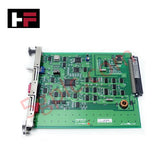
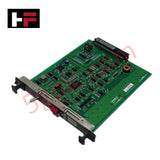
Product Details
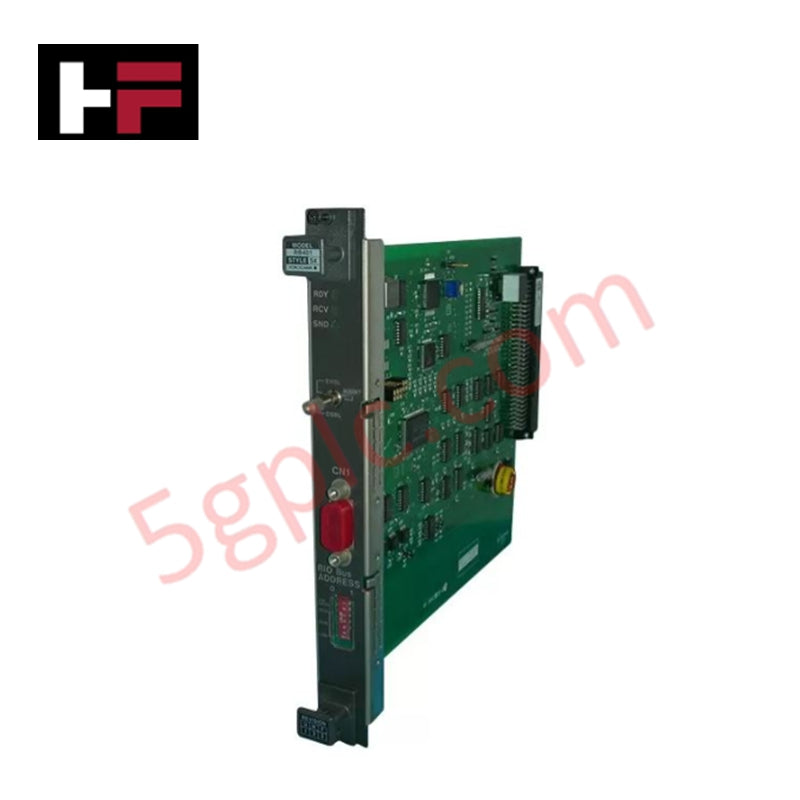
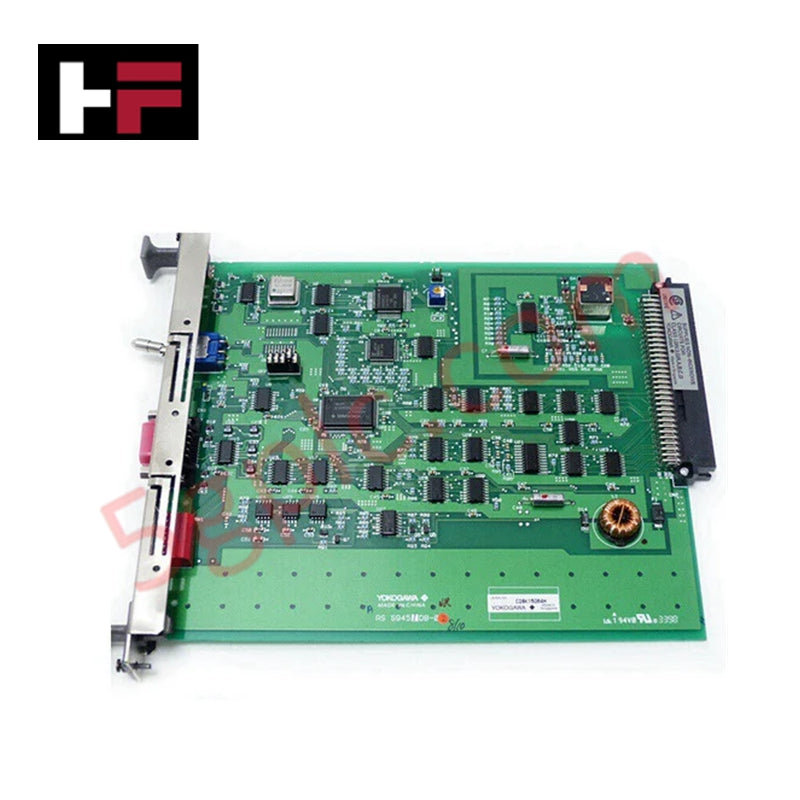
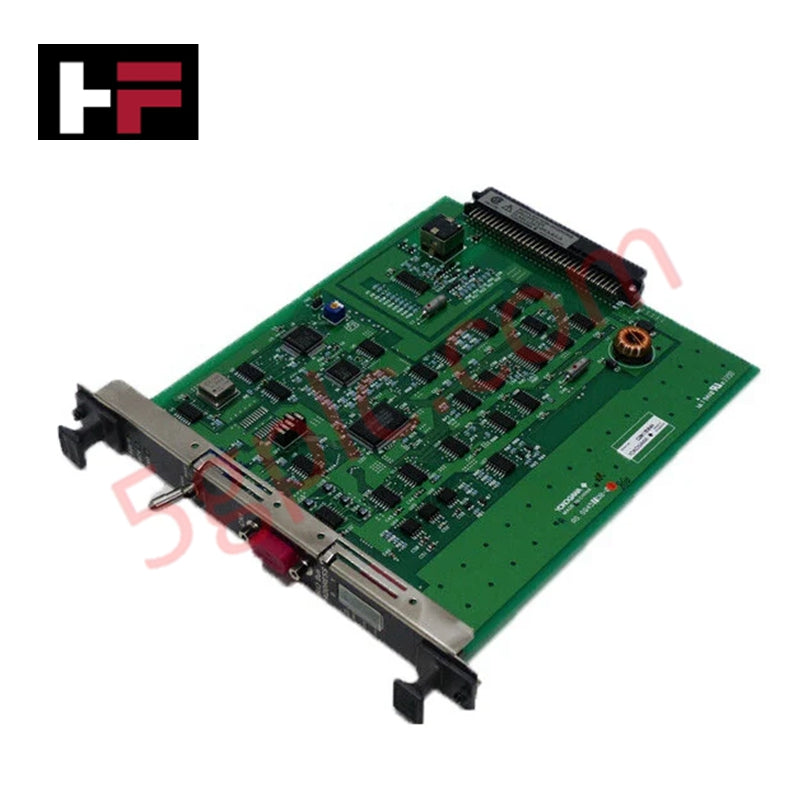
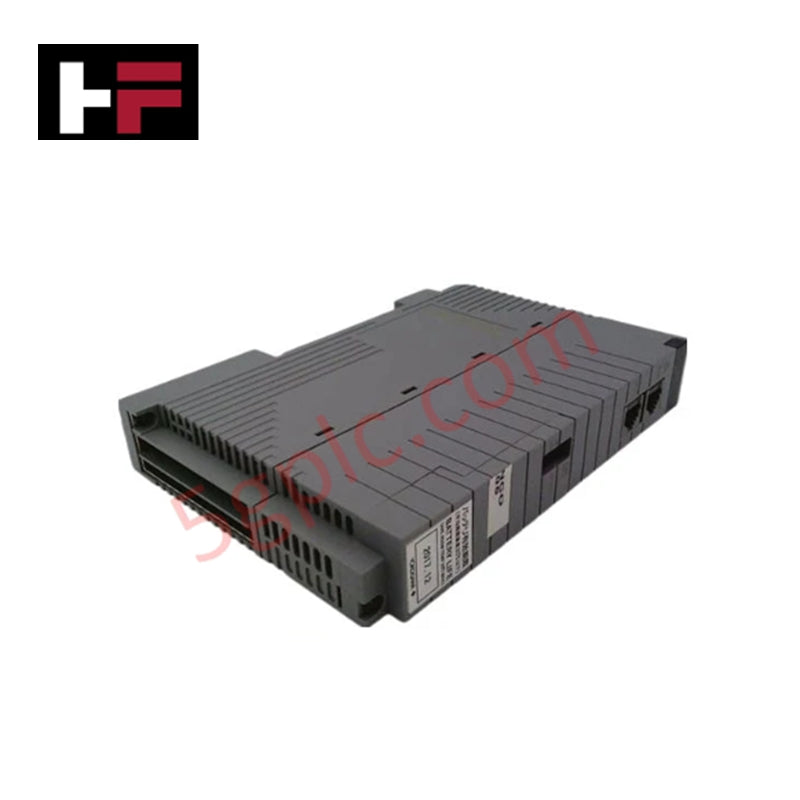
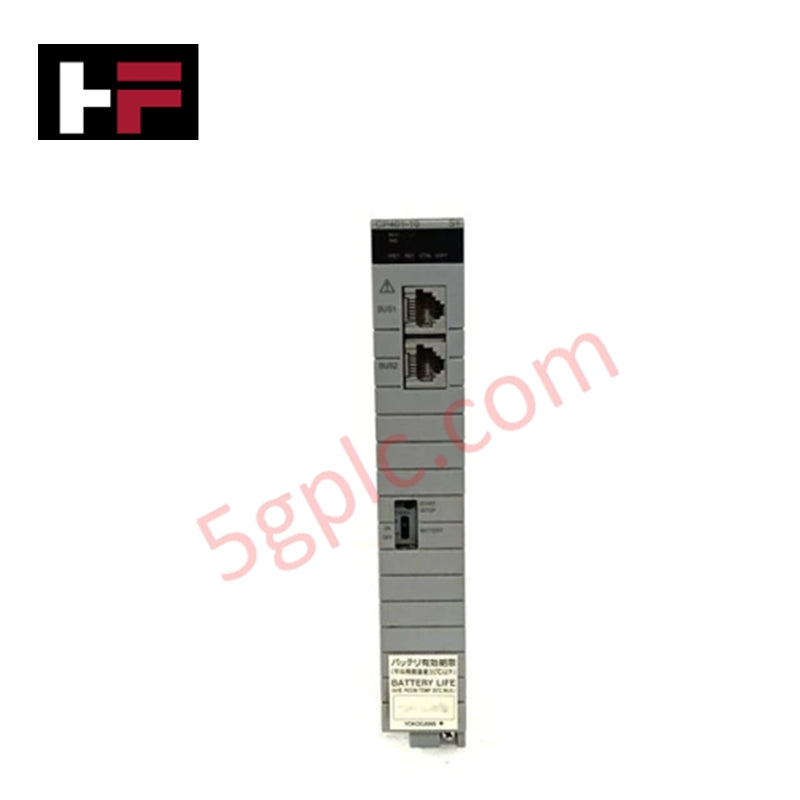
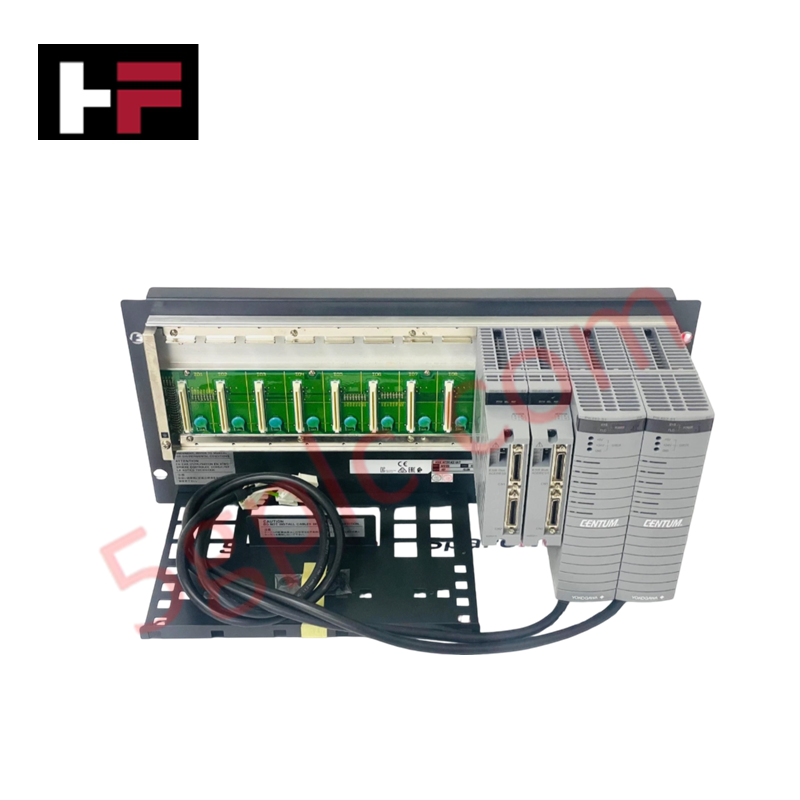
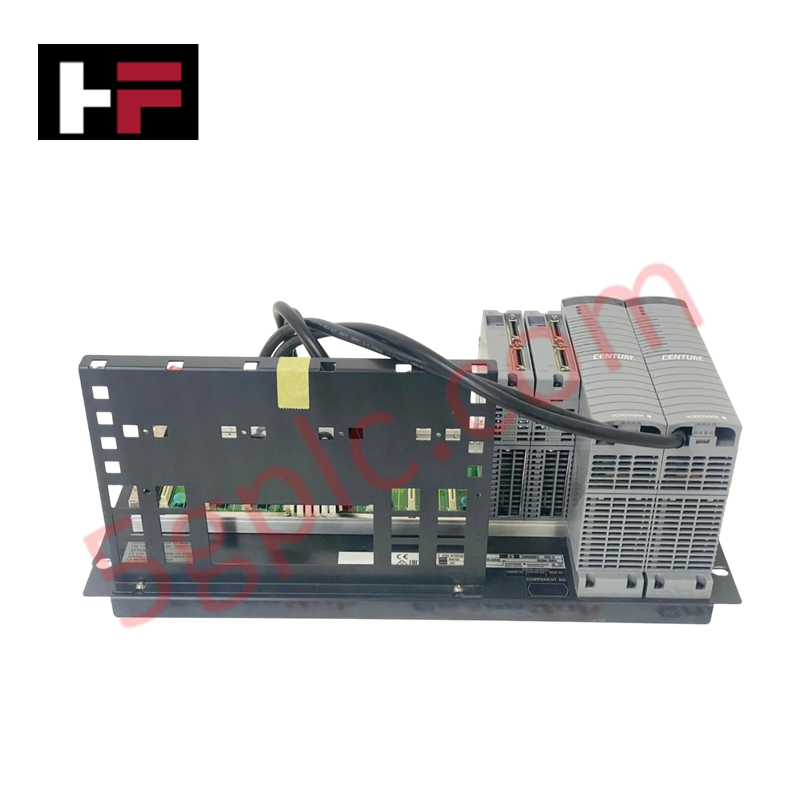
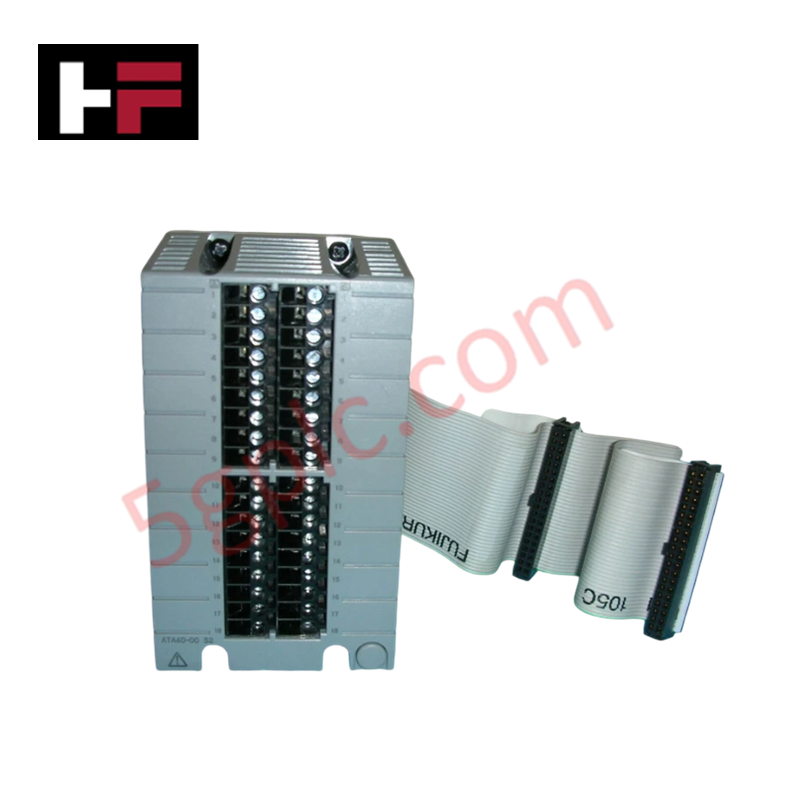
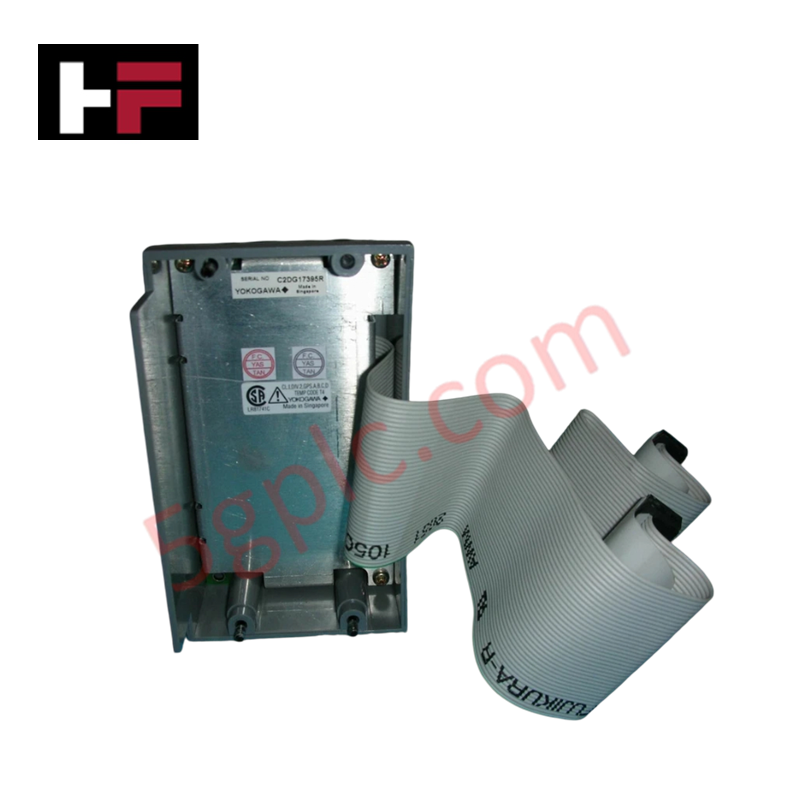
The YOKOGAWA RB401/S4, also cataloged as the RB401 RIO Bus Module, operates as a dedicated hardware component for remote I/O bus communication and backplane interface within Yokogawa Centum CS platforms.
Hardware Specifications
| Parameter | Specification |
|---|---|
| Model | RB401/S4 |
| Brand | YOKOGAWA |
| Origin | Japan |
| Weight | 0.50 lbs |
| Dimensions | Standard Rack Mount Module |
| Operating Temp | 0 to +55 deg C |
| Power Consumption | Standard backplane draw |
| Bus Architecture | Remote I/O (RIO) Bus |
| Module Style | Style S4 |
| Form Factor | Rack Mount PC Board |
Channel-to-Channel Isolation & Bus Communications
The RB401/S4 remote I/O bus interface module incorporates hardware galvanic isolation to ensure signal integrity across serial RIO network paths. Optical barriers protect control processing logic from high-voltage field transients, ground loops, and electromagnetic noise on long-distance I/O communication links. This isolation prevents common-mode voltage interference from degrading signal transmission between central processor units and distributed remote field terminal units.
Frequently Asked Questions
Q: What is the significance of the S4 designation on the RB401 module?
A: The S4 code designates Style 4 hardware revisioning, reflecting specific backplane pin configurations and updated component tolerances while maintaining functional compatibility with standard RIO communication racks.
Q: How is signal degradation minimized on long RIO bus cable runs?
A: The onboard line transceiver circuitry provides signal conditioning and differential signaling to suppress electromagnetic interference and cross-talk across shielded twisted-pair field bus cabling.
Field Installation Guidelines
- Ensure main cabinet power is isolated before seating the board into the designated rack slot.
- Align the circuit board edges with the card guide tracks in the rack frame prior to inserting the rear edge connectors.
- Apply uniform pressure on the module handles until the backplane connector locks firmly into position.
- Fasten all panel retention screws to secure mechanical grounding and prevent vibration-induced loosening.
- Terminate the RIO communication cable shielding directly to the primary cabinet ground busbar using standard low-impedance grounding clamps.
Additional Information
- 100% Genuine Parts: All products are original and authentic, ensuring reliable industrial performance.
- 30-Day Refund Guarantee: Return any in-stock item within 30 days in original, unopened packaging for a full refund (excluding shipping and fees).
- 12-Month Warranty: Covers defects in materials or workmanship; excludes misuse, normal wear, or unauthorized modifications.
- Worldwide Shipping: We ship via USPS, UPS, FedEx, and DHL. Delivery times vary by country and may be subject to customs or import fees.
- Support & Contact: Technical and warranty assistance is available anytime. Contact us here: Contact.
- Purchase Guidance: Check product specifications and compatibility carefully before ordering to ensure proper application.


Tech & Buying Guide

Top 5 Operational Advantages of HMIs in Modern Factory Automation

Importance of Safety Barriers in PLC and DCS Control Systems
