










Product Details
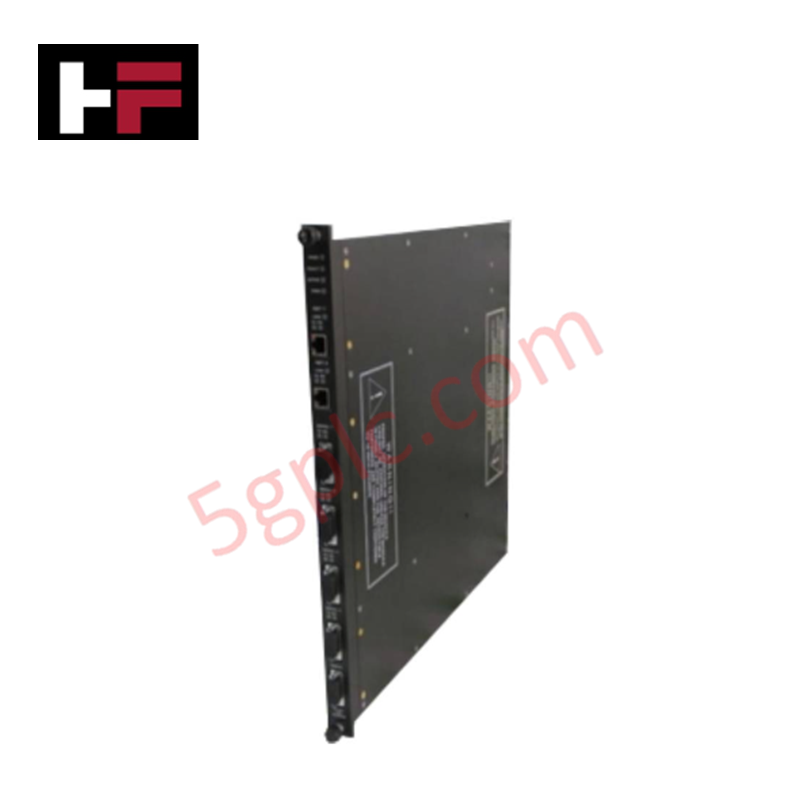
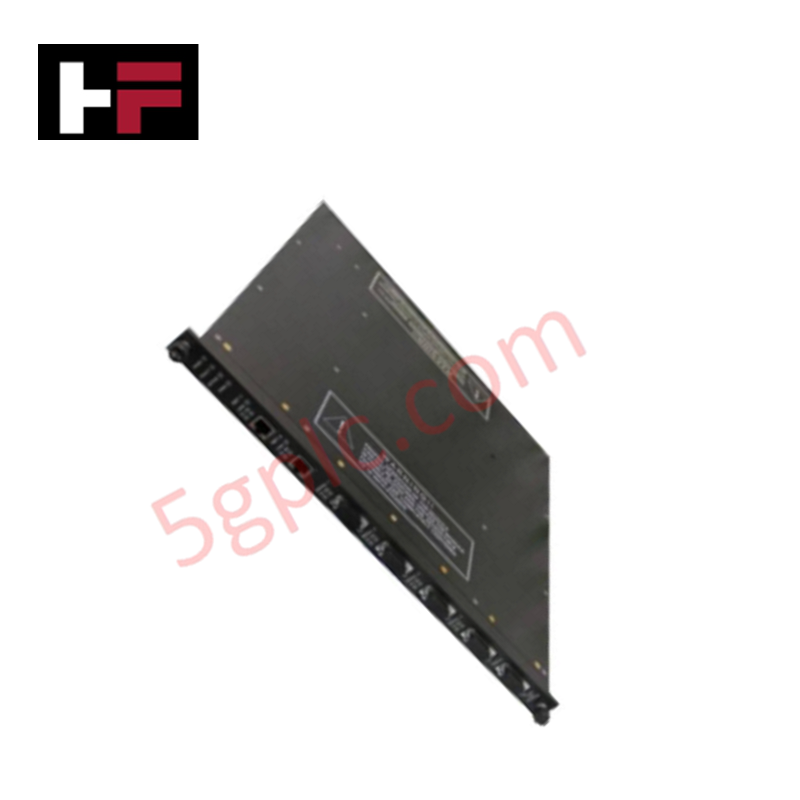
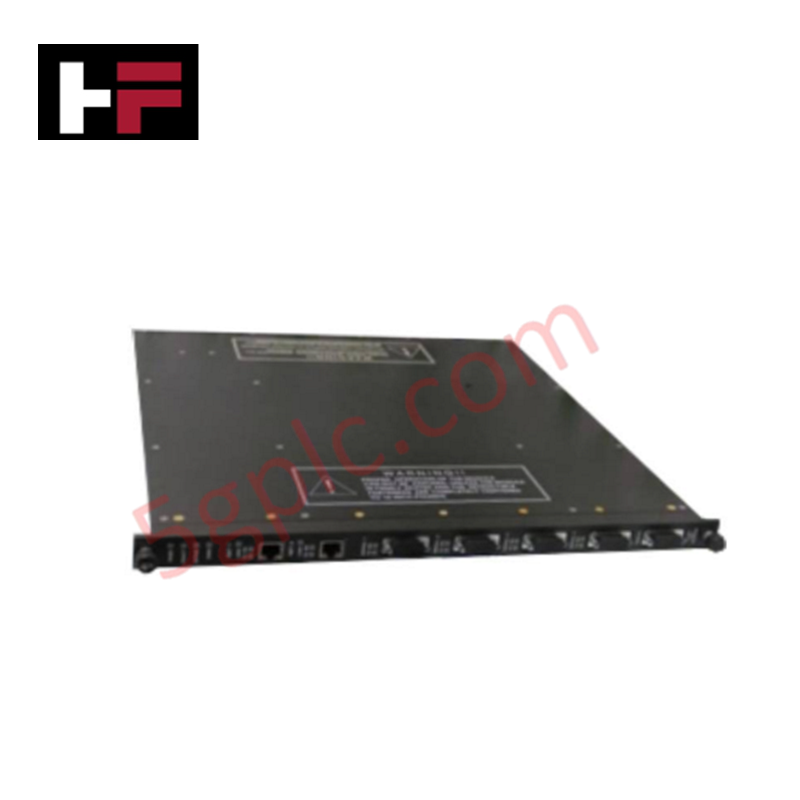
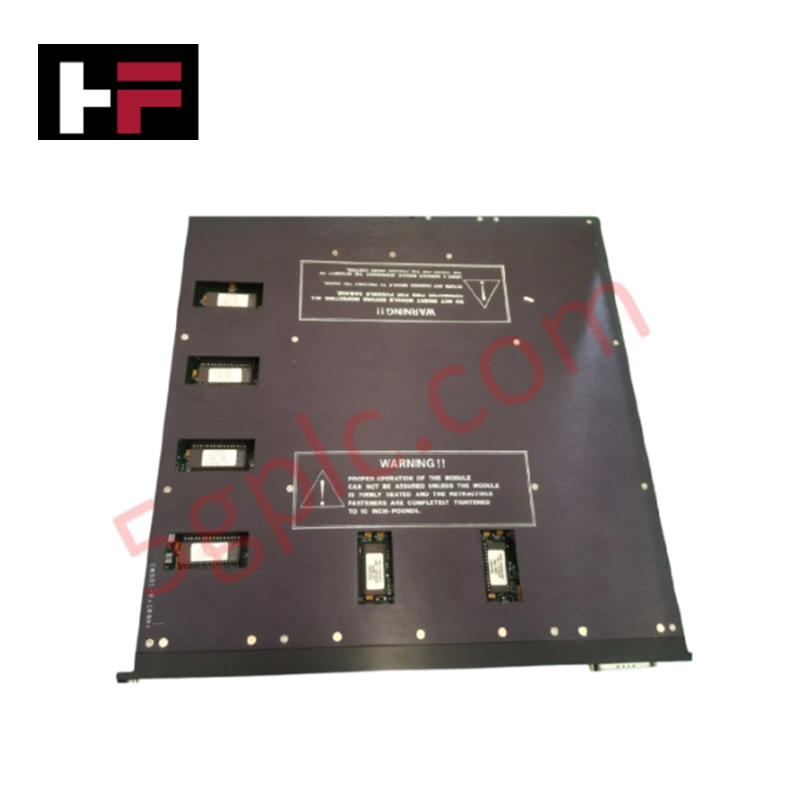
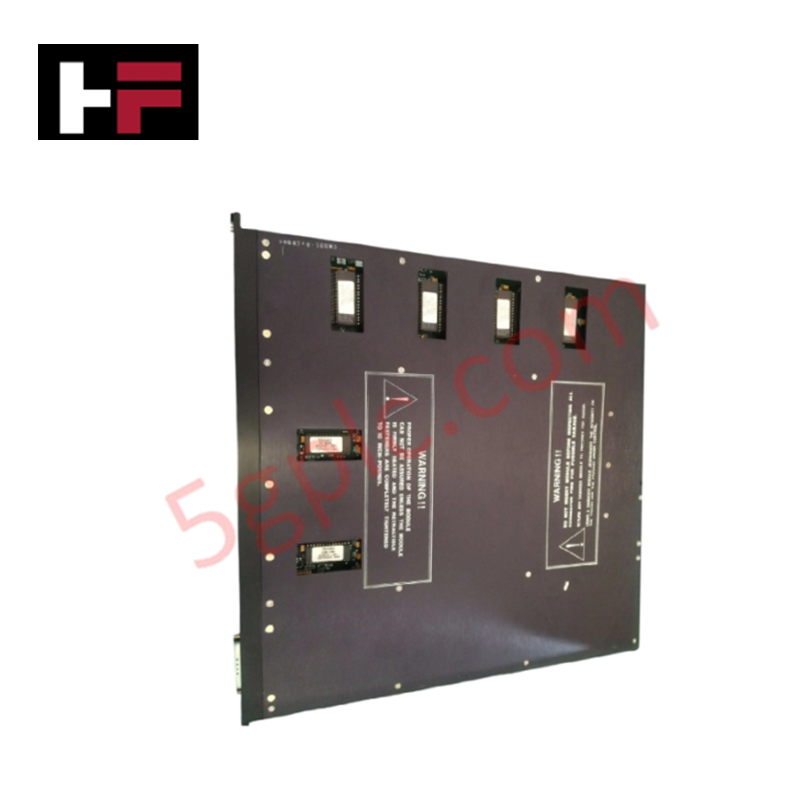
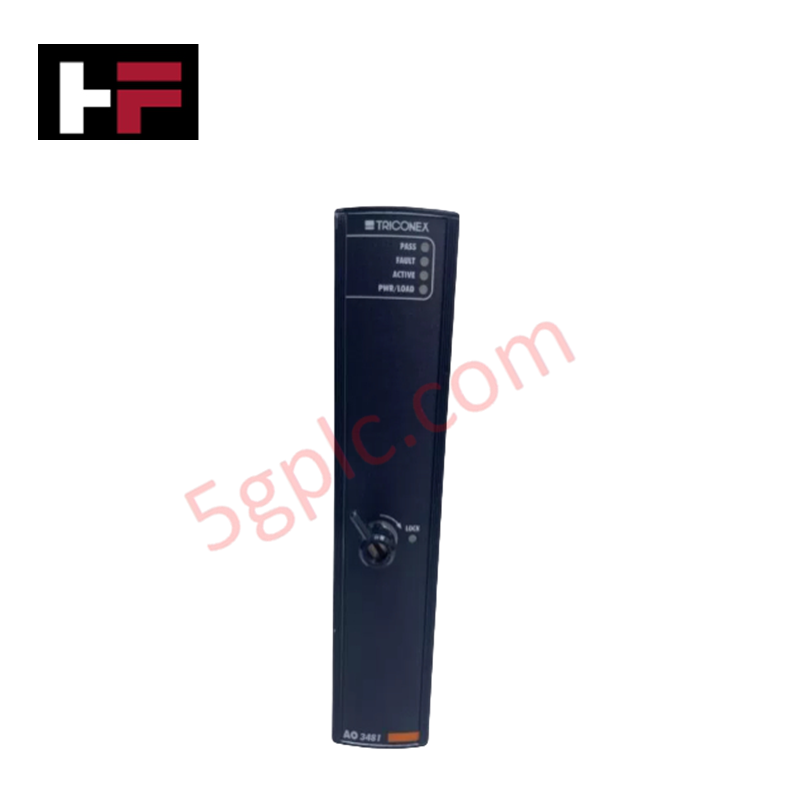
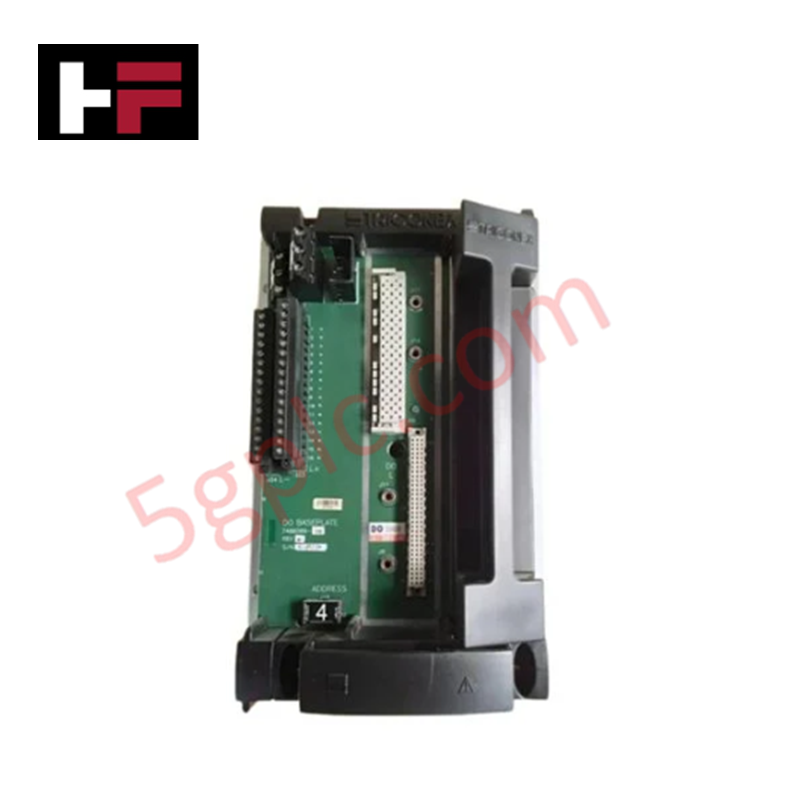
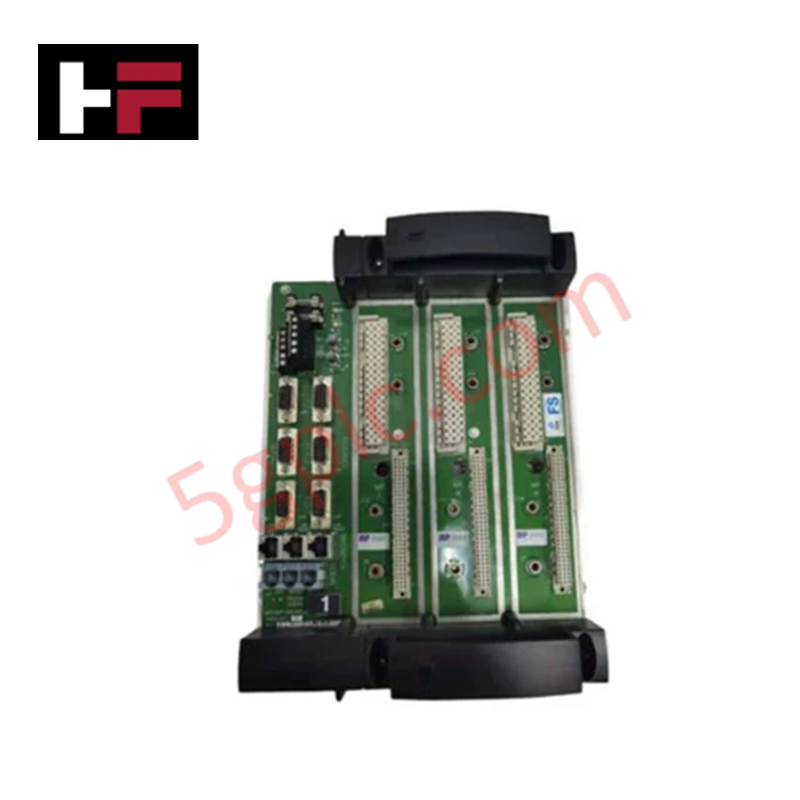
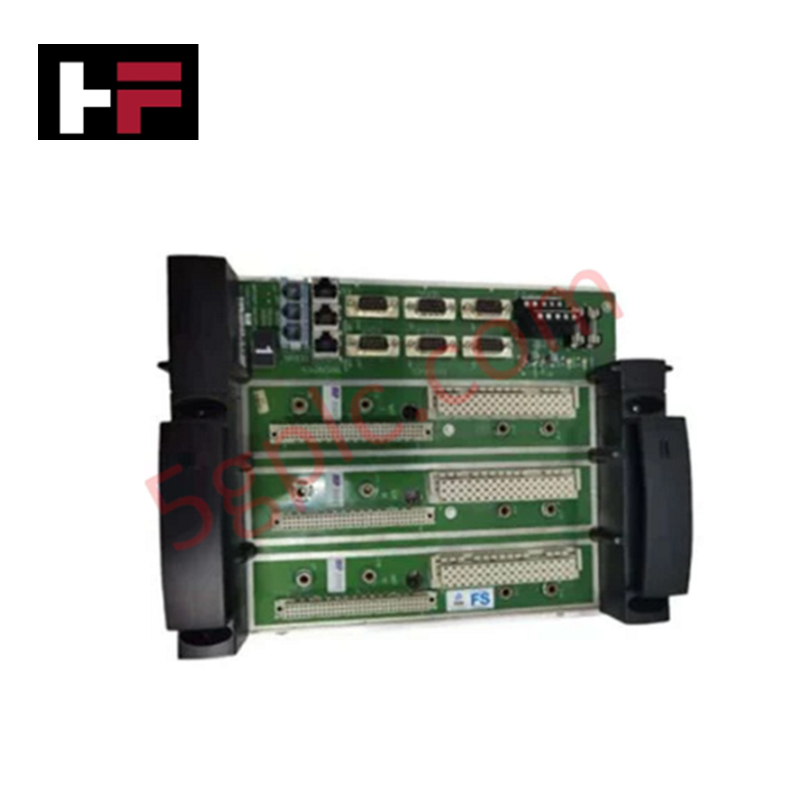
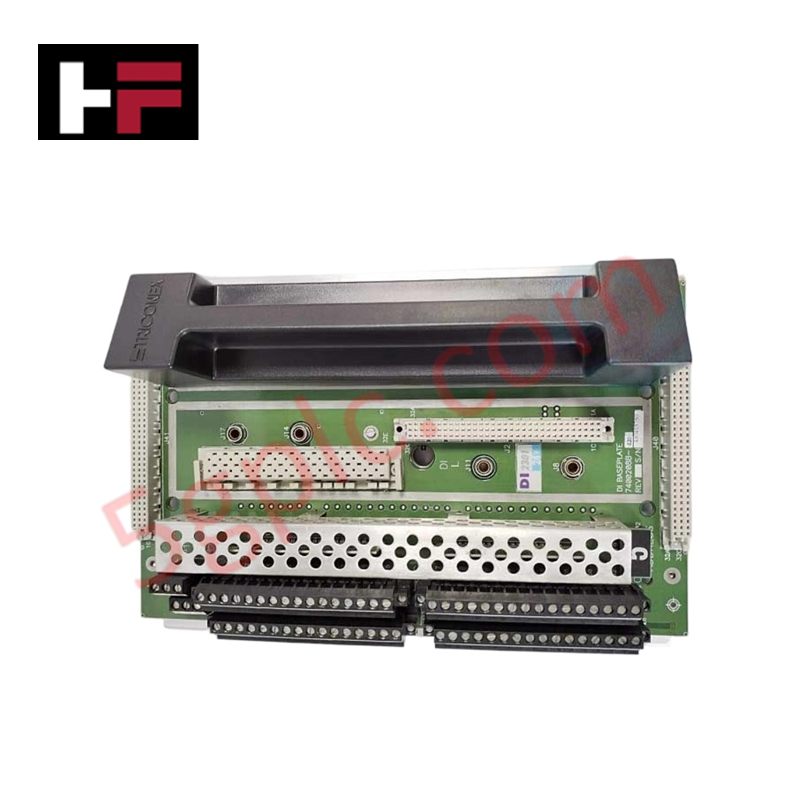
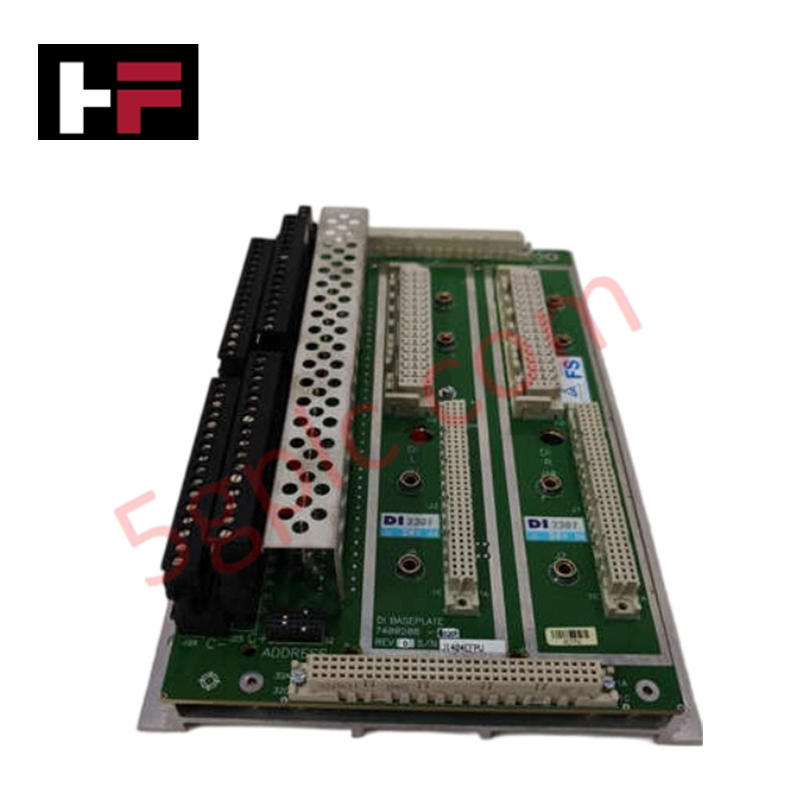
Configured for high-speed logic execution in Tricon safety system platforms, the Triconex 3007 (3007 Main Processor) provides direct physical/electrical execution of safety control algorithms through a multi-processor architecture.
Hardware Specifications
| Parameter | Specification |
|---|---|
| Model | 3007 |
| Brand | Triconex |
| Weight | 0.45 kg |
| Dimensions | Standard Tricon module form factor |
| Operating Temp | Not specified |
| Power Consumption | 15 W |
| CPU | National NS32GX32 (32-bit, 25 MHz) |
| Math Co-processor | National NS32381 (32-bit, 25 MHz) |
| Memory | 512 KB EPROM, 1 MB SRAM |
| Communication Ports | RS-232 (500 VDC isolation), RS-485 |
High-Reliability Safety Control (SIS)
The Triconex 3007 is engineered to facilitate triple modular redundancy (TMR) 2oo3 architecture, acting as the primary computation node within a safety-critical loop. The processor executes logic cycles in parallel with peer modules, utilizing a high-speed TriBus (4 Mbps) for inter-processor voting and synchronization. Galvanic isolation is implemented on the RS-232 interface to protect the internal bus from external surges. In the event of a detected hardware mismatch or memory parity error, the module is designed for fail-safe state execution, transferring control to redundant peers to maintain system integrity without process disruption.
Frequently Asked Questions
Q: Can the 3007 processor be replaced while the system is powered?
A: The 3007 supports hot-swapping within the Tricon chassis. When a replacement module is inserted, it performs a self-diagnostic sequence and synchronizes memory state with the active processors before transitioning to an operational state.
Q: What are the requirements for maintaining the clock calendar accuracy?
A: The onboard battery backup maintains the clock calendar during power-down states. If the drift exceeds the specified ±8.6 seconds per day, the battery assembly requires replacement to ensure accurate time-stamping of diagnostic logs.
Field Installation Guidelines
- Ensure the module is seated fully into the designated chassis slot to guarantee proper engagement with the backplane connectors.
- Verify that the TriBus communication cable is properly terminated if operating in a multi-chassis configuration.
- Use shielded cabling for all RS-232 and RS-485 communication lines to minimize electromagnetic interference.
- Ensure the chassis ground is connected to a low-impedance earth point to prevent common-mode noise from affecting the optically isolated interfaces.
- Avoid excessive force when inserting the module to prevent bending the backplane pins; the module should slide into the guides with minimal resistance.
Additional Information
- 100% Genuine Parts: All products are original and authentic, ensuring reliable industrial performance.
- 30-Day Refund Guarantee: Return any in-stock item within 30 days in original, unopened packaging for a full refund (excluding shipping and fees).
- 12-Month Warranty: Covers defects in materials or workmanship; excludes misuse, normal wear, or unauthorized modifications.
- Worldwide Shipping: We ship via USPS, UPS, FedEx, and DHL. Delivery times vary by country and may be subject to customs or import fees.
- Support & Contact: Technical and warranty assistance is available anytime. Contact us here: Contact.
- Purchase Guidance: Check product specifications and compatibility carefully before ordering to ensure proper application.
Tech & Buying Guide
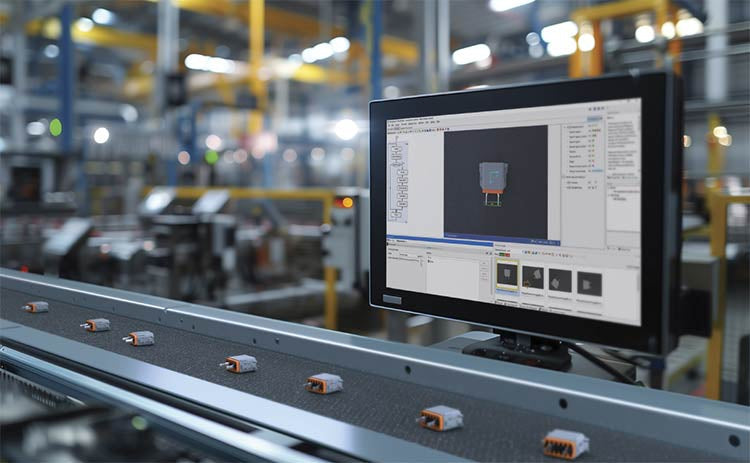
Modern Industrial Automation: Transforming Safety and Efficiency in Mining Operations
Industrial automation has evolved from a simple manufacturing tool into the operational backbone of high-risk sectors. Modern mining operations increasingly rely on advanced control systems, programmable logic controllers (PLCs), distributed control systems (DCS), and artificial intelligence to address deep-underground hazards. By replacing manual labor in high-risk zones, factory automation technologies protect personnel while significantly boosting operational throughput.

Step-by-Step System Cabinet Health Check Guide for PLC and DCS Infrastructure
