













Product Details
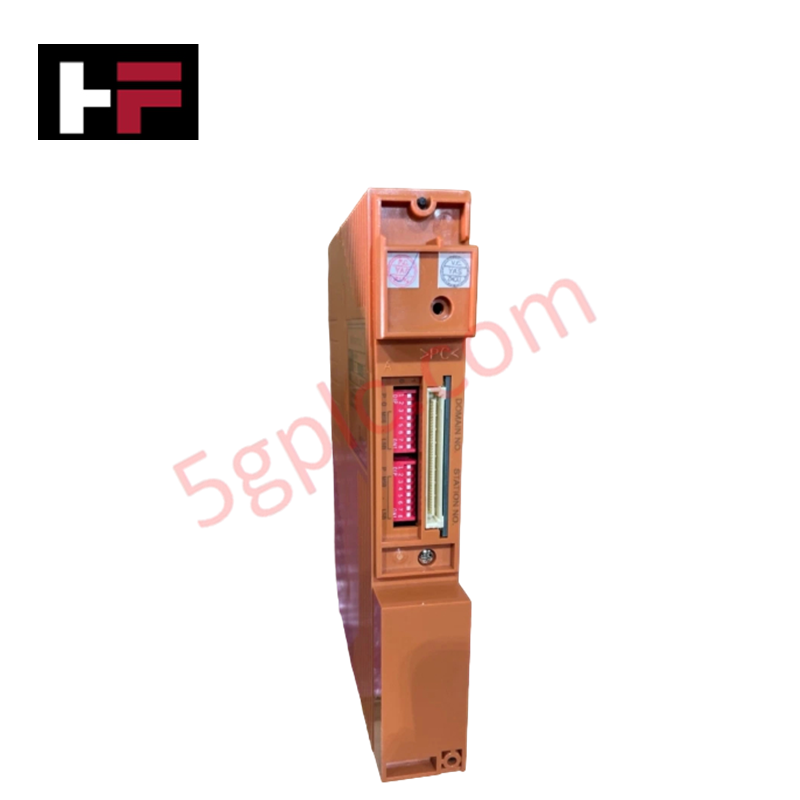
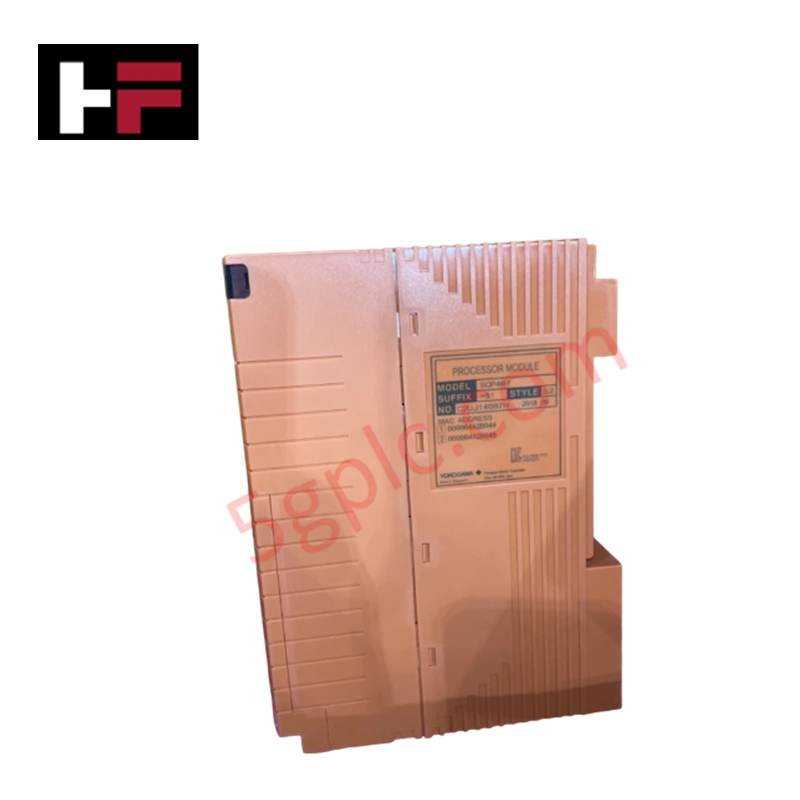
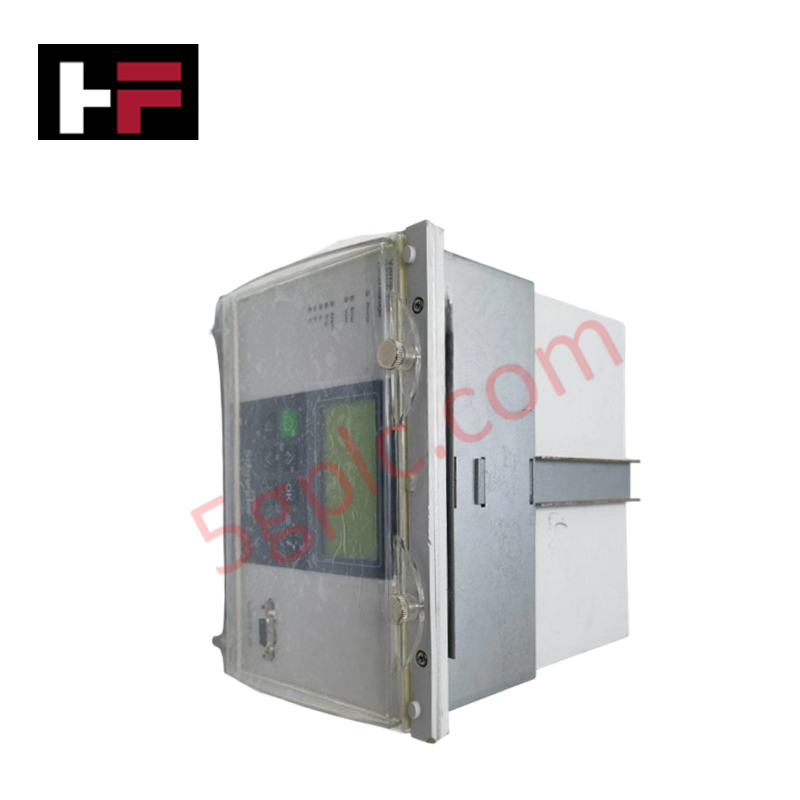
Configured for safety control program execution in ProSafe-RS safety instrumented systems, the Yokogawa SCP461-51 S2 (SCP461 Safety Control Processor Module) provides direct physical/electrical execution. It executes safety control logic stored in onboard flash memory while processing real-time signal data across dual-redundant Vnet/IP networks.
Hardware Specifications
| Parameter | Specification |
|---|---|
| Model | SCP461-51 S2 |
| Brand | Yokogawa |
| Base Model | SCP461 |
| Origin | Japan |
| Weight | 0.4 kg |
| Dimensions | 12 cm x 8 cm x 6 cm |
| Operating Temp | -20 to 60 deg C |
| Power Consumption | Passive Backplane Powered (System BUS) |
| System Platform | ProSafe-RS Safety Instrumented System (SIS) |
| Program Storage | Non-volatile Flash Memory |
| Data Storage | Non-volatile RAM (NVRAM) |
| Network Interface | Dual-Redundant Vnet/IP Control Network |
| Expansion Support | Up to 32 N-IO Nodes and 13 Secure Node Units (SNB10D) |
| Bus Interconnect | N-ESB Bus / Optical ESB Bus via Couplers (S2EN402, SEC401) |
4-20 mA HART Loop Protocol and Channel Isolation
The SCP461-51-S2 interfaces directly with field I/O nodes, processing digitized analog signals and HART pass-through data frames transferred over N-ESB and optical ESB buses. System architecture relies on galvanic channel-to-channel isolation across node cards to shield processor logic from high-voltage field spikes and ground loops. Real-time safety calculations execute across dual processor modules running in a synchronized redundancy configuration to preserve control loop timing and field signal pass-through.
Frequently Asked Questions
Q: How does the SCP461-51-S2 preserve control state data during an unannounced power outage?
A: Active system operating data is written continuously to onboard NVRAM, which retains system state without battery dependence, while application logic resides in permanent Flash memory.
Q: How is dual redundancy implemented between processor modules in a ProSafe-RS rack?
A: Redundancy requires two identical SCP461 modules running synchronously. A dedicated tracking link synchronizes execution states so the backup module assumes control instantly if the primary unit fails.
Q: What expansion nodes can be linked directly to the SCP461-51-S2 processor?
A: The processor supports connection to up to 32 N-IO nodes and 13 SNB10D Secure Node Units per Safety Control Station (SCS) using N-ESB or optical ESB bus links.
Field Installation Guidelines
- Power down the subnode backplane before inserting or seating the SCP461-51-S2 module into its primary processor slot.
- Engage the top and bottom rack retention screws hand-tight, then torque to 0.5 Nm using a flat-head torque screwdriver.
- Connect primary and secondary Vnet/IP network cables to their designated redundant RJ45/LC ports, ensuring strain relief clips lock firmly into position.
- Verify that bus coupler modules (such as S2EN402 or SEC401) are correctly seated and terminated with 110-ohm bus terminators where applicable.
- Ground the system chassis rack to a functional earth ground point with a dedicated conductor resistant to less than 1 ohm.
Additional Information
- 100% Genuine Parts: All products are original and authentic, ensuring reliable industrial performance.
- 30-Day Refund Guarantee: Return any in-stock item within 30 days in original, unopened packaging for a full refund (excluding shipping and fees).
- 12-Month Warranty: Covers defects in materials or workmanship; excludes misuse, normal wear, or unauthorized modifications.
- Worldwide Shipping: We ship via USPS, UPS, FedEx, and DHL. Delivery times vary by country and may be subject to customs or import fees.
- Support & Contact: Technical and warranty assistance is available anytime. Contact us here: Contact.
- Purchase Guidance: Check product specifications and compatibility carefully before ordering to ensure proper application.




Tech & Buying Guide
Modern Industrial Automation: Transforming Safety and Efficiency in Mining Operations
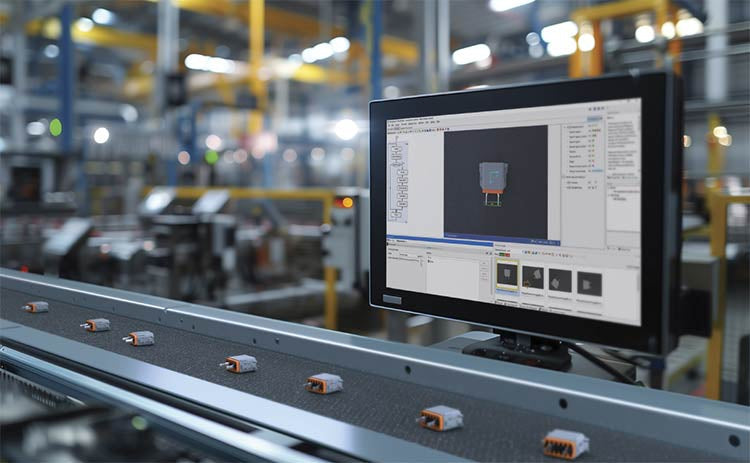
Industrial automation has evolved from a simple manufacturing tool into the operational backbone of high-risk sectors. Modern mining operations increasingly rely on advanced control systems, programmable logic controllers (PLCs), distributed control systems (DCS), and artificial intelligence to address deep-underground hazards. By replacing manual labor in high-risk zones, factory automation technologies protect personnel while significantly boosting operational throughput.

Step-by-Step System Cabinet Health Check Guide for PLC and DCS Infrastructure
