










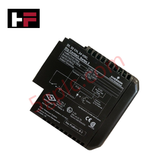
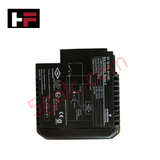
Product Details
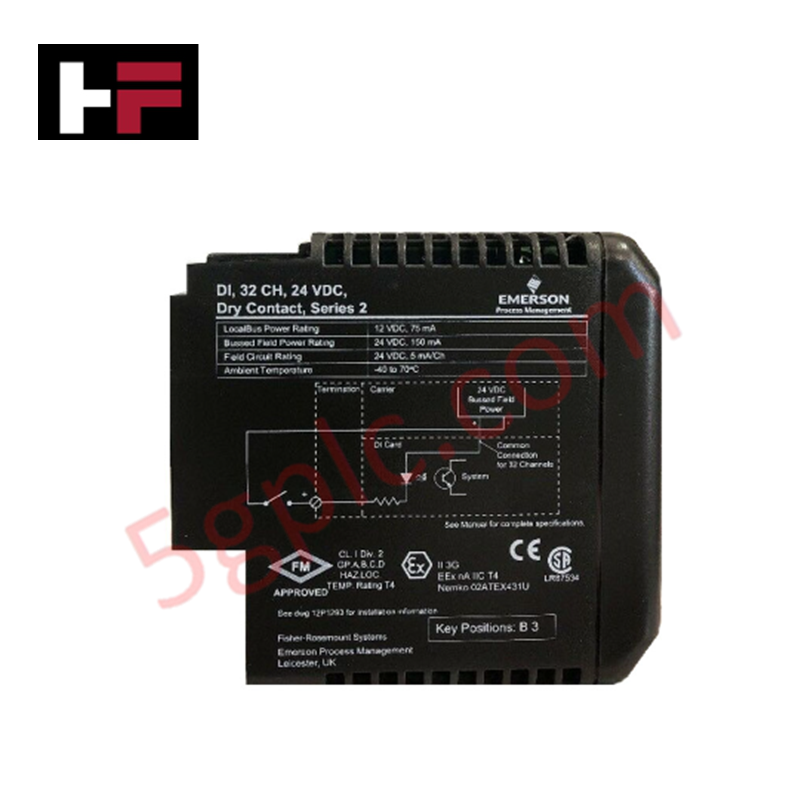
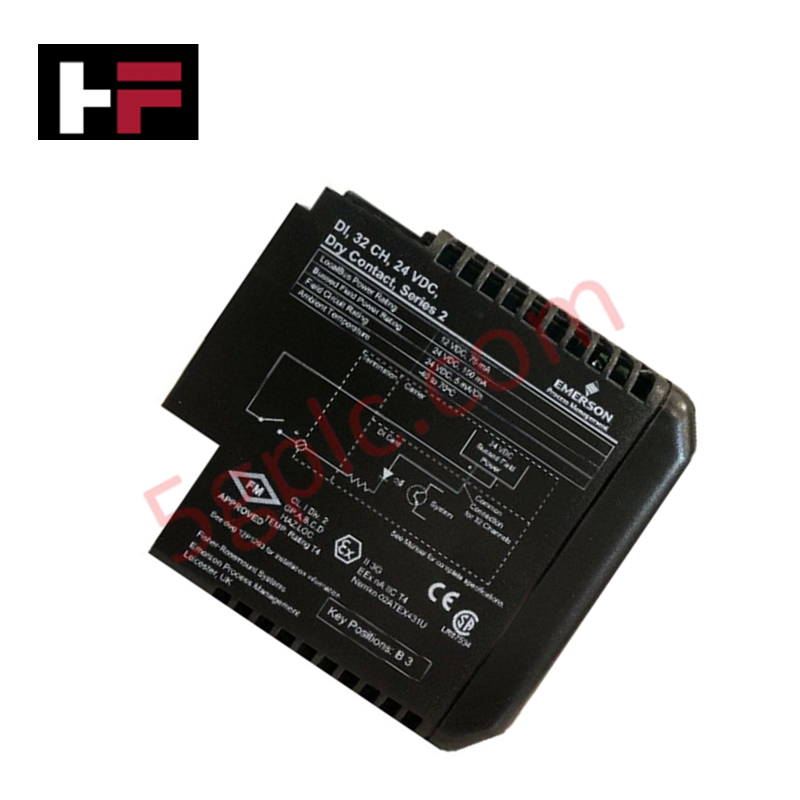
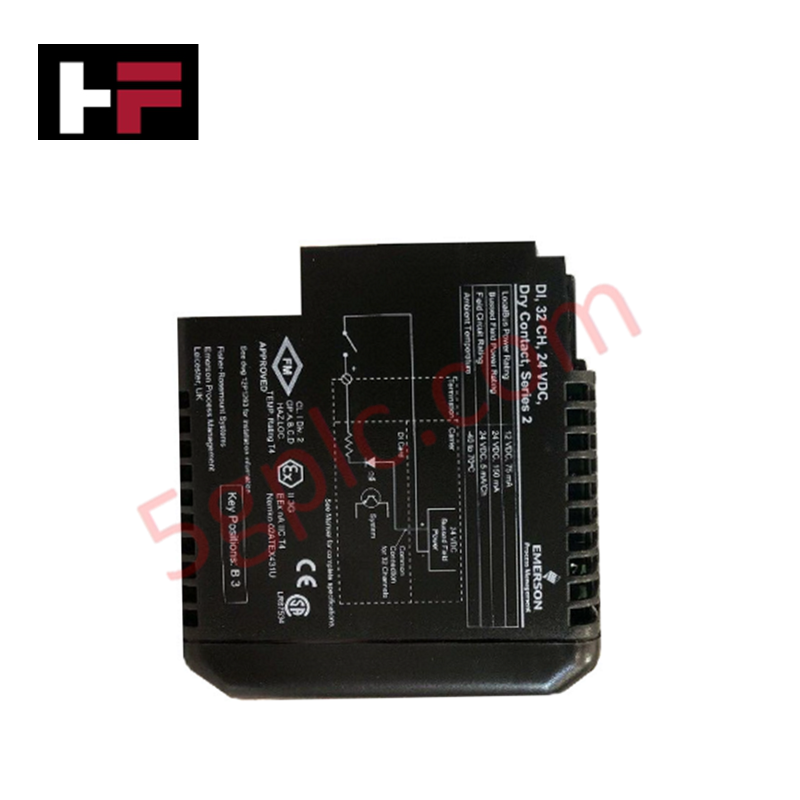
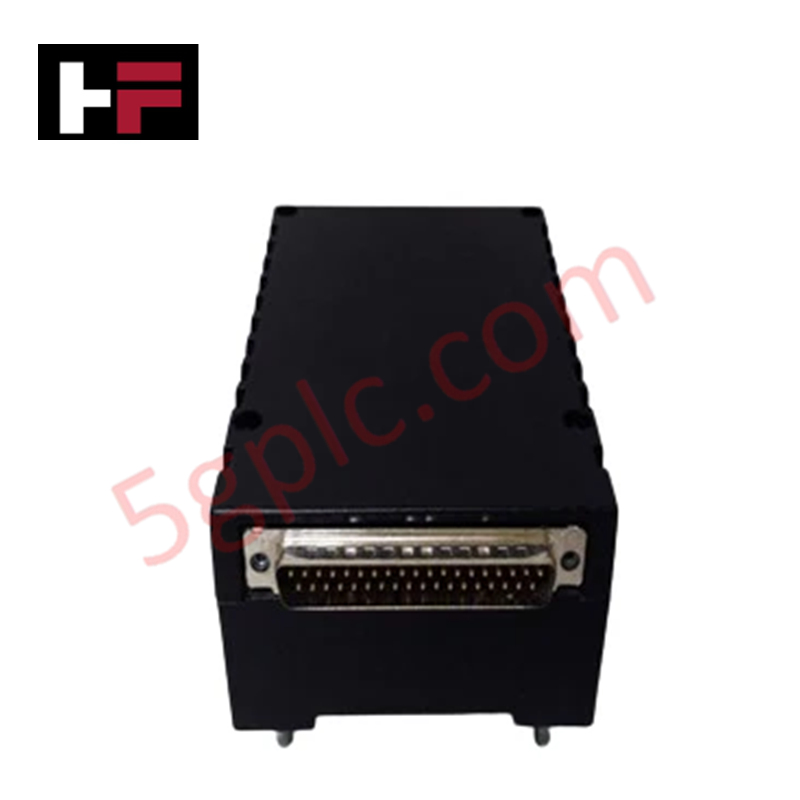
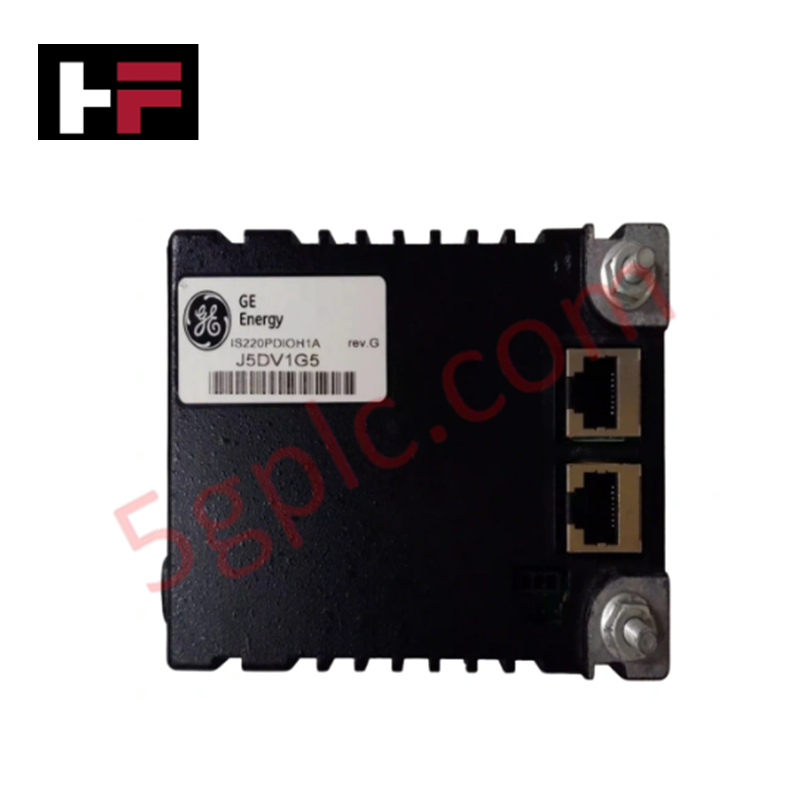
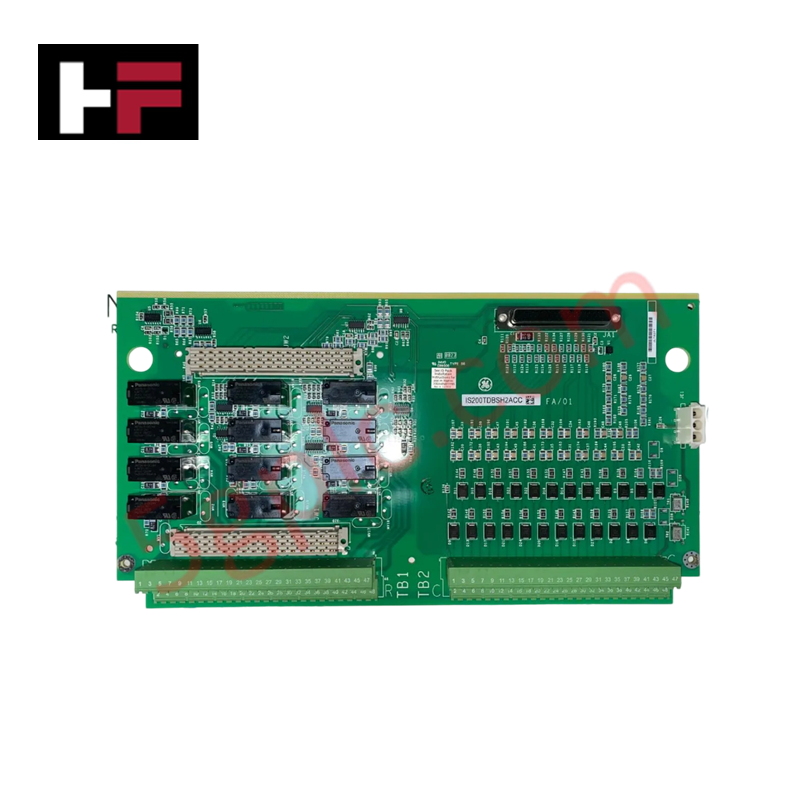
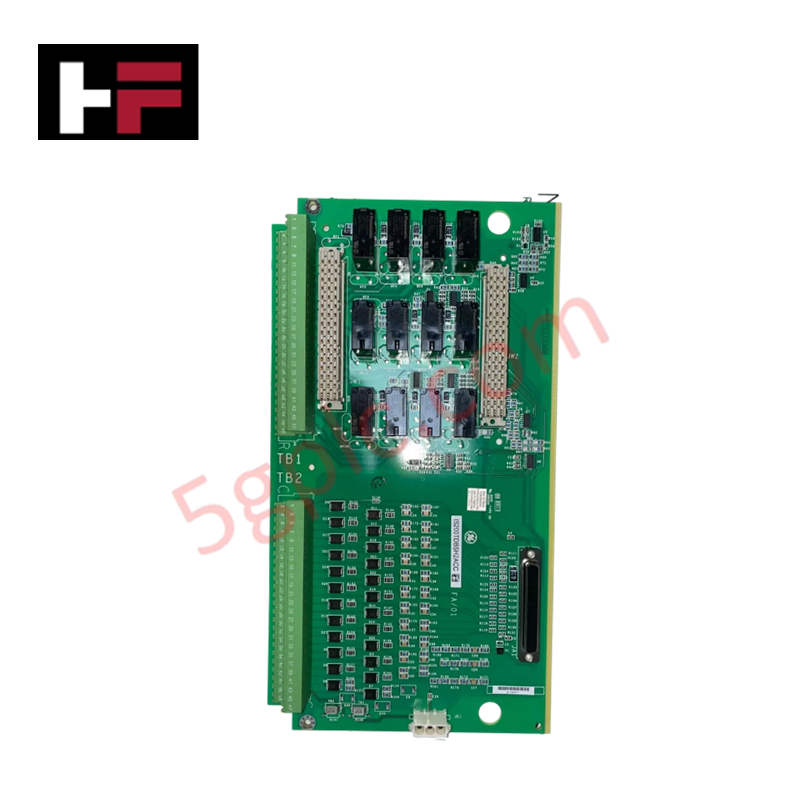
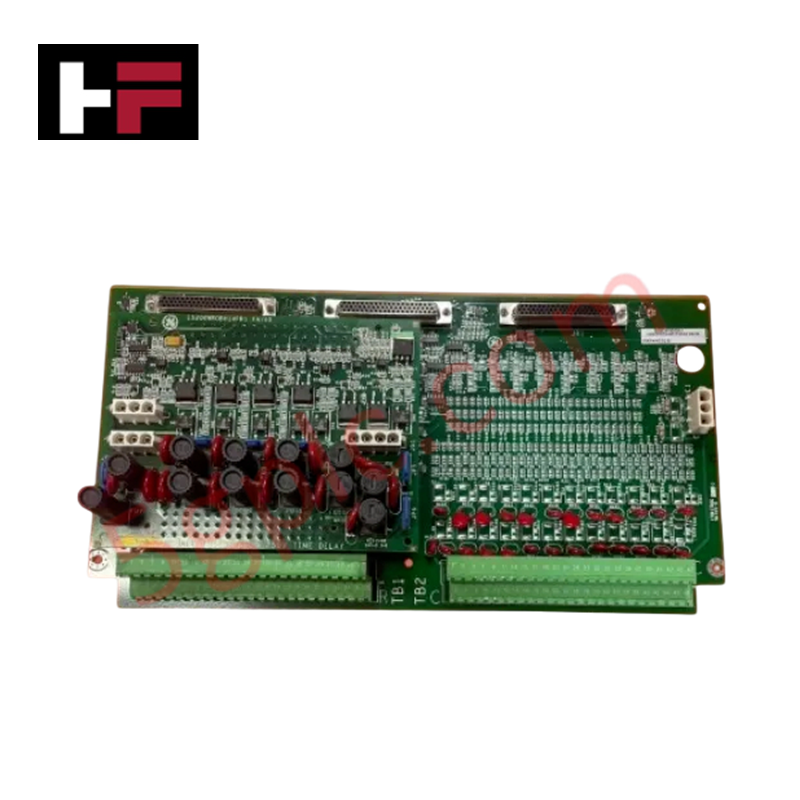
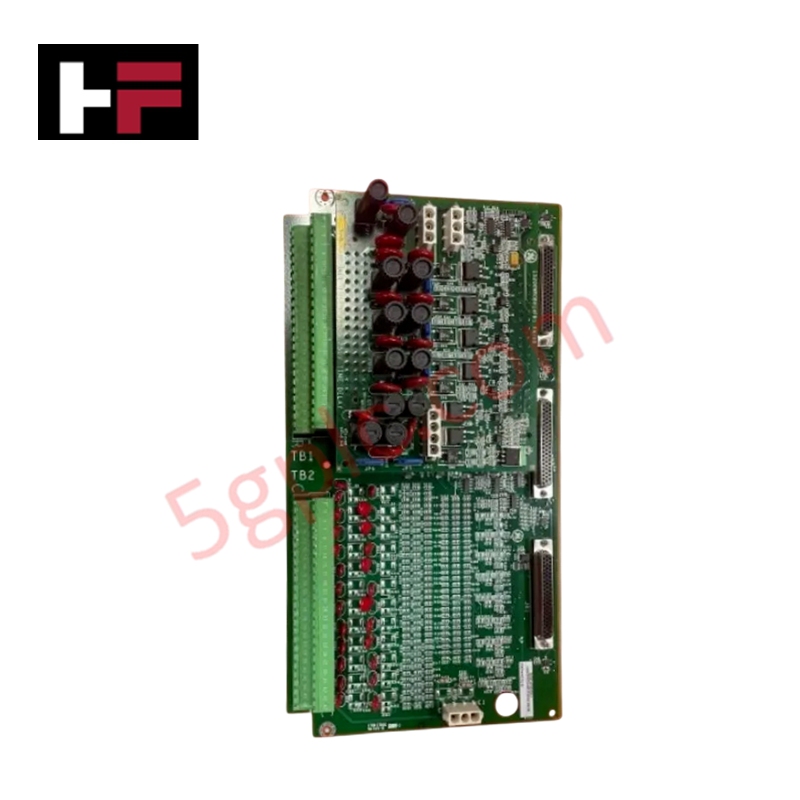
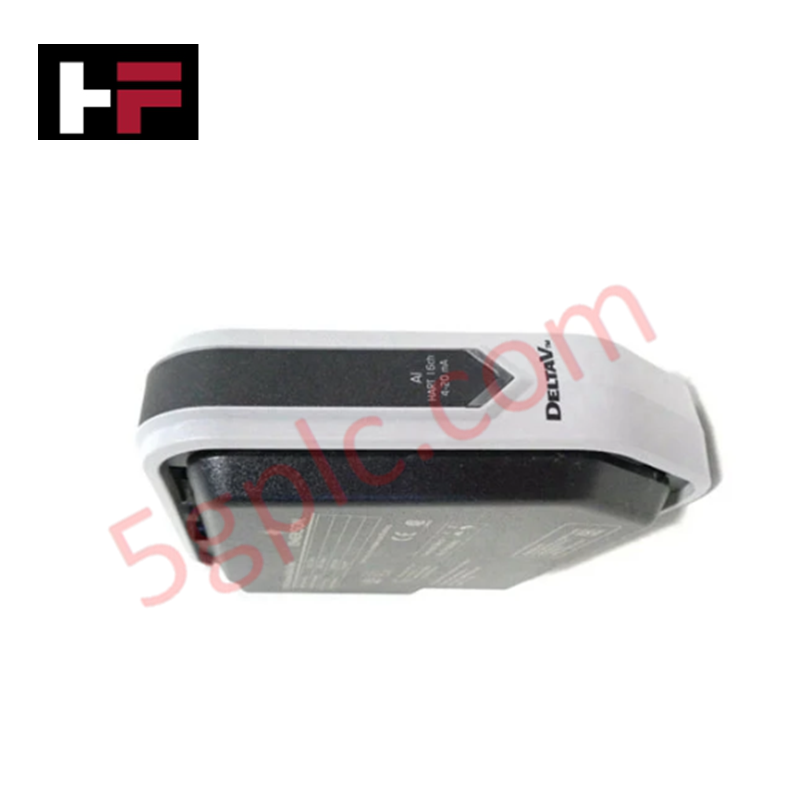
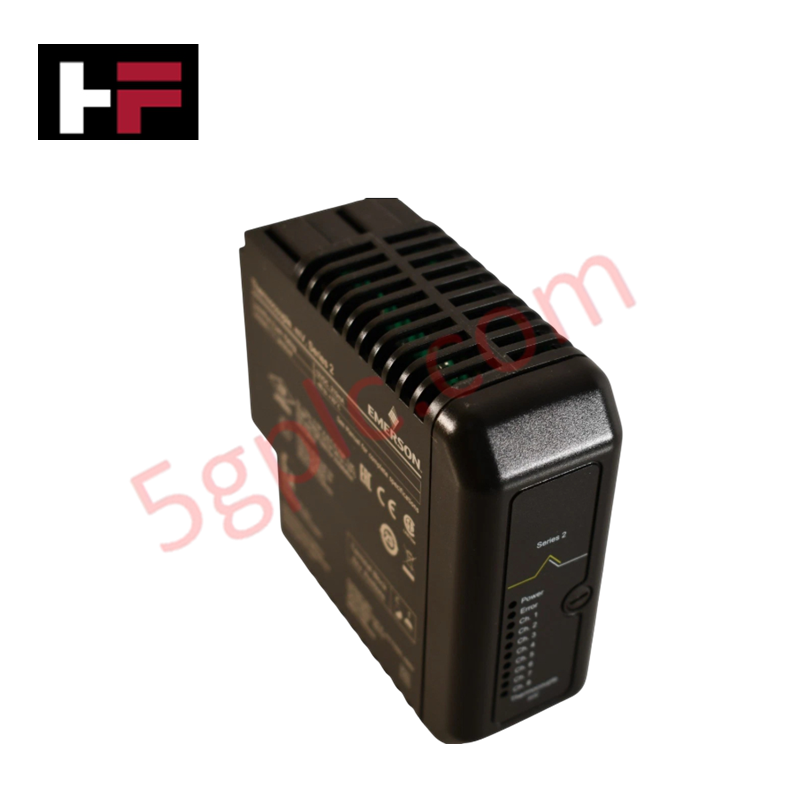
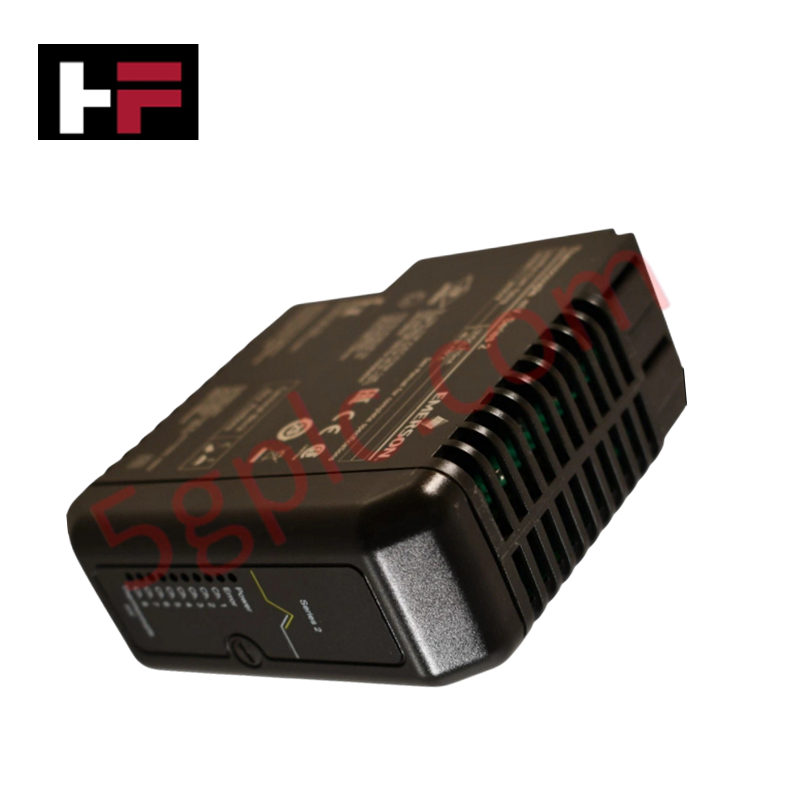
Configured for discrete signal execution in DeltaV control platforms, the Emerson VE4002S1T2B3 (VE4002S1T2B3 Discrete Output Module) provides direct physical/electrical control via 8 high-side output channels.
Hardware Specifications
| Parameter | Specification |
|---|---|
| Model | VE4002S1T2B3 |
| Brand | Emerson |
| Origin | Not specified |
| Weight | 3.00 lbs |
| Power Consumption | 24 VDC |
| Channel Count | 8 Channels |
Process Control and DCS Connectivity
The VE4002S1T2B3 module utilizes channel-to-channel isolation to prevent propagation of electrical faults between individual output circuits. This design ensures that a localized short circuit or overcurrent condition on one channel does not compromise the operational integrity of remaining channels. Integration with the DeltaV control network is managed through the I/O bus, which provides real-time status feedback for each discrete point. The architecture supports 4-20 mA HART loop protocol compatibility on associated analog channels within the same I/O subsystem, ensuring consistent field instrumentation diagnostics across the process environment.
Frequently Asked Questions
Q: Does the module support hot-swapping under power?
A: Yes, this module is designed for insertion and removal while the I/O subsystem is energized (hot-swap). Ensure the system is configured to handle the state transition of field outputs to a safe condition before removing the module from the carrier.
Q: What is the purpose of the 16-pin mass termination block?
A: The 16-pin mass termination block facilitates rapid field wiring connection to the I/O module. It serves as the physical interface for all 8 discrete output channels, allowing for efficient cable management and consistent point-to-point electrical contact.
Field Installation Guidelines
- Mounting: Install the module onto the designated I/O carrier. Ensure the carrier is properly secured to the mounting rail and the backplane connector is aligned to prevent pin damage during insertion.
- Termination: Utilize the 16-pin mass termination block for field wiring. Strip wires to the manufacturer-specified length and secure them firmly in the terminal block to ensure low-resistance electrical contact.
- Grounding: Ensure the I/O carrier is bonded to a clean earth ground to maintain signal integrity and provide a path for surge suppression.
- Verification: After installation, utilize the system engineering station to perform a loop check. Confirm that the module diagnostics report clear channel status and that field devices respond according to the commanded output state.
Additional Information
- 100% Genuine Parts: All products are original and authentic, ensuring reliable industrial performance.
- 30-Day Refund Guarantee: Return any in-stock item within 30 days in original, unopened packaging for a full refund (excluding shipping and fees).
- 12-Month Warranty: Covers defects in materials or workmanship; excludes misuse, normal wear, or unauthorized modifications.
- Worldwide Shipping: We ship via USPS, UPS, FedEx, and DHL. Delivery times vary by country and may be subject to customs or import fees.
- Support & Contact: Technical and warranty assistance is available anytime. Contact us here: Contact.
- Purchase Guidance: Check product specifications and compatibility carefully before ordering to ensure proper application.

Tech & Buying Guide
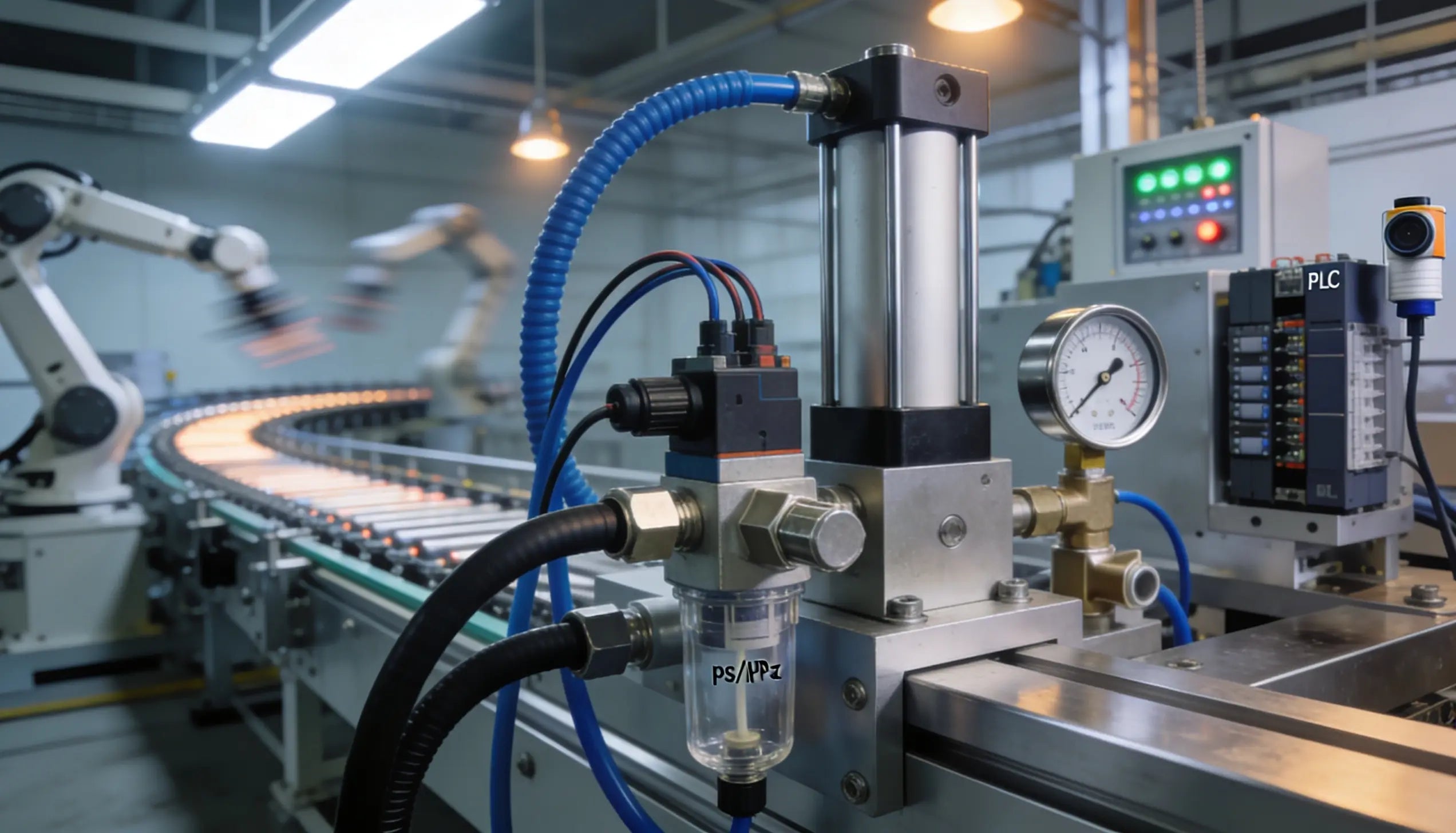
PLC vs. PAC: Navigating Selection in Modern Industrial Automation
Selecting the right controller is a fundamental decision in industrial automation. While the lines between Programmable Logic Controllers (PLC) and Programmable Automation Controllers (PAC) often blur, understanding their core architectural differences is essential for system reliability. Both controllers serve as the brain of control systems, yet their specific capabilities dictate their suitability for various factory automation tasks.
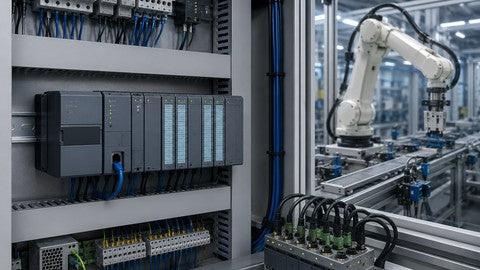
Transforming Textile Manufacturing: The Strategic Integration of Industrial Automation and AI
The textile industry stands at a critical technological crossroads. Legacy operations must now embrace digital transformation to remain competitive in a global market. By integrating advanced industrial automation—ranging from PLC-controlled machinery to sophisticated AI-driven analytics—manufacturers can significantly boost productivity, minimize material waste, and elevate overall product quality.
Navigating Industrial Communication Protocols: A Technical Guide for Modern PLCs
In the realm of industrial automation, the Programmable Logic Controller (PLC) serves as the brain of the factory floor. However, its true power is unlocked through robust communication protocols. These digital pathways ensure seamless data exchange between controllers, sensors, and enterprise-level management systems.