








Product Details
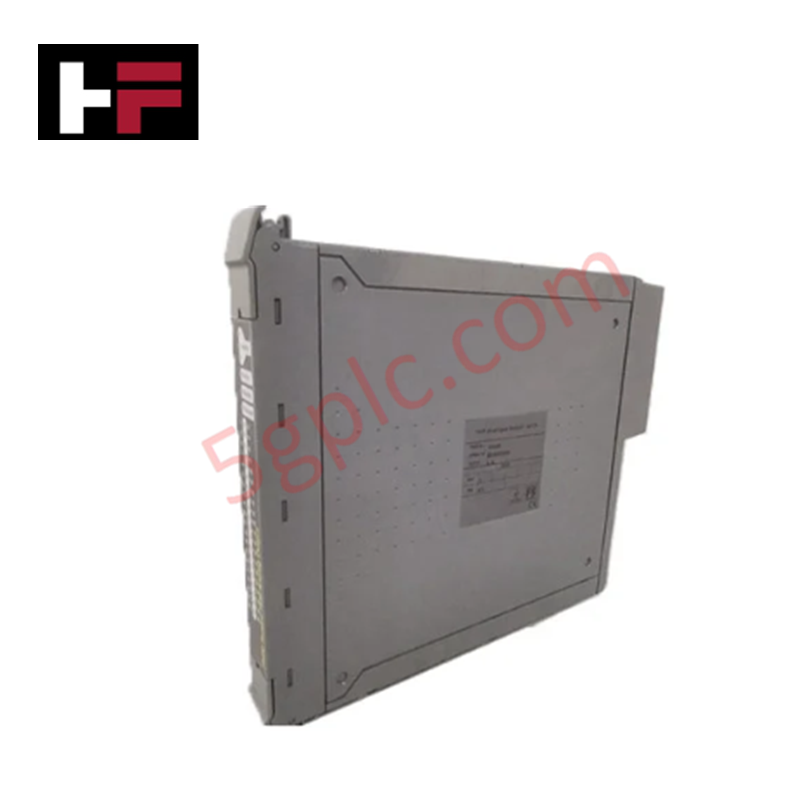
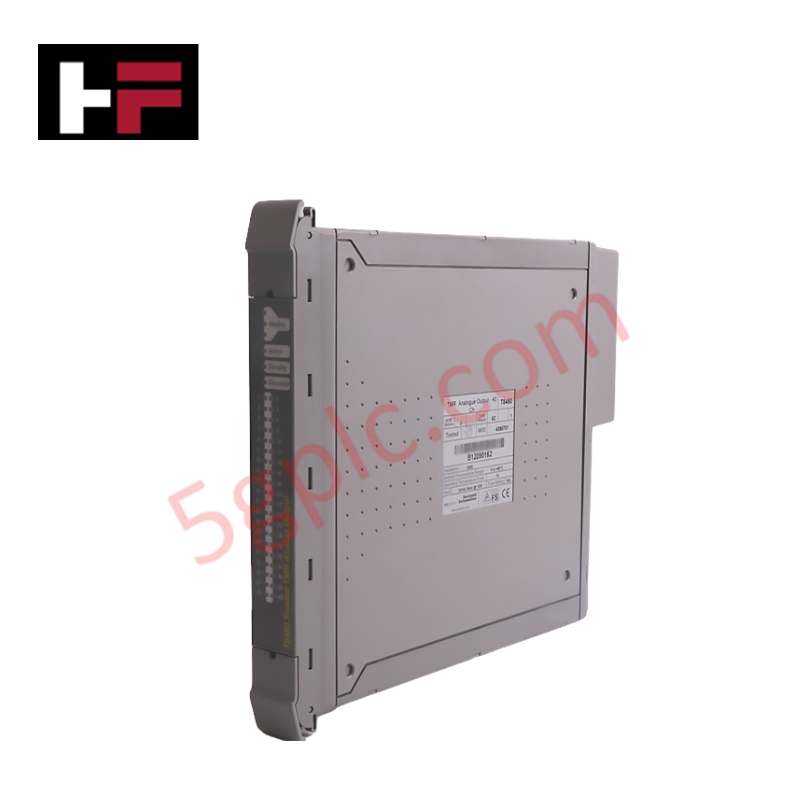
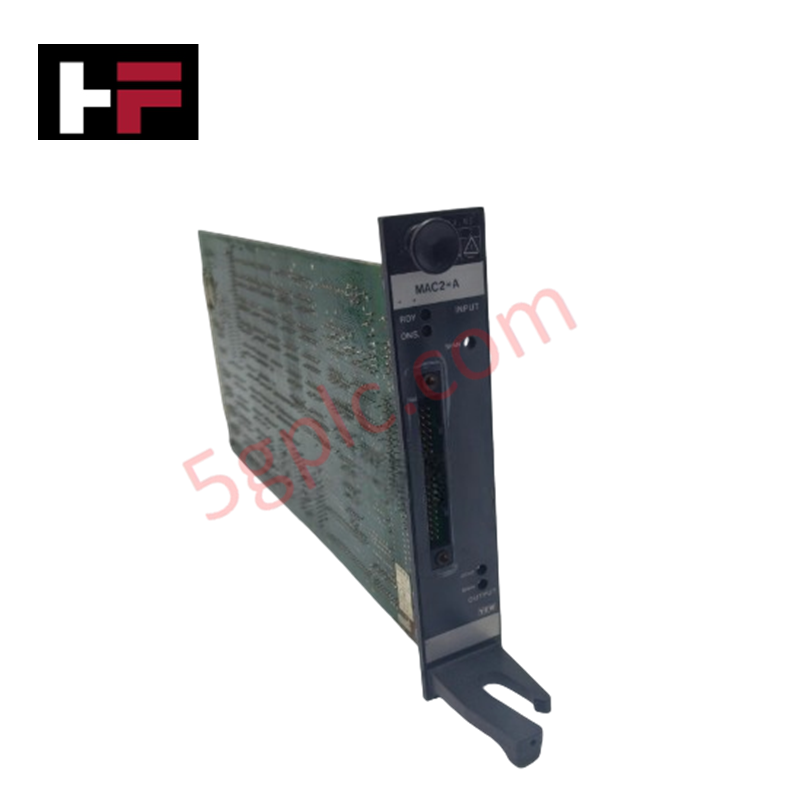
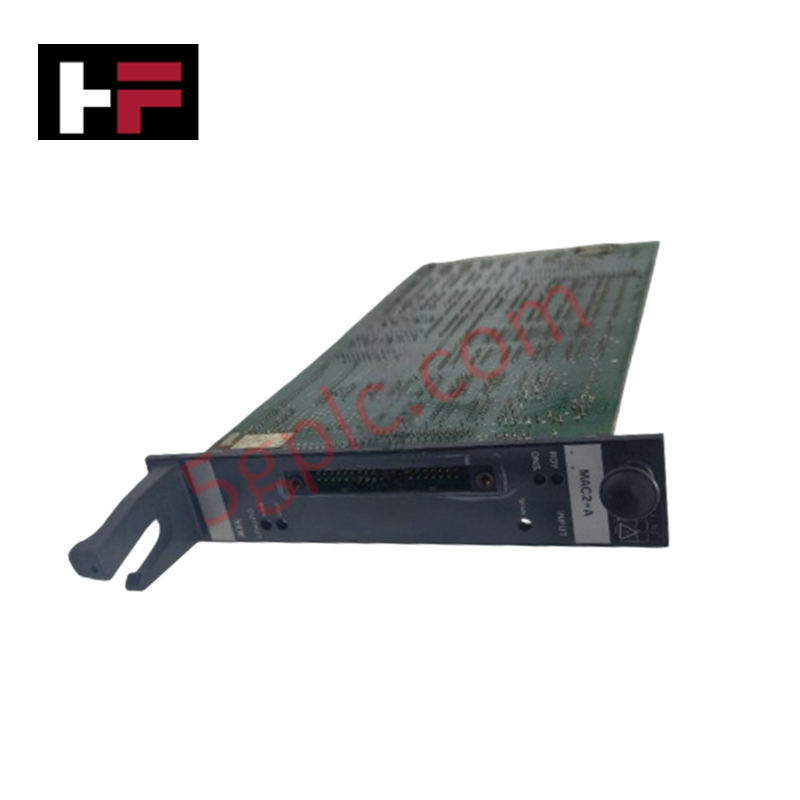
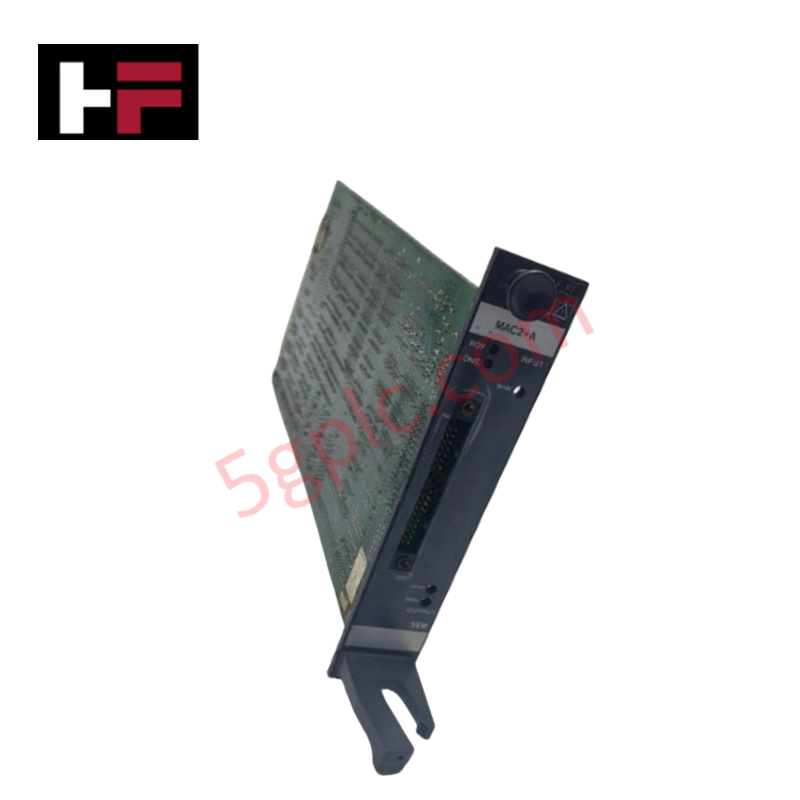
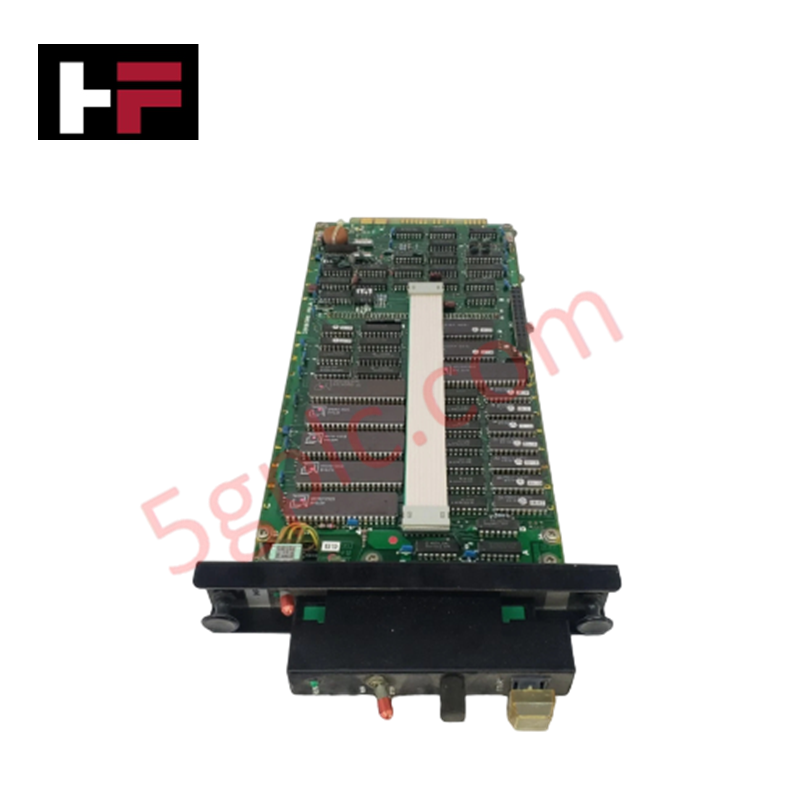
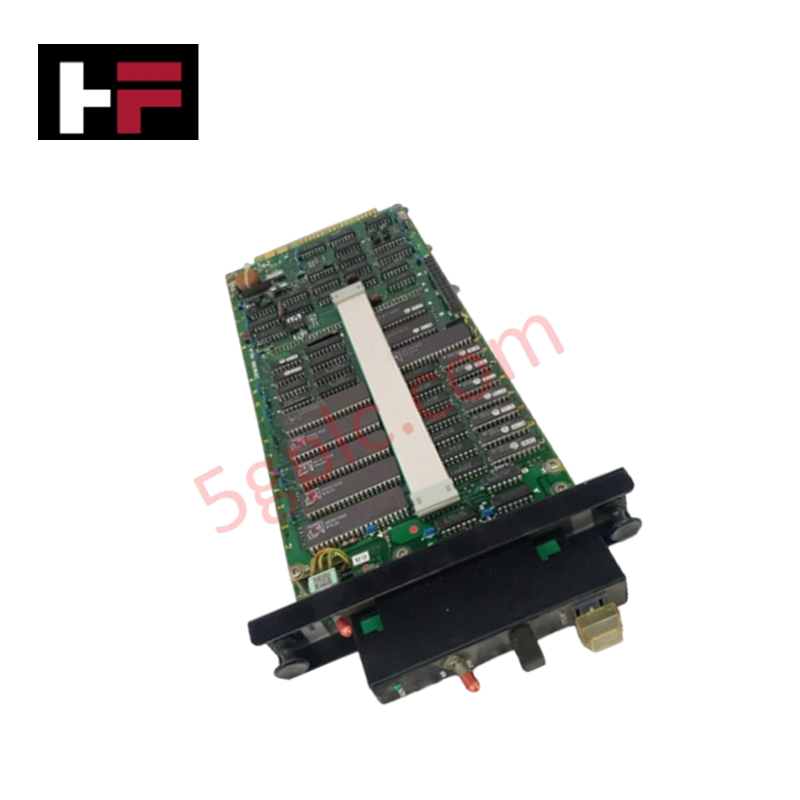
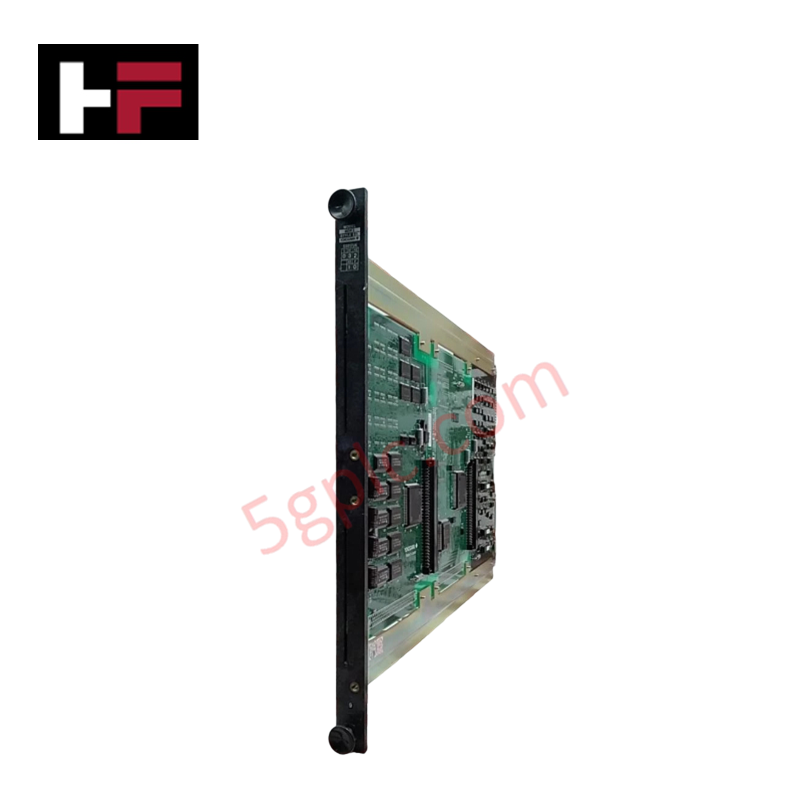
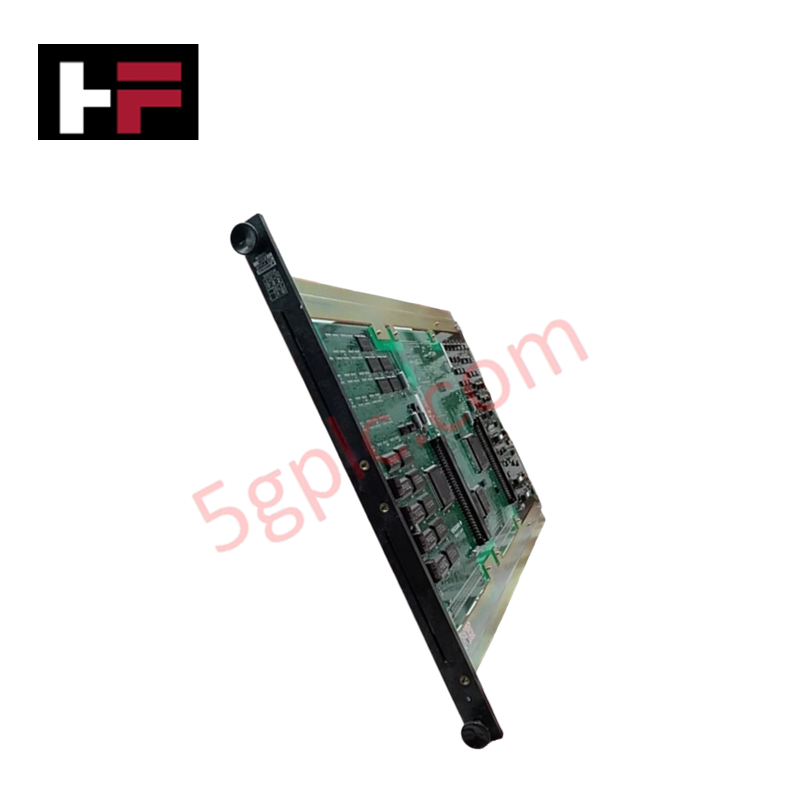
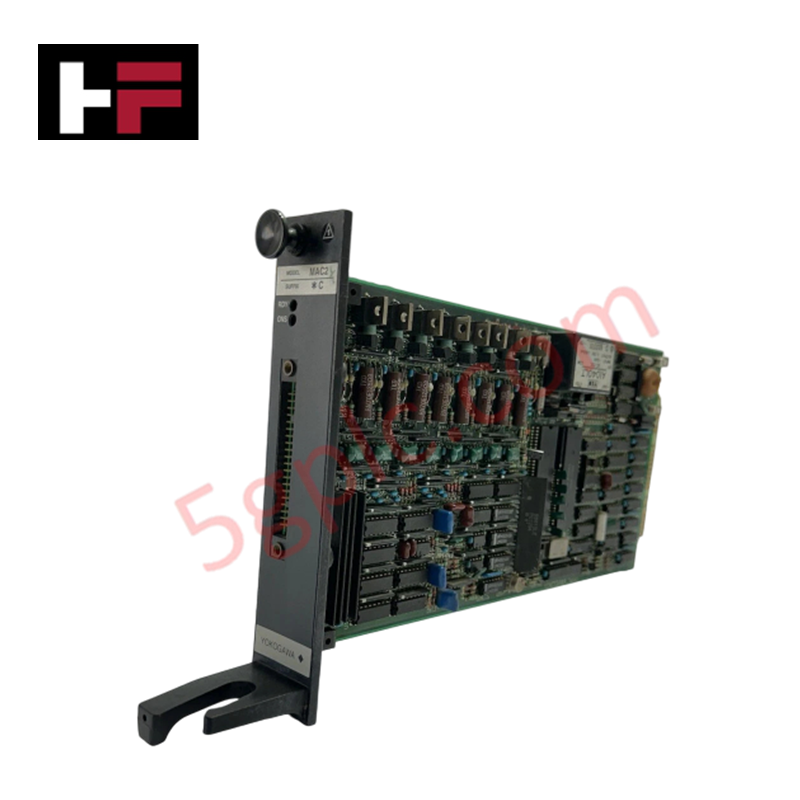
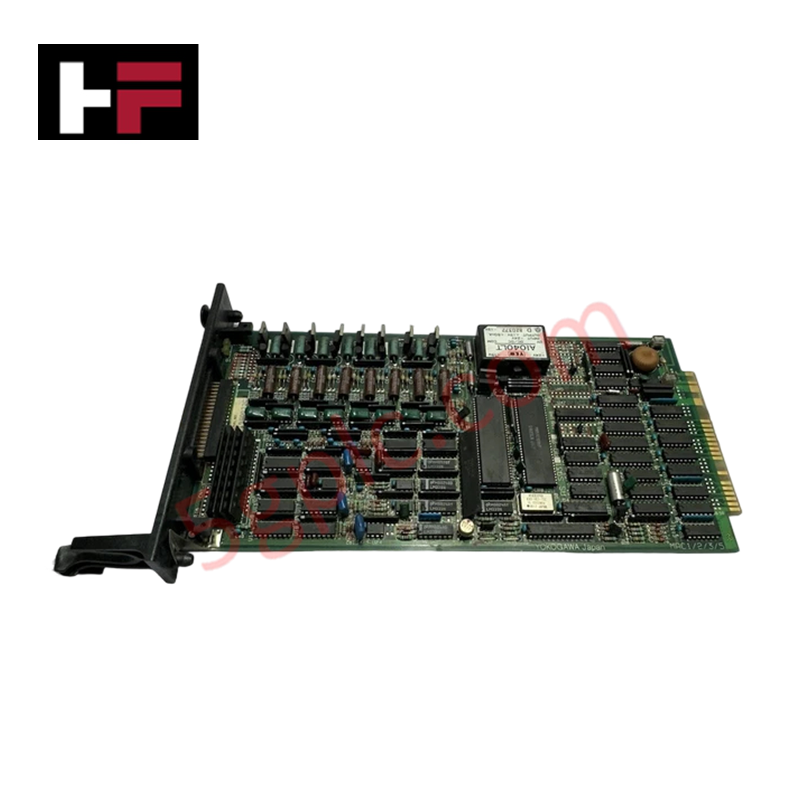
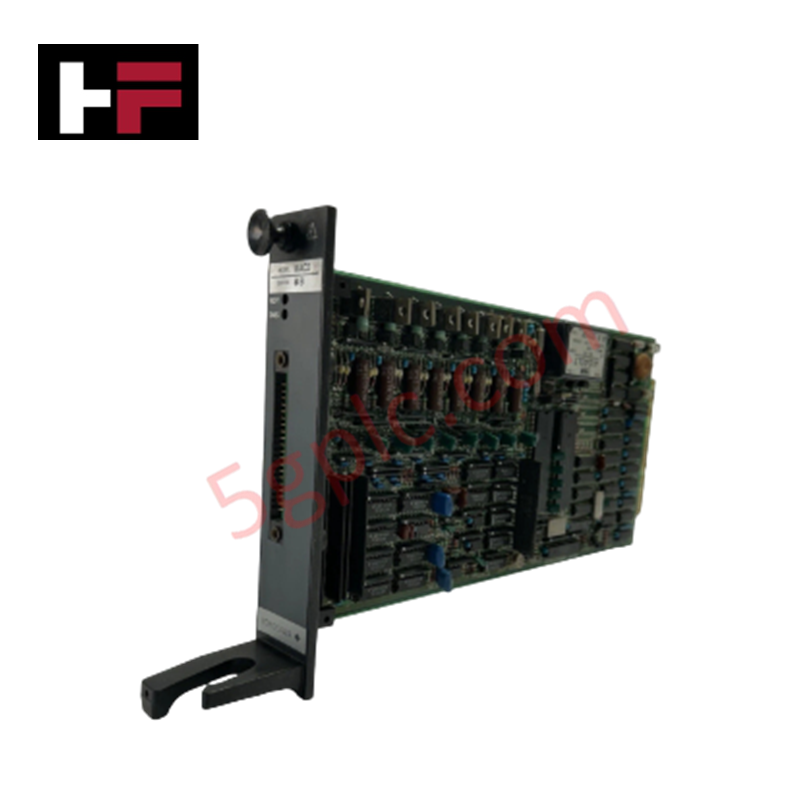
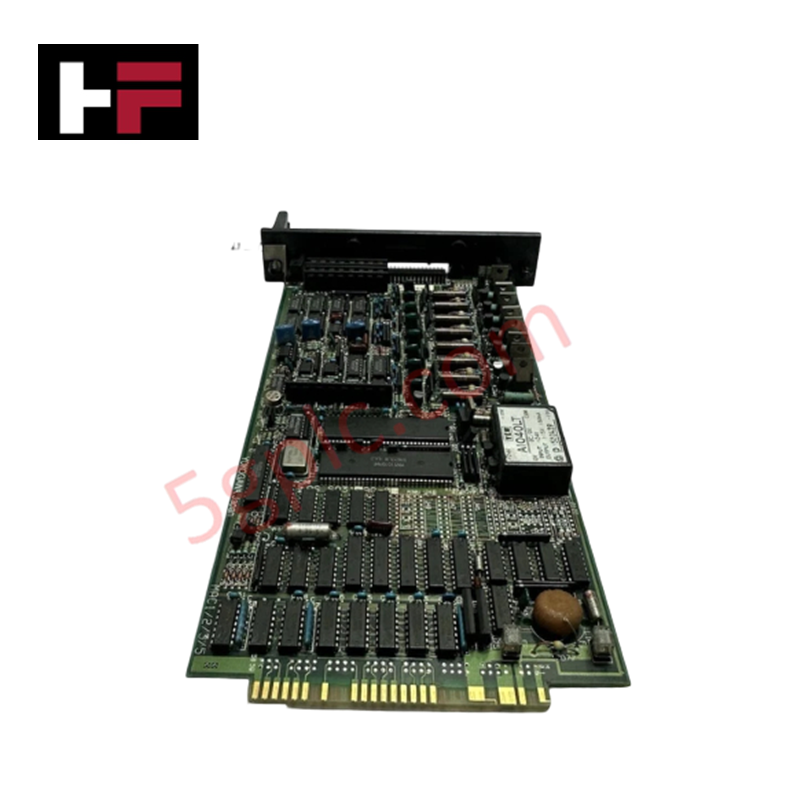
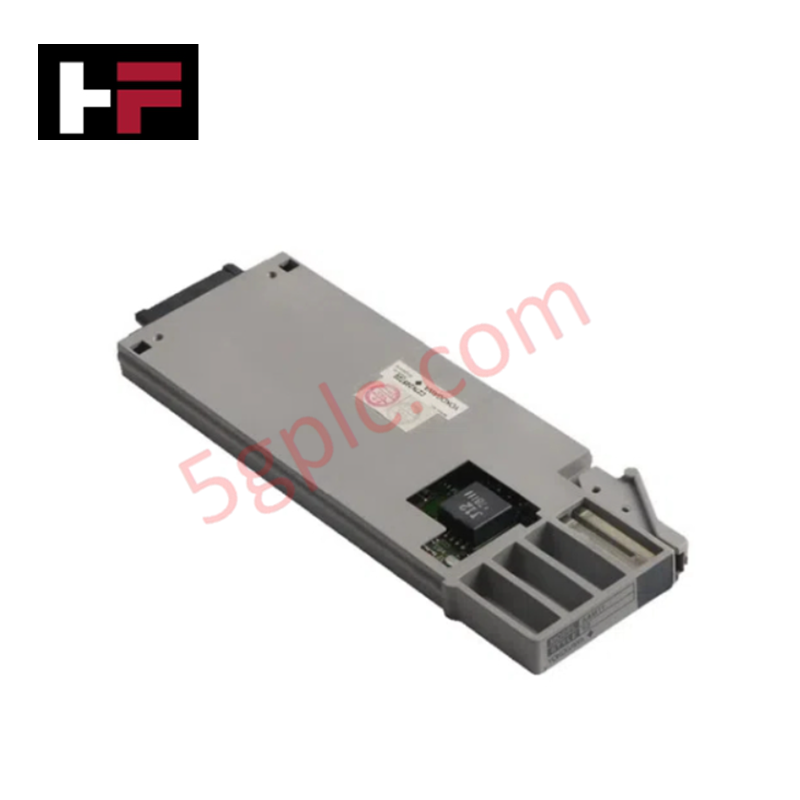
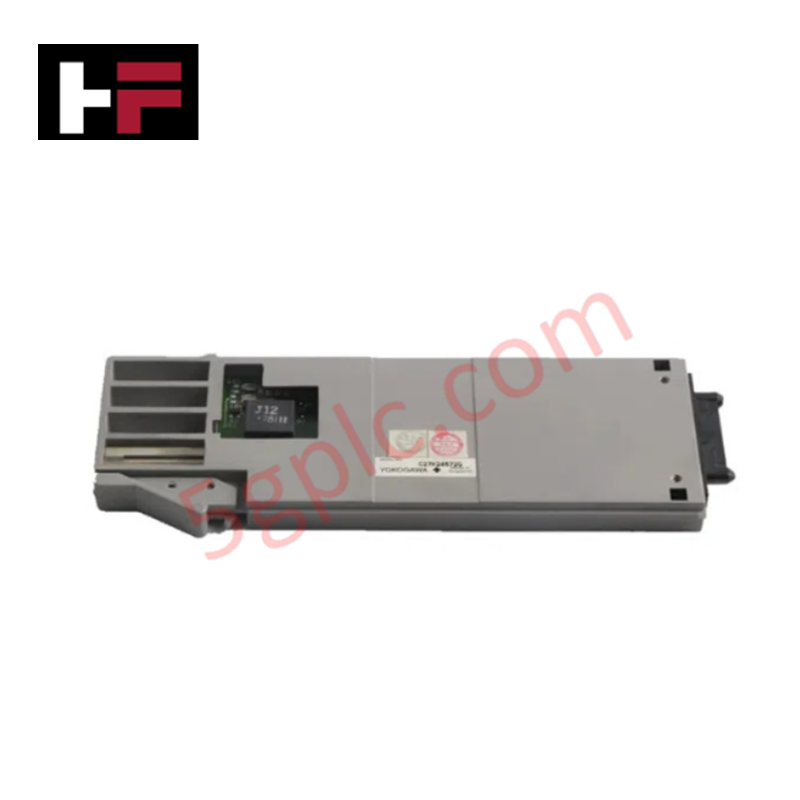
The Yokogawa MAC2*A, also cataloged as the MAC2 Multipoint Analog Control Card, operates as a dedicated hardware component for multi-loop analog signal conditioning and process variable control within Yokogawa CENTUM DCS platforms.
Suffix Breakdown & Model Matrix
| Code Element | Specification / Description |
|---|---|
| MAC2 | Base model designation for multipoint analog control card series |
| *A | Style code Revision A specifying terminal interface layout and hardware revision |
Hardware Specifications
| Parameter | Specification |
|---|---|
| Model | MAC2*A |
| Brand | Yokogawa |
| Origin | Japan |
| Weight | 0.694 kg |
| Dimensions | Standard CENTUM nest card format |
| Operating Temp | 0 deg C to 50 deg C |
| Power Consumption | 24 VDC +/-10% |
| Product Type | Multipoint Analog I/O Control Card |
| System Compatibility | Yokogawa CENTUM DCS Series |
| Core Functionality | Independent multi-loop process control |
| Field Interface | System Bus Connector and M4 Screw Terminals (via nest) |
Channel-to-Channel Isolation and DCS Process Loop Control
The MAC2*A analog control card routes multiple independent process control loops across the CENTUM DCS system backplane. Designed with channel-to-channel isolation across signal lines, the module mitigates common-mode electrical noise and prevents ground potential loop currents between field transmitters and control logic. The hardware conditions 4-20 mA HART loop protocol signals and analog process inputs—such as temperature, flow, and pressure variables—translating physical field measurements into synchronized digital values for continuous DCS loop execution.
Frequently Asked Questions
Q: What physical interfaces handle system and field connections on the MAC2*A card?
A: Field signal wiring connects through M4 screw terminals on the mounting nest assembly, while system-level backplane communication is established through the integrated system bus connector.
Q: How does the MAC2*A card suppress electrical noise across adjacent analog control loops?
A: Galvanic channel-to-channel isolation barriers decouple individual control loop circuits, preventing ground potential differentials and cross-channel electrical interference.
Q: What is the input voltage tolerance for powering the MAC2*A module?
A: The card operates from a nominal 24 VDC power supply with an acceptable input voltage fluctuation range of +/-10% (21.6 VDC to 26.4 VDC).
Field Installation Guidelines
- Card Insertion: Slide the MAC2*A card along the guide rails of the designated CENTUM card nest slot. Seat the backplane bus connector firmly into the backplane socket and secure retaining fasteners.
- Terminal Termination: Connect field instrument wiring to the M4 screw terminals on the nest terminal block. Tighten terminal screws to standard engineering torque (0.8 to 1.2 N-m) to prevent loose contact under cabinet vibration.
- Shielding Practices: Ground signal cable shield drain wires at the cabinet functional earth (FE) bus bar at a single termination point. Do not connect shields to both the field device chassis and the DCS terminal block.
- Supply Voltage Check: Measure the 24 VDC power supply output under load to confirm voltage levels remain within the 21.6 VDC to 26.4 VDC range prior to loop commissioning.
Additional Information
- 100% Genuine Parts: All products are original and authentic, ensuring reliable industrial performance.
- 30-Day Refund Guarantee: Return any in-stock item within 30 days in original, unopened packaging for a full refund (excluding shipping and fees).
- 12-Month Warranty: Covers defects in materials or workmanship; excludes misuse, normal wear, or unauthorized modifications.
- Worldwide Shipping: We ship via USPS, UPS, FedEx, and DHL. Delivery times vary by country and may be subject to customs or import fees.
- Support & Contact: Technical and warranty assistance is available anytime. Contact us here: Contact.
- Purchase Guidance: Check product specifications and compatibility carefully before ordering to ensure proper application.
Tech & Buying Guide

Demystifying Signal Isolators: Operating Principles, Architectural Types, and Industrial Applications
Industrial automation systems rely on pristine analog signal transmission across complex control loops. Instrument technicians and system integrators frequently deploy signal isolators to maintain signal integrity between field sensors and control platforms. Eliminating electrical noise, ground loops, and high-voltage transients protects delicate PLC, DCS, and SCADA input channels from permanent damage.
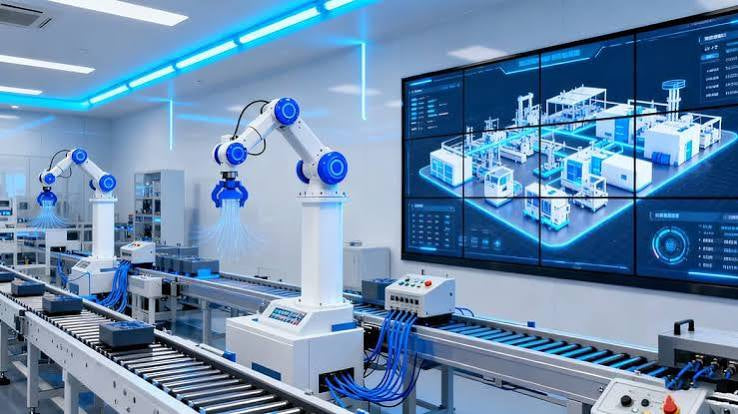
Demystifying Industrial Control Systems: Comparing PLC, DCS, RTU, SCADA, and PAC
Modern factory automation relies on distinct control architectures to manage complex process environments efficiently. Control engineers often evaluate PLC, DCS, RTU, SCADA, and PAC platforms when designing industrial infrastructure. Understanding the functional boundaries of each technology ensures optimal system performance, high availability, and long-term cost efficiency.

Evaluating Industrial Automation: Architectural Benefits and Operational Challenges
Modern manufacturing relies heavily on advanced industrial automation to streamline production cycles and maintain precise process execution. Automated control systems, programmable logic controllers (PLCs), and distributed control systems (DCS) replace repetitive manual intervention on shop floors. Evaluating the balance between operational gains and capital investment remains essential for engineering leaders planning smart factory upgrades.