








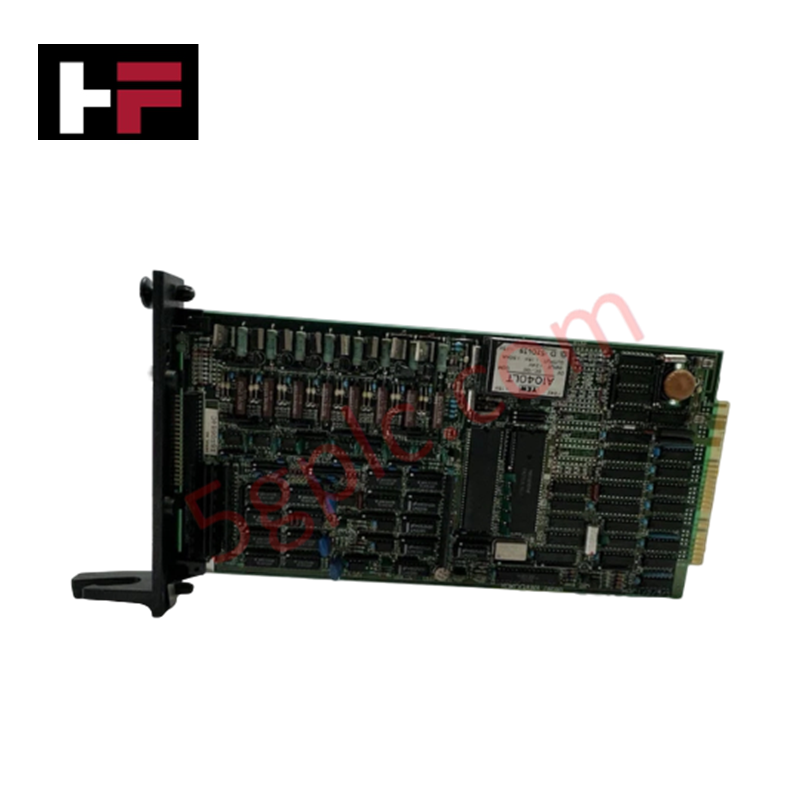
Product Details
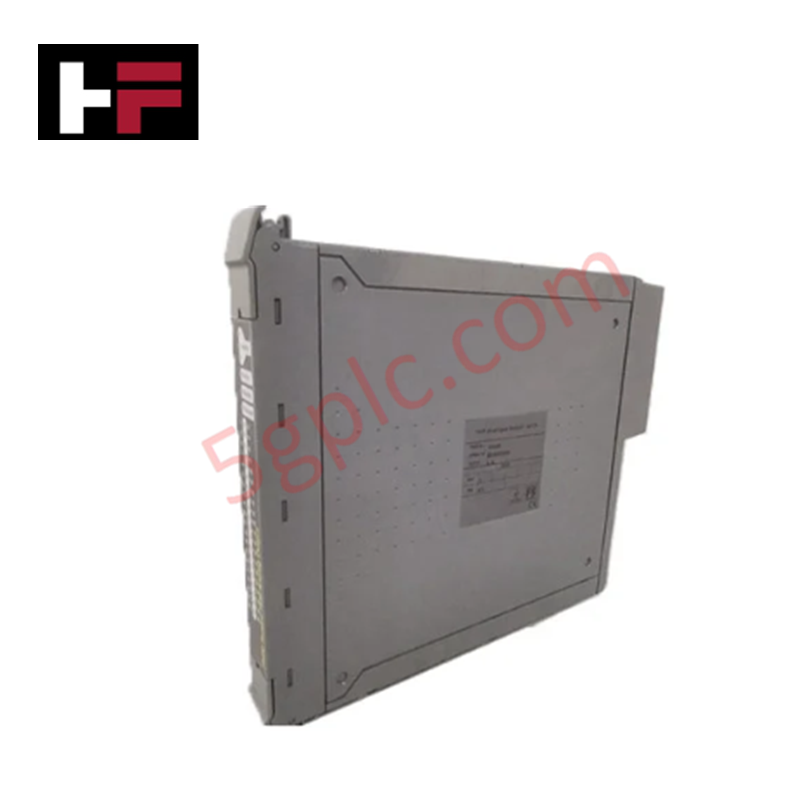
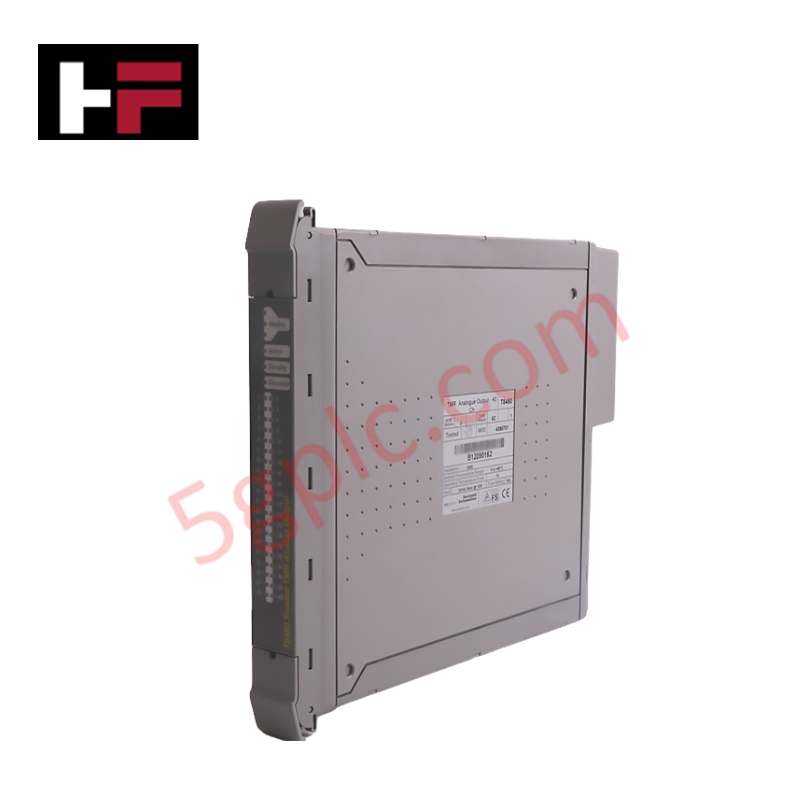
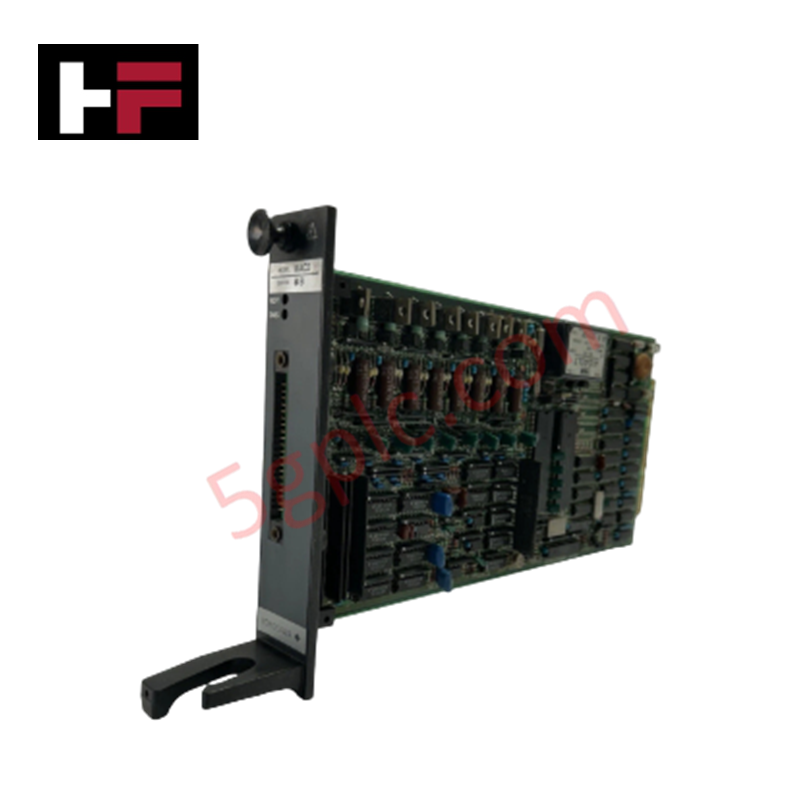
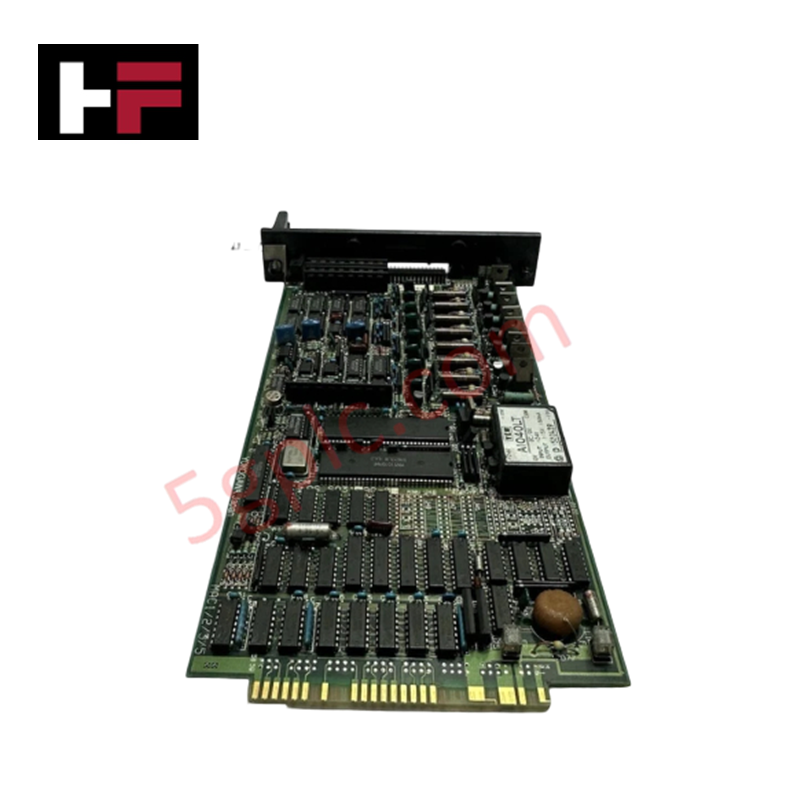
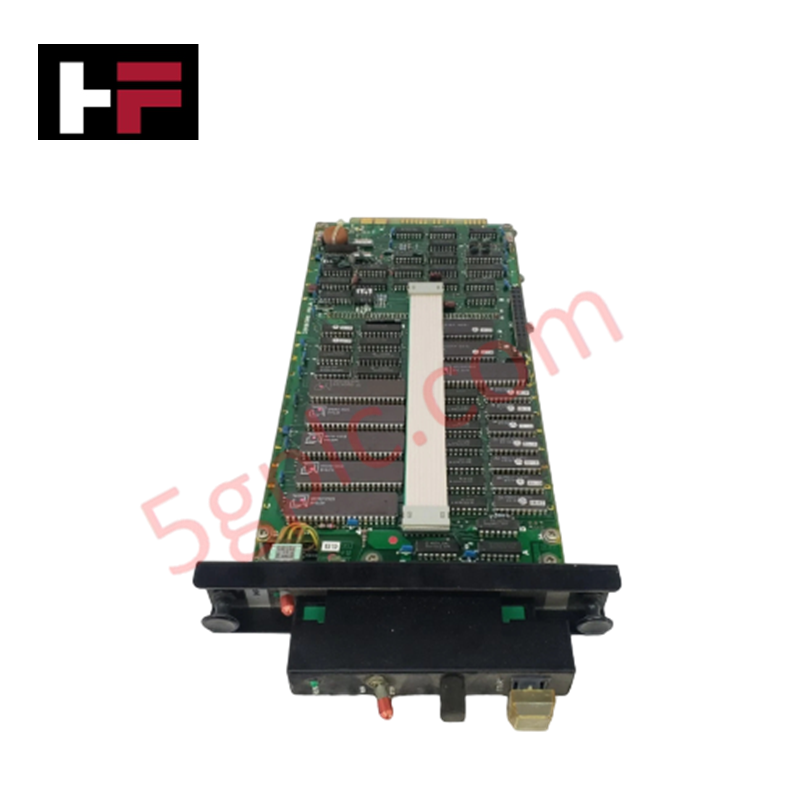
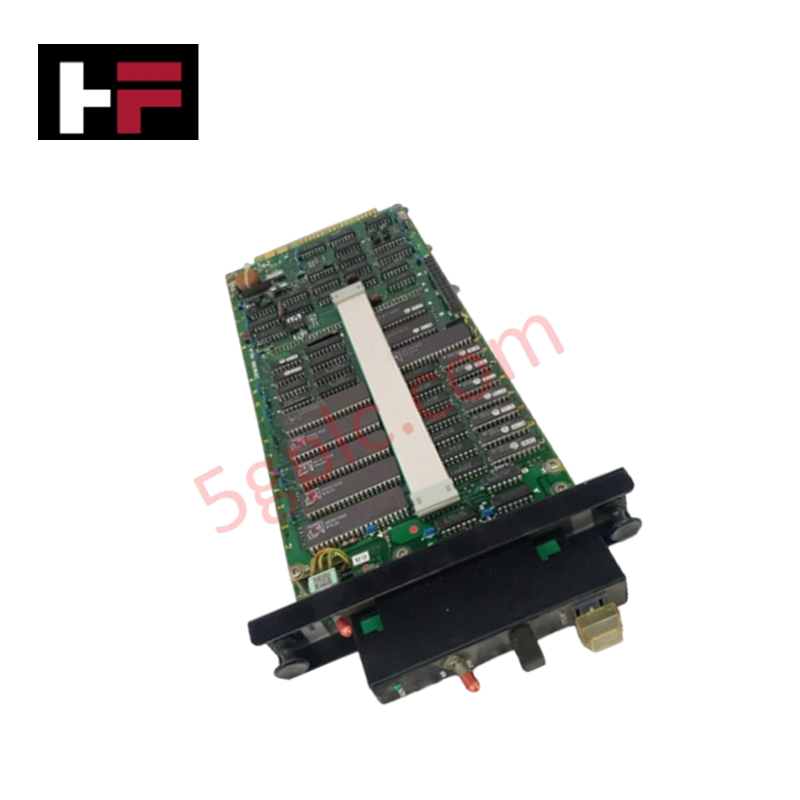
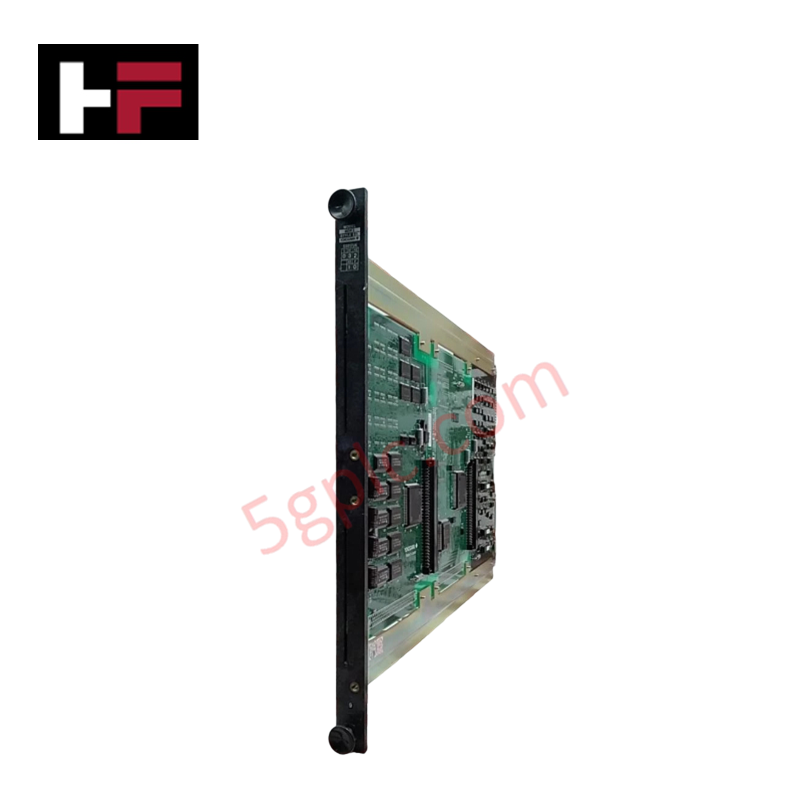
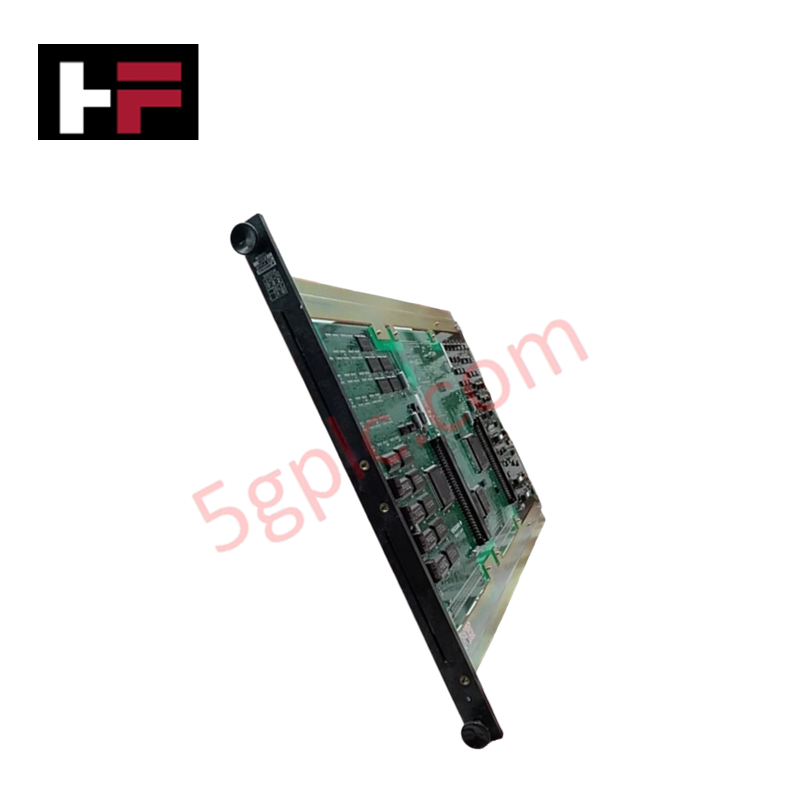
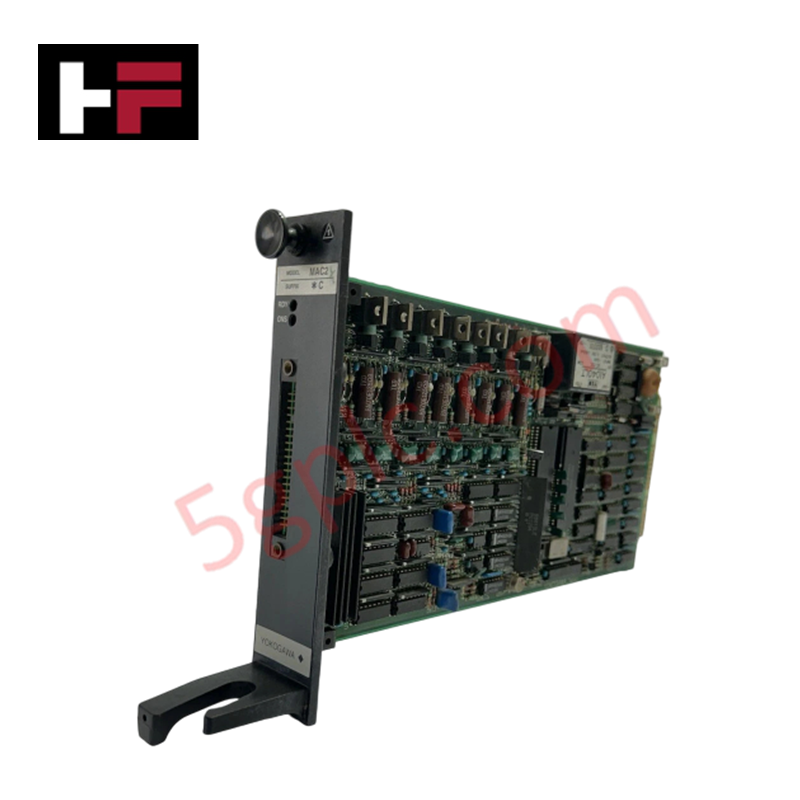
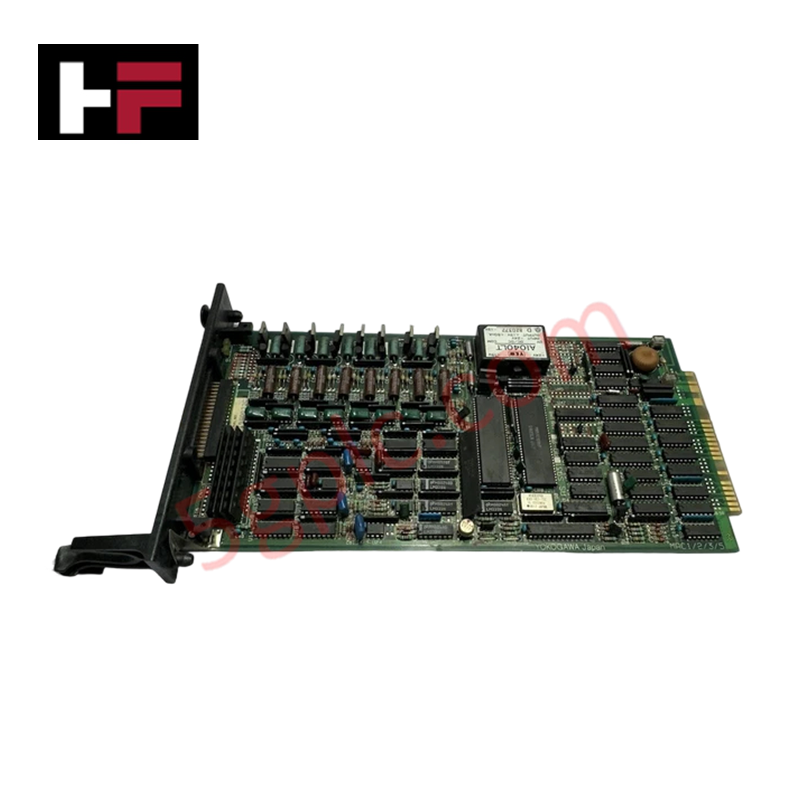
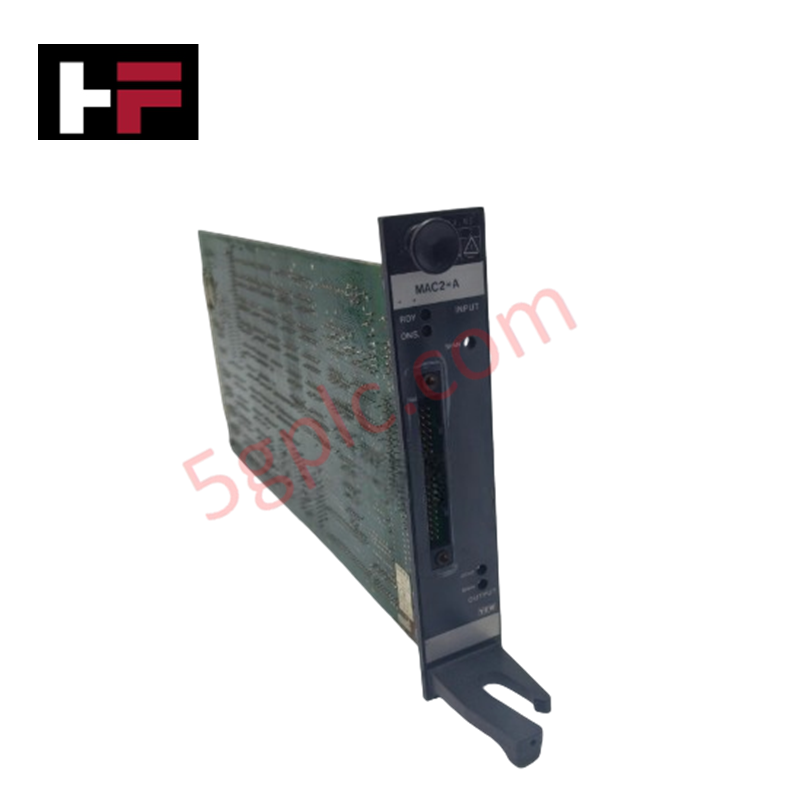
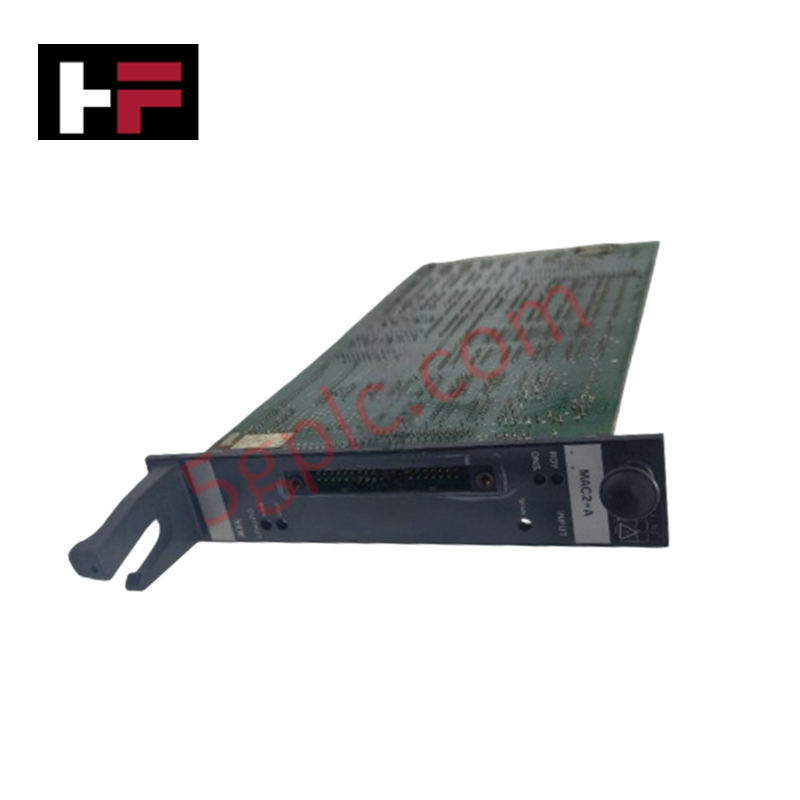
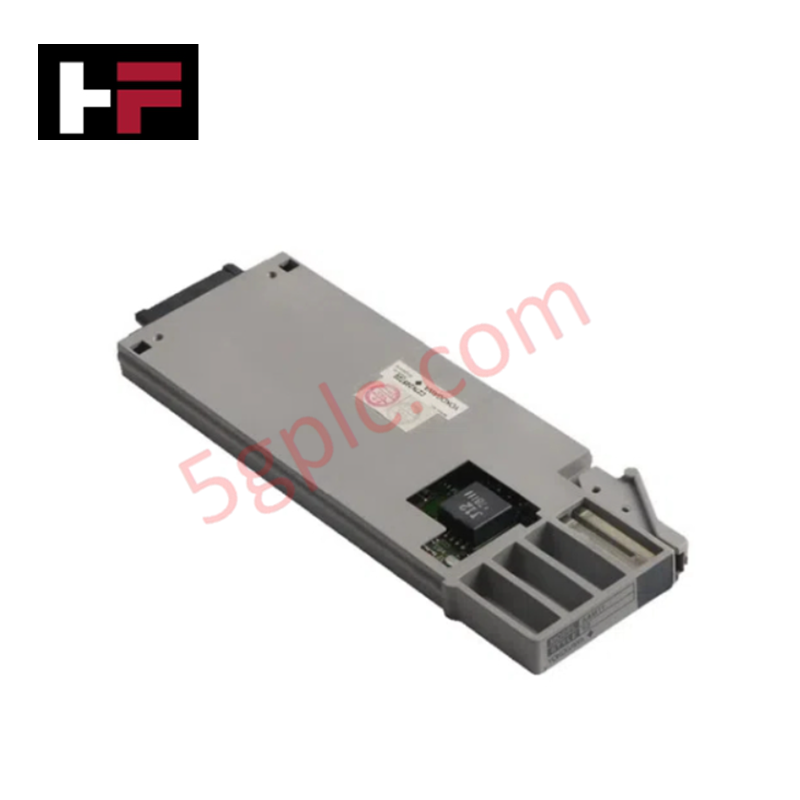
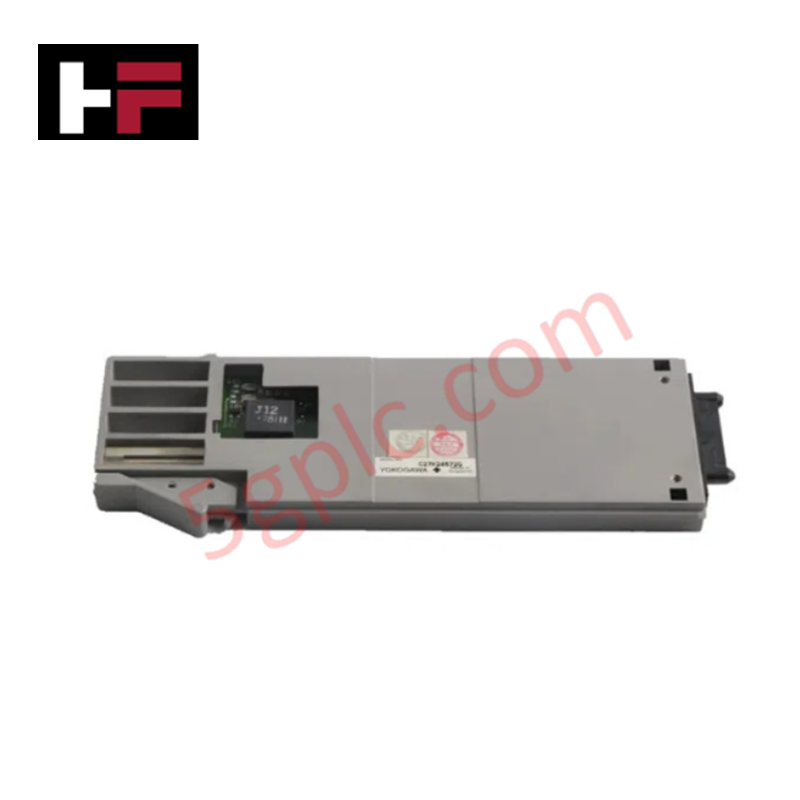
The Yokogawa MAC2*B, also cataloged as the MAC2 Analog Control Board, operates as a dedicated hardware component for multi-loop analog signal conditioning and process variable control within Yokogawa CENTUM DCS platforms. The card manages multiple independent analog I/O channels, executing real-time signal conversion and loop execution between field instruments and central process controllers across the rack backplane.
Suffix Breakdown & Model Matrix
| Code Element | Specification / Description |
|---|---|
| MAC2 | Base model designation for multipoint analog control card/board series |
| *B | Style code Revision B specifying terminal interface configuration and hardware assembly revision |
Hardware Specifications
| Parameter | Specification |
|---|---|
| Model | MAC2*B |
| Brand | Yokogawa |
| Origin | Japan |
| Weight | 0.7 kg |
| Dimensions | Standard CENTUM nest card format |
| Operating Temp | 0 deg C to 50 deg C |
| Power Consumption | 24 VDC +/-10% |
| Signal Conditioning | Multi-channel analog input and output conversion |
| Loop Signal Range | 4-20 mA DC / 1-5 V DC analog process loops |
| System Integration | Yokogawa CENTUM DCS Series |
Channel-to-Channel Isolation and DCS Process Loop Control
The MAC2*B analog control board processes analog signal loops across the CENTUM DCS system backplane. Featuring galvanic channel-to-channel isolation, the hardware decouples individual process variable channels to suppress ground loop currents and common-mode electrical noise. The board conditions 4-20 mA HART loop protocol signals and analog inputs—such as pressure, flow, and temperature variables—converting physical field measurements into digitized values for continuous closed-loop DCS execution without channel crosstalk.
Frequently Asked Questions
Q: What is the primary function of channel-to-channel isolation on the MAC2*B board?
A: Individual galvanic channel isolation eliminates ground loop pathways between field transmitters and the DCS backplane, preventing common-mode noise from corrupting signal conversion on adjacent channels.
Q: What supply voltage range is required to power the MAC2*B analog control board?
A: The board operates from a nominal 24 VDC supply with an allowable voltage tolerance of +/-10% (21.6 VDC to 26.4 VDC).
Q: How are field signal cables terminated to the board assembly?
A: Signal wiring connects via screw terminal blocks on the designated card nest, which routes process signals directly to the backplane edge connector of the MAC2*B board.
Field Installation Guidelines
- Board Mounting: Slide the MAC2*B board vertically into the guide rails of the designated CENTUM card nest slot. Press firmly until the rear connector seats into the backplane, then lock top and bottom retaining fasteners.
- Signal Cabling: Route 4-20 mA loop cables using twisted shielded pair wiring. Maintain at least 300 mm separation from high-voltage AC conductors to prevent inductive noise coupling.
- Shield Termination: Ground cable shield drain wires at a single point on the cabinet functional earth (FE) bus bar. Do not connect shields to ground at both the field instrument and DCS panel ends.
- Power Supply Verification: Measure backplane power rail voltage under full loop load to confirm supply remains within 21.6 VDC to 26.4 VDC operating limits before loop commissioning.
Additional Information
- 100% Genuine Parts: All products are original and authentic, ensuring reliable industrial performance.
- 30-Day Refund Guarantee: Return any in-stock item within 30 days in original, unopened packaging for a full refund (excluding shipping and fees).
- 12-Month Warranty: Covers defects in materials or workmanship; excludes misuse, normal wear, or unauthorized modifications.
- Worldwide Shipping: We ship via USPS, UPS, FedEx, and DHL. Delivery times vary by country and may be subject to customs or import fees.
- Support & Contact: Technical and warranty assistance is available anytime. Contact us here: Contact.
- Purchase Guidance: Check product specifications and compatibility carefully before ordering to ensure proper application.
Tech & Buying Guide

Demystifying Signal Isolators: Operating Principles, Architectural Types, and Industrial Applications
Industrial automation systems rely on pristine analog signal transmission across complex control loops. Instrument technicians and system integrators frequently deploy signal isolators to maintain signal integrity between field sensors and control platforms. Eliminating electrical noise, ground loops, and high-voltage transients protects delicate PLC, DCS, and SCADA input channels from permanent damage.
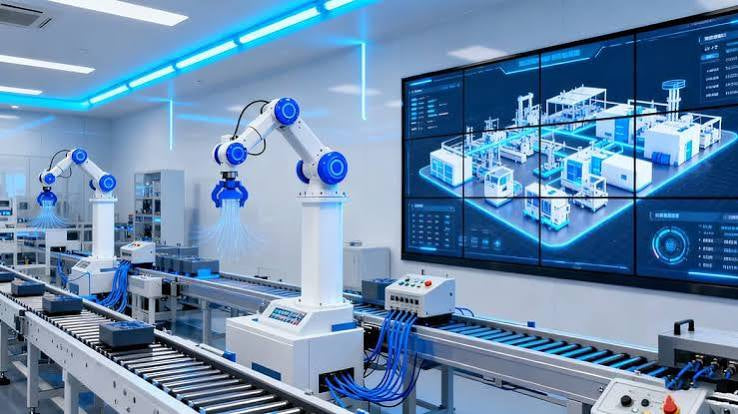
Demystifying Industrial Control Systems: Comparing PLC, DCS, RTU, SCADA, and PAC
Modern factory automation relies on distinct control architectures to manage complex process environments efficiently. Control engineers often evaluate PLC, DCS, RTU, SCADA, and PAC platforms when designing industrial infrastructure. Understanding the functional boundaries of each technology ensures optimal system performance, high availability, and long-term cost efficiency.

Evaluating Industrial Automation: Architectural Benefits and Operational Challenges
Modern manufacturing relies heavily on advanced industrial automation to streamline production cycles and maintain precise process execution. Automated control systems, programmable logic controllers (PLCs), and distributed control systems (DCS) replace repetitive manual intervention on shop floors. Evaluating the balance between operational gains and capital investment remains essential for engineering leaders planning smart factory upgrades.