










Product Details
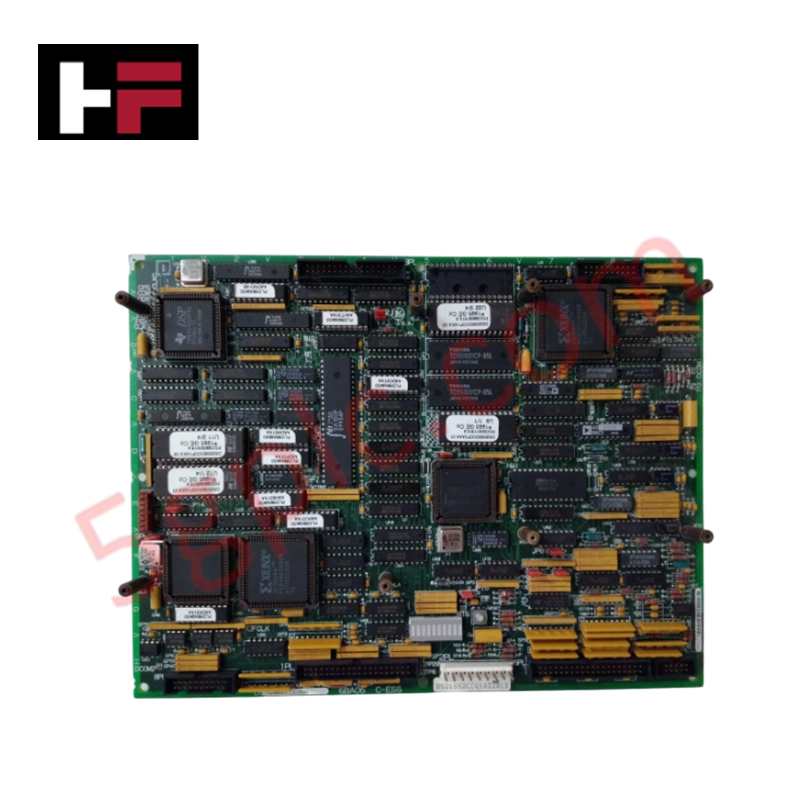
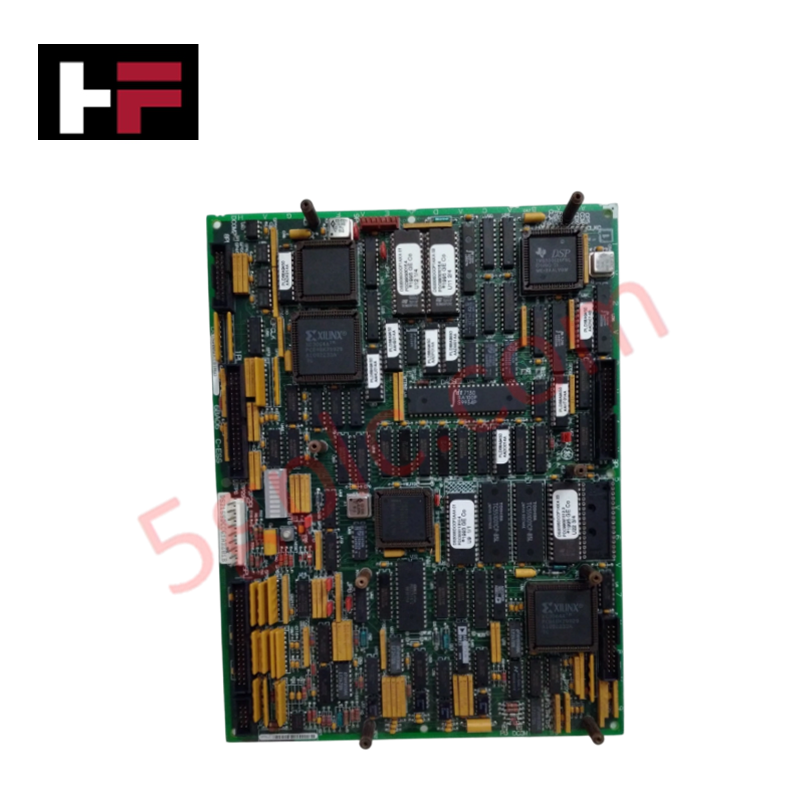
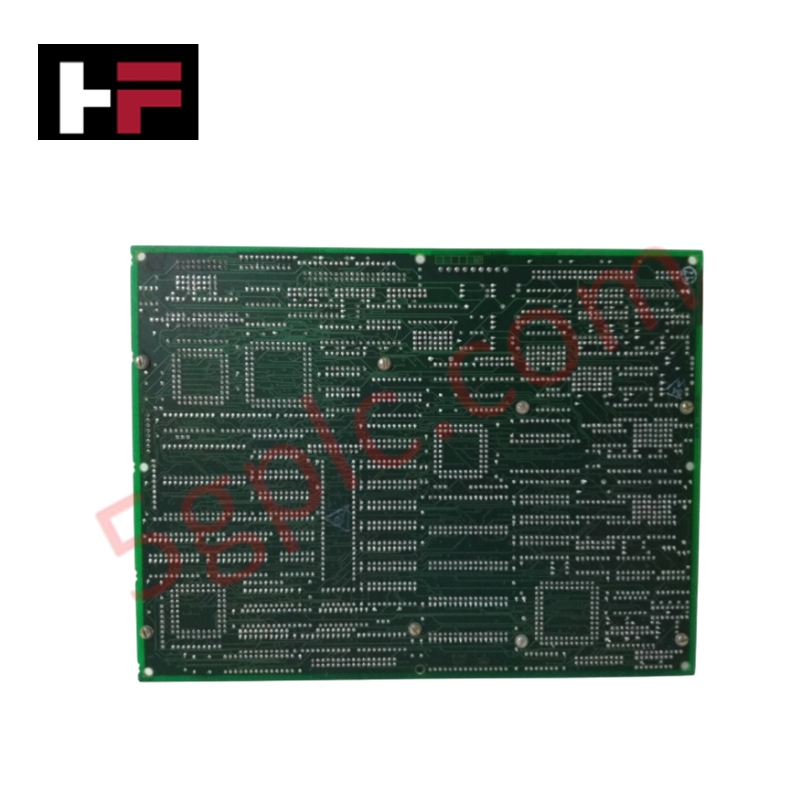
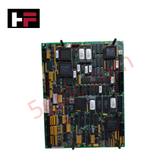
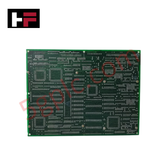
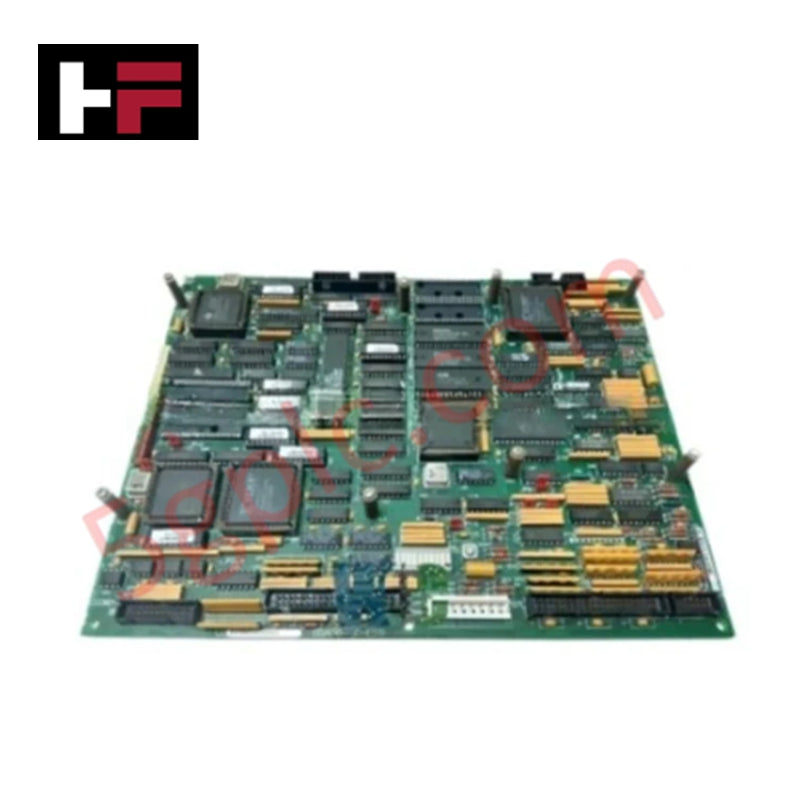
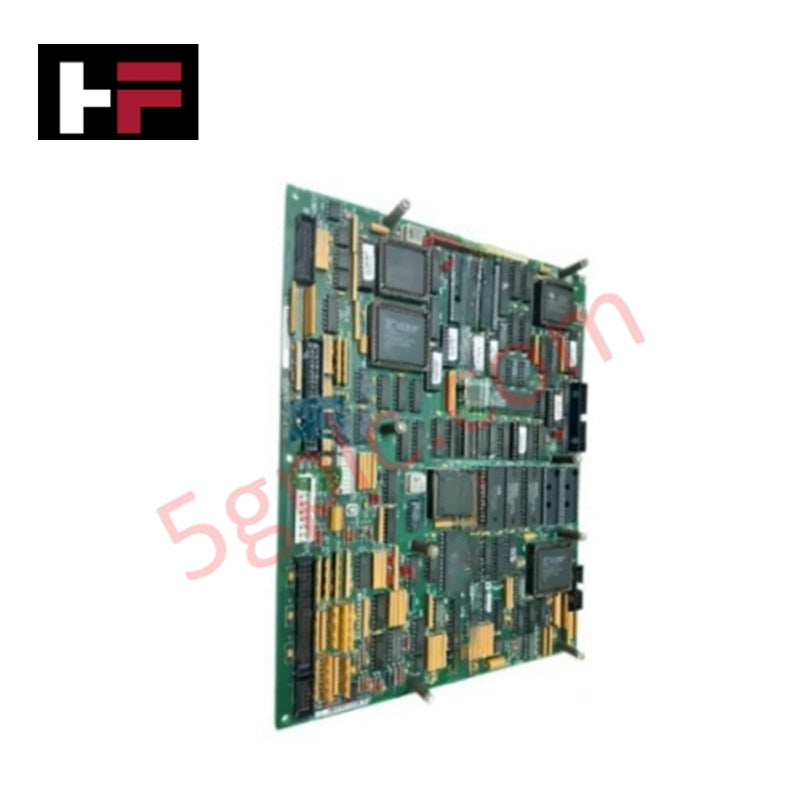
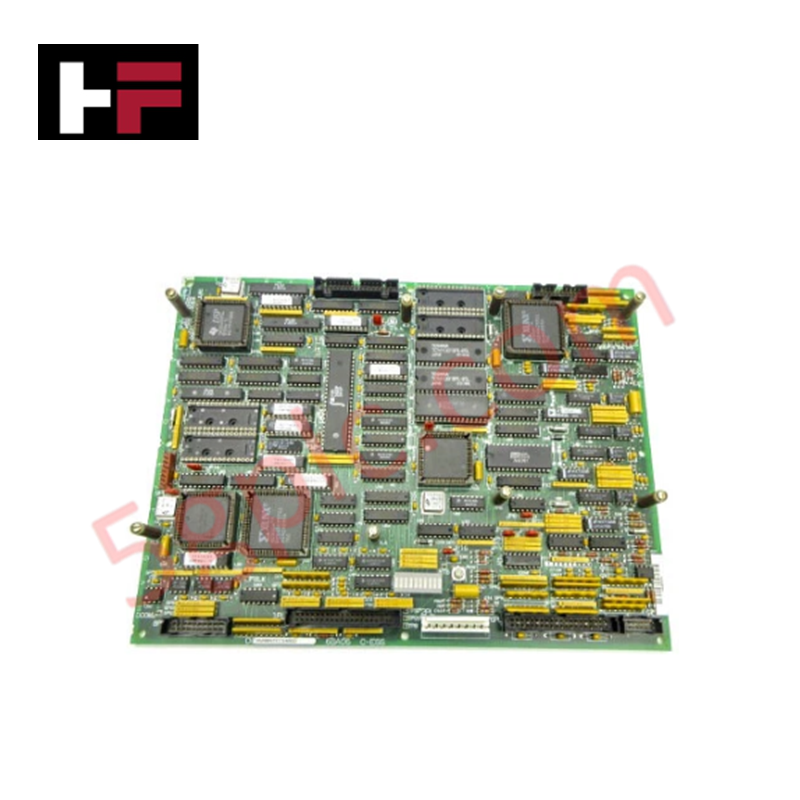
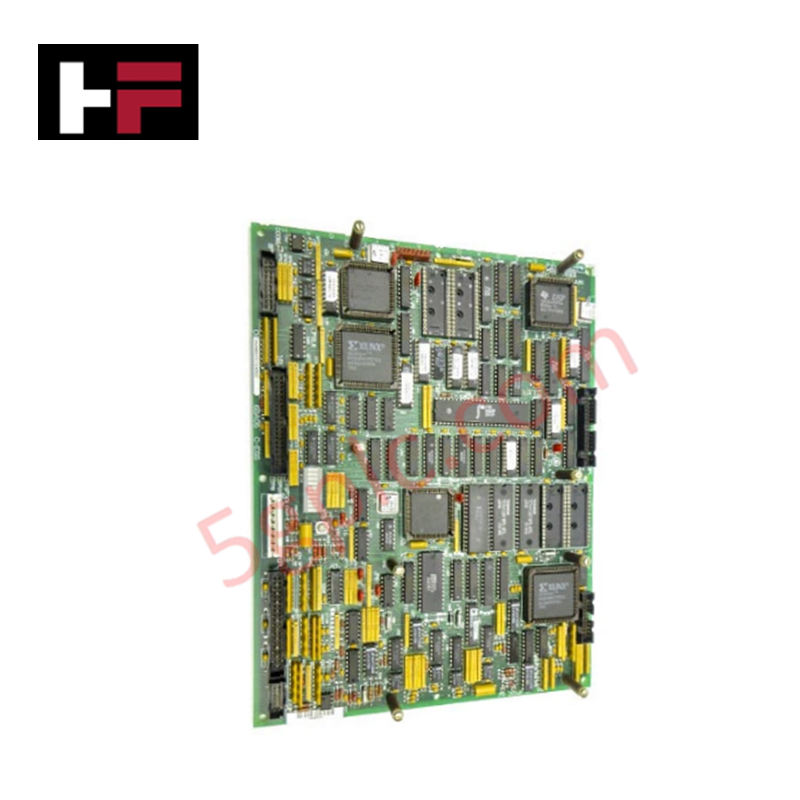
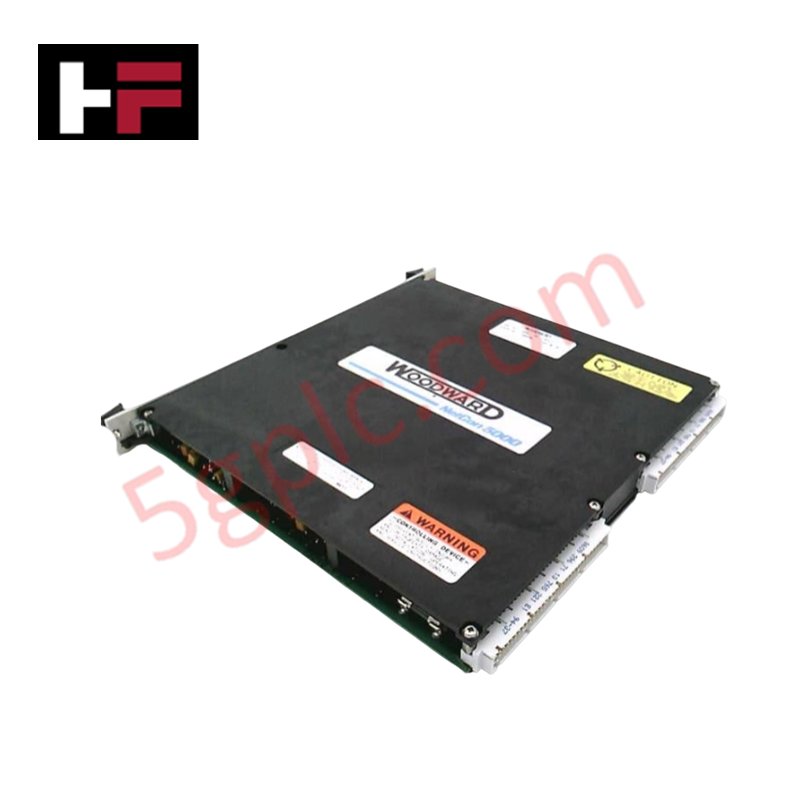
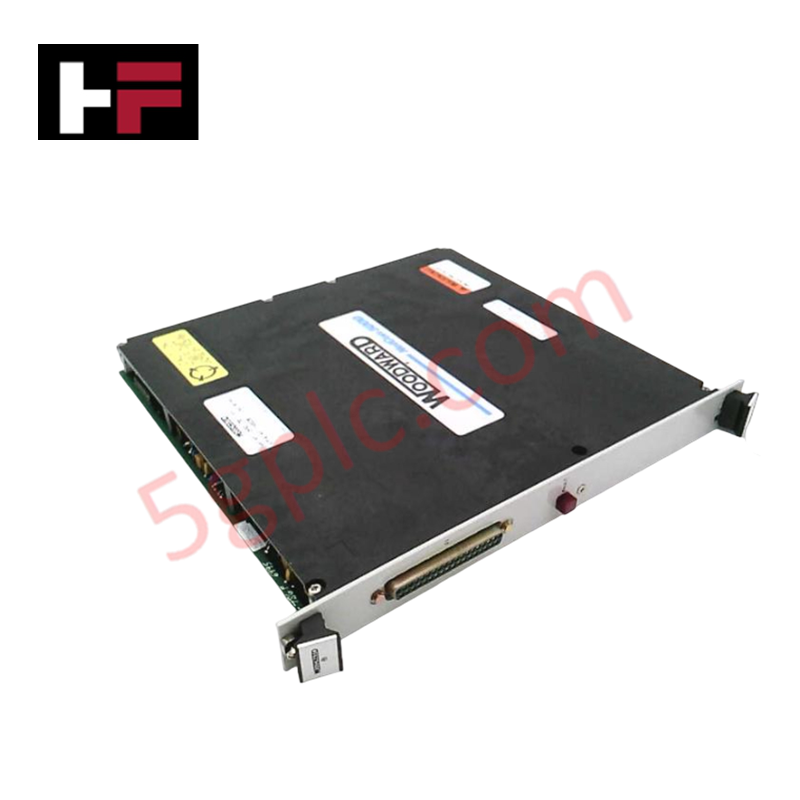
Configured for high-speed motor and excitation regulation in Mark V control systems, the GE DS200SDCCG1A (DS200SDCC Drive Control Card) provides direct physical execution of drive control, motor management, and I/O signal processing.
Hardware Specifications
| Parameter | Specification |
|---|---|
| Model | DS200SDCCG1A |
| Brand | General Electric |
| Origin | USA |
| Dimensions | 6.25 in x 4.25 in |
| Operating Temp | -30 deg C to 65 deg C |
| Power Consumption | Not specified |
| Architecture | 3 x 16-bit microprocessors with dual-ported RAM |
Backplane Bus Communication and Deterministic Processing
The DS200SDCCG1A utilizes three 16-bit microprocessors interconnected via dual-ported RAM (DPR) to manage drive excitation and motor control loops. This architecture ensures deterministic backplane bus communication velocity when interfacing with auxiliary boards for complex ac/dc motor drive configurations. The card employs general-purpose interface circuitry to handle exciter and customer I/O signals, with secondary dual-ported RAM modules available to expand processing capacity. In TC2000 applications, the primary microprocessors handle high-priority control tasks, maintaining synchronization across the Mark V backplane. Firmware flash compatibility and site-specific tuning parameters are maintained via onboard memory interfaces to ensure precise regulation of motor field and armature current.
Frequently Asked Questions
Q: Does the DS200SDCCG1A support hot-swapping within the Mark V rack?
A: No. The card must be inserted or removed only after the system has been fully de-energized. Hot-swapping risks electrical damage to the dual-ported RAM and processor circuitry due to bus contention during insertion.
Q: How is signal synchronization maintained between the primary microprocessors?
A: Synchronization is managed through the integrated dual-ported RAM (DPR) arrays, which allow the three microprocessors to access shared memory data concurrently without conflicting bus access.
Field Installation Guidelines
- Ensure the Mark V system is in a powered-down state before installing the card to prevent potential corruption of the onboard dual-ported RAM.
- Verify all backplane connector alignments before engaging the module to prevent bent pins or improper bus contact.
- Handle the module by the edges and faceplate to prevent electrostatic discharge damage to the high-density microprocessors.
- After seating the board, verify that the system registers correctly detect the presence of the card and that I/O signal loops are correctly terminated on the associated terminal boards.
Additional Information
- 100% Genuine Parts: All products are original and authentic, ensuring reliable industrial performance.
- 30-Day Refund Guarantee: Return any in-stock item within 30 days in original, unopened packaging for a full refund (excluding shipping and fees).
- 12-Month Warranty: Covers defects in materials or workmanship; excludes misuse, normal wear, or unauthorized modifications.
- Worldwide Shipping: We ship via USPS, UPS, FedEx, and DHL. Delivery times vary by country and may be subject to customs or import fees.
- Support & Contact: Technical and warranty assistance is available anytime. Contact us here: Contact.
- Purchase Guidance: Check product specifications and compatibility carefully before ordering to ensure proper application.
Tech & Buying Guide

Core Components of Programmable Logic Controllers (PLC) in Industrial Automation
A Programmable Logic Controller (PLC) serves as the digital backbone of modern factory automation. Whether you are managing complex assembly lines or simple process loops, understanding the hardware and software architecture of a PLC is essential for any control systems engineer.
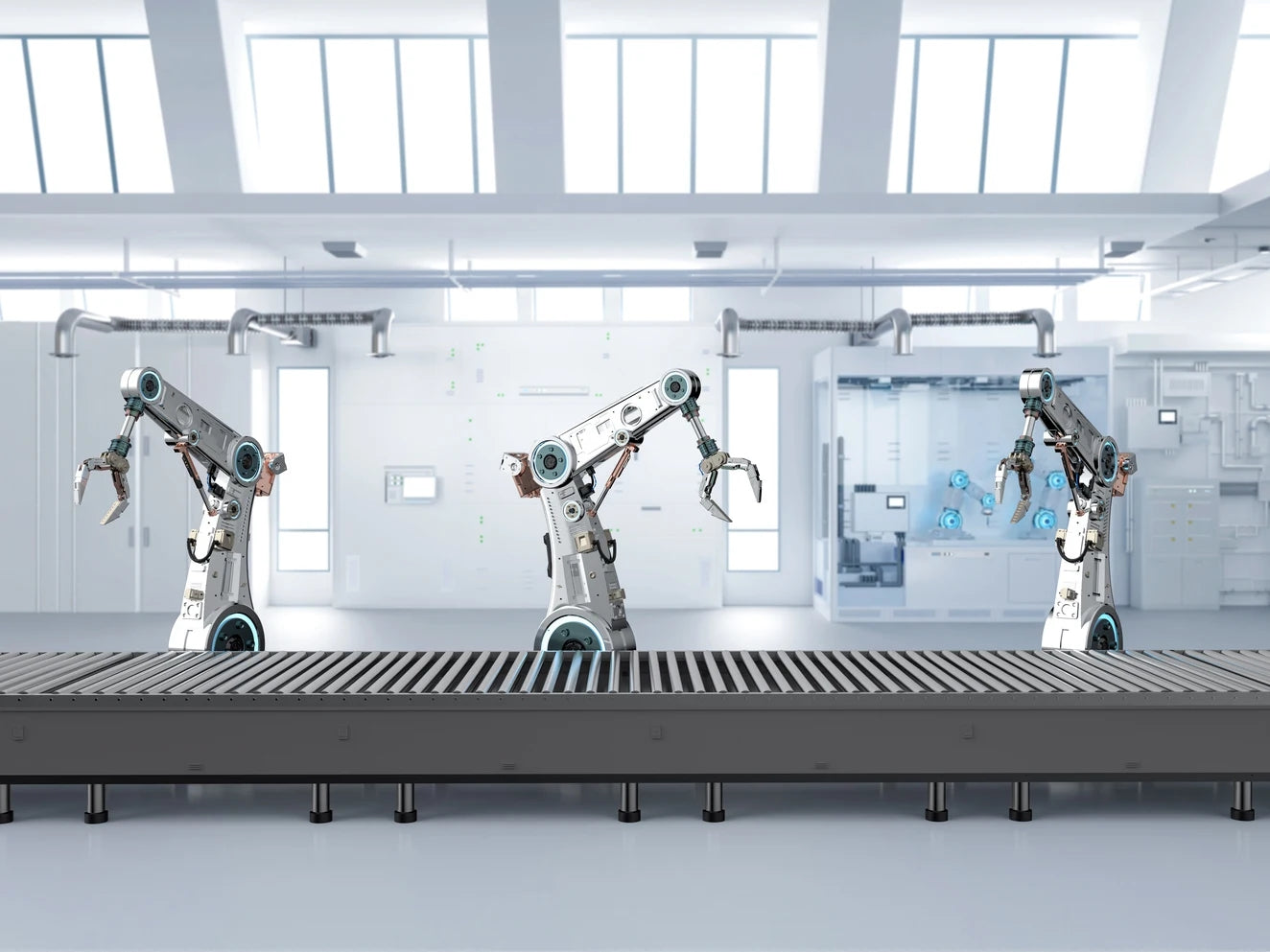
PLC vs. PC: Navigating the Architectural Differences in Industrial Automation
In the realm of factory automation, professionals often debate the roles of Programmable Logic Controllers (PLCs) and Personal Computers (PCs). While both devices share fundamental computing architectures—including a processor, memory, and an operating system—their design philosophies diverge significantly. Understanding these distinctions is critical for selecting the right hardware for your industrial control systems.
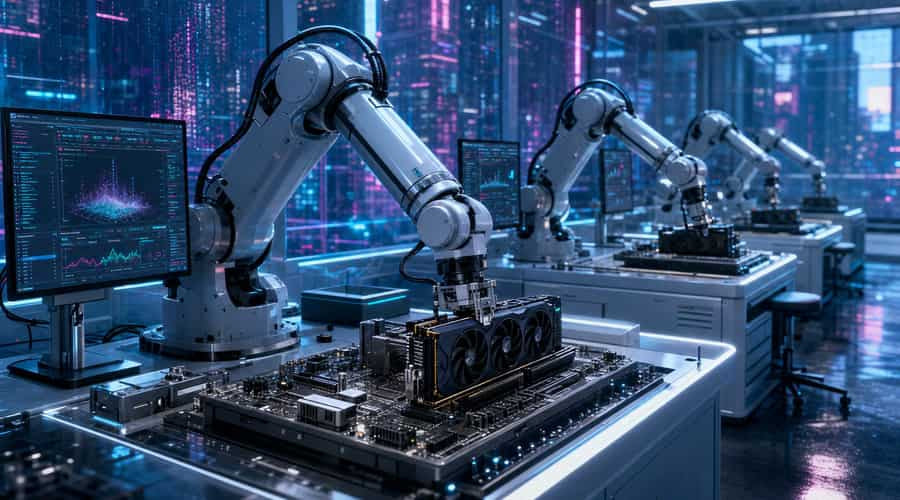
Essential SCADA Features for Modern IoT-Enabled Industrial Automation
The convergence of traditional SCADA systems with the Industrial Internet of Things (IIoT) has redefined factory automation. Choosing a robust platform requires more than just standard monitoring capabilities. In this era of Industry 4.0, your supervisory system must bridge the gap between legacy control systems and enterprise-level data integration.