










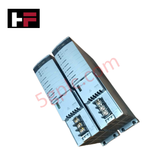
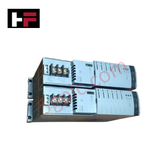
Product Details
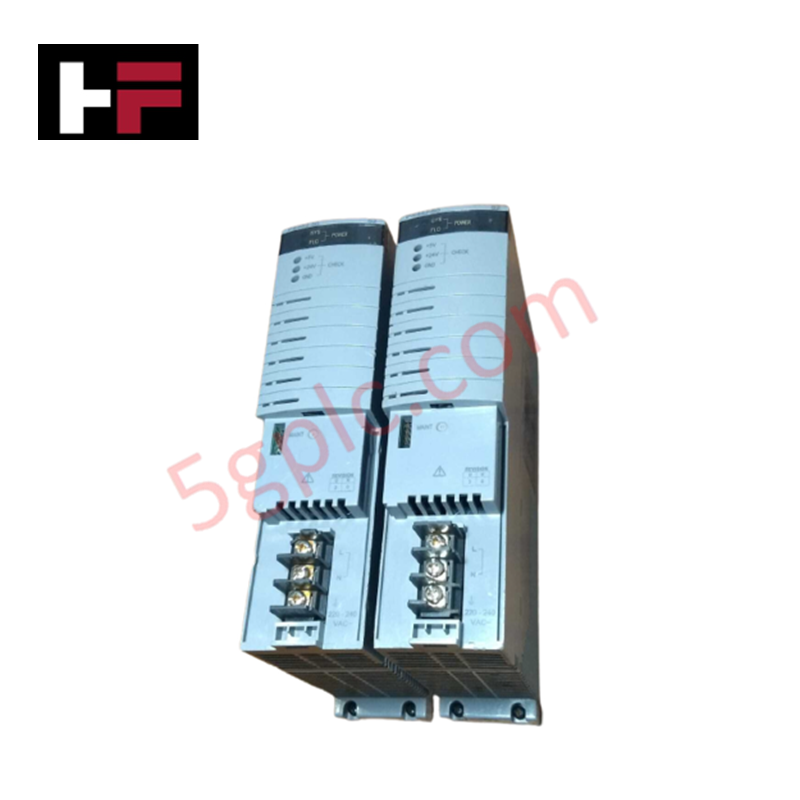
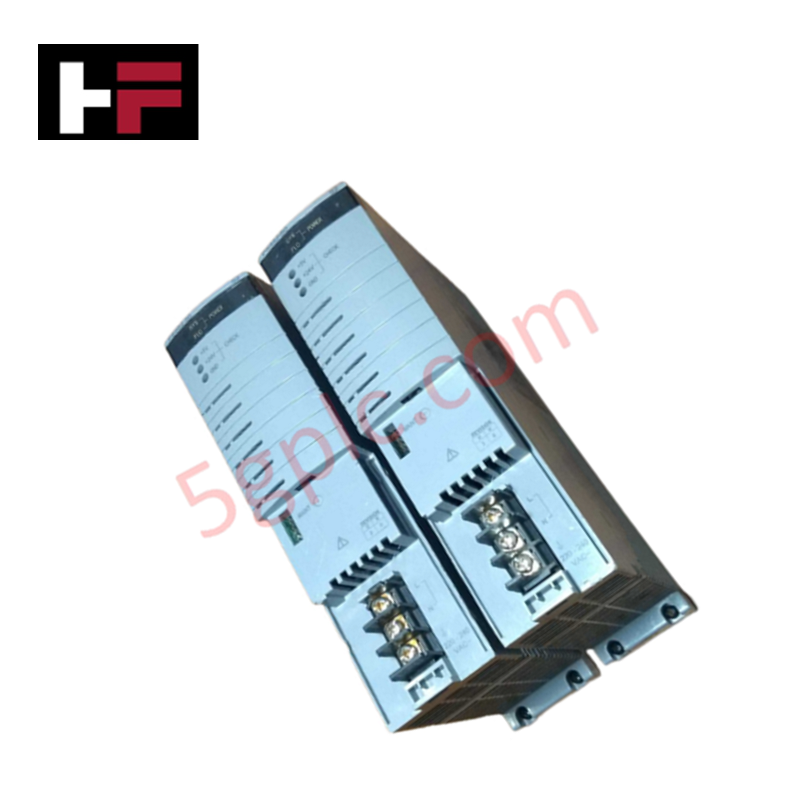
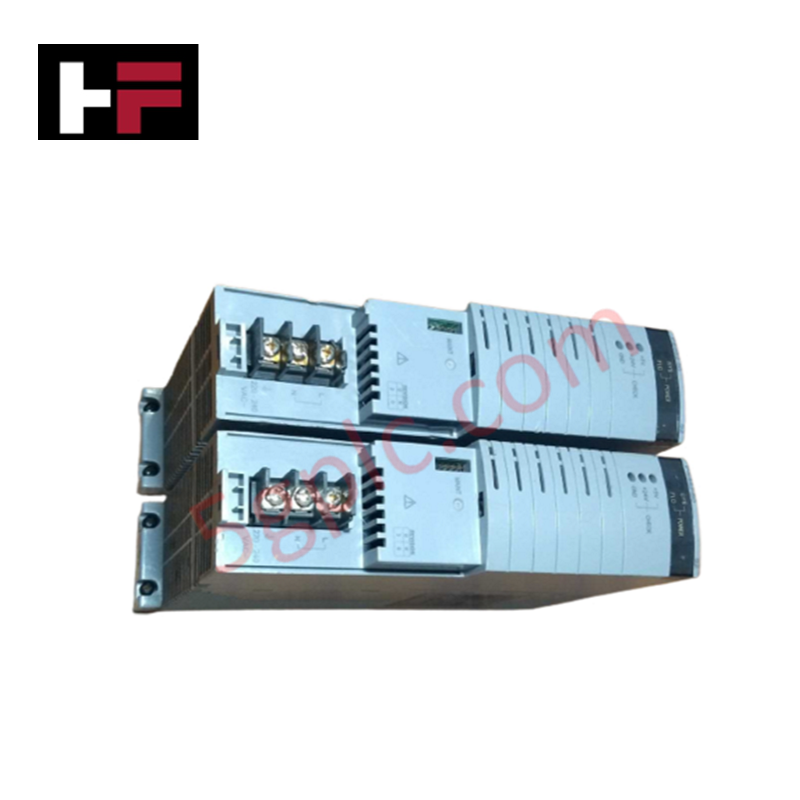
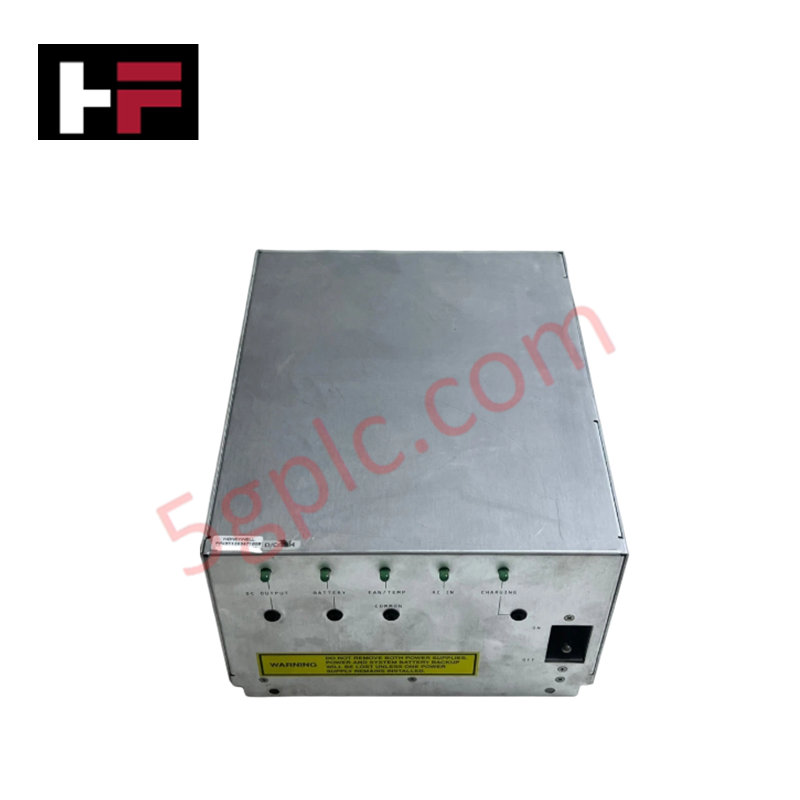
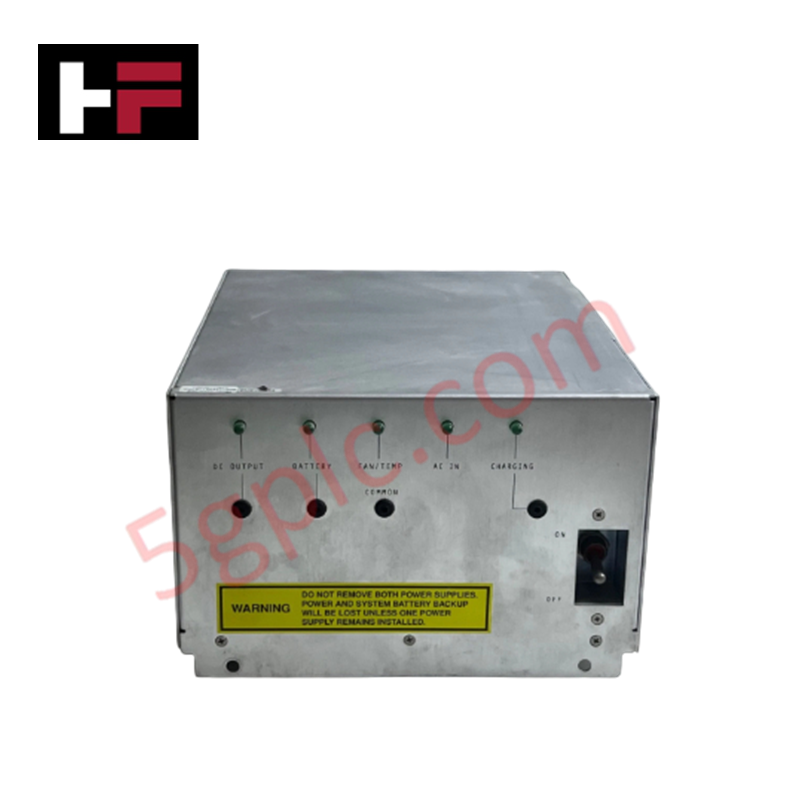
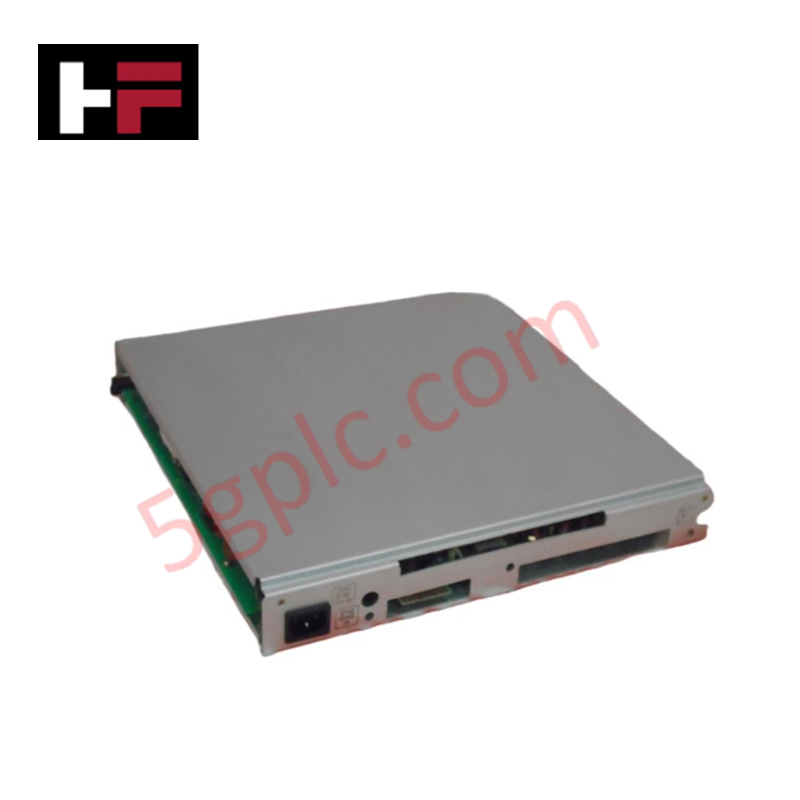
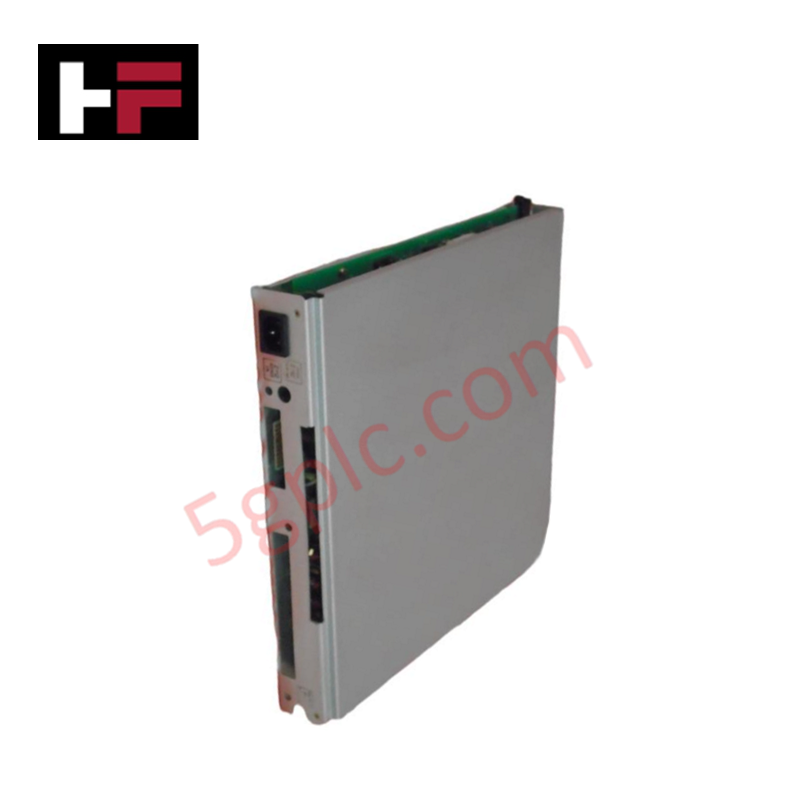
The Yokogawa PW482-50, also cataloged as the PW482 Power Supply Module, operates as a dedicated hardware component for 220-240 V AC power distribution and internal rail voltage regulation within Yokogawa CENTUM VP node units.
Suffix Breakdown & Model Matrix
- PW482: Base model designating 220-240 V AC input power supply module with extended temperature capability (-20 to 70 deg C).
- -5: Explosion protection code designating standard type with no explosion protection.
- 0: System configuration code designating basic type specification.
Hardware Specifications
| Parameter | Specification |
|---|---|
| Model | PW482-50 |
| Brand | Yokogawa |
| Origin | Japan |
| Input Voltage Rating | 220-240 V AC |
| Frequency | 50/60 Hz |
| Explosion Protection | Standard type (No explosion protection) |
| System Code | Basic type |
| Weight | 1.0 kg (Shipping weight: 2.0 kg) |
| Dimensions | Standard CENTUM Node Chassis Slot Assembly |
| Operating Temp | -20 to 70 deg C |
| Power Consumption | Accepts primary AC power to supply internal DC backplane bus |
Yokogawa Power Distribution & DCS Channel-to-Channel Isolation
The power supply module converts wide-range AC utility voltage into regulated low-voltage DC backplane rails to energize local control components. Integrated galvanic isolation suppresses line transients and prevents ground loops between primary mains and downstream signal channels, supporting field I/O modules utilizing 4-20 mA HART loop protocol pairs and FOUNDATION Fieldbus communications.
Frequently Asked Questions
Q: What primary AC supply input parameters does the PW482-50 accept?
A: The module operates on a nominal input range of 220-240 V AC at 50/60 Hz to generate internal regulated DC backplane voltages.
Q: What environmental temperature limits apply to the PW482-50 hardware option?
A: This specific variant includes the extended temperature hardware build rated for operation between -20 deg C and 70 deg C.
Field Installation Guidelines
Slide the PW482-50 module into the designated power supply slot of the CENTUM node chassis until the rear connector fully seats into the backplane bus. Fasten top and bottom retaining screws to ensure proper grounding pin contact and prevent module dislodgement under physical vibration. Connect the incoming 220-240 V AC power leads to the designated terminal block, ensuring single-point protective earth (PE) grounding is maintained at the cabinet ground bar.
Additional Information
- 100% Genuine Parts: All products are original and authentic, ensuring reliable industrial performance.
- 30-Day Refund Guarantee: Return any in-stock item within 30 days in original, unopened packaging for a full refund (excluding shipping and fees).
- 12-Month Warranty: Covers defects in materials or workmanship; excludes misuse, normal wear, or unauthorized modifications.
- Worldwide Shipping: We ship via USPS, UPS, FedEx, and DHL. Delivery times vary by country and may be subject to customs or import fees.
- Support & Contact: Technical and warranty assistance is available anytime. Contact us here: Contact.
- Purchase Guidance: Check product specifications and compatibility carefully before ordering to ensure proper application.


Tech & Buying Guide

Will PLCs Become Obsolete? The Future of Control Systems in Industry 4.0
Modern manufacturing is undergoing a rapid technological transformation driven by Industry 4.0 innovations. Technologies like Artificial Intelligence (AI), Machine Learning (ML), and the Industrial Internet of Things (IIoT) are dominating discussions across the factory automation sector. Consequently, many engineers wonder if these advanced digital tools will eventually replace traditional Programmable Logic Controllers (PLCs). However, evaluating the core physics of industrial operations reveals a very different reality for control systems.

Demystifying Open Platform Communication (OPC): The Backbone of Industrial Interoperability
Interoperability remains a cornerstone requirement for modern smart factories and process automation. Open Platform Communication (OPC) bridges the gap between disparate hardware platforms, control systems, and visualization software. By establishing a universal communication standard, OPC allows field controllers, SCADA platforms, and enterprise software from different vendors to exchange real-time data seamlessly.

Understanding Siemens PLC Memory Cards: MMC, SMC, and SD Solutions in Industrial Automation
Memory management plays a pivotal role in maintaining control system reliability across modern manufacturing plants. Industrial control systems rely on specialized memory cards to store project logic, firmware updates, and retentive system data. Siemens uses several memory architectures, including Micro Memory Cards (MMC) and SIMATIC Memory Cards (SMC). Engineers must understand these hardware variations to ensure zero data loss and minimize downtime during maintenance routines.