








Product Details
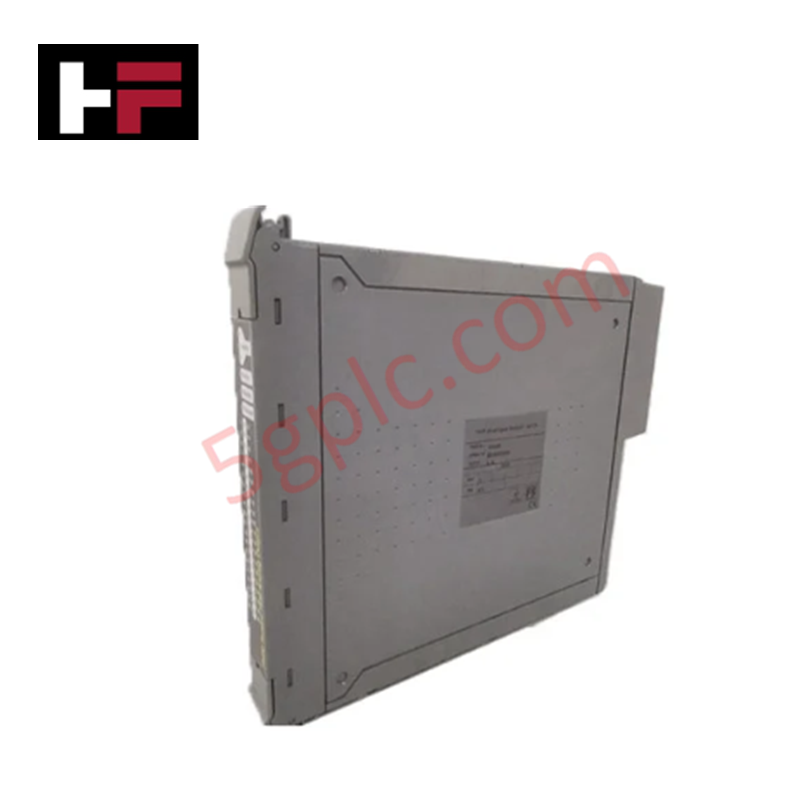
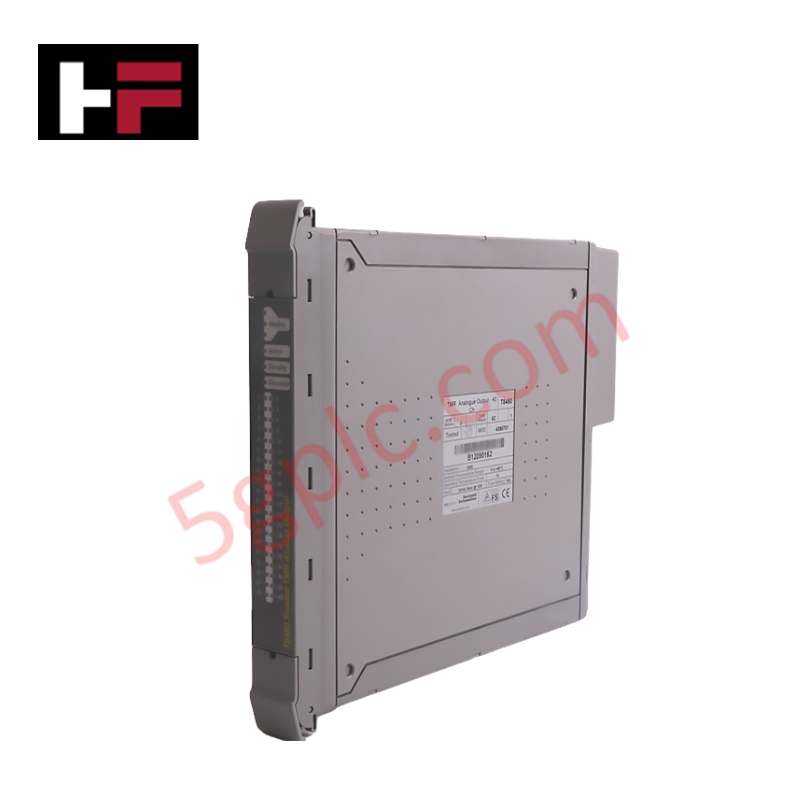
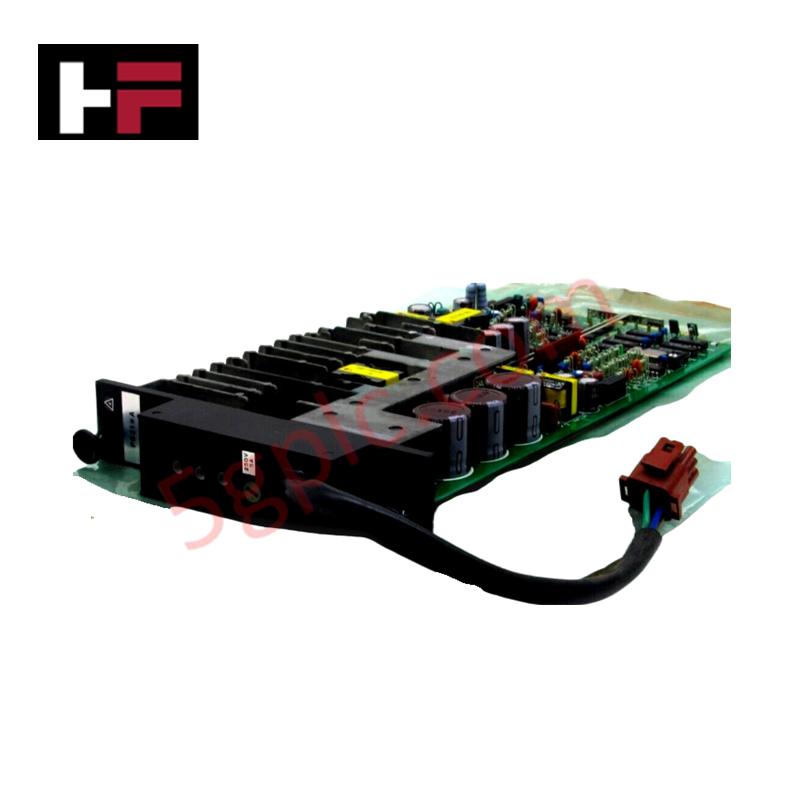
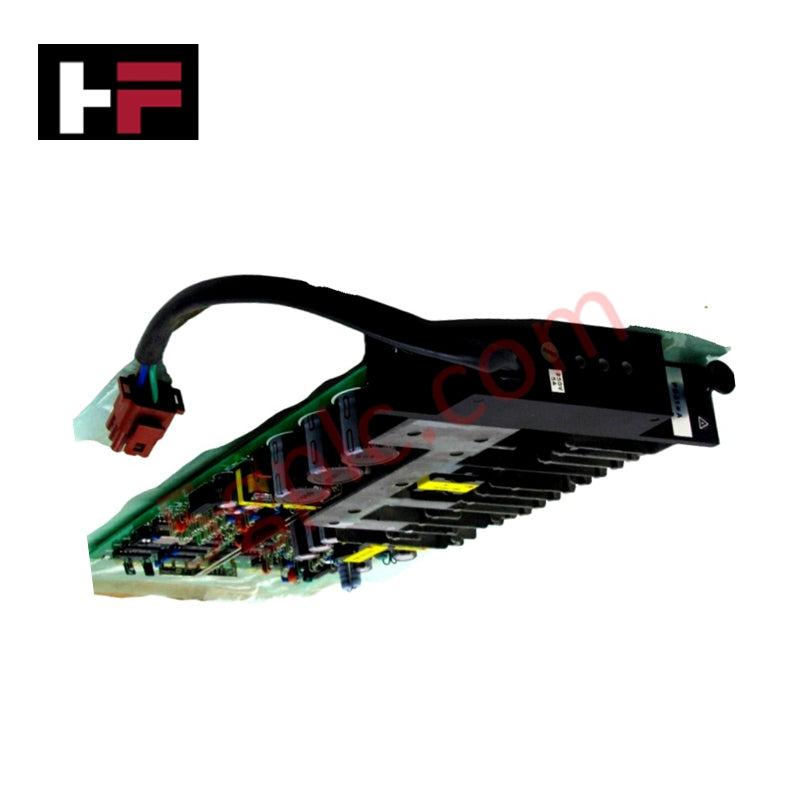
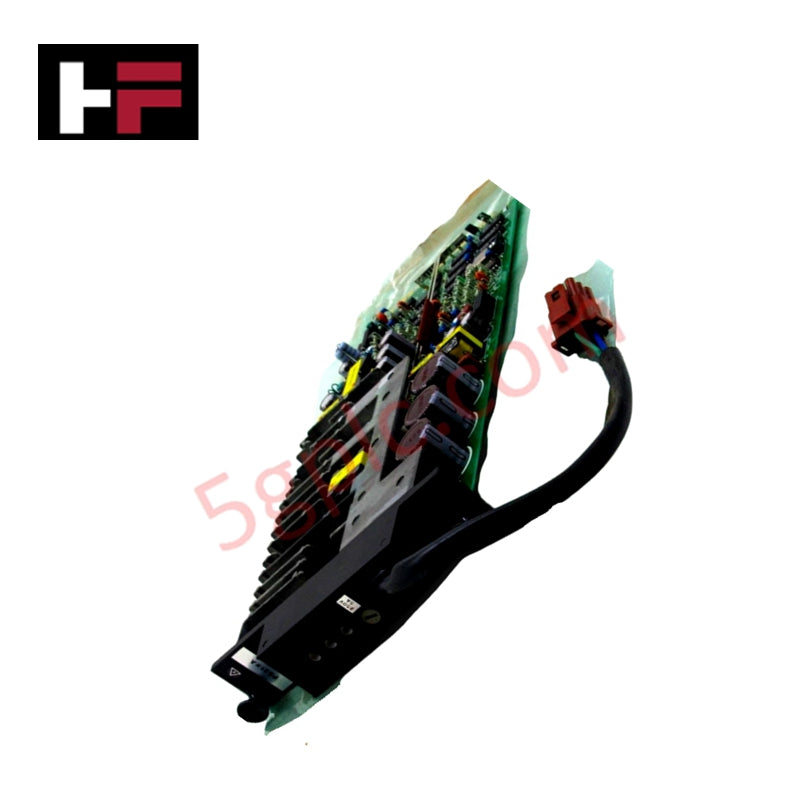
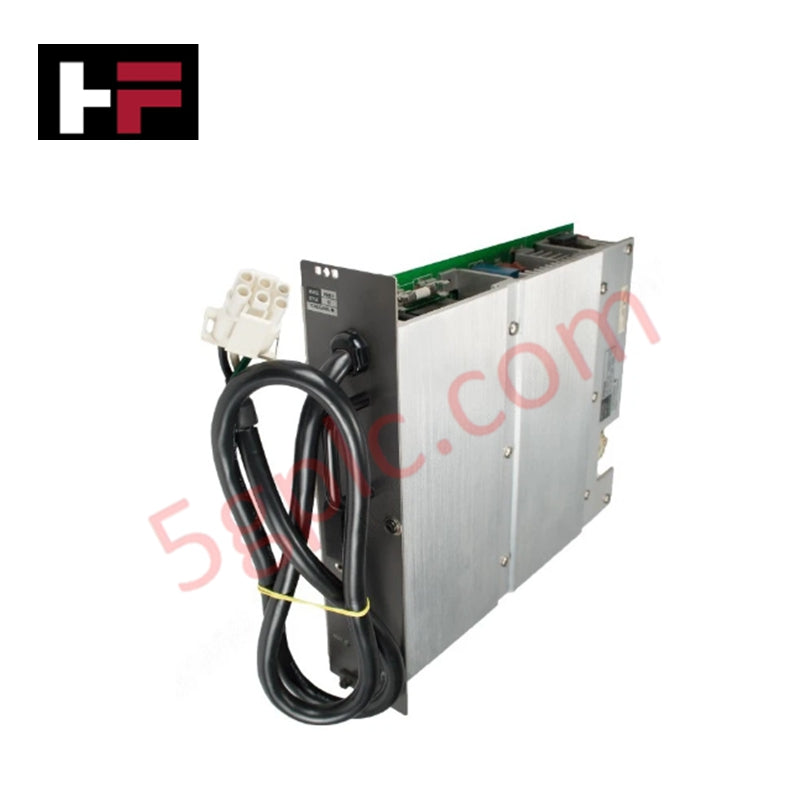
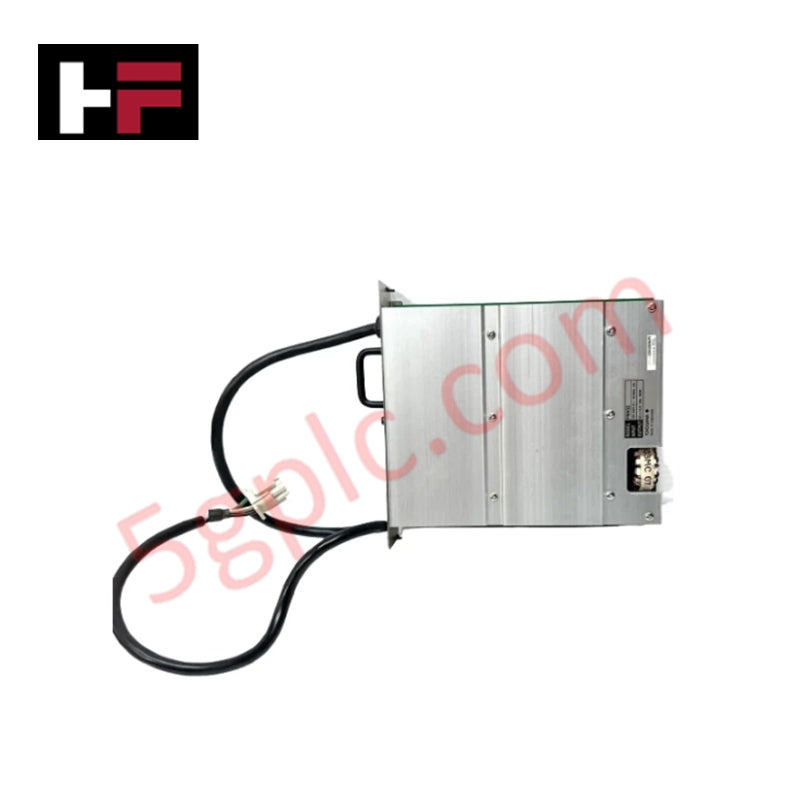
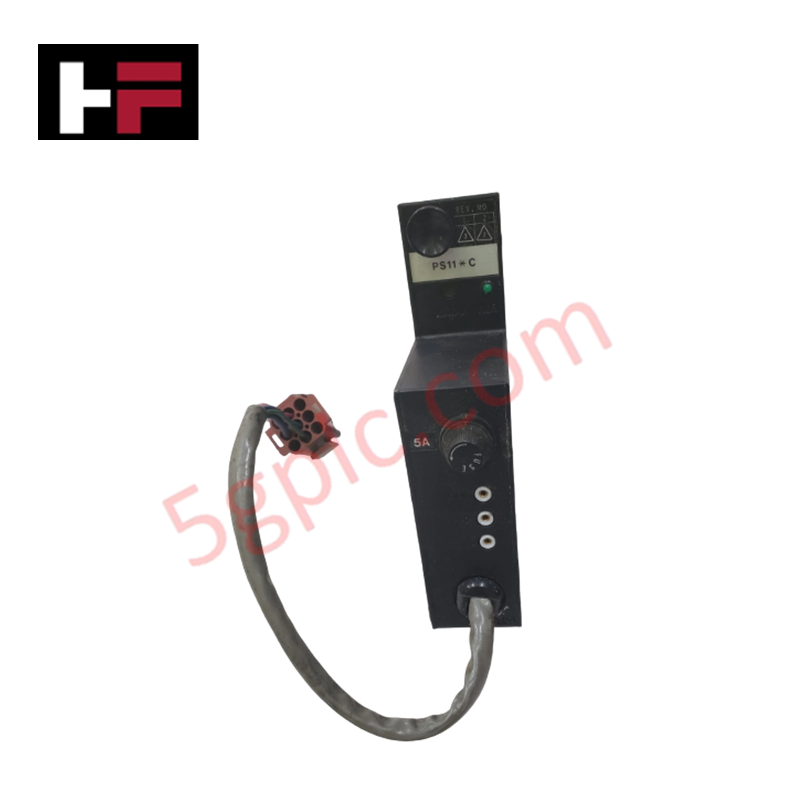
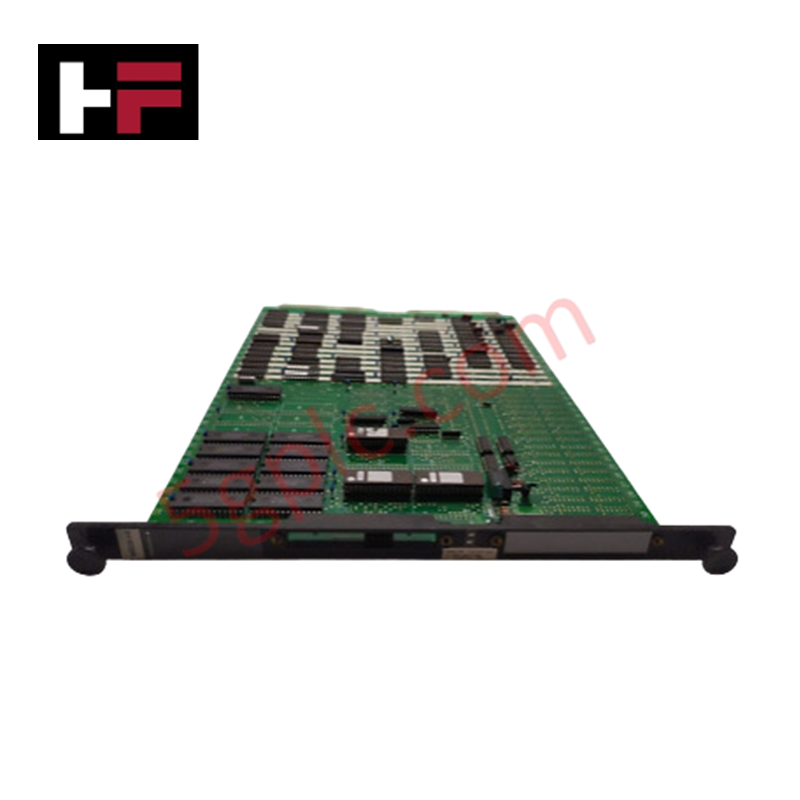
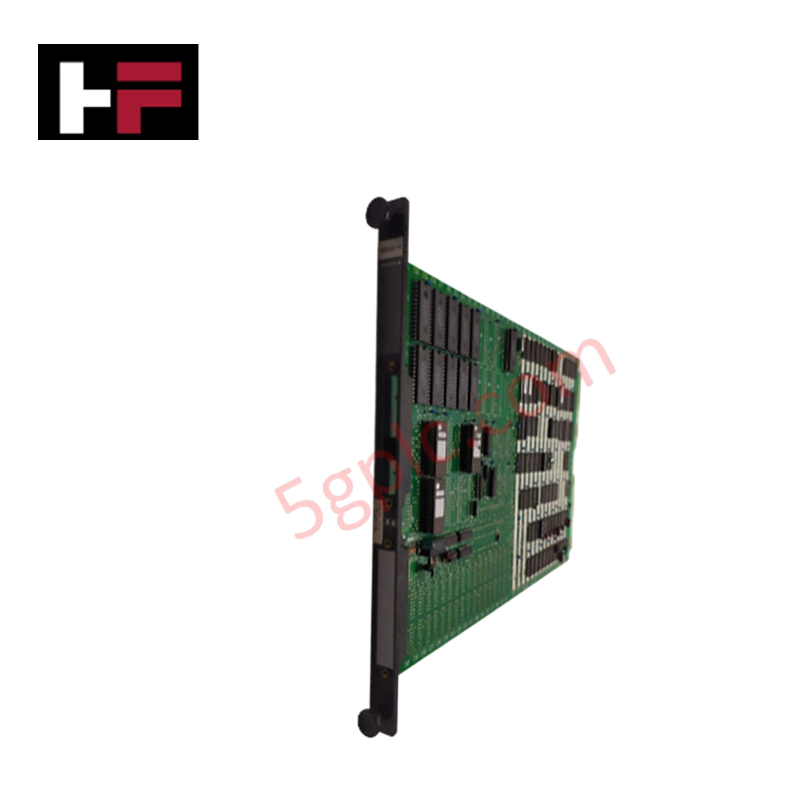
The Yokogawa PS31*A, also cataloged as the PS31 Power Supply Module, operates as a dedicated hardware component for primary AC/DC power conversion and regulated 24 VDC bus power distribution within Yokogawa CENTUM DCS subrack assemblies. The module converts incoming AC line power into stabilized DC voltage rails that feed system backplane buses, controller modules, and field I/O interfaces. Built-in overcurrent and overvoltage protective circuits isolate the backplane logic against power line disturbances and transient overloads.
Suffix Breakdown & Model Matrix
| Code Element | Specification / Description |
|---|---|
| PS31 | Base model designation for power supply module series |
| *A | Style code Revision A indicating specific circuit layout, heat sink profile, and internal protection revisions |
Hardware Specifications
| Parameter | Specification |
|---|---|
| Model | PS31*A |
| Brand | Yokogawa |
| Origin | Japan |
| Weight | 1.2 kg |
| Dimensions | 150 mm x 100 mm x 60 mm |
| Operating Temp | 0 to 60 deg C |
| Power Consumption | Internal dissipation / >85 % energy conversion efficiency |
| Input Voltage | 100-240 VAC wide-range line input |
| Output Voltage | Regulated 24 VDC backplane supply |
| Output Protection | Overcurrent, overvoltage, short-circuit protection |
| Category | Power Supply Module |
Power Regulation and Field Loop Signal Isolation
The PS31*A power supply module delivers stable DC power to system subracks while isolating field loop circuits from power line transients. Internal transformer isolation separates high-voltage AC inputs from system backplane buses, preserving signal fidelity across 4-20 mA HART loop protocol devices and FOUNDATION Fieldbus field instruments. By maintaining low ripple and noise on the 24 VDC output rails, the module supports the performance of downstream analog I/O cards equipped with channel-to-channel isolation and precision cold junction compensation (CJC) processing.
Frequently Asked Questions
Q: What happens when an output short circuit occurs on the PS31*A output rail?
A: The module activates internal short-circuit protection circuitry, limiting output current or tripping output voltage to protect connected backplane logic until the fault is cleared.
Q: Can the PS31*A power module be hot-swapped while the system is operating?
A: Hot-swapping is permitted only in dual-redundant power configurations where the secondary parallel supply module is fully active and capable of carrying the entire backplane current load.
Q: What grounding method is required to prevent electrical noise on the output rail?
A: Ground the module chassis ground terminal directly to the main cabinet functional earth (FE) bus bar using a low-impedance copper conductor.
Field Installation Guidelines
- Rack Slot Installation: Insert the PS31*A module into the designated power slot in the subrack along the guide rails. Push firmly until backplane connectors align and lock into place, then secure upper and lower panel screws.
- Input Wiring Separation: Route AC input wiring in dedicated wiring ducts separated from low-voltage DC power lines and signal cabling to prevent electromagnetic coupling.
- Grounding Provisions: Bond the module frame ground to the functional earth (FE) bus using a short grounding strap to optimize transient noise suppression.
- Thermal Constraints: Maintain clear convective airflow space above and below the power module rack slot to keep operating ambient temperatures within 0 to 60 deg C.
Additional Information
- 100% Genuine Parts: All products are original and authentic, ensuring reliable industrial performance.
- 30-Day Refund Guarantee: Return any in-stock item within 30 days in original, unopened packaging for a full refund (excluding shipping and fees).
- 12-Month Warranty: Covers defects in materials or workmanship; excludes misuse, normal wear, or unauthorized modifications.
- Worldwide Shipping: We ship via USPS, UPS, FedEx, and DHL. Delivery times vary by country and may be subject to customs or import fees.
- Support & Contact: Technical and warranty assistance is available anytime. Contact us here: Contact.
- Purchase Guidance: Check product specifications and compatibility carefully before ordering to ensure proper application.
Tech & Buying Guide

Batch vs Continuous Processing in Industrial Automation: Architectural Strategies for Control Engineers
Selecting the proper control architecture remains a pivotal decision when designing industrial automation systems. Automation engineers must evaluate whether a batch or continuous process model best fits their production requirements. This fundamental choice influences PLC and DCS programming, hardware redundancy, sensor selection, and overall factory automation layouts.

Demystifying Signal Isolators: Operating Principles, Architectural Types, and Industrial Applications
Industrial automation systems rely on pristine analog signal transmission across complex control loops. Instrument technicians and system integrators frequently deploy signal isolators to maintain signal integrity between field sensors and control platforms. Eliminating electrical noise, ground loops, and high-voltage transients protects delicate PLC, DCS, and SCADA input channels from permanent damage.

Demystifying Industrial Control Systems: Comparing PLC, DCS, RTU, SCADA, and PAC
Modern factory automation relies on distinct control architectures to manage complex process environments efficiently. Control engineers often evaluate PLC, DCS, RTU, SCADA, and PAC platforms when designing industrial infrastructure. Understanding the functional boundaries of each technology ensures optimal system performance, high availability, and long-term cost efficiency.