










Product Details
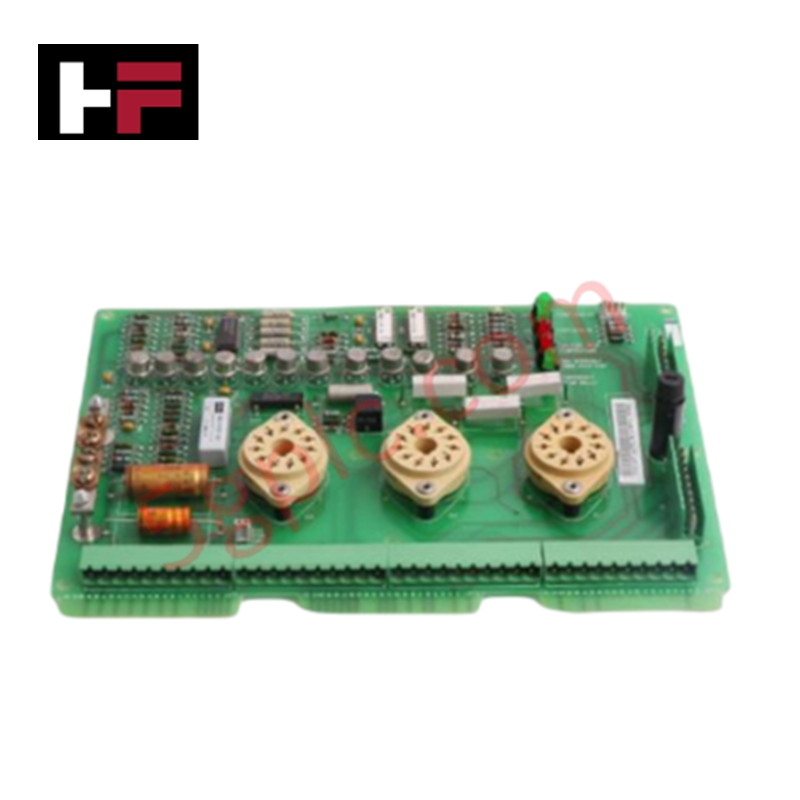
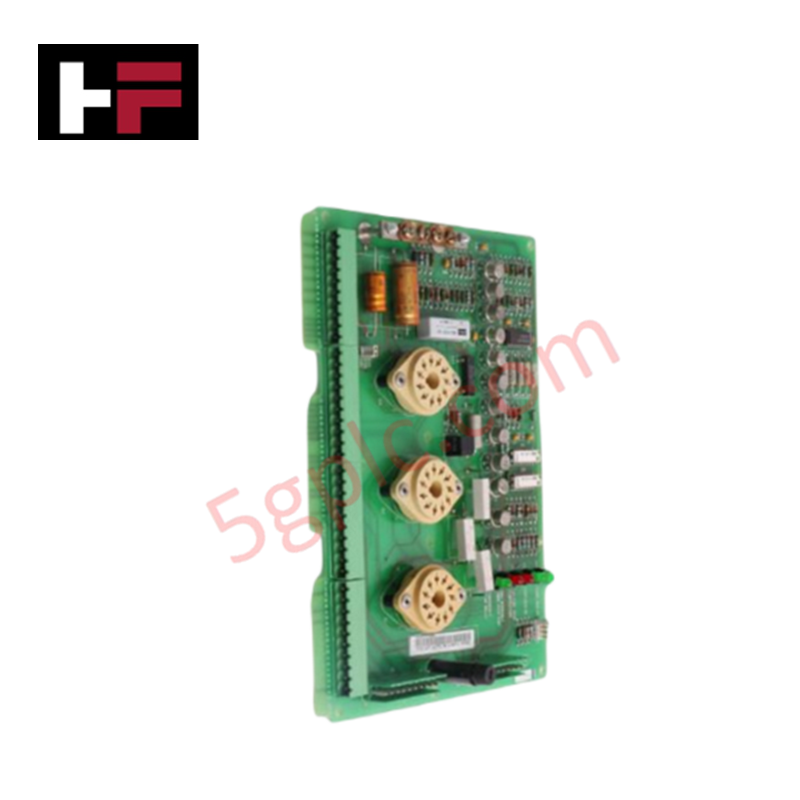
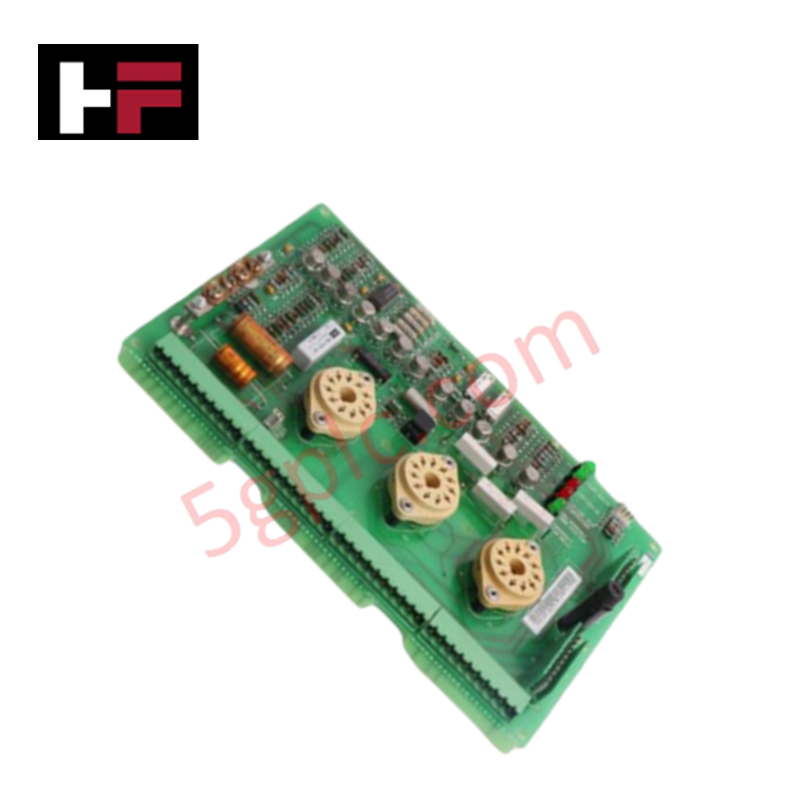
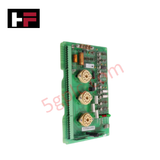
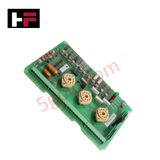
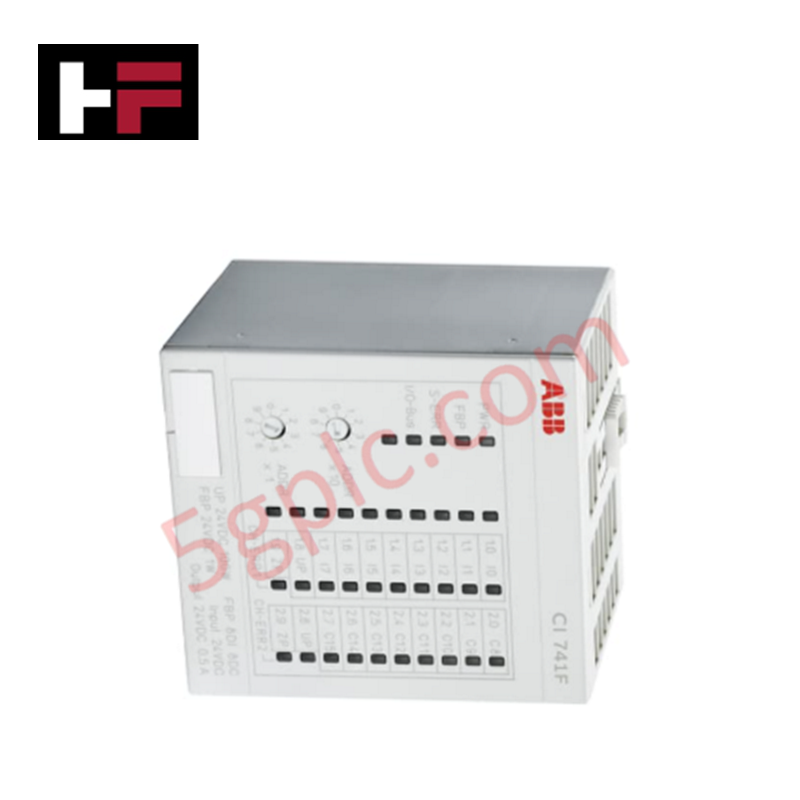
The ABB XVC768101 3BHB007211R0101, also cataloged as the XVC768101 Industrial Automation Module, operates as a dedicated hardware component for [Specific Technical Task] within ABB automation environments. The hardware processes multi-protocol command sequences and industrial parameters directly over the internal architecture to regulate physical actuators and electrical feedback loops. It establishes systematic data mapping across field control components, processing real-time system updates while stabilizing continuous current tracking lines within standard industrial parameters.
Hardware Specifications
| Parameter | Specification |
|---|---|
| Model | XVC768101 3BHB007211R0101 |
| Brand | ABB |
| Origin | Switzerland |
| Weight | 0.50 kg |
| Dimensions | Standard ABB Panel Mount Layout |
| Operating Temp | 0 to +60 deg C |
| Power Consumption | 8 W |
| Product Code | XVC768101 |
| Part Number | 3BHB007211R0101 |
| Core Compatibility | ABB Industrial Automation Architecture |
| Communication Support | Multi-protocol configuration blocks |
Profinet / EtherNet/IP Deterministic Networks and I/O Density Scaling
The internal trace layout of the card is designed to maintain precise data processing boundaries during simultaneous interface updates. When integrating this module alongside devices connected via Profinet / EtherNet/IP deterministic networks, baseline communication variables must be explicitly allocated to ensure that backplane bus cycles match system logic speeds. Proper allocation stabilizes multi-point logic routing and facilitates balanced I/O density scaling without inducing communication packet dropouts or signal conversion latencies.
Frequently Asked Questions
Q: What are the primary hot-swap limitations for the XVC768101 module under a live backplane load?
A: This industrial module is restricted from hot-swapping or live extraction while the main system backplane bus is energized. Removing the hardware under load can generate inductive voltage tracking errors, potentially corrupting active communication registers in adjacent processing cards.
Q: How should internal communication parameters be synchronized if firmware flash compatibility anomalies occur?
A: If a protocol register mismatch is identified, engineers must use the standard system tool to verify the module firmware flash compatibility index against the core controller parameters, forcing an matching software revision reload if necessary.
Field Installation Guidelines
Mount the unit vertically within a secure, grounded control enclosure to limit environmental dust accumulation and structural vibration impacts. Ensure that the metallic chassis or mounting rail is bonded directly to the main copper station earth bus bar utilizing a low-impedance conductor. Route all low-voltage signal cables and digital network links through dedicated, shielded wire channels entirely segregated from high-voltage AC three-phase power lines to prevent electromagnetic cross-talk. Maintain the recommended structural clearance profiles surrounding the module frame to allow unobstructed convective heat dissipation within designated operating limits.
Additional Information
- 100% Genuine Parts: All products are original and authentic, ensuring reliable industrial performance.
- 30-Day Refund Guarantee: Return any in-stock item within 30 days in original, unopened packaging for a full refund (excluding shipping and fees).
- 12-Month Warranty: Covers defects in materials or workmanship; excludes misuse, normal wear, or unauthorized modifications.
- Worldwide Shipping: We ship via USPS, UPS, FedEx, and DHL. Delivery times vary by country and may be subject to customs or import fees.
- Support & Contact: Technical and warranty assistance is available anytime. Contact us here: Contact.
- Purchase Guidance: Check product specifications and compatibility carefully before ordering to ensure proper application.






Tech & Buying Guide

Will PLCs Become Obsolete? The Future of Control Systems in Industry 4.0
Modern manufacturing is undergoing a rapid technological transformation driven by Industry 4.0 innovations. Technologies like Artificial Intelligence (AI), Machine Learning (ML), and the Industrial Internet of Things (IIoT) are dominating discussions across the factory automation sector. Consequently, many engineers wonder if these advanced digital tools will eventually replace traditional Programmable Logic Controllers (PLCs). However, evaluating the core physics of industrial operations reveals a very different reality for control systems.

Demystifying Open Platform Communication (OPC): The Backbone of Industrial Interoperability
Interoperability remains a cornerstone requirement for modern smart factories and process automation. Open Platform Communication (OPC) bridges the gap between disparate hardware platforms, control systems, and visualization software. By establishing a universal communication standard, OPC allows field controllers, SCADA platforms, and enterprise software from different vendors to exchange real-time data seamlessly.

Understanding Siemens PLC Memory Cards: MMC, SMC, and SD Solutions in Industrial Automation
Memory management plays a pivotal role in maintaining control system reliability across modern manufacturing plants. Industrial control systems rely on specialized memory cards to store project logic, firmware updates, and retentive system data. Siemens uses several memory architectures, including Micro Memory Cards (MMC) and SIMATIC Memory Cards (SMC). Engineers must understand these hardware variations to ensure zero data loss and minimize downtime during maintenance routines.