












Product Details
Product Overview
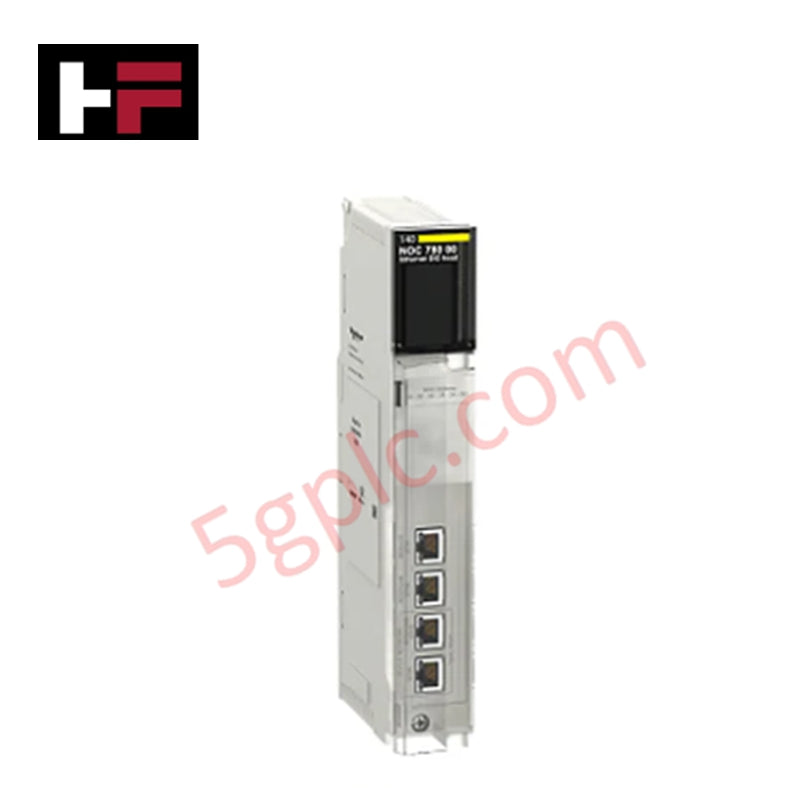
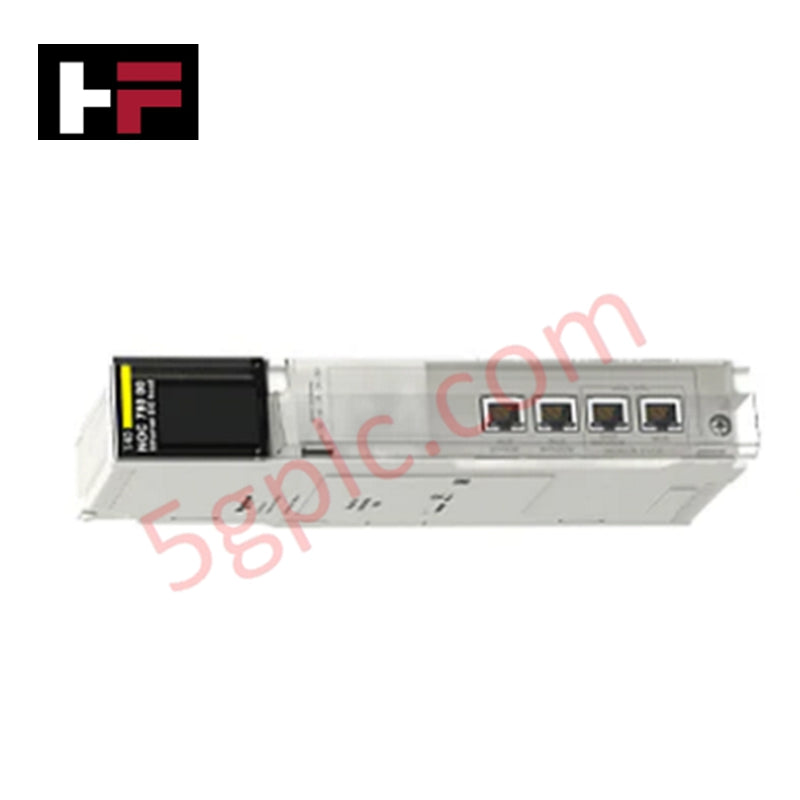
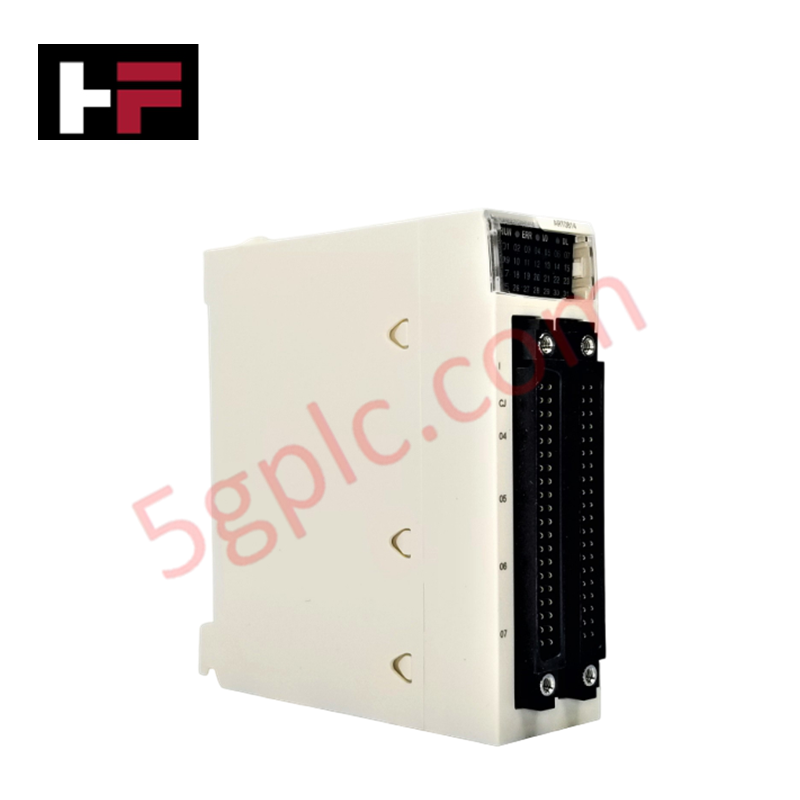
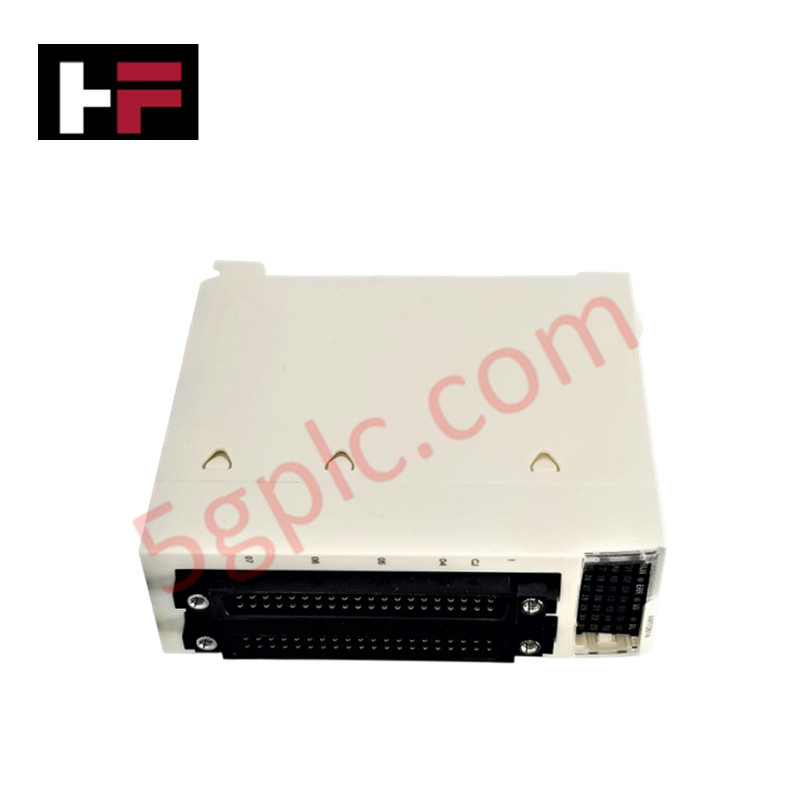
The Schneider Electric 140NOM25200 functions as a high-performance Distributed I/O (DIO) head-end adaptor for the Modicon Quantum automation platform. This module facilitates high-speed data exchange between the central processor and remote I/O drops by integrating fiber optic and copper communication ports. It effectively bridges long distances in industrial environments while maintaining complete electrical isolation through its 820 nm wavelength optical interface. We supply this component as 100% brand new original hardware, ensuring factory-spec signal integrity and maximum uptime for your Modbus Plus network.
Technical Specifications
The 140NOM25200 maintains deterministic communication through precision timing and robust optical power management.
-
Transmission Rate: 1 Mbit/s
-
Port Configuration: 1 x Modbus Plus (Fiber Optic/Copper) and 1 x Modbus RS232 (Twisted Pair)
-
Optical Wavelength: 820 nm
-
Power Loss Budget: * 11 dB: 62.5/125 µm fiber
-
16.5 dB: 100/140 µm fiber
-
6.5 dB: 50/125 µm fiber
-
Dynamic Range: 20 dB
-
I/O Capacity: 30 Inputs / 32 Outputs
-
Connection Interface: 1 x RJ45 and 2 x TX/RX connectors
-
Pulse Width Distortion/Jitter: 5 ns
-
Bus Current Requirement: 750 mA
-
Operating Altitude: Up to 16,404.2 ft (5000 m)
Engineering Advantages
-
Superior EMI Immunity via Fiber Optics: By utilizing fiber optic transmission, the 140NOM25200 eliminates the risk of electromagnetic interference (EMI) and ground loops. This technology allows for stable 1 Mbit/s communication across heavy-duty industrial zones where high-voltage equipment typically disrupts copper-based signals.
-
Precision Timing and Low Jitter: The module features a remarkably low jitter rate of only 5 ns and a rise/fall time of 20 ns. These tight tolerances ensure that high-speed I/O data remains synchronized, preventing communication timeouts or data corruption in large-scale distributed networks.
-
Versatile Optical Power Budgeting: With a dynamic range of 20 dB and a sensitivity scale exceeding 30 dBm, this adaptor accommodates various fiber diameters (50/125 µm to 100/140 µm). This flexibility allows engineers to repurpose existing fiber infrastructure while maintaining a reliable optical link.
-
Comprehensive Diagnostic Checks: The hardware performs continuous internal RAM checks, checksum verifications, and processor status monitoring. These automated self-diagnostics identify potential internal failures before they impact the process, reducing unplanned maintenance labor.
-
Rugged Marine and Hazardous Ratings: Extensive certifications including DNV, RINA, and CSA Class 1 Div 2 permit deployment in offshore platforms, merchant navy vessels, and explosive atmospheres. The conformal-ready design withstands 95% humidity and temperatures up to 140 °F (60 °C).
FAQs
-
What is the maximum distance supported by the fiber ports?
Distance depends on the fiber type and the power loss budget (e.g., 11 dB for 62.5/125 µm). Typically, this allows for several kilometers of separation between the head-end and the remote drop, far exceeding the limits of standard copper Modbus Plus.
-
Does the 140NOM25200 support RS232 programming?
Yes. The module includes a dedicated Modbus RS232 twisted pair port. This allows technicians to connect local diagnostic tools or HMIs directly to the head-end for real-time monitoring of the DIO link.
-
Can I use different fiber sizes on the same network?
The module is compatible with 50/125, 62.5/125, and 100/140 µm fibers. However, you must ensure that all components in a single optical segment share the same core/cladding size to avoid excessive signal loss at junctions.
-
Is this a refurbished or "new old stock" unit?
No. We guarantee this 140NOM25200 is 100% Brand New original factory stock. It arrives in its original Schneider Electric PCE packaging with matching serial numbers and a GTIN-compliant label.
Additional Information
- 100% Genuine Parts: All products are original and authentic, ensuring reliable industrial performance.
- 30-Day Refund Guarantee: Return any in-stock item within 30 days in original, unopened packaging for a full refund (excluding shipping and fees).
- 12-Month Warranty: Covers defects in materials or workmanship; excludes misuse, normal wear, or unauthorized modifications.
- Worldwide Shipping: We ship via USPS, UPS, FedEx, and DHL. Delivery times vary by country and may be subject to customs or import fees.
- Support & Contact: Technical and warranty assistance is available anytime. Contact us here: Contact.
- Purchase Guidance: Check product specifications and compatibility carefully before ordering to ensure proper application.
Tech & Buying Guide
PLC vs. PAC: Navigating Selection in Modern Industrial Automation
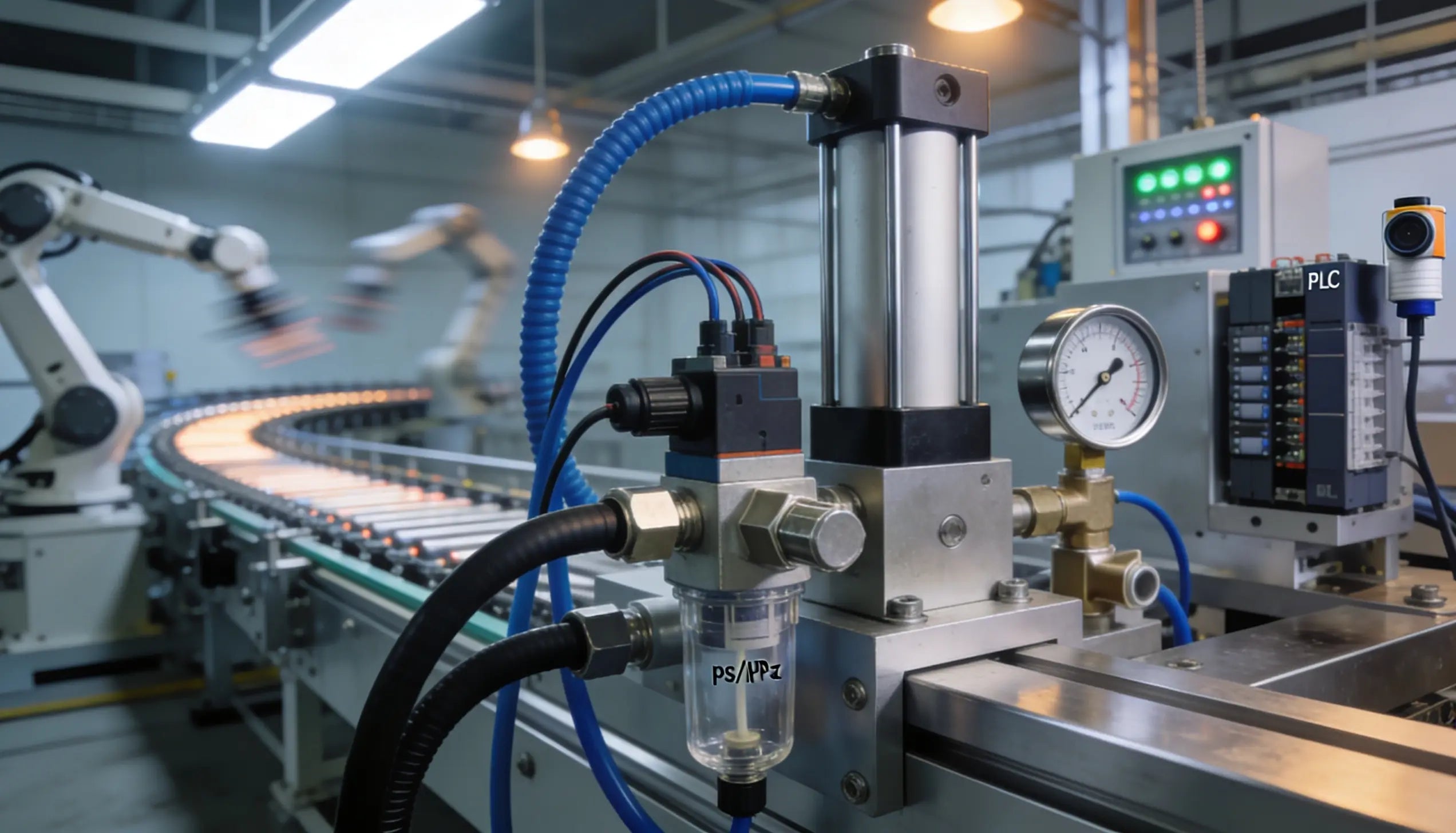
Selecting the right controller is a fundamental decision in industrial automation. While the lines between Programmable Logic Controllers (PLC) and Programmable Automation Controllers (PAC) often blur, understanding their core architectural differences is essential for system reliability. Both controllers serve as the brain of control systems, yet their specific capabilities dictate their suitability for various factory automation tasks.
Transforming Textile Manufacturing: The Strategic Integration of Industrial Automation and AI
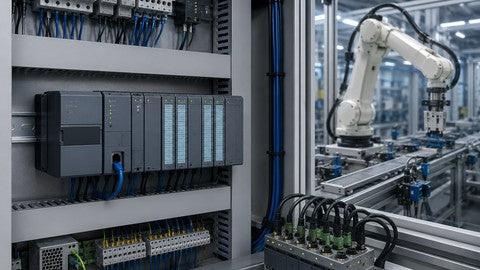
The textile industry stands at a critical technological crossroads. Legacy operations must now embrace digital transformation to remain competitive in a global market. By integrating advanced industrial automation—ranging from PLC-controlled machinery to sophisticated AI-driven analytics—manufacturers can significantly boost productivity, minimize material waste, and elevate overall product quality.
Navigating Industrial Communication Protocols: A Technical Guide for Modern PLCs
In the realm of industrial automation, the Programmable Logic Controller (PLC) serves as the brain of the factory floor. However, its true power is unlocked through robust communication protocols. These digital pathways ensure seamless data exchange between controllers, sensors, and enterprise-level management systems.