










Product Details
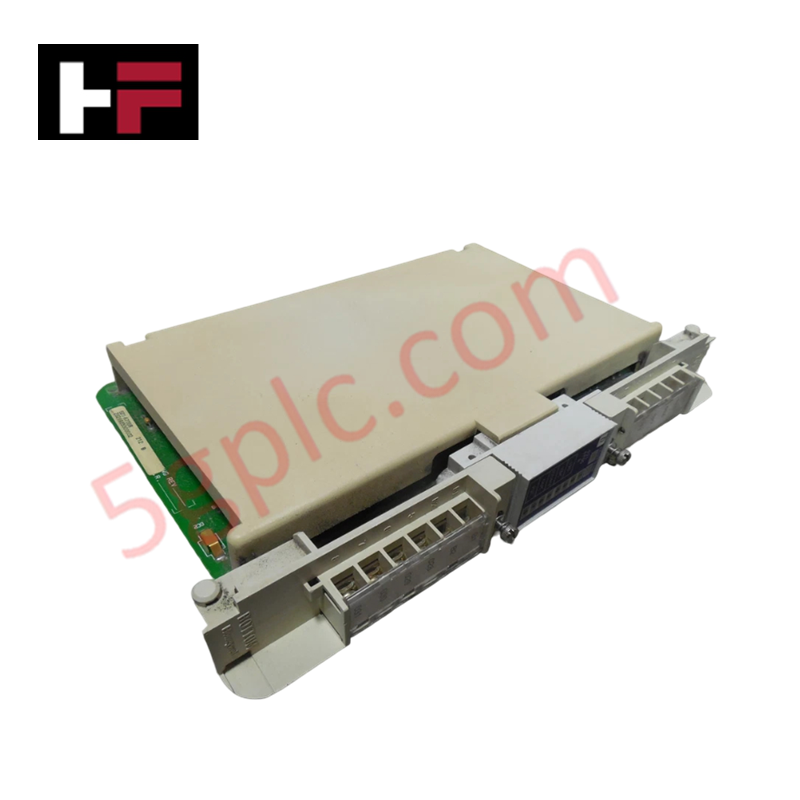
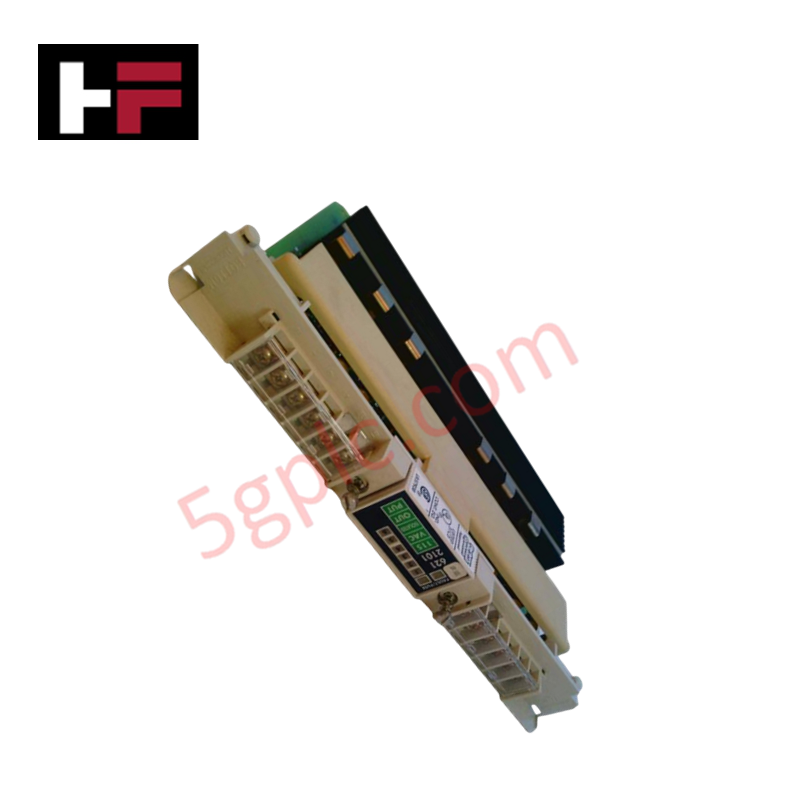
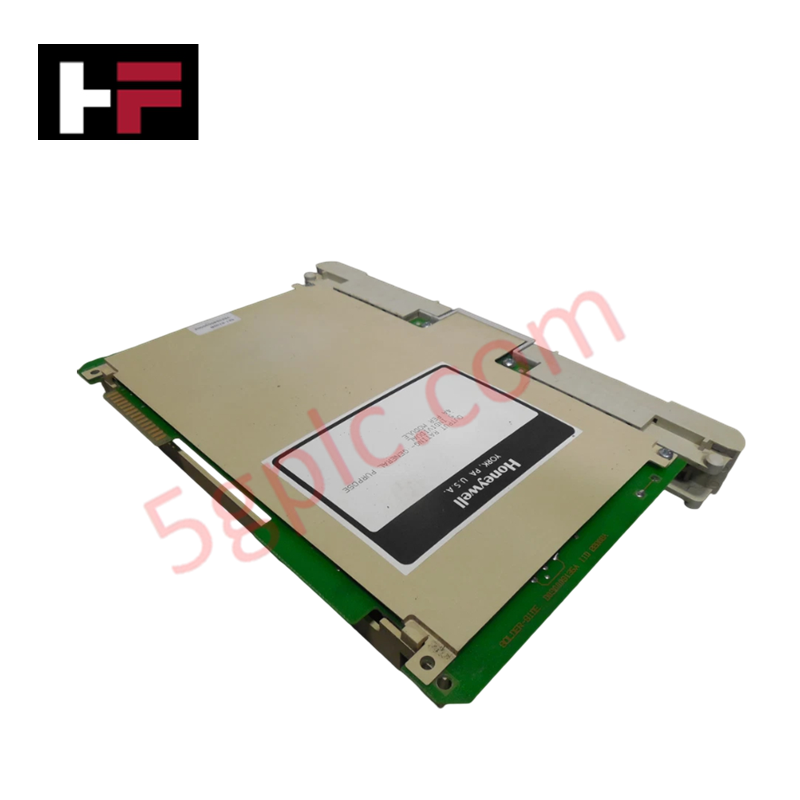
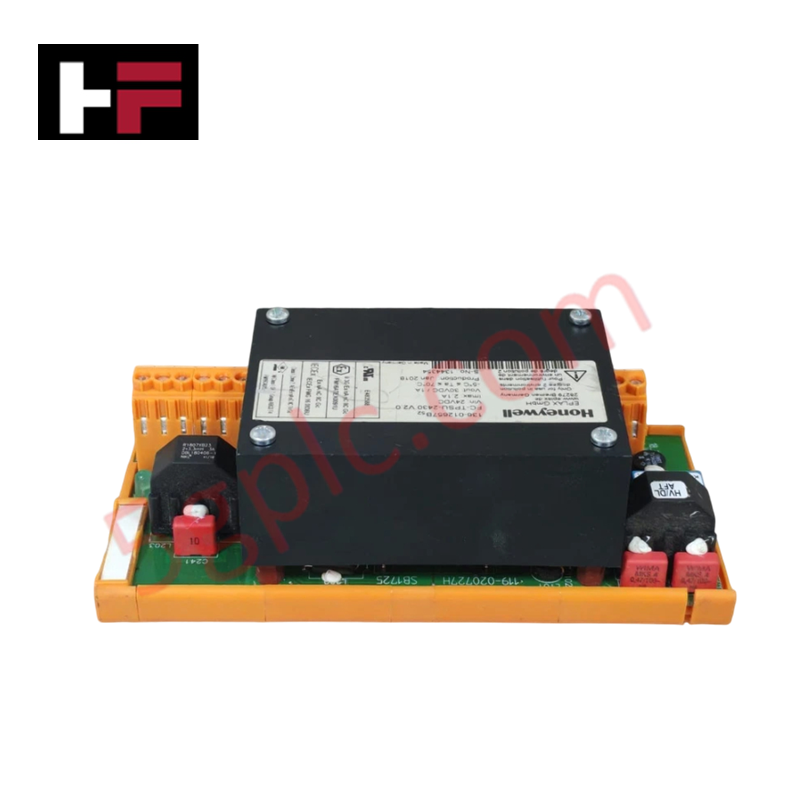
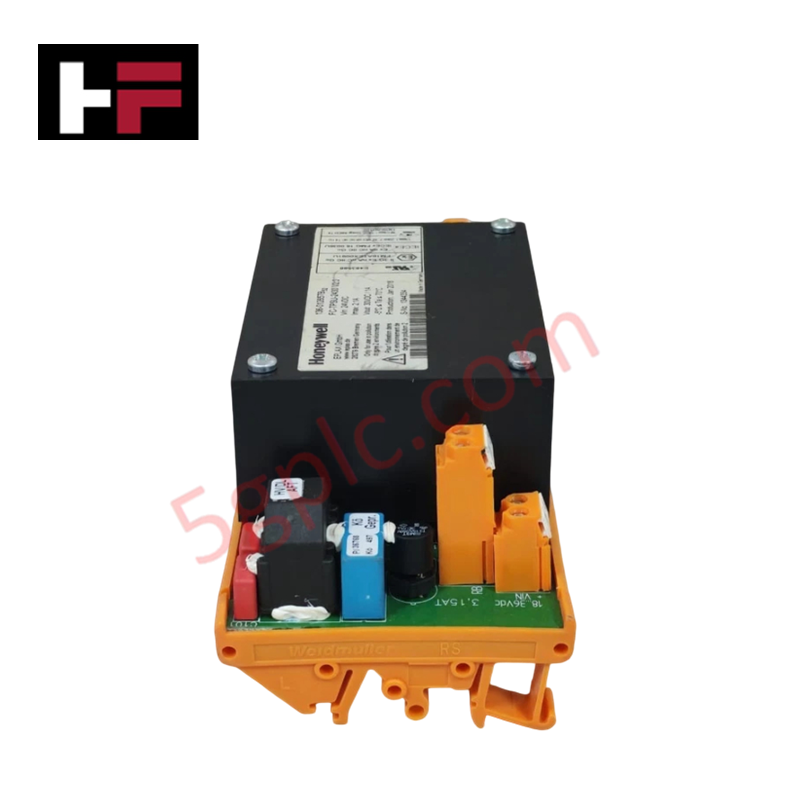
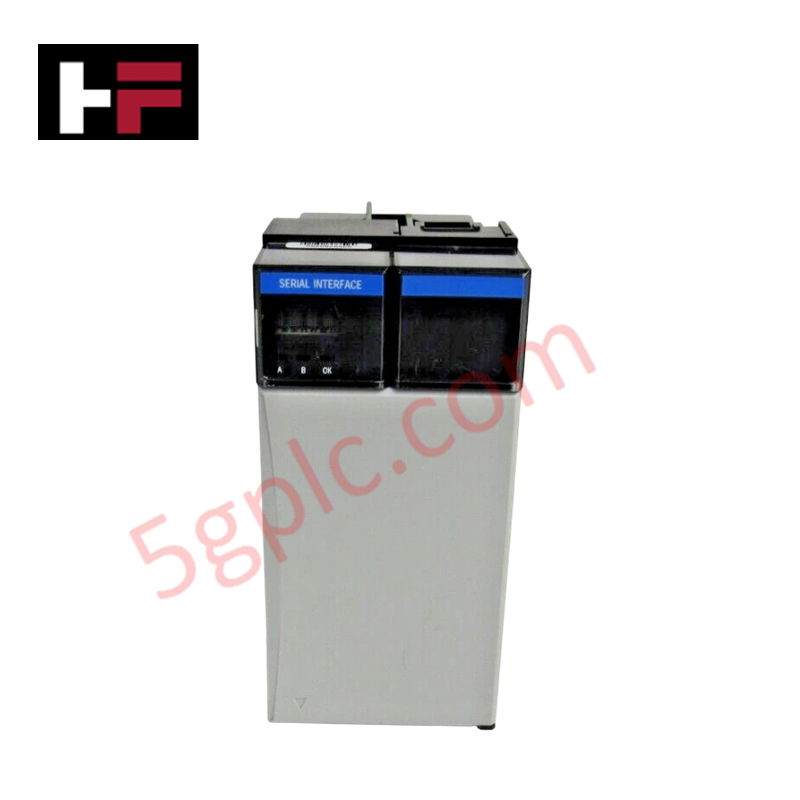
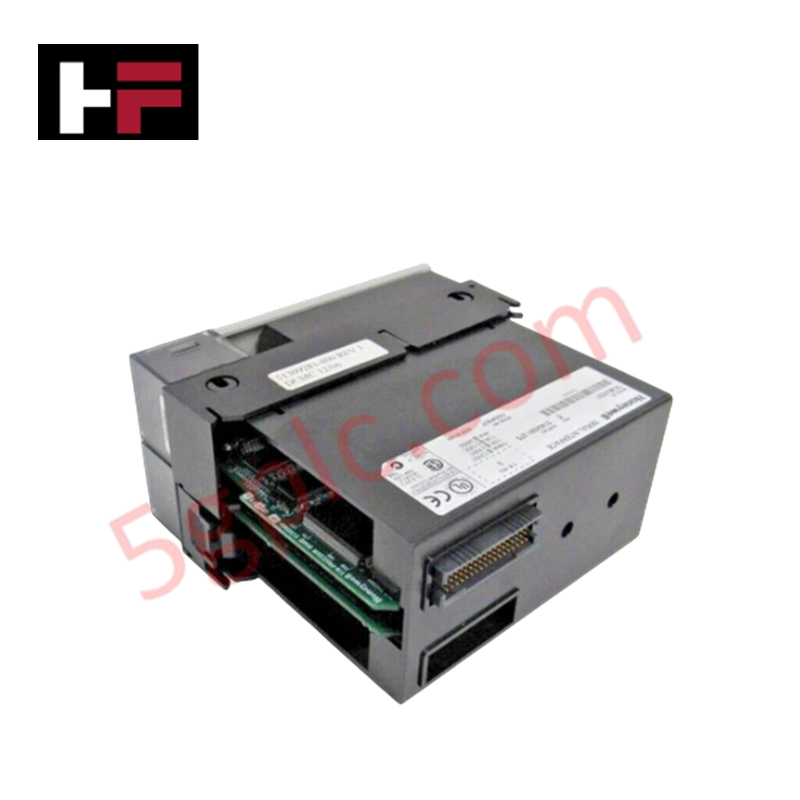
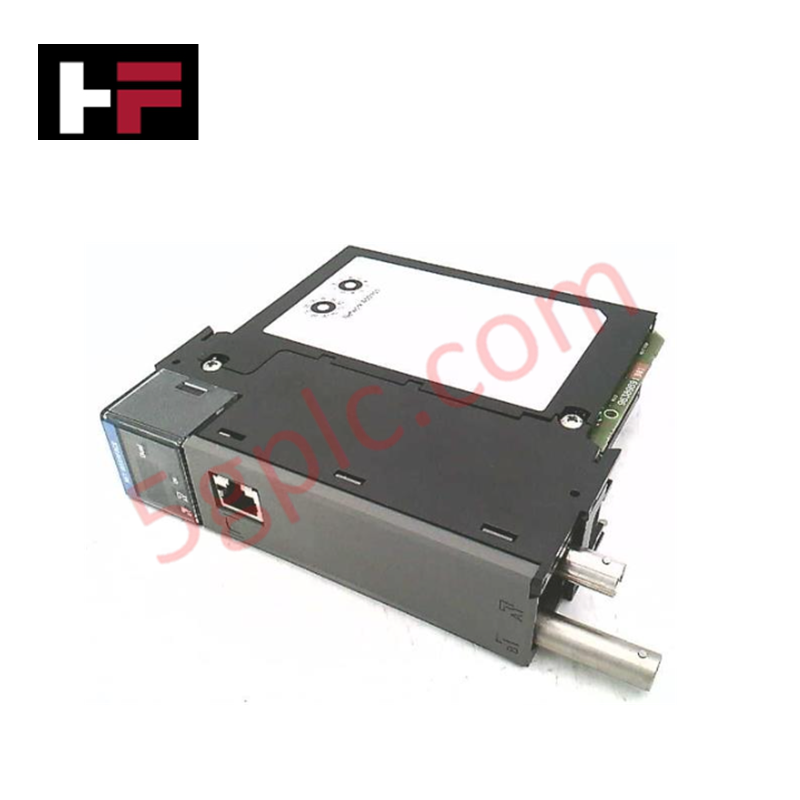
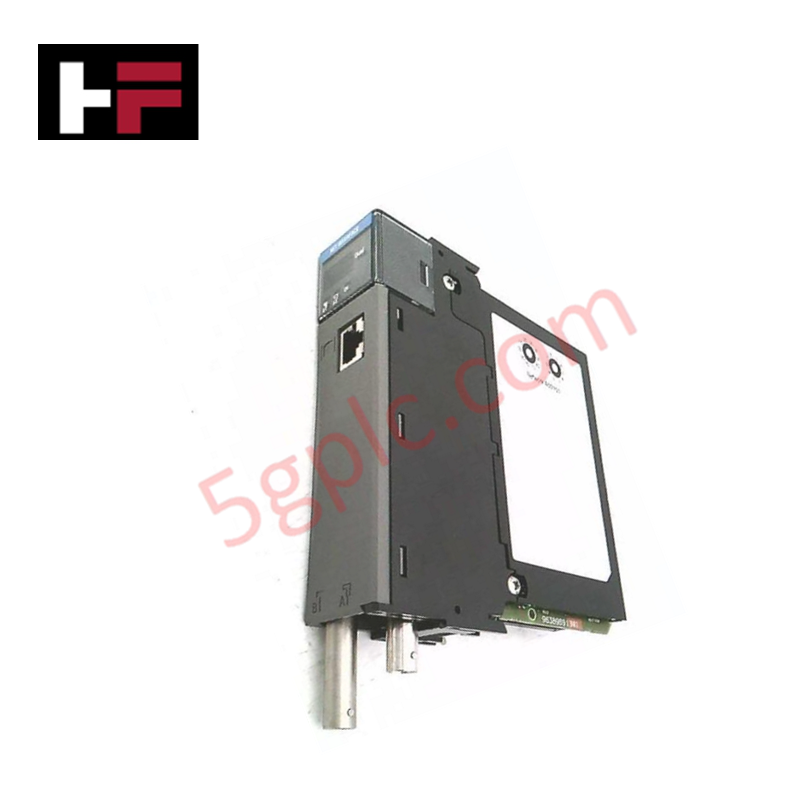
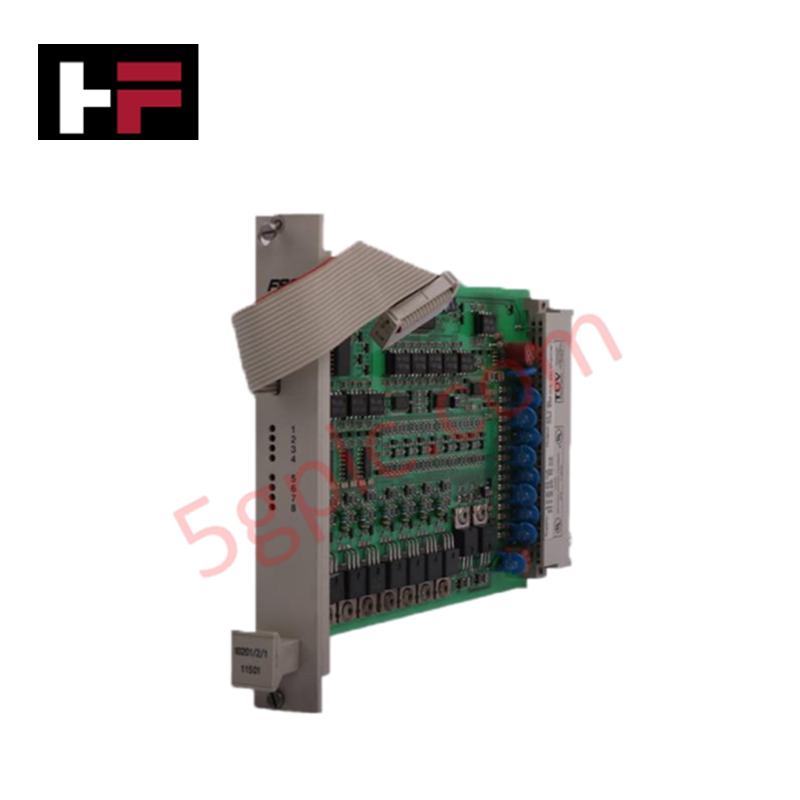
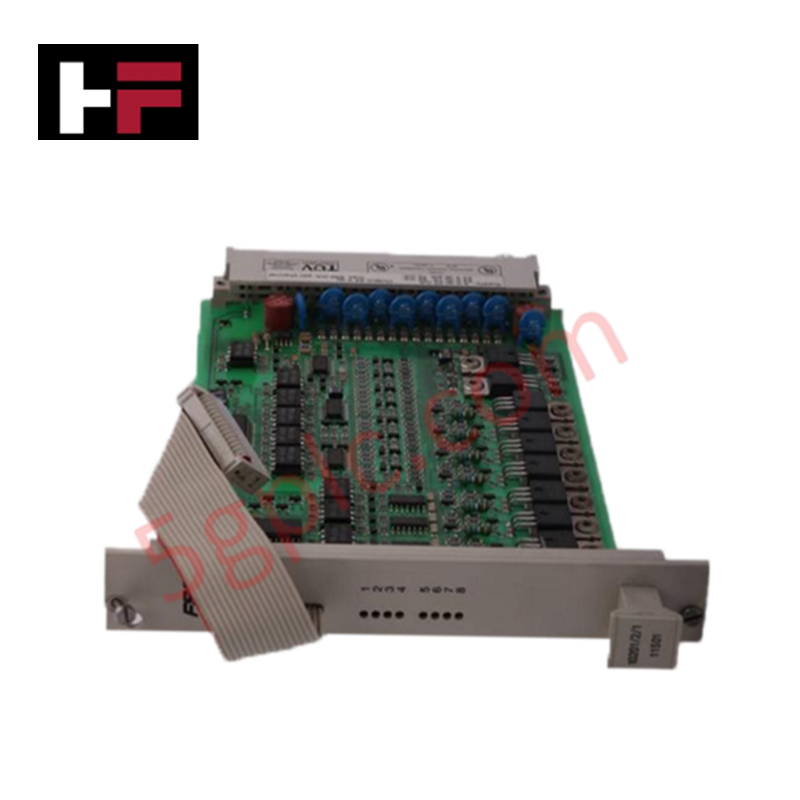
Configured for 90–130 VDC discrete signal actuation in Honeywell IPC 620 series controller platforms, the Honeywell 621-6700R (621-6700R Digital Output Module) provides direct physical/electrical execution. This 8-point discrete interface module routes control logic signals directly to high-voltage field loads. Electrical switching operates within dedicated DC thresholds, driving external relays, solenoids, and contactors across the controller backplane architecture.
Hardware Specifications
| Parameter | Specification |
|---|---|
| Model | 621-6700R |
| Brand | Honeywell |
| Origin | USA |
| Weight | 0.65 kg |
| Dimensions | 210 mm x 125 mm x 35 mm |
| Operating Temp | 0 to 60 deg C |
| Power Consumption | 4.5 W |
| Module Type | Digital Output Module |
| Number of Outputs | 8 points (isolated) |
| Voltage Range | 90–130 VDC |
| Current Rating | 0.5 A max per point |
| Output Type | Discrete DC Switching |
Channel-to-Channel Isolation
The 621-6700R features channel-to-channel isolation parameters to prevent ground loops and electrical noise propagation across the backplane bus. Galvanic separation between individual field circuits ensures cross-talk suppression during high-voltage switching operations. This isolation barrier safeguards internal rack logic buses against field-side voltage spikes, inductive back-EMF, and common-mode transient interference during continuous discrete load actuation.
Frequently Asked Questions
Q: Can the 621-6700R module be hot-swapped while the rack backplane is energized?
A: No. Hot-swapping is strictly prohibited. The main rack power supply must be completely de-energized prior to inserting or removing the module to prevent electrical arcing, backplane logic corruption, or hardware damage.
Q: What are the primary isolation limits between channels on this output card?
A: Individual channels maintain galvanic isolation designed to eliminate cross-talk and prevent ground potential differences from affecting adjacent switching circuits during operation.
Q: What is the maximum continuous current rating per individual output point?
A: Each output channel supports a maximum continuous inductive or resistive load of 0.5 A across the 90–130 VDC operating voltage range.
Field Installation Guidelines
- Turn off all main chassis power and verify that input field power source supply lines are isolated prior to card insertion.
- Align the module card edges with the designated guide rails of the IPC 620 chassis slot, pushing firmly until the backplane connector locks into place.
- Observe strict DC wiring polarity on the terminal block before energizing field circuits.
- Separate high-voltage 90–130 VDC load cables from low-voltage DC logic and communication lines using distinct conduit paths.
- Secure field wiring terminals to the specified torque limit to avoid high-resistance contacts under mechanical vibration.
- Connect all cable shields to a dedicated, low-impedance single-point field ground bus bar.
Additional Information
- 100% Genuine Parts: All products are original and authentic, ensuring reliable industrial performance.
- 30-Day Refund Guarantee: Return any in-stock item within 30 days in original, unopened packaging for a full refund (excluding shipping and fees).
- 12-Month Warranty: Covers defects in materials or workmanship; excludes misuse, normal wear, or unauthorized modifications.
- Worldwide Shipping: We ship via USPS, UPS, FedEx, and DHL. Delivery times vary by country and may be subject to customs or import fees.
- Support & Contact: Technical and warranty assistance is available anytime. Contact us here: Contact.
- Purchase Guidance: Check product specifications and compatibility carefully before ordering to ensure proper application.


Tech & Buying Guide

Human-Machine Interface Design: Essential Guide to HMI Selection, Visualization, and Control System Integration
Human-Machine Interfaces (HMIs) serve as the primary operational window into complex industrial automation systems. Modern HMIs convert raw machine data into clear graphical displays, enabling operators to oversee entire manufacturing processes in real time. Instead of relying on physical control panels full of hardwired switches, engineers program interactive screens using intuitive graphics, dynamic color coding, and responsive touch interfaces. Over my 15 years in control systems engineering, I have observed HMIs transform from basic display screens into sophisticated command centers that drive operational efficiency across DCS and PLC environments.

Understanding Safety Relays in Industrial Automation: Architecture, Operation, and Functional Safety
Standard electromechanical relays provide basic electrical isolation between low-voltage control circuits and high-power output loads. A traditional switching relay features a magnetic coil driving mechanical Common (COM), Normally-Open (NO), and Normally-Closed (NC) contacts. However, standard relays pose severe functional risks when deployed in critical safety interlock circuits. High current inrush or mechanical wear can weld contacts together permanently. If contact welding occurs in an emergency stop circuit, pressing the button fails to halt hazardous machinery movements. Consequently, global functional safety standards prohibit standard relays for critical machine guarding functions.

Mastering Wire Identification in Industrial Automation: The Power of Ferrules and Cross-Ferruling
Proper wire labeling forms the cornerstone of reliable control system installation and long-term maintenance. In complex industrial automation environments, technicians terminate thousands of conductor ends inside control panels, marshalling racks, and field junction boxes. Ferrules serve as individual tube-shaped sleeve markers slipped onto conductors before final termination. While technicians historically relied on pre-printed individual letter rings, modern control panel builders utilize automated ferrule printing machines. These thermal-transfer printers generate durable, single-sleeve heat-shrink tags directly matching approved wiring schematics, significantly accelerating cabinet assembly workflows.