












Product Details
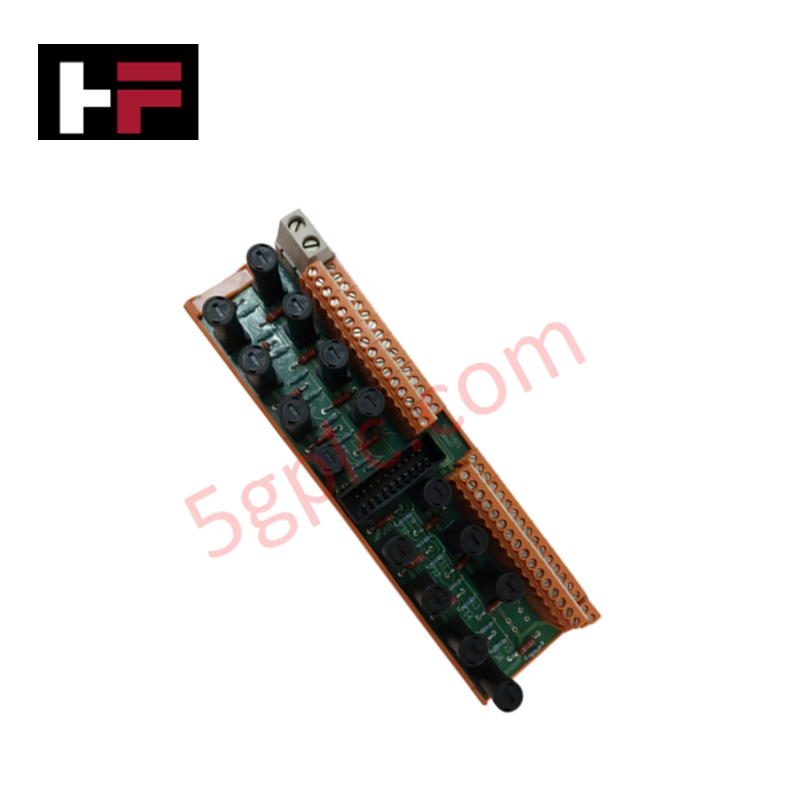
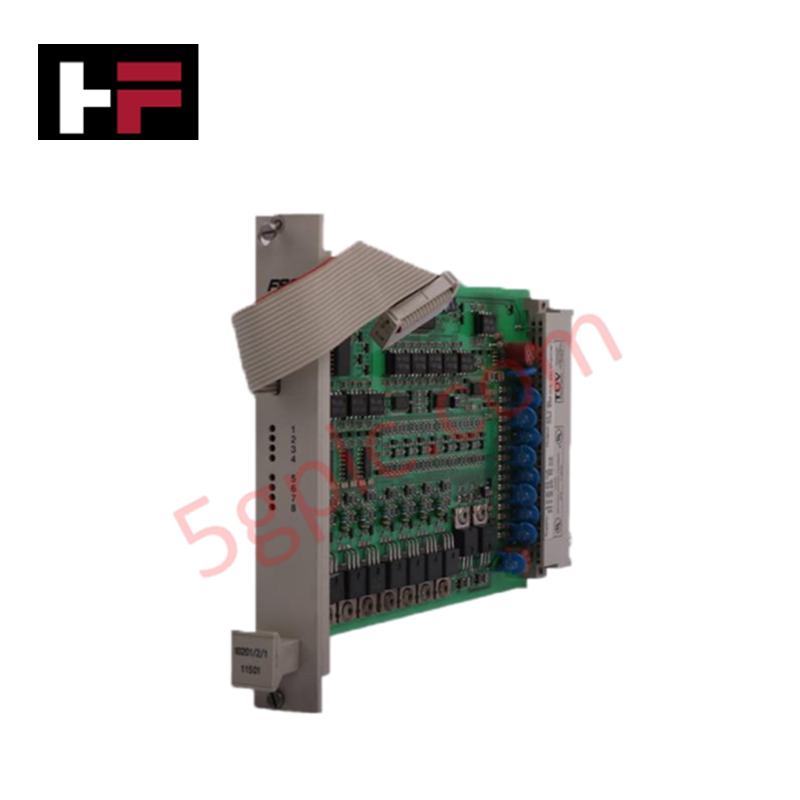
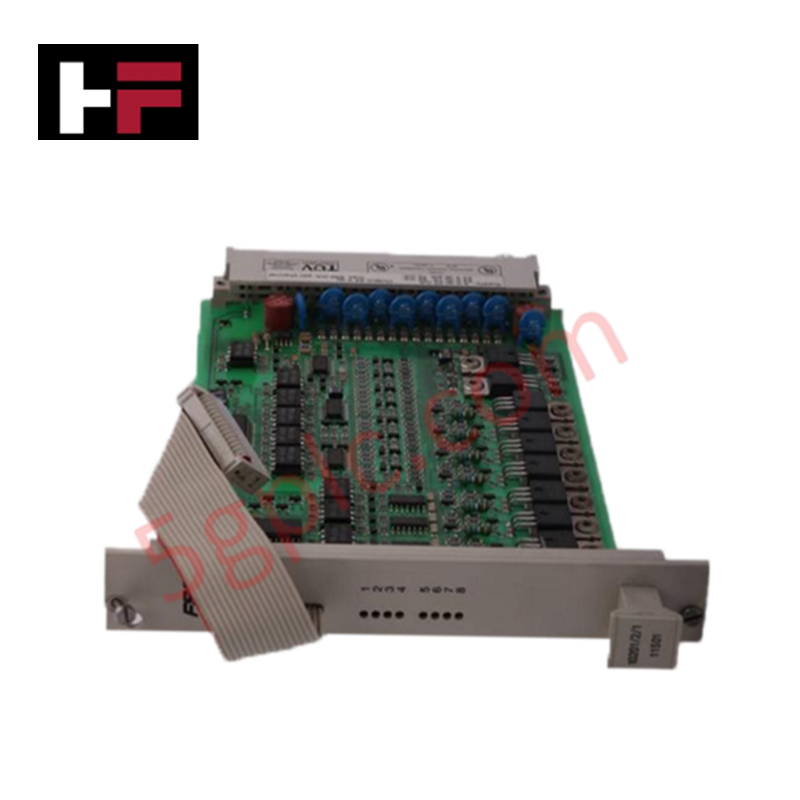
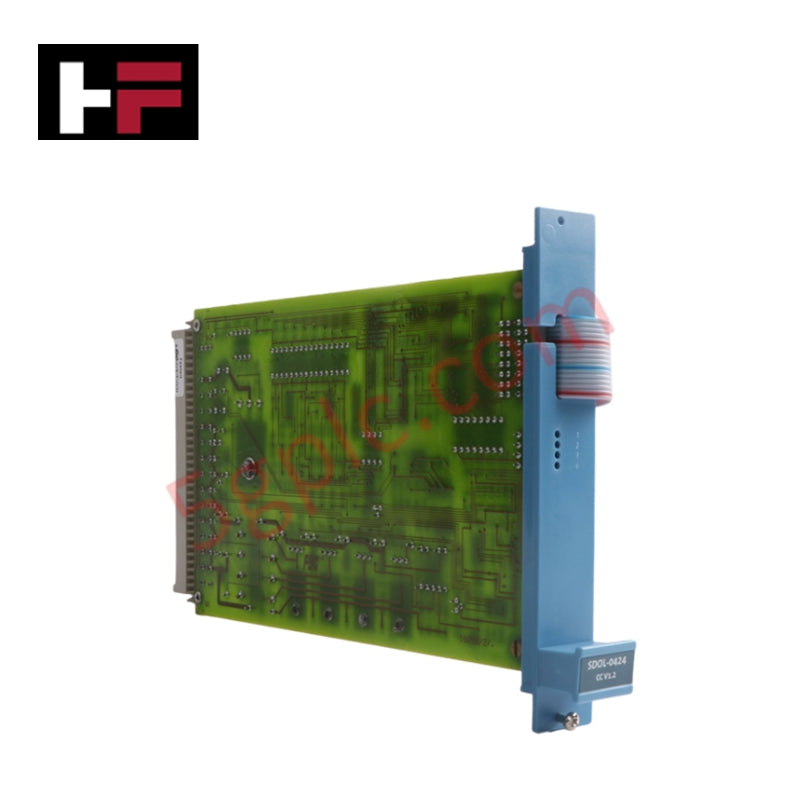
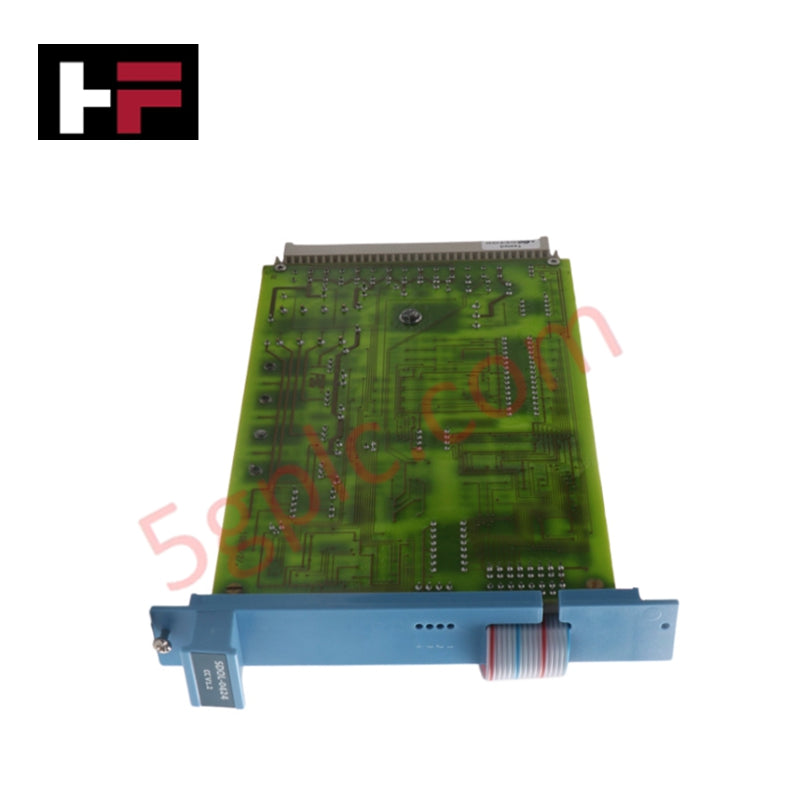
The Honeywell FS-TSGAS-1624, also cataloged as the FS-TSGAS-1624 Fail-Safe Gas-Flame Detector Input Field Termination Assembly, operates as a dedicated hardware component for gas-flame detector signal conversion and routing within safety instrumented systems.
Hardware Specifications
| Parameter | Specification |
|---|---|
| Model | FS-TSGAS-1624 |
| Brand | Honeywell |
| Origin | OEM Standard |
| Weight | 3.0 kg |
| Dimensions | Standard FTA Form Factor |
| Operating Temp | 0 deg C to 60 deg C |
| Power Consumption | 24 VDC external, 3 mA (without field loads) |
| Input Channels | 16 analog inputs (0-20 mA) with common 0 V reference |
| Input Resistance | 500 Ohm (+/- 5%) |
| Output Signal | 0-4 VDC to SAI-1620m module (0.1% accuracy) |
Channel-to-Channel Isolation and Loop Protocol
The termination assembly conditions 16-channel 0-20 mA analog inputs and provides precise 0-4 VDC scaling to the downstream SAI-1620m module with 0.1% accuracy. Channel-to-channel isolation and galvanic decoupling protect internal logic circuits from common-mode electrical noise. Integration with 4-20 mA HART loop protocol compatibility layers ensures simultaneous analog process variable monitoring and digital communication without signal attenuation.
Frequently Asked Questions
Q: What is the input resistance specification for the analog input channels?
A: Each input channel features an input resistance of 500 Ohm (+/- 5%) to properly match 0-20 mA field loop transmitters.
Q: How does the module interface with the central controller hardware?
A: The unit processes 16 analog input channels and outputs a scaled 0-4 VDC signal with 0.1% accuracy directly to the SAI-1620m module.
Field Installation Guidelines
- Ensure all external 24 VDC power supplies and field signal loops are fully de-energized before handling the termination assembly.
- Mount the unit securely onto the designated panel or DIN rail within the system cabinet, establishing a solid earth ground connection.
- Terminate incoming 0-20 mA field transmitter wires to the appropriate screw terminals, maintaining proper shielding to prevent electromagnetic interference.
- Verify input supply voltage and 0-4 VDC output scaling levels prior to energizing the safety instrumented loops.
Additional Information
- 100% Genuine Parts: All products are original and authentic, ensuring reliable industrial performance.
- 30-Day Refund Guarantee: Return any in-stock item within 30 days in original, unopened packaging for a full refund (excluding shipping and fees).
- 12-Month Warranty: Covers defects in materials or workmanship; excludes misuse, normal wear, or unauthorized modifications.
- Worldwide Shipping: We ship via USPS, UPS, FedEx, and DHL. Delivery times vary by country and may be subject to customs or import fees.
- Support & Contact: Technical and warranty assistance is available anytime. Contact us here: Contact.
- Purchase Guidance: Check product specifications and compatibility carefully before ordering to ensure proper application.


Tech & Buying Guide
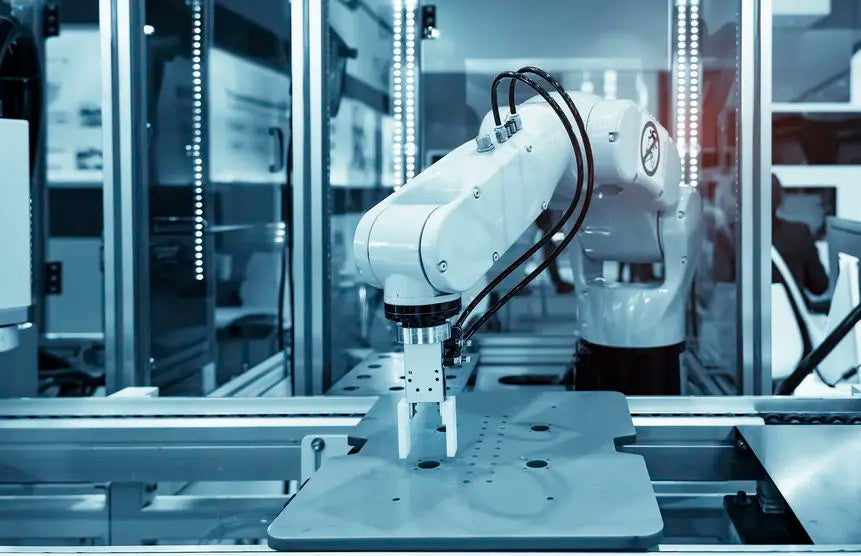
Comprehensive Guide to PLC Types in Modern Industrial Automation
Modern industrial automation relies on programmable logic controllers to govern critical factory operations. System integrators classify PLCs based on scale, hardware architecture, and power supply design. Understanding these core categories enables automation engineers to select the right control system architecture. Consequently, proper hardware selection optimizes performance while minimizing long-term operational costs.

Demystifying the DDE Protocol in Legacy Industrial Automation Systems
Modern control systems rely heavily on seamless interprocess communication to exchange operational data between software programs. Microsoft first introduced the Dynamic Data Exchange (DDE) protocol in 1987 to enable real-time data sharing. In factory automation, DDE served as an early bridge between control software and Windows desktop applications. Therefore, understanding DDE mechanics provides crucial insights into how legacy industrial networks established software-level connectivity.

Demystifying CPU Communication Ports in Siemens PLC Architectures
Industrial automation relies heavily on robust data exchange between devices. Without seamless connectivity, field instruments, network switches, human-machine interfaces, and programmable logic controllers cannot coordinate effectively. Therefore, understanding the various CPU communication ports available in Siemens hardware ensures efficient factory automation design and seamless system integration.