










Product Details
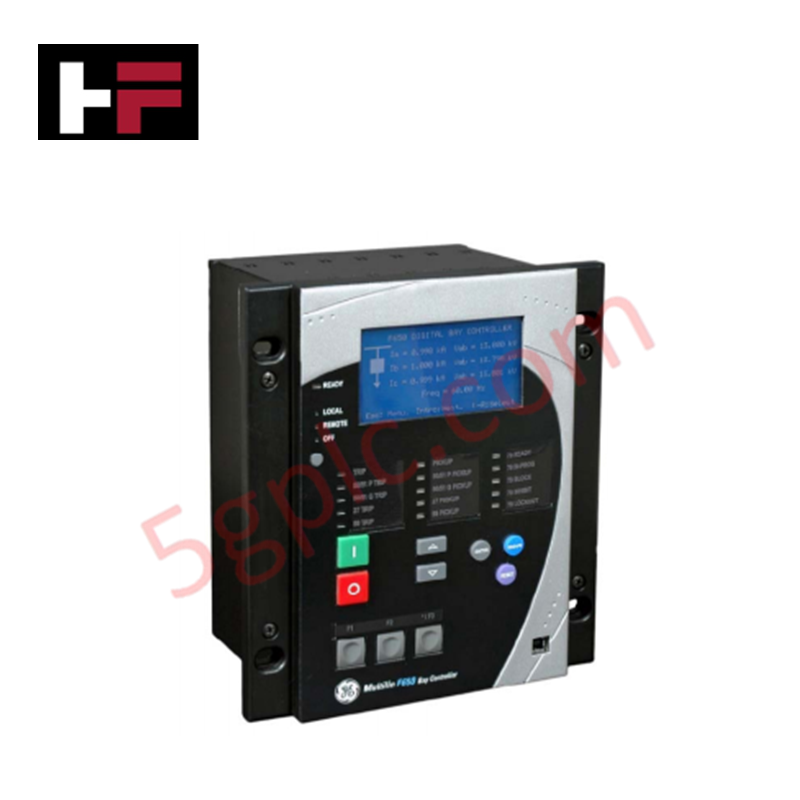
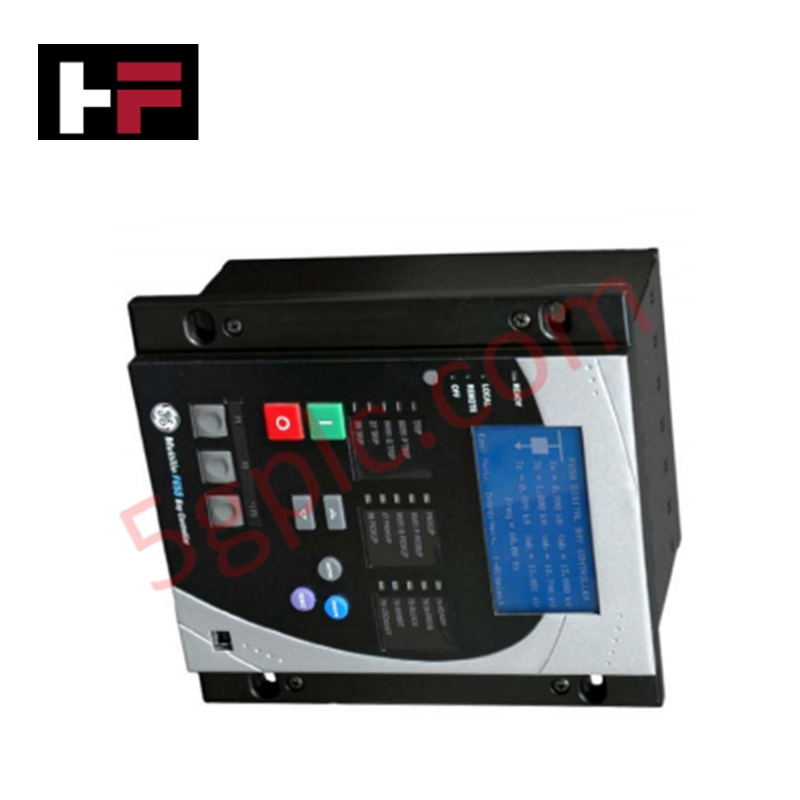
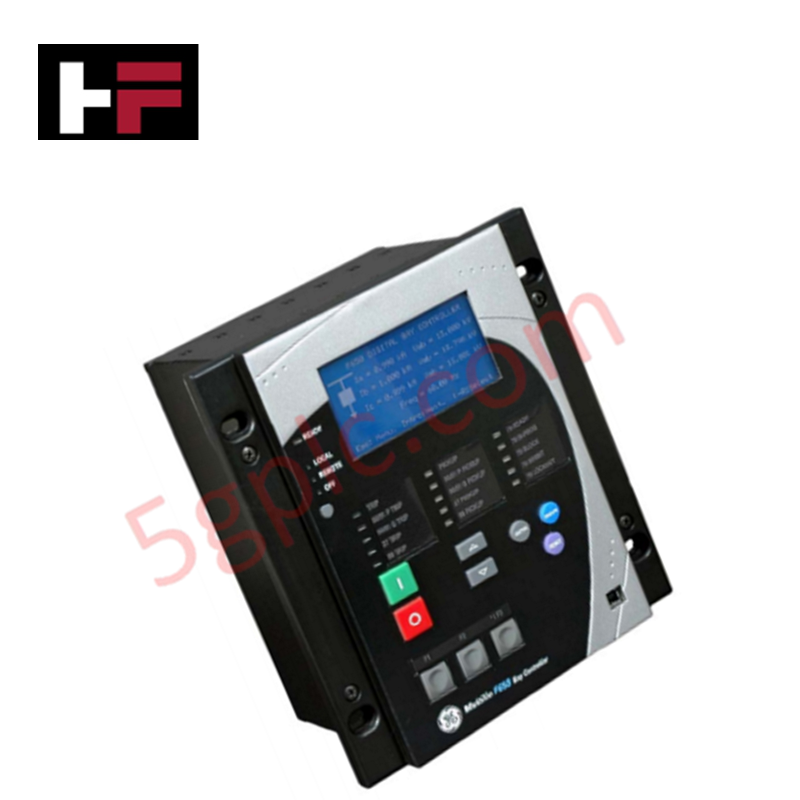
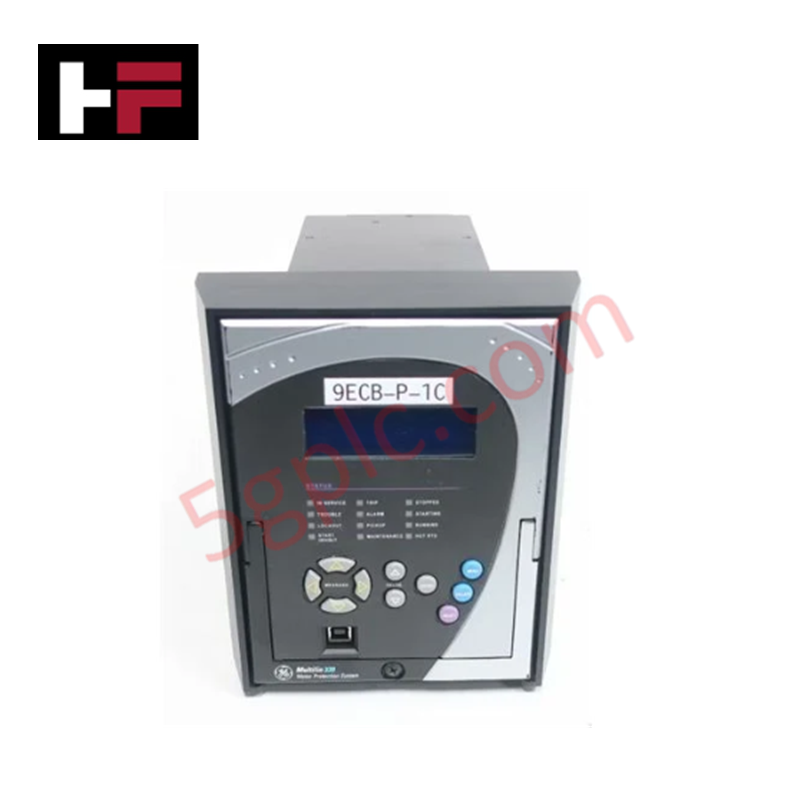
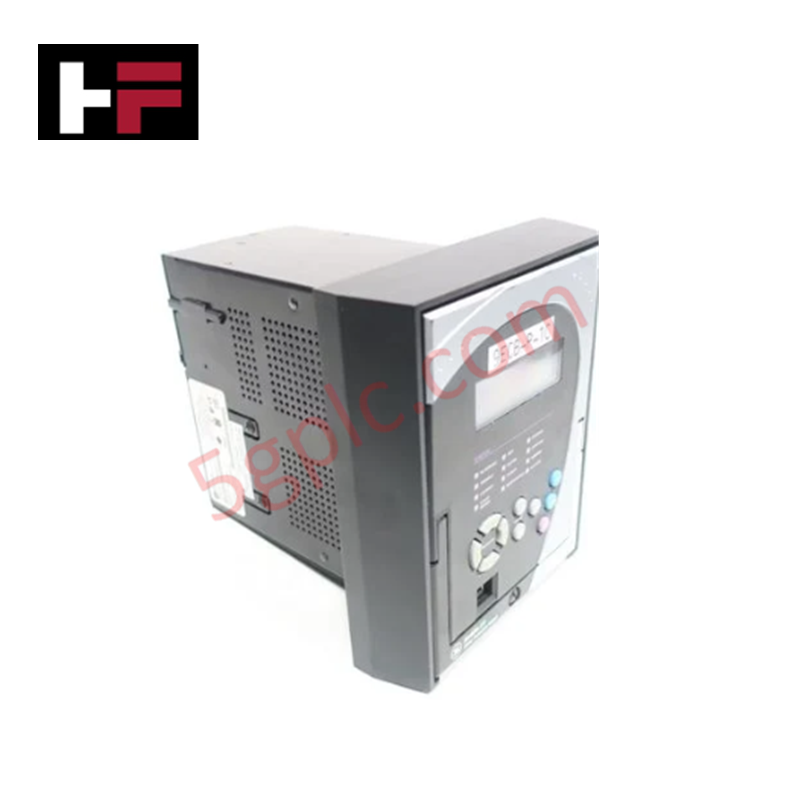
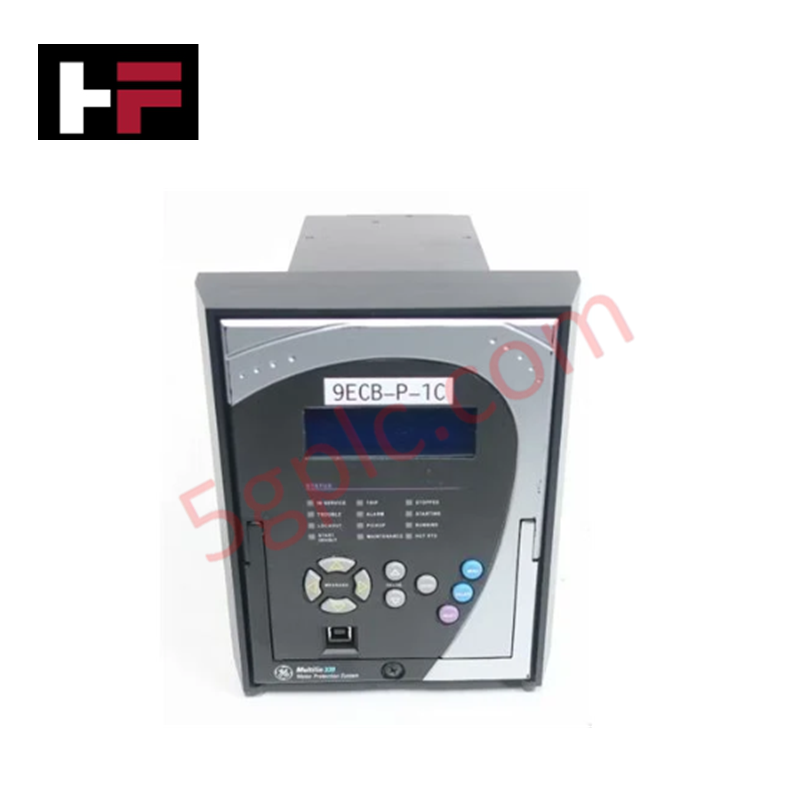
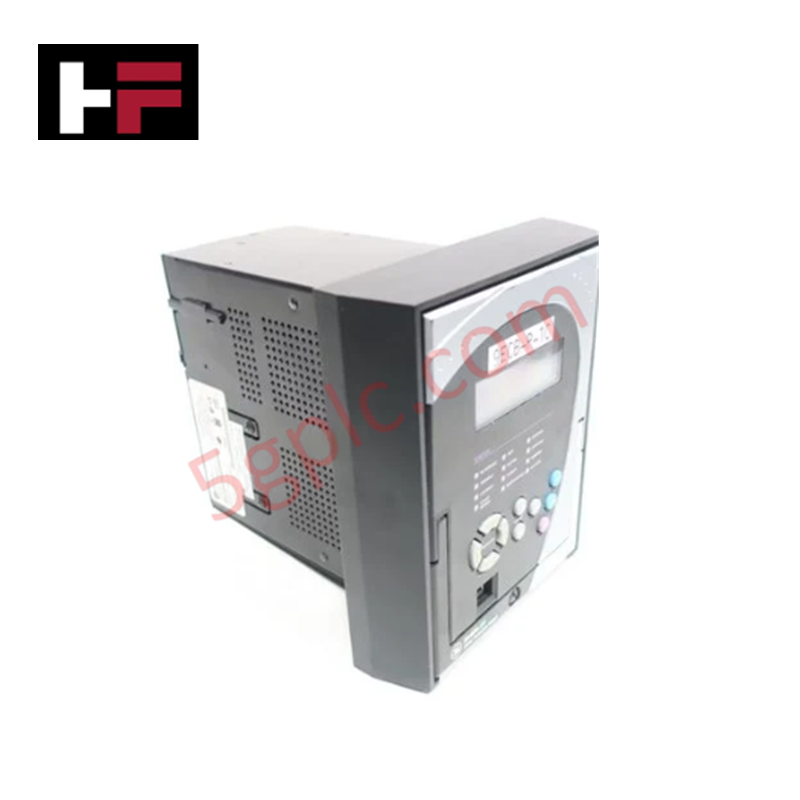
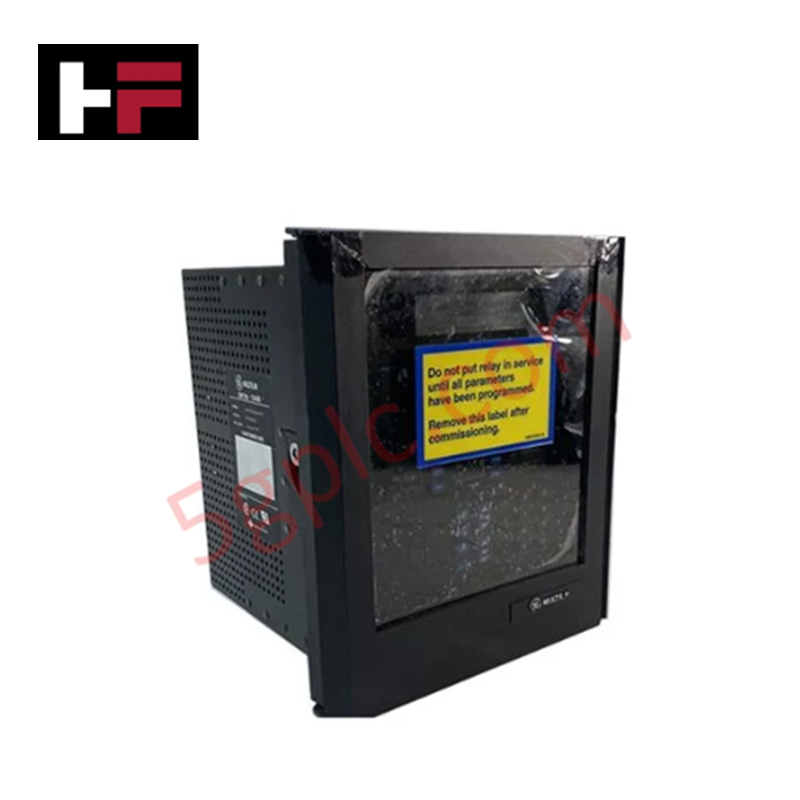
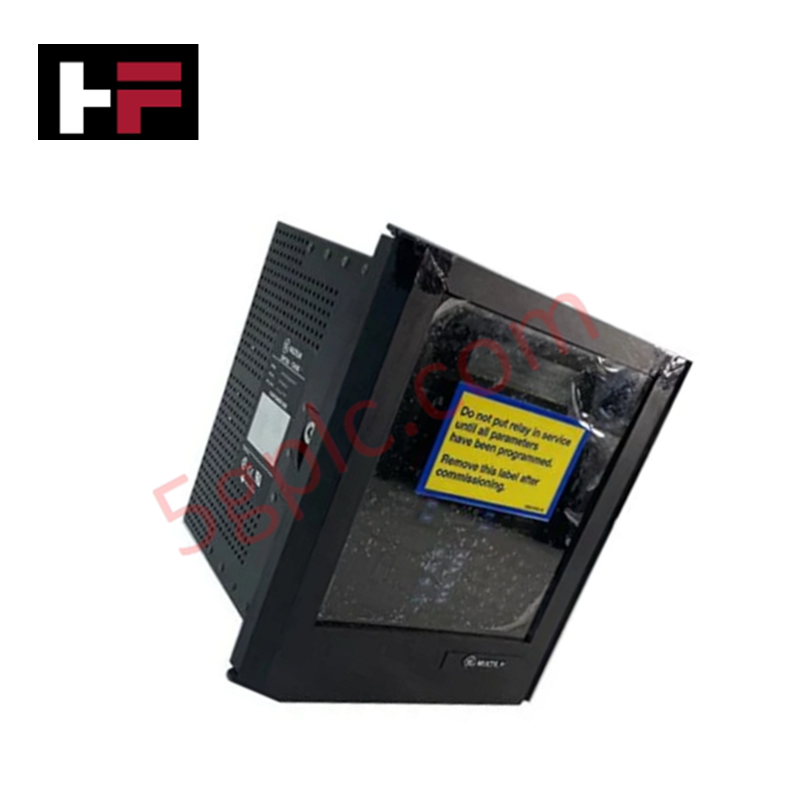
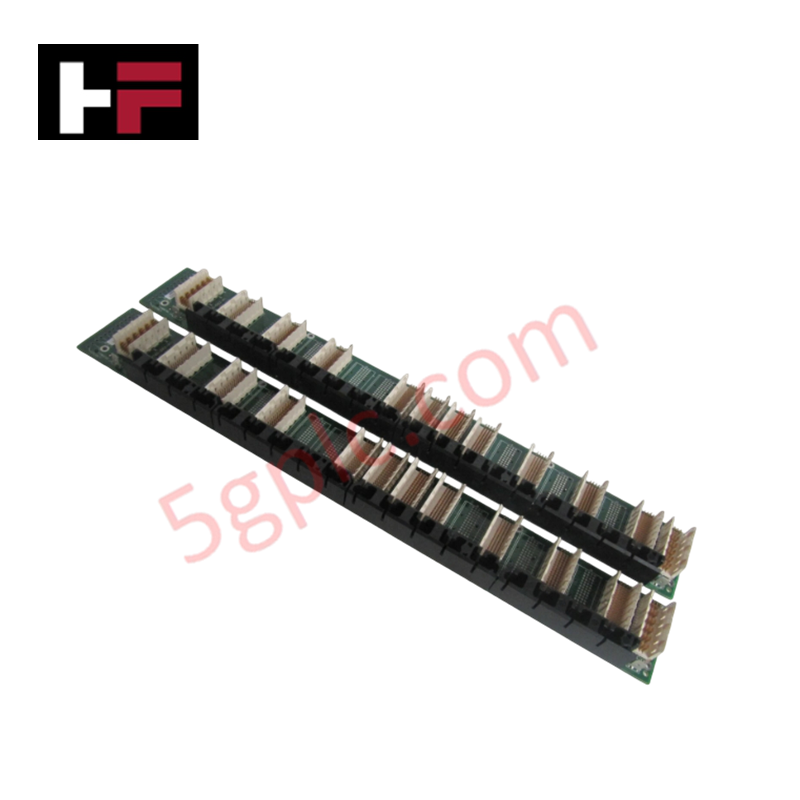
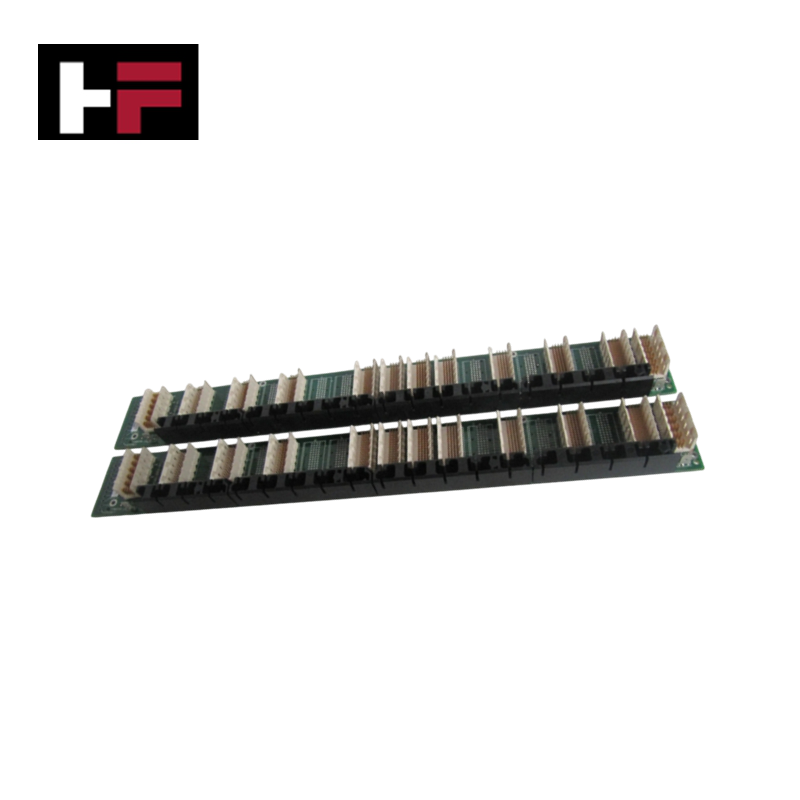
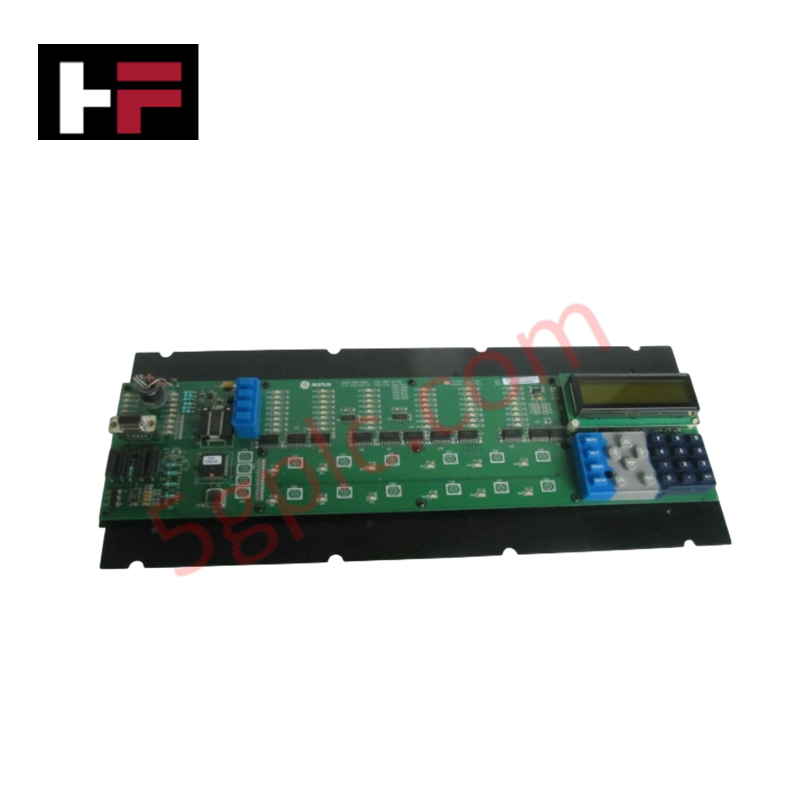
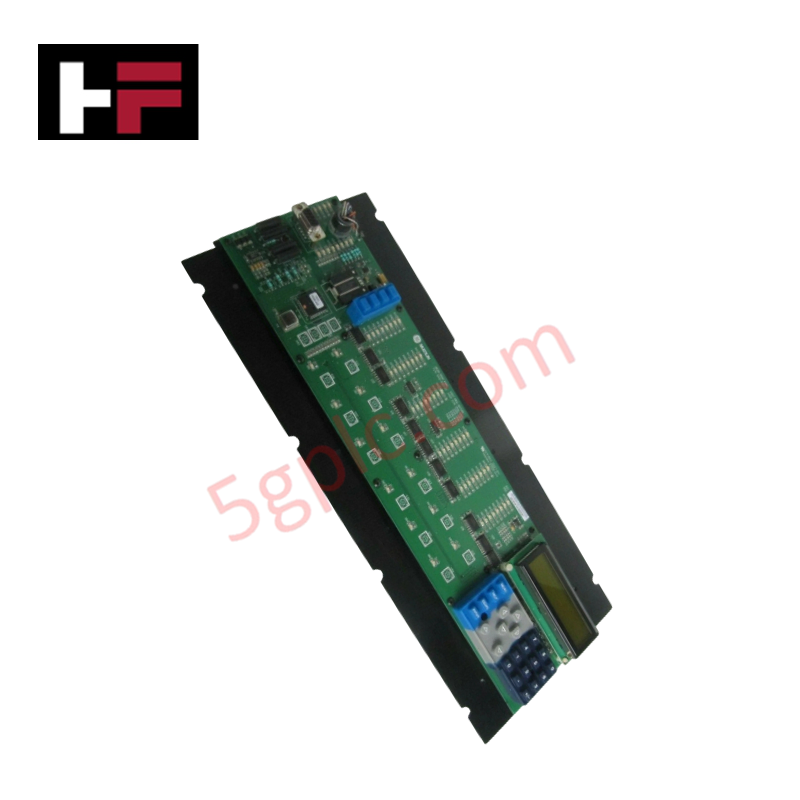
Configured for feeder protection and breaker control in distribution networks, the GE Multilin F650BABF2G0HI (F650 Feeder Management Relay) provides direct physical/electrical execution of protection logic and telemetry acquisition across electrical bus architectures.
Suffix Breakdown & Model Matrix
- F650: Base platform for numerical feeder management.
- B: Basic display module.
- A: Redundant RS485 rear serial communication interface.
- B: 10/100 Base TX rear Ethernet communication interface.
- F2: Slot F configured with 8 digital inputs, 8 digital outputs, and 2 trip/close circuit supervision circuits.
- G0: No expansion board installed in Slot G.
- HI: Auxiliary power supply range (110-250 VDC or 120-230 VAC).
Hardware Specifications
| Parameter | Specification |
|---|---|
| Model | F650BABF2G0HI |
| Brand | GE Multilin |
| Dimensions | 19-inch rack mount |
| Operating Temp | Standard industrial ambient |
| Power Consumption | 110-250 VDC / 120-230 VAC |
| Digital I/O | 8 Inputs, 8 Outputs |
| Monitoring | Trip/Close circuit supervision |
Profinet / EtherNet/IP Deterministic Networks and I/O Density Scaling
The F650 processing engine coordinates high-density I/O sampling alongside deterministic network traffic. The internal logic engine facilitates precise interlocking and fault monitoring, updating trip registers in real-time. Firmware flash compatibility must be verified against the site's control system requirements to ensure consistent I/O data reporting. The device supports integration into deterministic networks, where backplane bus communication velocity is managed to maintain sub-millisecond response times for trip commands. Proper configuration of the communication interface is required to ensure data integrity during packet transfer between the relay and the supervisory network.
Frequently Asked Questions
Q: Can the I/O modules be swapped while the relay is powered?
A: No. Any modification to the I/O board configuration requires the device to be de-energized. Removing modules under power will result in loss of protection and potential hardware damage to the backplane connectors.
Q: How is the Trip/Close circuit supervision (TCS/CCS) configured?
A: The supervision circuit monitors the health of the breaker's trip and close coils. When the breaker control circuit is energized, the relay detects continuity; an open circuit status will trigger a supervised alarm without initiating an unintentional trip.
Field Installation Guidelines
- Mounting: The relay is designed for installation in a standard 19-inch rack. Ensure the unit is secured using all four mounting points to maintain chassis stability.
- Grounding: Connect the chassis ground terminal to the substation main earth bus using a minimum 4 mm² copper conductor. A low-impedance ground path is required to suppress high-frequency electromagnetic interference.
- Communication Wiring: Use shielded, twisted-pair cable for the RS485 and Ethernet interfaces. Ensure that the shield is grounded at the relay end only to prevent ground loop currents from interfering with data transmission.
- Circuit Supervision: Verify that the trip and close circuit wiring is correctly terminated to the Slot F supervision inputs. Ensure that the coil current levels are within the relay's specified monitoring range to prevent false supervision alarms.
Additional Information
- 100% Genuine Parts: All products are original and authentic, ensuring reliable industrial performance.
- 30-Day Refund Guarantee: Return any in-stock item within 30 days in original, unopened packaging for a full refund (excluding shipping and fees).
- 12-Month Warranty: Covers defects in materials or workmanship; excludes misuse, normal wear, or unauthorized modifications.
- Worldwide Shipping: We ship via USPS, UPS, FedEx, and DHL. Delivery times vary by country and may be subject to customs or import fees.
- Support & Contact: Technical and warranty assistance is available anytime. Contact us here: Contact.
- Purchase Guidance: Check product specifications and compatibility carefully before ordering to ensure proper application.


Tech & Buying Guide

Will PLCs Become Obsolete? The Future of Control Systems in Industry 4.0
Modern manufacturing is undergoing a rapid technological transformation driven by Industry 4.0 innovations. Technologies like Artificial Intelligence (AI), Machine Learning (ML), and the Industrial Internet of Things (IIoT) are dominating discussions across the factory automation sector. Consequently, many engineers wonder if these advanced digital tools will eventually replace traditional Programmable Logic Controllers (PLCs). However, evaluating the core physics of industrial operations reveals a very different reality for control systems.

Demystifying Open Platform Communication (OPC): The Backbone of Industrial Interoperability
Interoperability remains a cornerstone requirement for modern smart factories and process automation. Open Platform Communication (OPC) bridges the gap between disparate hardware platforms, control systems, and visualization software. By establishing a universal communication standard, OPC allows field controllers, SCADA platforms, and enterprise software from different vendors to exchange real-time data seamlessly.

Understanding Siemens PLC Memory Cards: MMC, SMC, and SD Solutions in Industrial Automation
Memory management plays a pivotal role in maintaining control system reliability across modern manufacturing plants. Industrial control systems rely on specialized memory cards to store project logic, firmware updates, and retentive system data. Siemens uses several memory architectures, including Micro Memory Cards (MMC) and SIMATIC Memory Cards (SMC). Engineers must understand these hardware variations to ensure zero data loss and minimize downtime during maintenance routines.