










Product Details
Product Overview
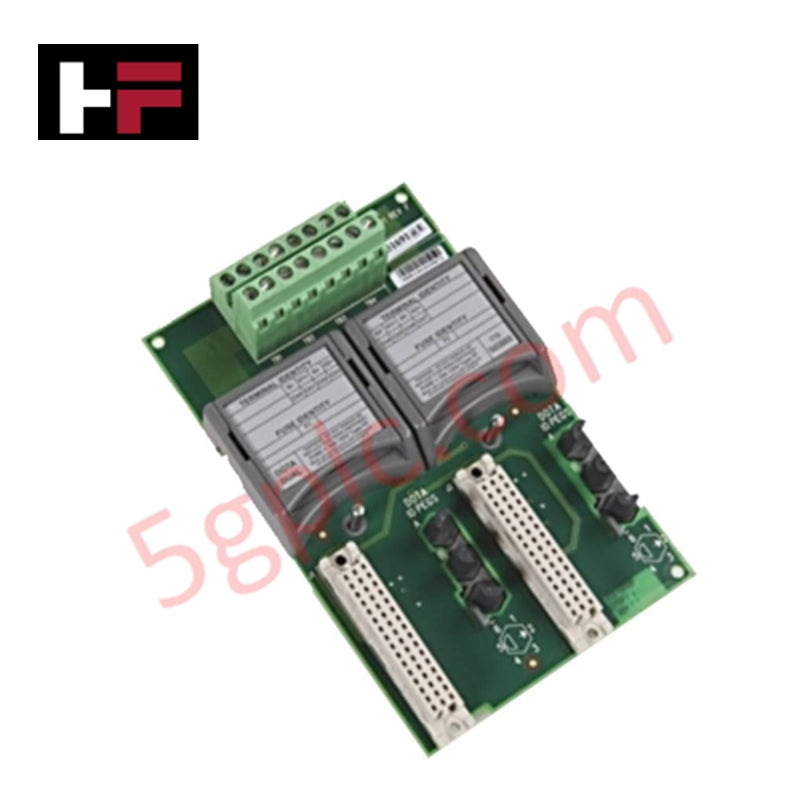
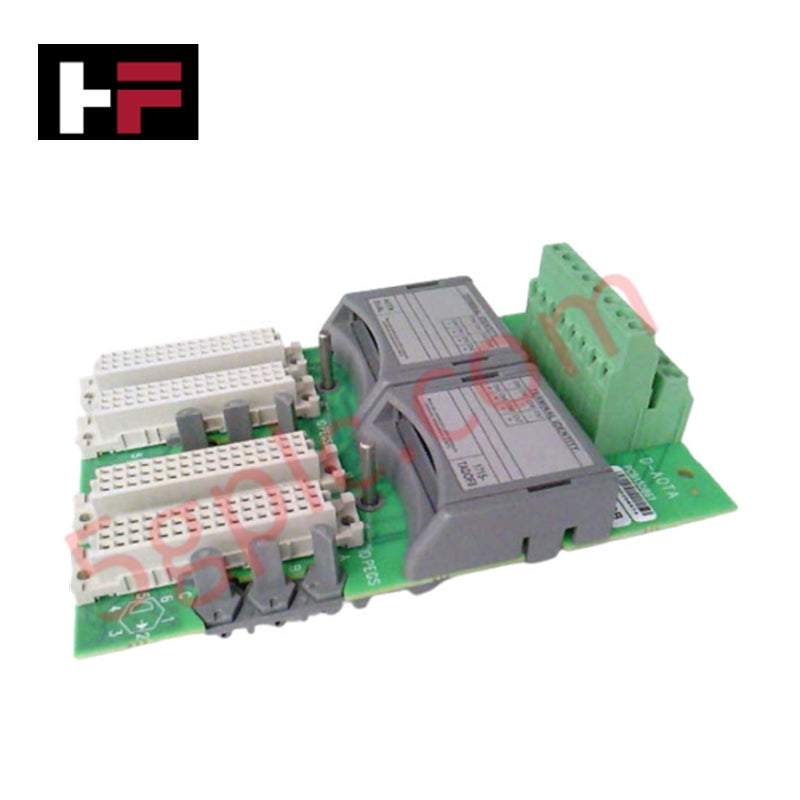
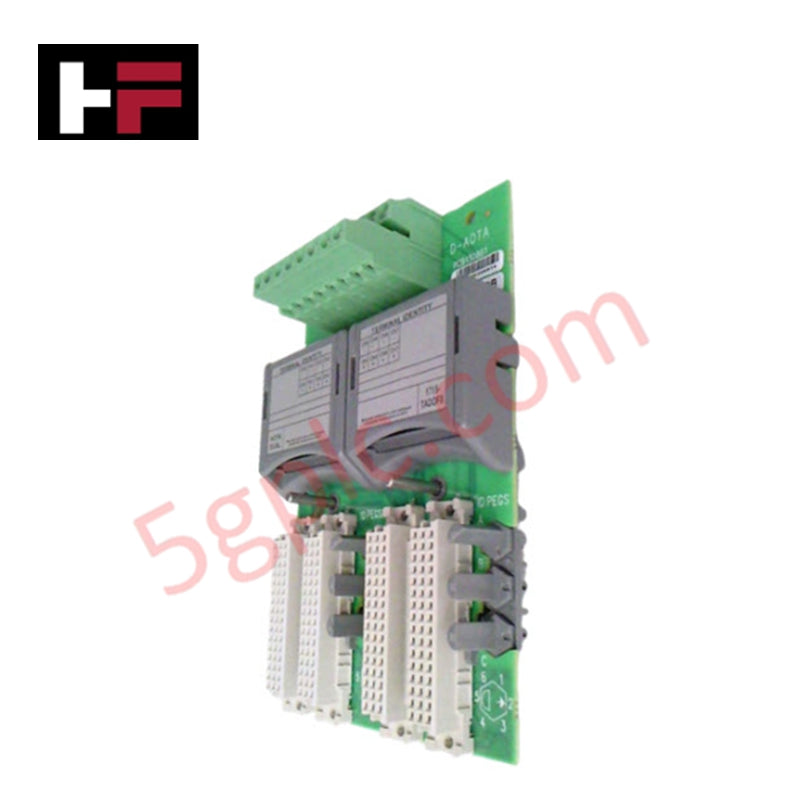
The Allen-Bradley 1715-TADOF8 functions as a high-density analog control interface within the 1715 Redundant I/O platform. This module provides eight independent channels of 0 to 24 mA current output, specifically engineered for mission-critical applications requiring extreme uptime. We supply this unit as 100% Brand New original factory stock. It enables precise control of actuators, valves, and variable speed drives while integrating seamlessly into fault-tolerant distributed control architectures.
Technical Specifications
| Feature | Specification |
| Manufacturer | Allen-Bradley / Rockwell Automation |
| Output Channels | 8 Isolated (to backplane) Analog Channels |
| Output Range | 0 to 24 mA per channel |
| Field Loop Voltage | 18 to 32V DC |
| System Power Dissipation | 3.6 W (Maximum) |
| Isolation Voltage | 50V (Continuous), Basic Insulation Type |
| Test Voltage | 500V AC for 60 seconds |
| Wire Size | 22 to 16 AWG (0.33 to 1.5 mm²) |
| Wire Type | Shielded Copper (Rated @ 85 °C or higher) |
| Dimensions (W x H) | 4.2 cm x 13.2 cm |
| Weight | 0.15 Kg (0.33 lbs) |
Engineering Advantages
-
Superior Signal Integrity: The 1715-TADOF8 utilizes shielded copper wiring (Category 2) to eliminate electromagnetic interference (EMI). This shielding ensures that high-frequency noise from nearby power cables does not distort the 0–24 mA control signals, maintaining loop accuracy in electrically noisy plant environments.
-
Fault-Tolerant Redundancy: As part of the 1715 series, this module supports redundant configurations. When paired with a second module, the system ensures continuous process control even if one unit fails, preventing costly emergency shutdowns in sectors like oil & gas or chemical processing.
-
Optimized Thermal Footprint: The module dissipates only 3.6 W for the system logic and a mere 0.64 W per field loop. This low heat output allows for high-density cabinet mounting without the need for aggressive active cooling, even in environments approaching 85 °C.
-
Flexible Field Termination: The I/O connections accommodate both solid and stranded copper wire (22–16 AWG). This versatility simplifies the field-wiring process, allowing technicians to use existing site-standard cabling without requiring specialized crimping tools.
FAQs
-
Does the 1715-TADOF8 provide isolation between individual channels? No. While the module provides 50V continuous basic insulation between the I/O ports and the backplane, it does not provide isolation between individual I/O channels. Ensure your field devices share a common reference or use external isolators if necessary.
-
What is the maximum current output for each channel? Each of the 8 channels supports a range from 0 to 24 mA. This extended range (above the standard 20 mA) allows for over-range signaling and specialized valve positioning requirements.
-
Can I use unshielded wire for the I/O connections? We strictly recommend using shielded copper wire rated for at least 85 °C. Using unshielded cable increases the risk of signal jitter and may violate the module's Category 2 wiring compliance.
-
Is this a factory-sealed unit? Yes. We guarantee this product is 100% Brand New, shipping in its original Allen-Bradley packaging with all factory seals and documentation intact.
Additional Information
- 100% Genuine Parts: All products are original and authentic, ensuring reliable industrial performance.
- 30-Day Refund Guarantee: Return any in-stock item within 30 days in original, unopened packaging for a full refund (excluding shipping and fees).
- 12-Month Warranty: Covers defects in materials or workmanship; excludes misuse, normal wear, or unauthorized modifications.
- Worldwide Shipping: We ship via USPS, UPS, FedEx, and DHL. Delivery times vary by country and may be subject to customs or import fees.
- Support & Contact: Technical and warranty assistance is available anytime. Contact us here: Contact.
- Purchase Guidance: Check product specifications and compatibility carefully before ordering to ensure proper application.
Tech & Buying Guide

Demystifying the DDE Protocol in Legacy Industrial Automation Systems
Modern control systems rely heavily on seamless interprocess communication to exchange operational data between software programs. Microsoft first introduced the Dynamic Data Exchange (DDE) protocol in 1987 to enable real-time data sharing. In factory automation, DDE served as an early bridge between control software and Windows desktop applications. Therefore, understanding DDE mechanics provides crucial insights into how legacy industrial networks established software-level connectivity.

Demystifying CPU Communication Ports in Siemens PLC Architectures
Industrial automation relies heavily on robust data exchange between devices. Without seamless connectivity, field instruments, network switches, human-machine interfaces, and programmable logic controllers cannot coordinate effectively. Therefore, understanding the various CPU communication ports available in Siemens hardware ensures efficient factory automation design and seamless system integration.

Mastering the Siemens PLC Scan Cycle: How the CPU Executes Automation Programs
Industrial automation relies heavily on programmable logic controllers (PLCs) to manage complex manufacturing processes. Many engineers dive straight into programming without mastering the underlying architecture. However, understanding how a PLC CPU executes a program ensures reliable system design. Therefore, mastering the scan cycle optimizes both performance and troubleshooting in modern control systems.