










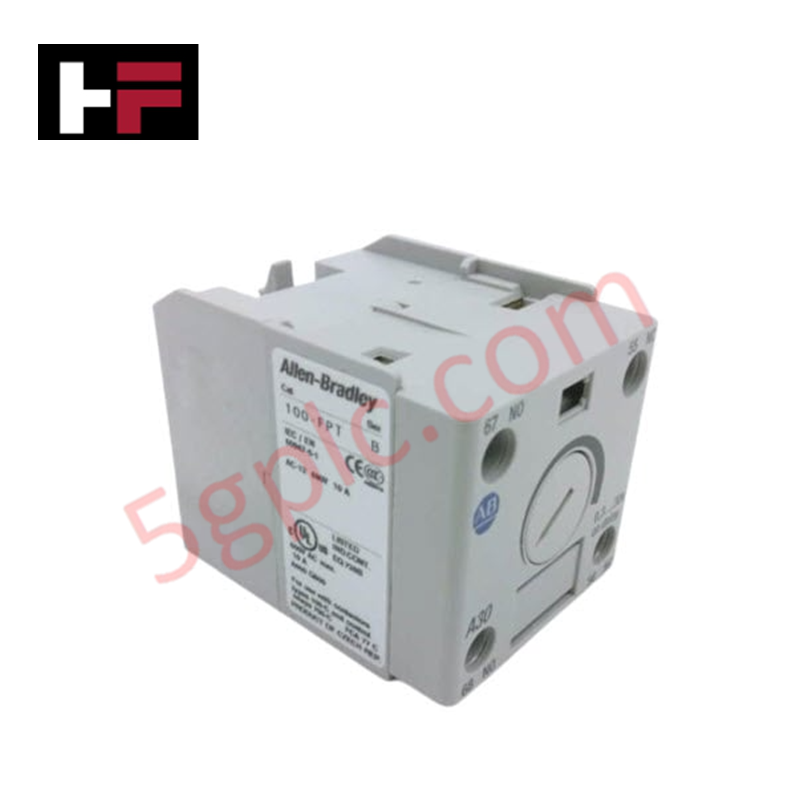
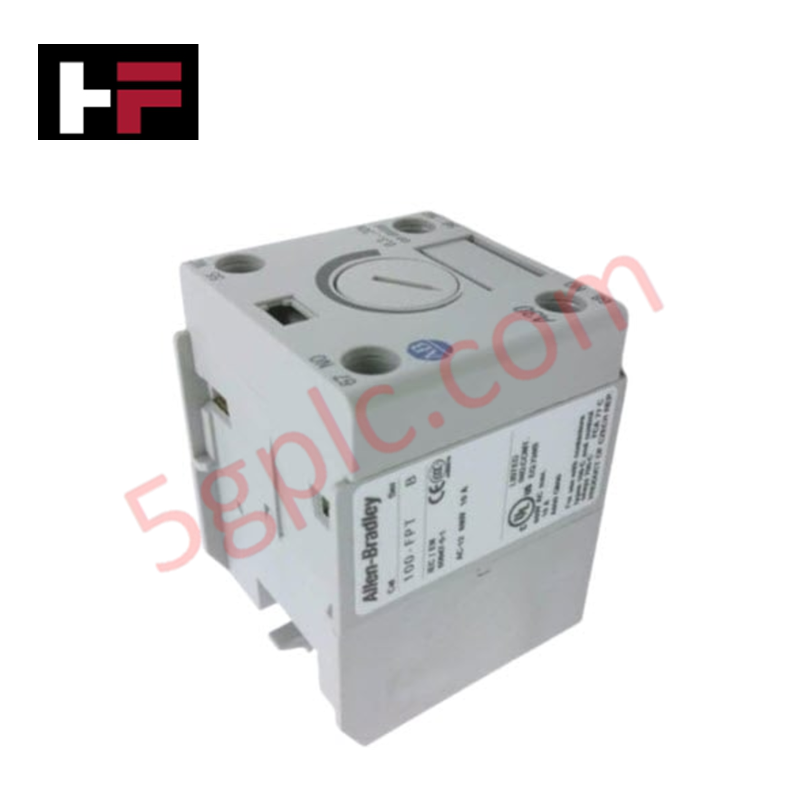


Product Details
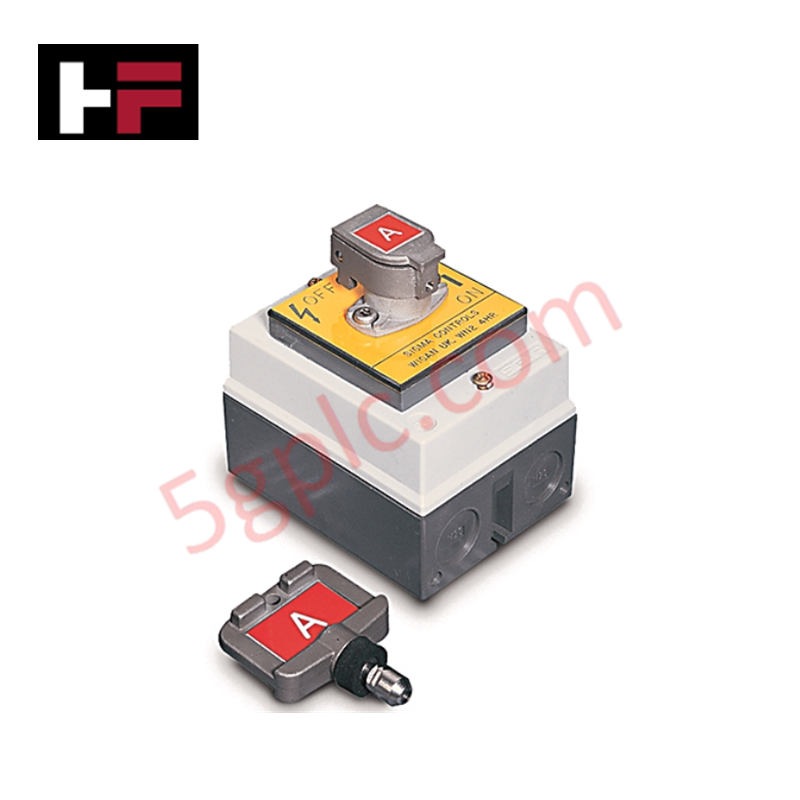
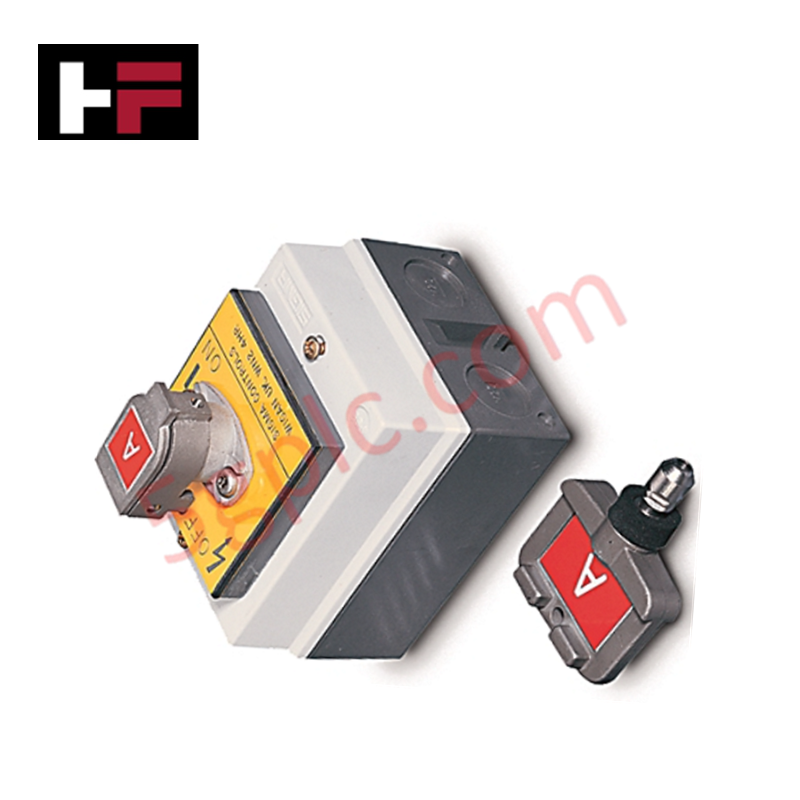
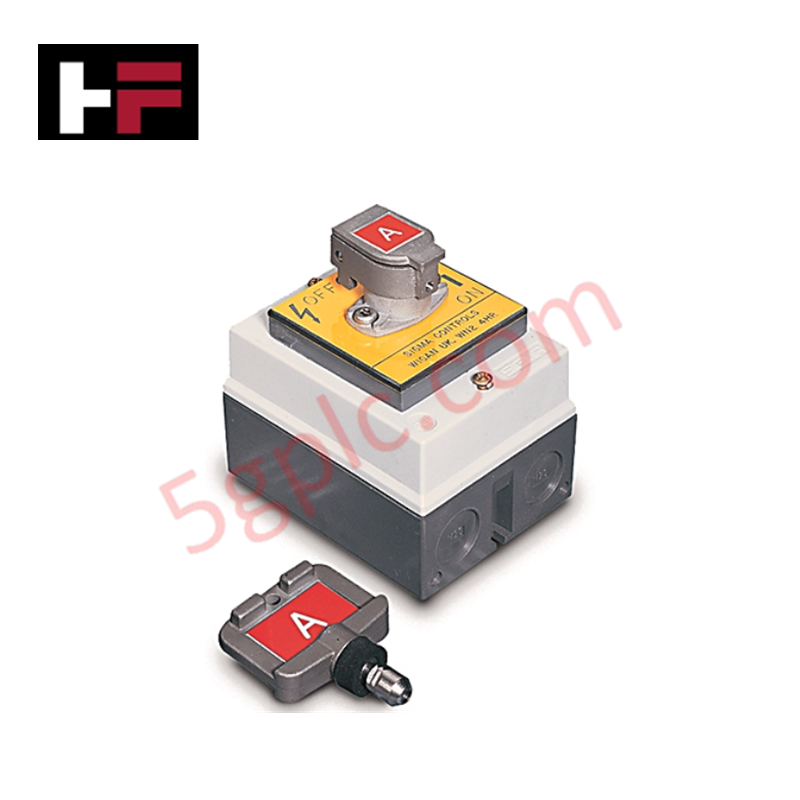
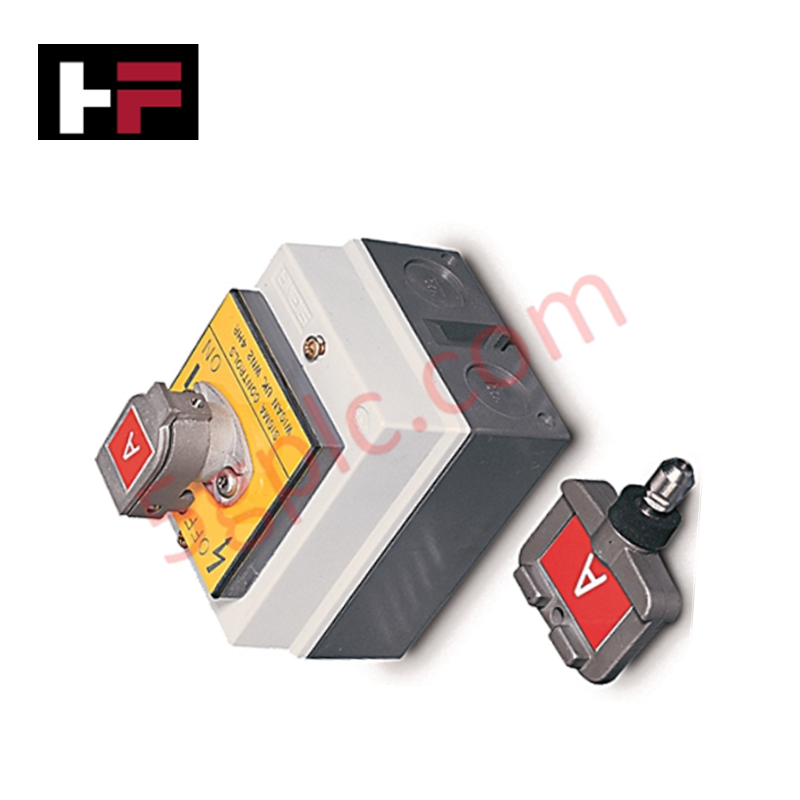
Configured for precision timing functions in industrial control systems, the Allen Bradley 100-FPTA30 (100-FPTA30 Pneumatic Timing Module) provides direct physical execution of time-delayed contact switching via an air-bled timing bellows mechanism.
Hardware Specifications
| Parameter | Specification |
|---|---|
| Model | 100-FPTA30 |
| Brand | Allen Bradley |
| Origin | Subject to factory shipping documentation |
| Weight | 0.08 kg (0.18 lbs) |
| Dimensions | Open style, mountable module |
| Operating Temp | -10 deg C to 50 deg C |
| Power Consumption | Passive mechanical device |
| Timing Range | 0.3 s to 30 s |
| Function | On-delay |
| Contact Configuration | 1 N.O. and 1 N.C. |
| Current Rating | 10 A |
| Voltage Rating | 600 V AC |
Profinet / EtherNet/IP Deterministic Networks
The 100-FPTA30 operates as an electromechanical adjunct to contactor assemblies, requiring integration into control circuits that may eventually interface with higher-level Profinet or EtherNet/IP deterministic networks. When mapping the status of this timing module to a PLC input, system designers must account for the mechanical delay variance inherent in pneumatic timing bellows. The deterministic nature of the control network depends on the precise interpretation of the state change initiated by the 100-FPTA30, necessitating appropriate debounce and timer configuration in the control logic to manage the transition from the pneumatic delay to the electrical output signal.
Frequently Asked Questions
Q: Does the 100-FPTA30 allow for field adjustment of the timing interval?
A: Yes. The module features an adjustable dial that varies the air bleed rate in the pneumatic bellows, allowing the user to select an on-delay period between 0.3 s and 30 s.
Q: Is this timing module compatible with high-voltage AC control circuits?
A: Yes. The module is rated for 600 V AC operation, making it suitable for direct integration into standard power contactor control circuits. Ensure that the associated control wiring is rated for the circuit voltage.
Field Installation Guidelines
- Mounting: Secure the 100-FPTA30 directly to the host contactor mechanism as per the manufacturer's mounting interface. Ensure the unit is seated firmly to prevent vibration-induced timing drift.
- Alignment: Verify the actuator pin is correctly aligned with the contactor armature. Improper alignment can lead to binding and inconsistent timing performance.
- Environment: Install in an enclosure that protects the module from excessive dust and oil mist, as pneumatic bellows are sensitive to environmental contaminants that can alter the air bleed rate.
- Wiring: Use copper conductors only. Torque all terminal screws to the values specified in the accompanying technical bulletin to prevent loose connections in 10 A circuits.
- Testing: After physical installation, perform repeated cycles to confirm the timing interval repeatability. Calibration may be required after initial mounting to align the dial settings with the desired process delay.
Additional Information
- 100% Genuine Parts: All products are original and authentic, ensuring reliable industrial performance.
- 30-Day Refund Guarantee: Return any in-stock item within 30 days in original, unopened packaging for a full refund (excluding shipping and fees).
- 12-Month Warranty: Covers defects in materials or workmanship; excludes misuse, normal wear, or unauthorized modifications.
- Worldwide Shipping: We ship via USPS, UPS, FedEx, and DHL. Delivery times vary by country and may be subject to customs or import fees.
- Support & Contact: Technical and warranty assistance is available anytime. Contact us here: Contact.
- Purchase Guidance: Check product specifications and compatibility carefully before ordering to ensure proper application.
Tech & Buying Guide

Transforming Shop Floor Data into Actionable Insights: A Deep Dive into MES
Manufacturing Execution Systems serve as the digital backbone of modern factory floors. Positioned at Level 3 of the ISA-95 automation pyramid, MES links enterprise resource planning with real-time shop floor control systems. Today, industrial operators rely on MES software to bridge operational strategy with physical production execution.

Managed Switch vs. Unmanaged Switch: Industrial Ethernet Architecture

Hot Standby vs. Cold Standby Redundancy in Industrial Automation
System availability determines process safety and productivity in industrial automation. Control engineers deploy redundancy to eliminate single points of failure. This technical guide evaluates Hot Standby vs. Cold Standby architectures, comparing failover speeds, memory sync, cost trade-offs, and field selection criteria.